Evaluation of the Antiviral Activity of a Natural Product, Schisandrin B, Against Rhabdovirus Infection in Chinese Rice Field Eels
Yisha Liu, Mingyang Xue, Chen Xu, Yong Zhou, Nan Jiang, Yan Meng, Yiqun Li, Zhenyu Huang, Wenzhi Liu, Yuding Fan

TL;DR
Schisandrin B, a natural product, shows strong antiviral effects against a deadly virus in rice-field eels, improving survival rates significantly.
Contribution
Schisandrin B is shown to inhibit CrERV replication and protect eels, offering a potential treatment for this emerging aquatic disease.
Findings
Sch B inhibited CrERV G protein expression by up to 69.5% at 20 mg/L.
Sch B preserved cellular morphology and enhanced eel survival by 57% and 51% at specific concentrations.
Sch B's antiviral effects occur during the mid-stage of viral replication.
Abstract
Chinese rice-field eel rhabdovirus (CrERV), an emerging viral pathogen, causes massive death in rice-field eels (Monopterus albus), thus threatening the industry’s development. There is currently no established treatment strategy for CrERV. This study evaluated the anti-CrERV effects of schisandrin B (Sch B) in vitro and in vivo. The results indicated that Sch B at 20 mg/L could inhibit the expression of the CrERV G protein, with a maximum inhibition rate of 69.5%. Additionally, Sch B mitigated the nuclear damage and mitochondrial membrane potential decline induced by CrERV, thereby preserving cellular morphology. A time-of-addition study suggested that Sch B might exert its antiviral effects during the mid-stage of viral replication. In vivo, Sch B exhibited promising preventive and therapeutic effects against CrERV infection in rice-field eels, enhancing their survival rate by 57% and…
Genes, proteins, chemicals, diseases, species, mutations and cell lines named across the full text — each resolved to its canonical identifier and authoritative record.
Click any figure to enlarge with its caption.
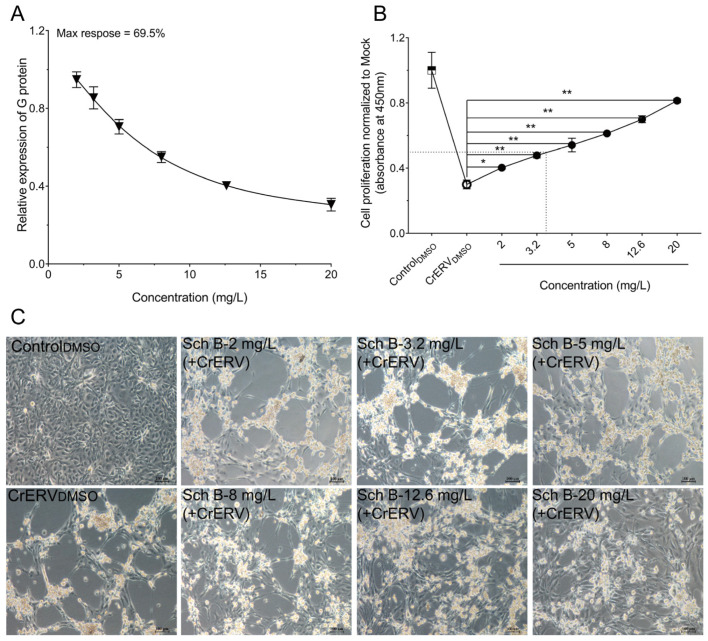 Figure 1
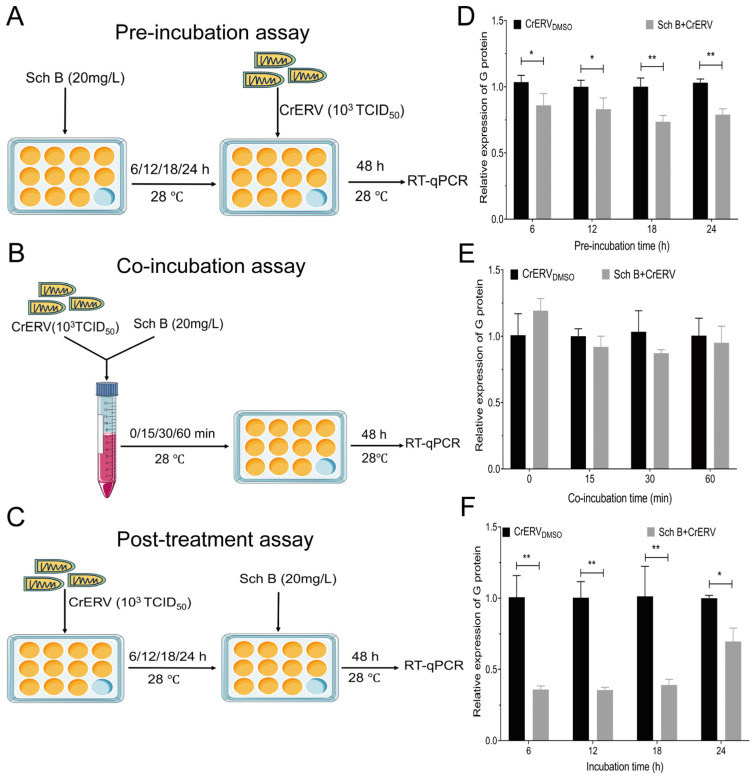 Figure 2
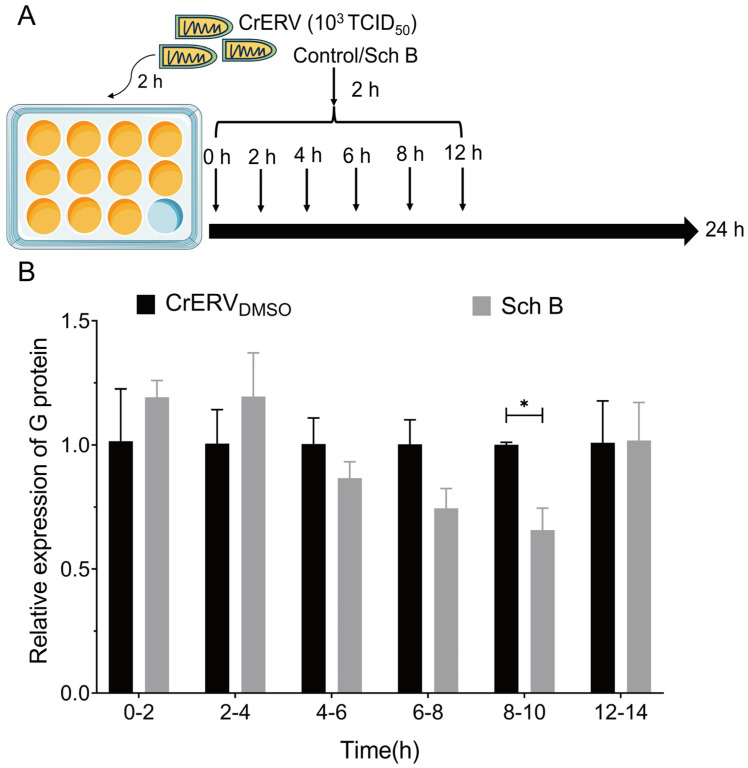 Figure 3
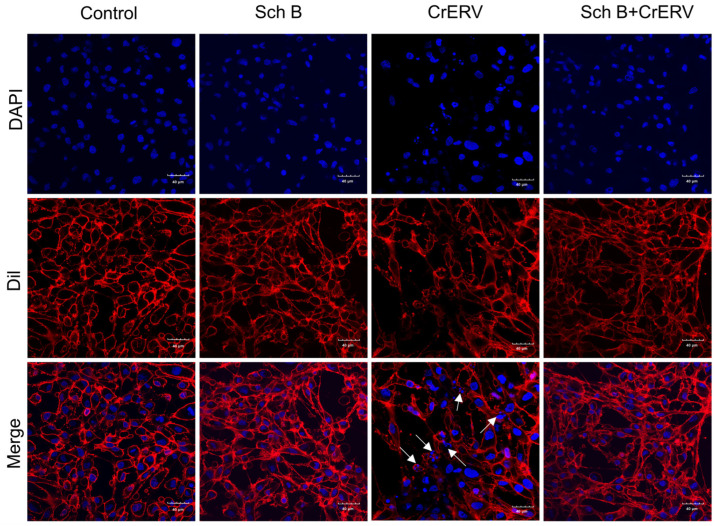 Figure 4
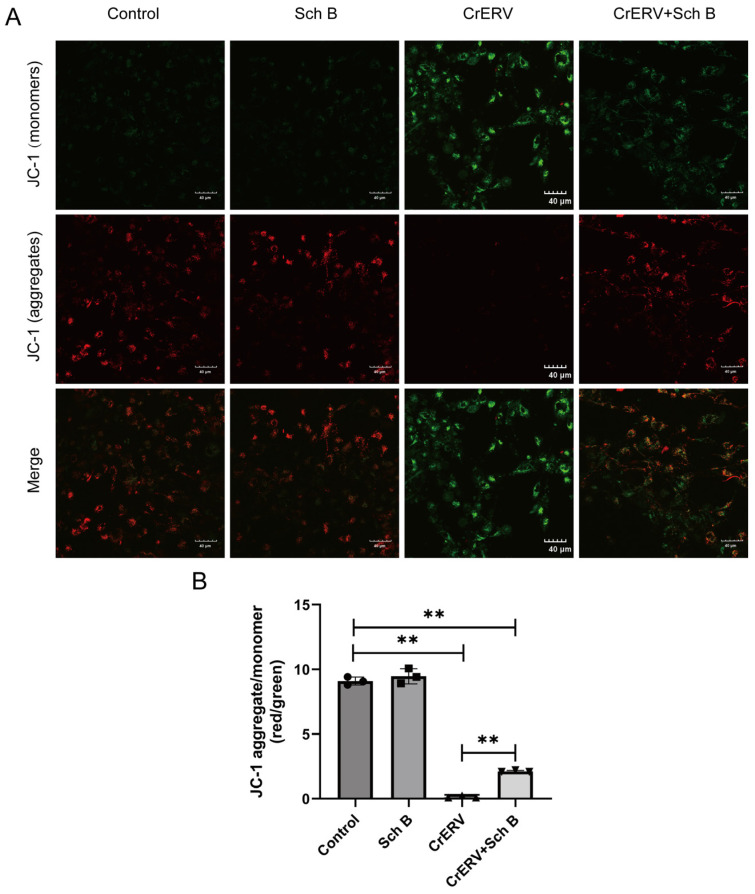 Figure 5
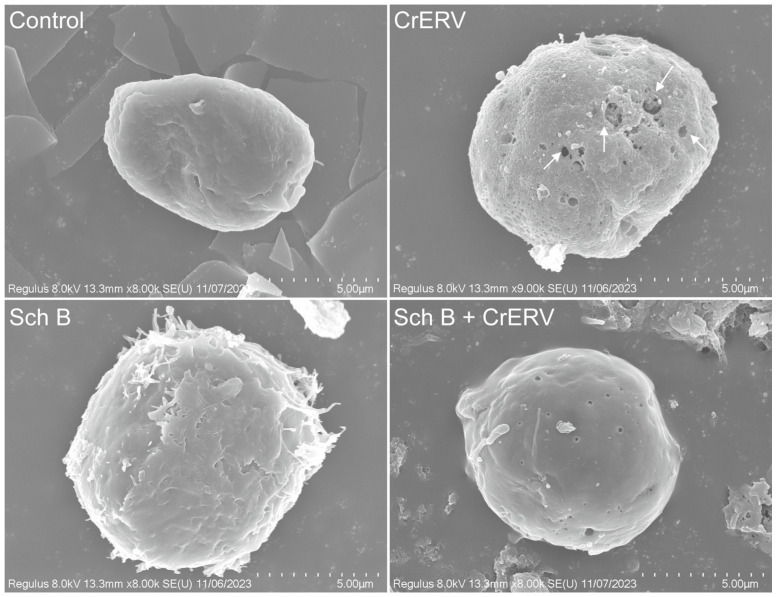 Figure 6
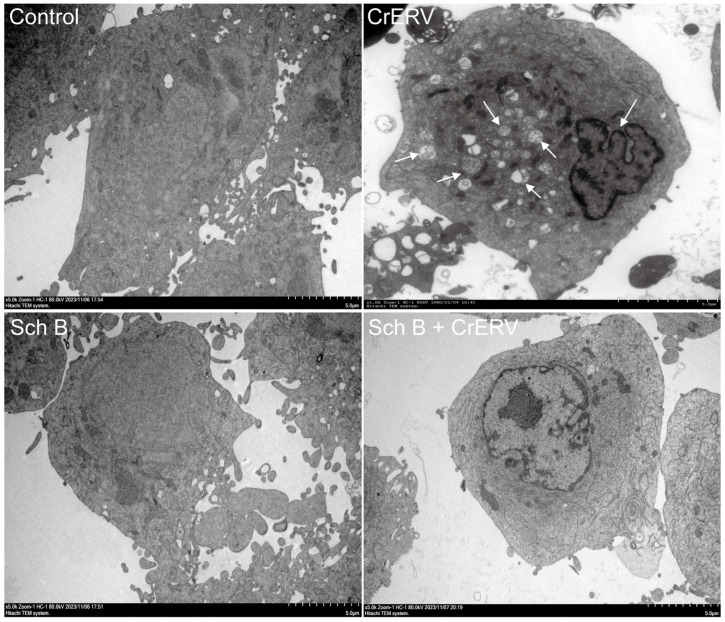 Figure 7
 Figure 8
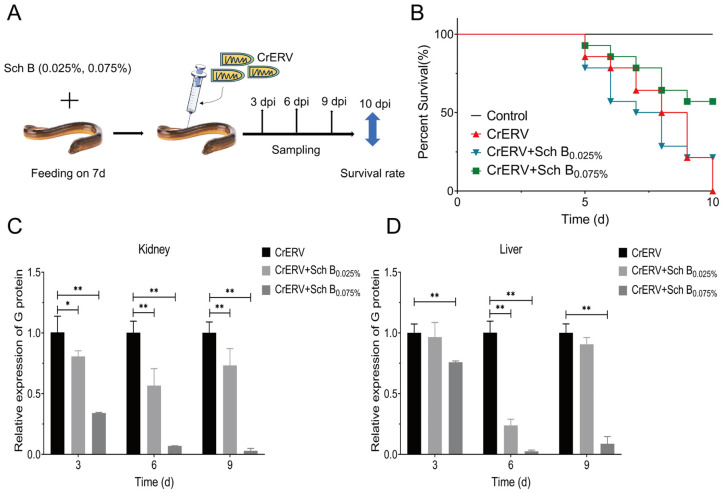 Figure 9
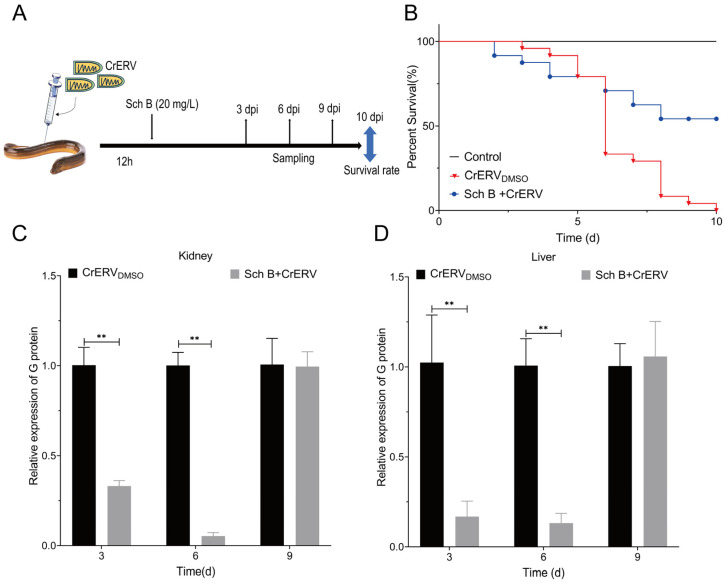 Figure 10
Peer Reviews
No public reviews on file for this paper yet. If you reviewed it on a platform where reviews are public (OpenReview, ICLR, NeurIPS, ICML), you can paste yours below so the community can read it here.
Videos
No videos yet. Explain this paper in a talk, walkthrough, or lecture? Add one.
Taxonomy
TopicsAquaculture disease management and microbiota · Insect and Pesticide Research · Quinazolinone synthesis and applications