Modification of Physico-Chemical and Biological Characteristics of Polymethylmethacrylate with Amorphous Carbon Nanoparticles for Counteracting Healthcare-Associated Infections
Sergey V. Gudkov, Dmitriy A. Serov, Ruslan M. Sarimov, Vasiliy S. Novikov, Maksim Moskovskiy, Maksim B. Rebezov, Mikhail V. Dubinin, Konstantin V. Sergienko, Mikhail A. Sevostyanov, Fatikh M. Yanbaev, Maxim E. Astashev, Maria V. Vedunova

TL;DR
This paper explores using low-cost amorphous carbon nanoparticles to modify PMMA materials, making them antibacterial without harming mammalian cells, potentially useful in biomedicine.
Contribution
The study introduces a low-cost modification of PMMA with amorphous carbon nanoparticles to create antibacterial, non-toxic biomedical materials.
Findings
PMMA modified with amorphous carbon nanoparticles inhibits bacterial growth without harming mammalian cells.
The modified PMMA samples exhibit pro-oxidant properties and protect biopolymers from damage.
The material can be used to print complex geometries and is amenable to polishing.
Abstract
Composite materials based on polymethylmethacrylate (PMMA) and carbon nanoparticles are used in aviation, construction, medical and other fields of activity. Carbon nanotubes and carbon nano-dots are mainly used as carbon nanoparticles. Both carbon nanotube and carbon nano-dots are difficult to obtain materials with considerable cost. Amorphous carbon nanoparticles, on the contrary, are easy to obtain and have a low cost. The purpose of this work is to study the physico-chemical and biological characteristics of polymethylmethacrylate modified with amorphous carbon nanoparticles. Laser ablation was used to obtain the nanoparticles. Dynamic light scattering, measurement of the electrokinetic potential, TEM, AFM, and Raman microscopy are used to characterize nanoparticles. FTIR, MIM, AFM, UV-visual diagnostics, ROS tests, and biopolymer regeneration tests were used to analyze the combined…
Genes, proteins, chemicals, diseases, species, mutations and cell lines named across the full text — each resolved to its canonical identifier and authoritative record.
Click any figure to enlarge with its caption.
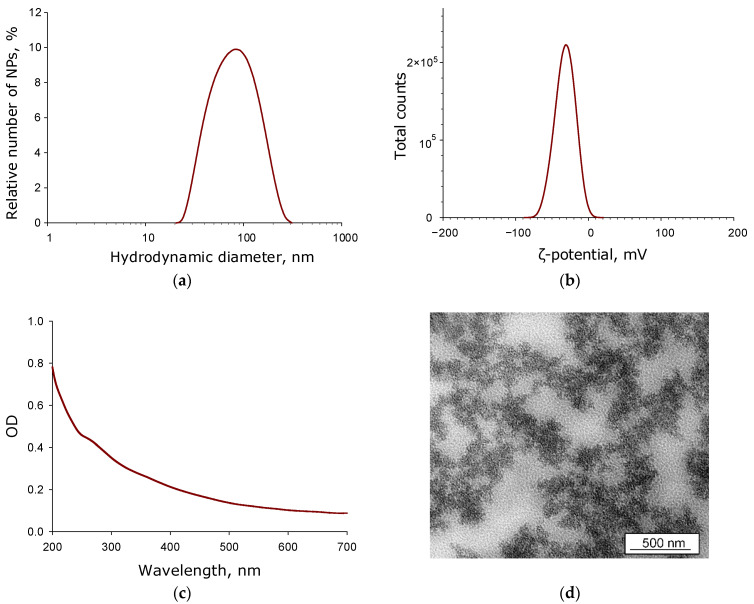 Figure 1
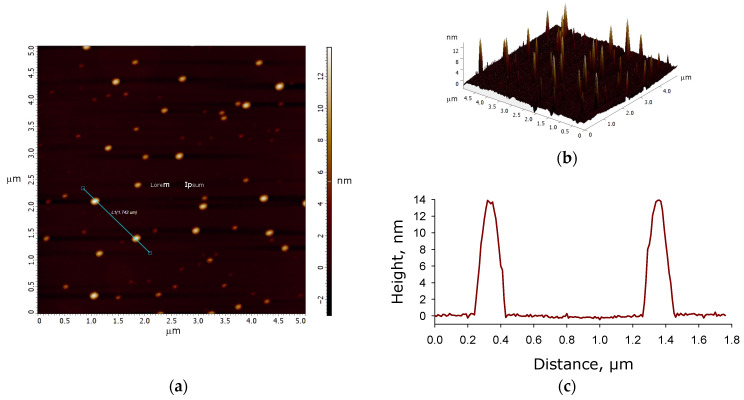 Figure 2
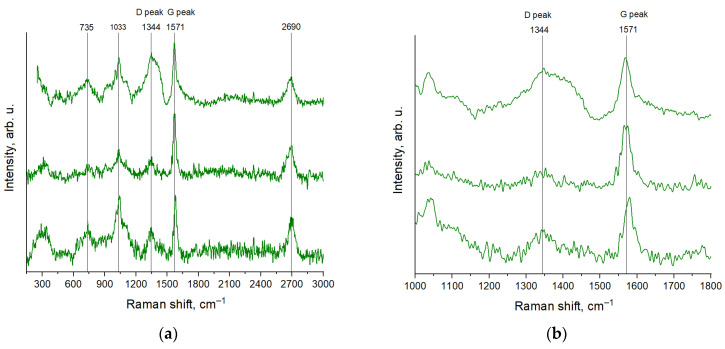 Figure 3
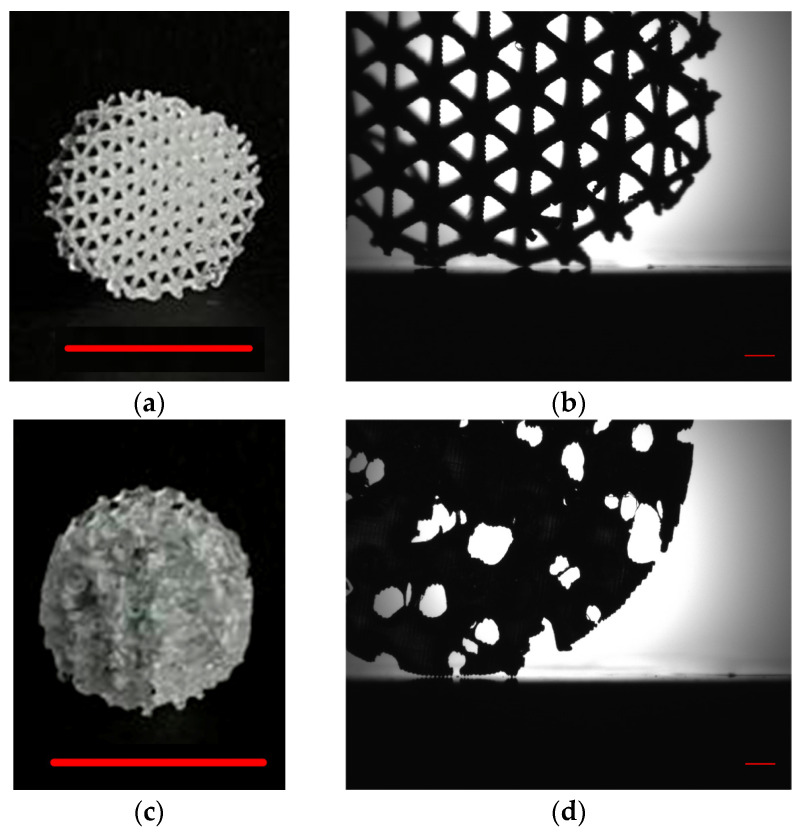 Figure 4
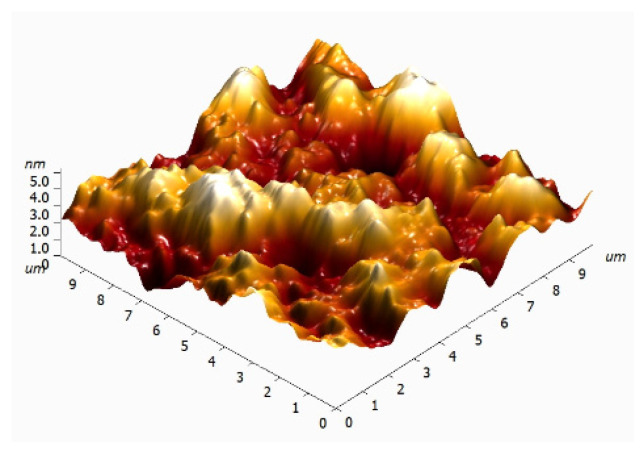 Figure 5
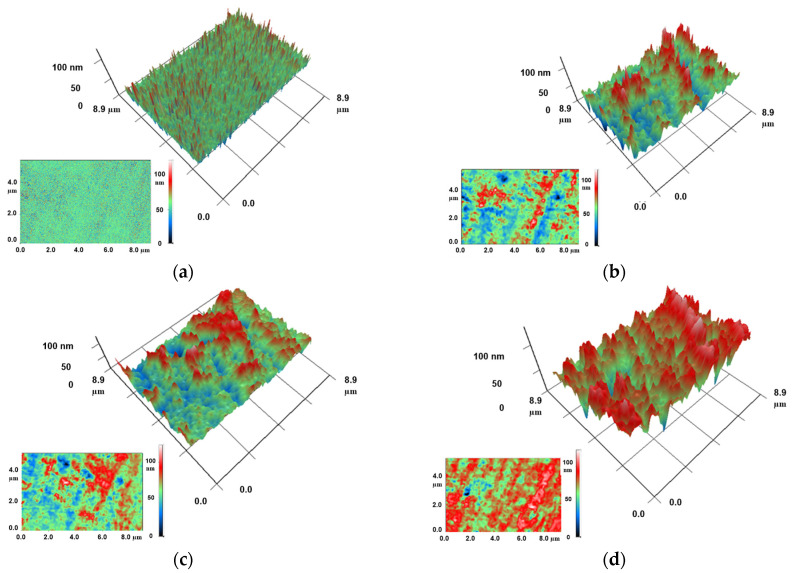 Figure 6
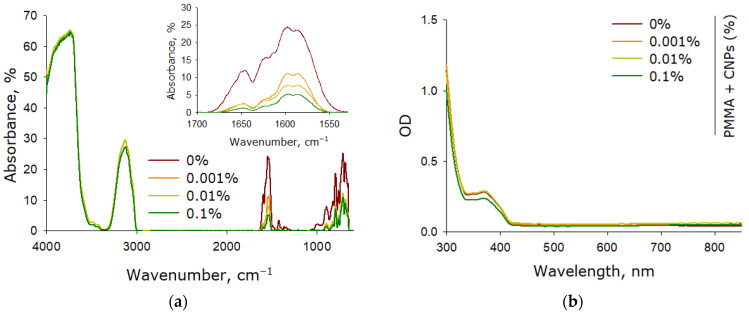 Figure 7
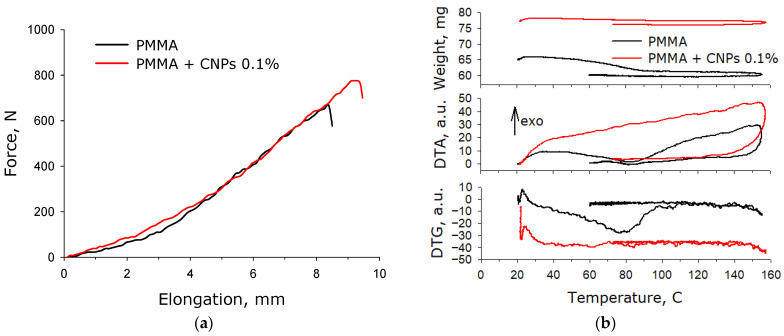 Figure 8
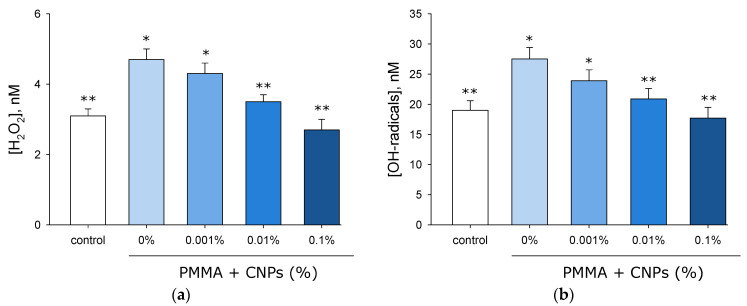 Figure 9
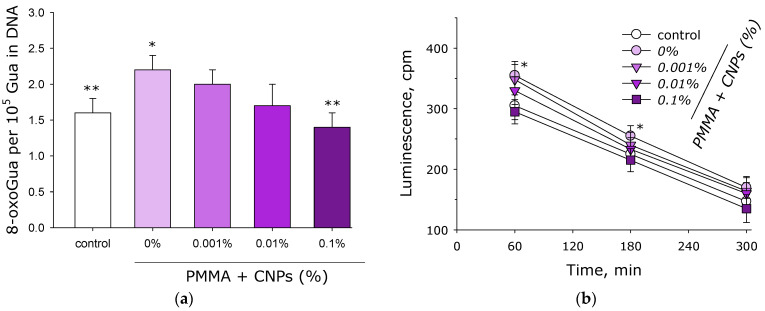 Figure 10
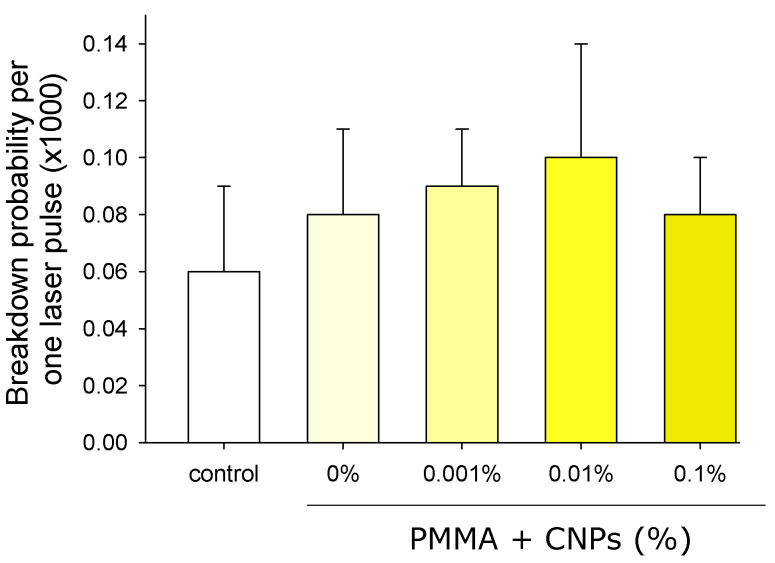 Figure 11
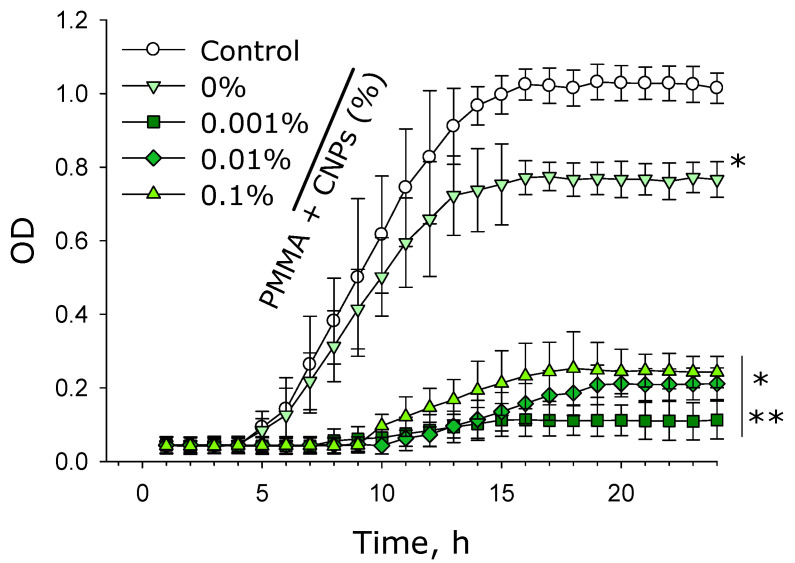 Figure 12
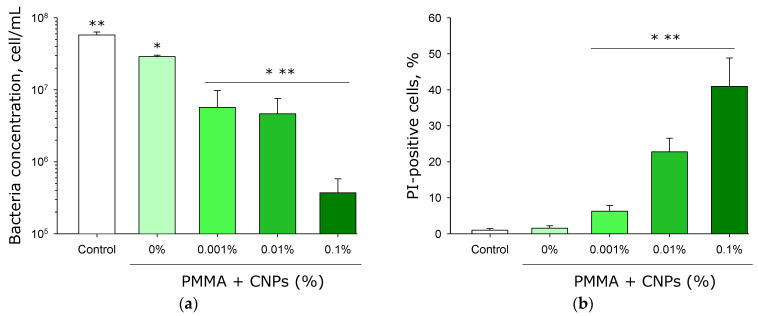 Figure 13
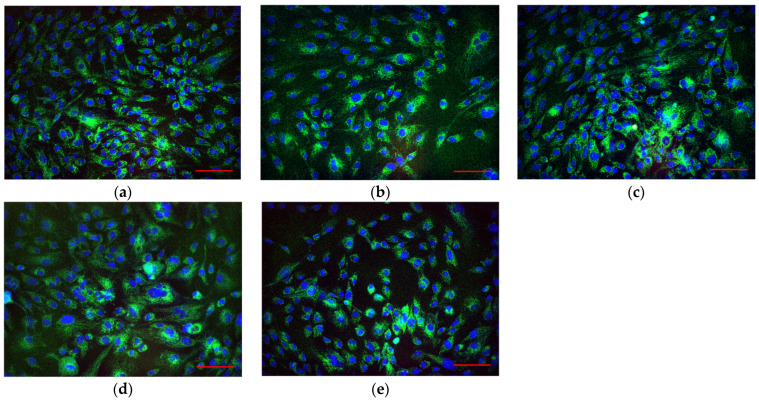 Figure 14
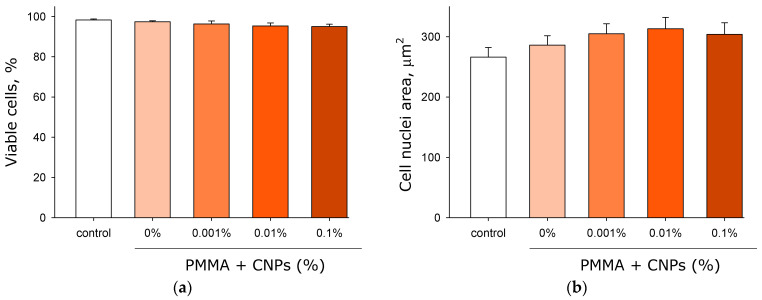 Figure 15
Peer Reviews
No public reviews on file for this paper yet. If you reviewed it on a platform where reviews are public (OpenReview, ICLR, NeurIPS, ICML), you can paste yours below so the community can read it here.
Videos
No videos yet. Explain this paper in a talk, walkthrough, or lecture? Add one.
Taxonomy
TopicsLaser-Ablation Synthesis of Nanoparticles · Carbon Nanotubes in Composites · Polymer Nanocomposite Synthesis and Irradiation