Response of Energy Reserves in Entomopathogenic Nematodes to Drought-Stress and Expression Analysis of Energy Metabolism-Related Genes in Arid Areas
Xia Wu, Wenliang Li, Tingwei Zhang, Hong Chen, Wende Zhang, Xingduo Wang, Xiujuan Qian

TL;DR
This study explores how entomopathogenic nematodes respond to drought stress by analyzing their energy reserves and gene expression to improve their use in arid pest control.
Contribution
The study identifies energy reserve dynamics and gene expression patterns in drought-resistant nematodes under low humidity.
Findings
Lipids are the main energy reserve in entomopathogenic nematodes under low humidity stress.
Drought-resistant nematodes show increased protein, lipid, and trehalose levels under stress.
Transcriptome analysis reveals gene pathways involved in energy metabolism adaptation to drought.
Abstract
Entomopathogenic nematodes (EPNs) (genera: Steinernema, Heterorhabditis, and Oscheius), which kill insect hosts with the aid of symbiotic bacteria, are used widely as biocontrol agents in agricultural pest control because of their advantages of active search for pests, wide host range, and safety to humans, livestock, and the environment. In particular, they have good control effects on boring pests and soil pests. As a novel type of biological agent, the energy reserve capacity and low-humidity adaptability of EPNs in the natural environment are directly linked to their pest control efficiency. In this study, we measured energy reserves, biological traits, and behavioral characteristics of two EPN species under low humidity conditions, and performed transcriptome analysis on drought-resistant strains. This approach offers a new perspective for elucidating the mechanisms of drought…
Genes, proteins, chemicals, diseases, species, mutations and cell lines named across the full text — each resolved to its canonical identifier and authoritative record.
Click any figure to enlarge with its caption.
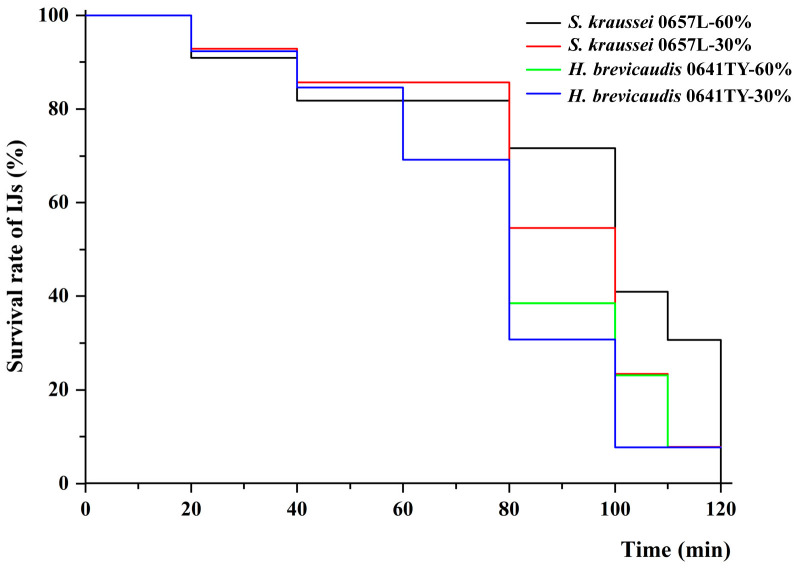 Figure 1
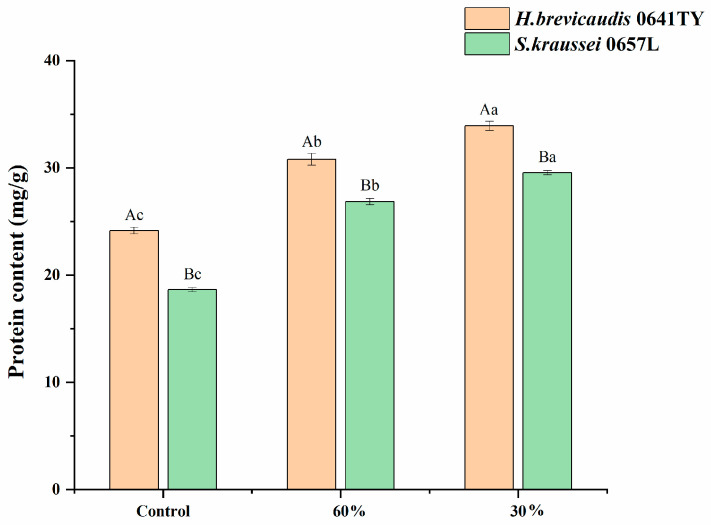 Figure 2
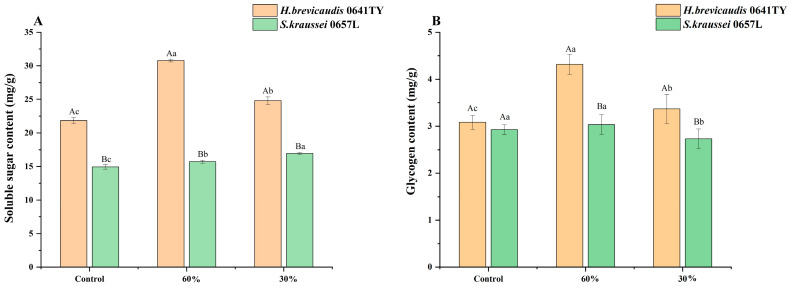 Figure 3
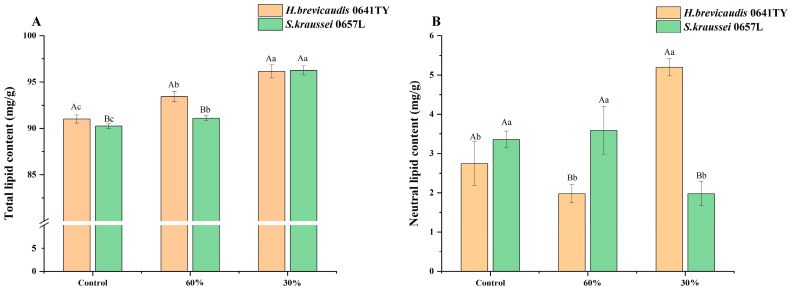 Figure 4
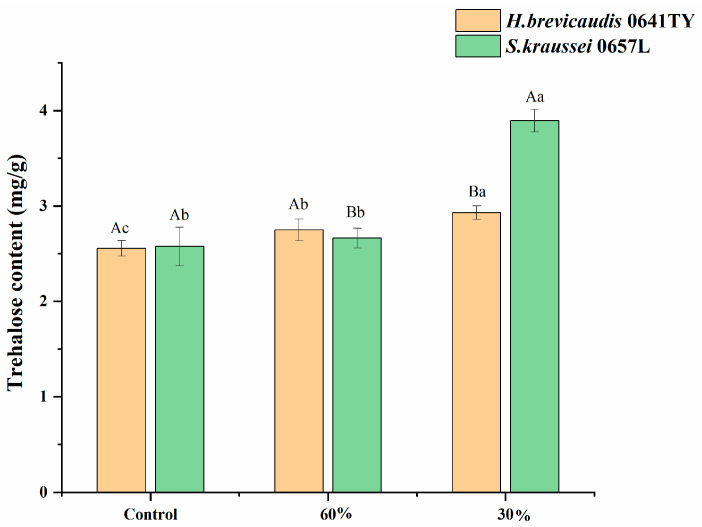 Figure 5
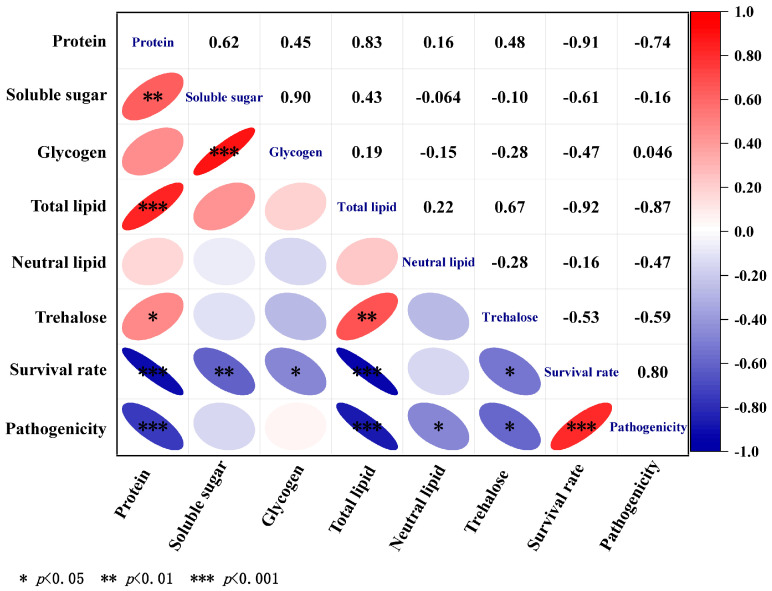 Figure 6
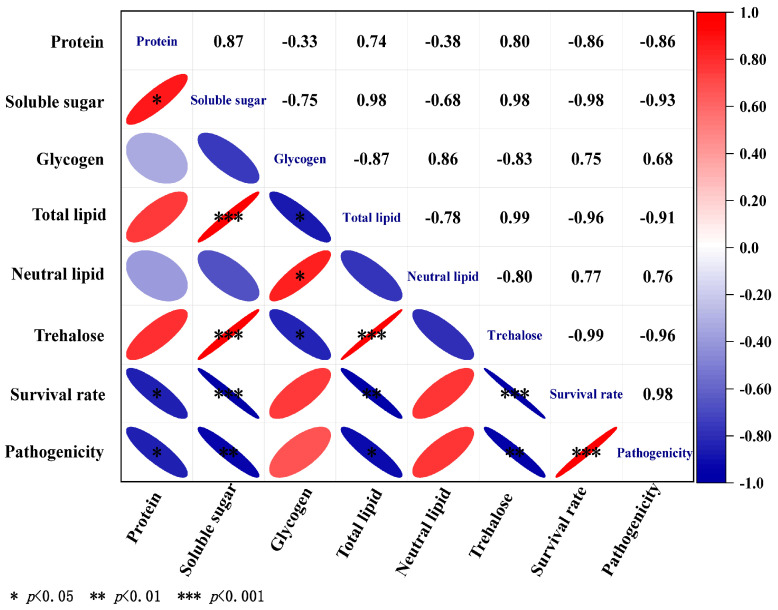 Figure 7
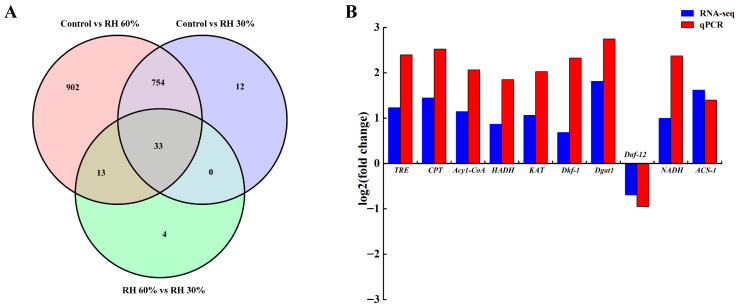 Figure 8
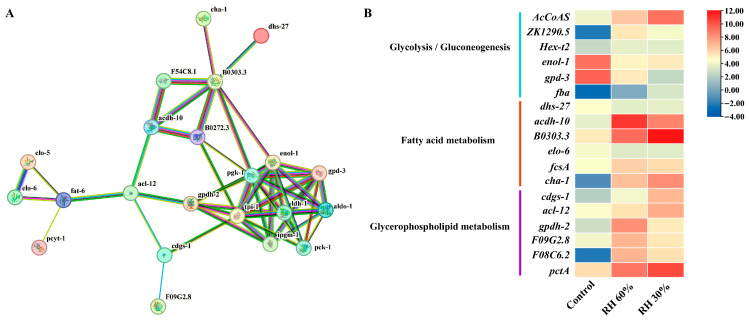 Figure 9
Peer Reviews
No public reviews on file for this paper yet. If you reviewed it on a platform where reviews are public (OpenReview, ICLR, NeurIPS, ICML), you can paste yours below so the community can read it here.
Videos
No videos yet. Explain this paper in a talk, walkthrough, or lecture? Add one.
Taxonomy
TopicsEntomopathogenic Microorganisms in Pest Control · Insect Resistance and Genetics · Viral Infectious Diseases and Gene Expression in Insects