Morphological Ontogeny and Life Cycle of Laboratory-Maintained Eremobelba eharai (Acari: Oribatida: Eremobelbidae)
Chang Chu, Yu Chen, Jun Chen

TL;DR
Researchers successfully reared Eremobelba eharai mites in the lab and documented their development and life cycle for the first time.
Contribution
First successful multigenerational lab rearing and detailed morphological ontogeny documentation of Eremobelba eharai.
Findings
Eremobelba eharai can complete its egg-to-egg life cycle in laboratory conditions.
The species exhibits characteristic leg-shaking movements and gregarious oviposition on dry yeast particles.
Scanning electron microscopy revealed a granular cerotegument covering the mite's surface.
Abstract
The oribatid mite, Eremobelba eharai, is distributed in northern China. Previously, information on its laboratory rearing and reproductive biology was lacking. Based on the first successful multigenerational laboratory rearing of this species, we thoroughly documented the morphological changes across all developmental stages, from larva to adult, and characterized its complete life cycle. This study presents the first successful laboratory rearing of Eremobelba eharai, with the establishment of a sustainable multigenerational breeding system. We document for the first time its complete morphological ontogeny across all developmental stages (from larva to adult) and characterize its life cycle. We supplement the original adult description with detailed morphological characterization and illustrations of the gnathosomatic structures, including the subcapitulum, palps, and chelicerae.…
Genes, proteins, chemicals, diseases, species, mutations and cell lines named across the full text — each resolved to its canonical identifier and authoritative record.
Click any figure to enlarge with its caption.
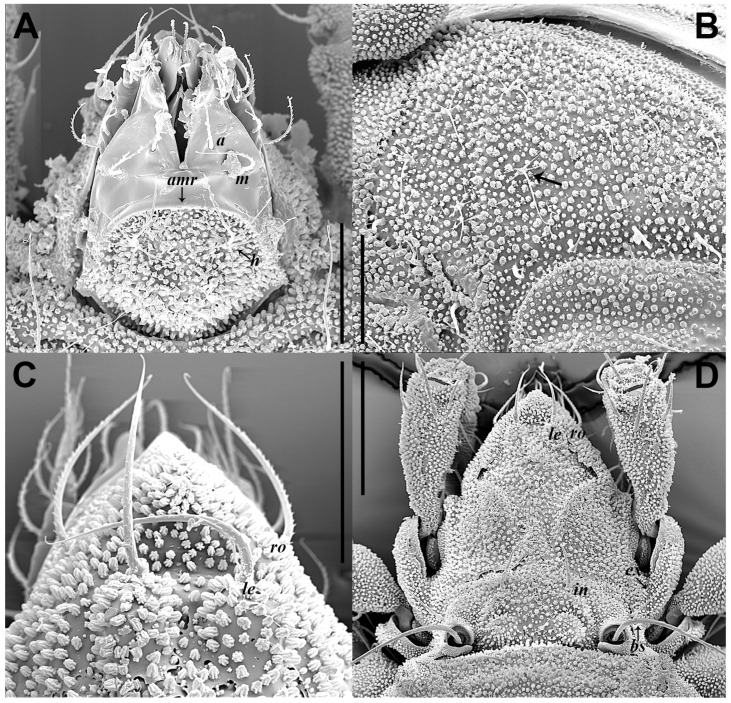 Figure 1
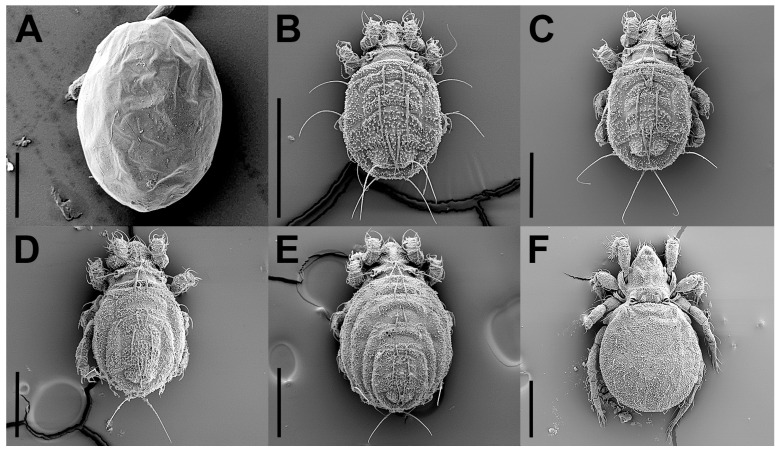 Figure 2
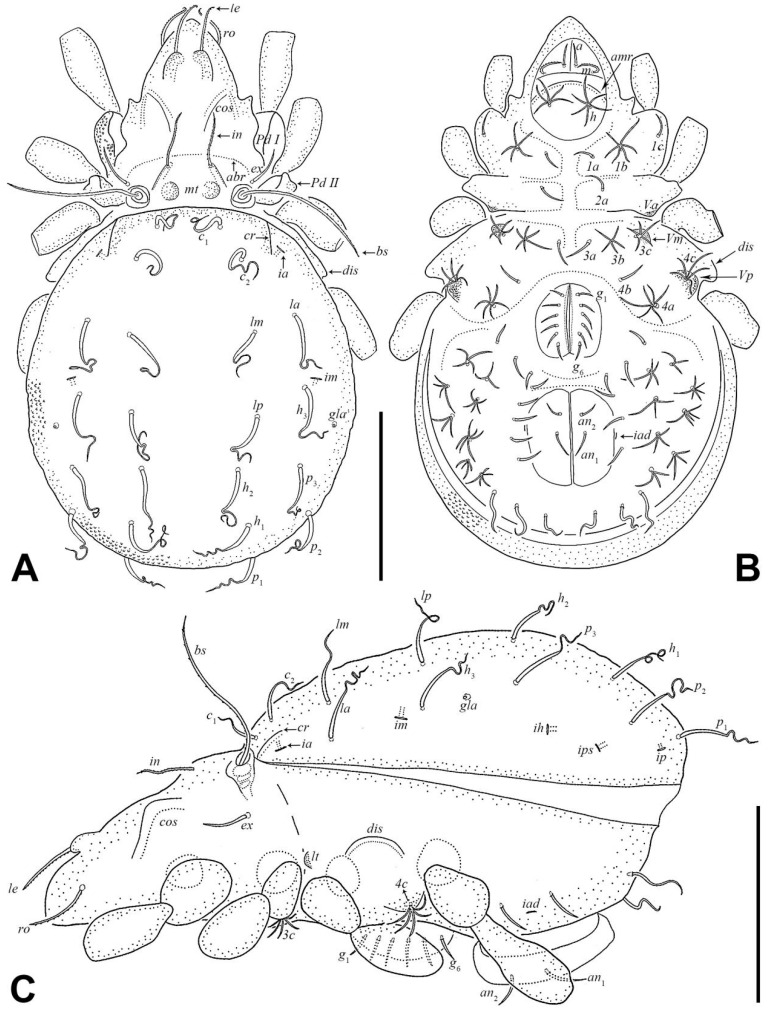 Figure 3
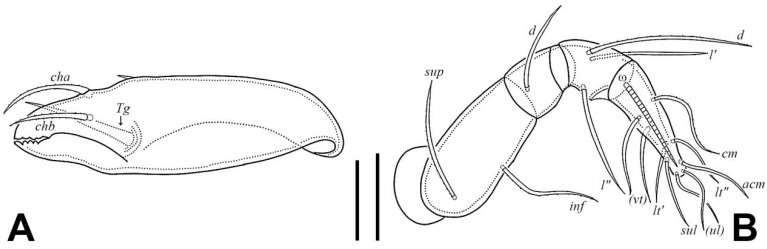 Figure 4
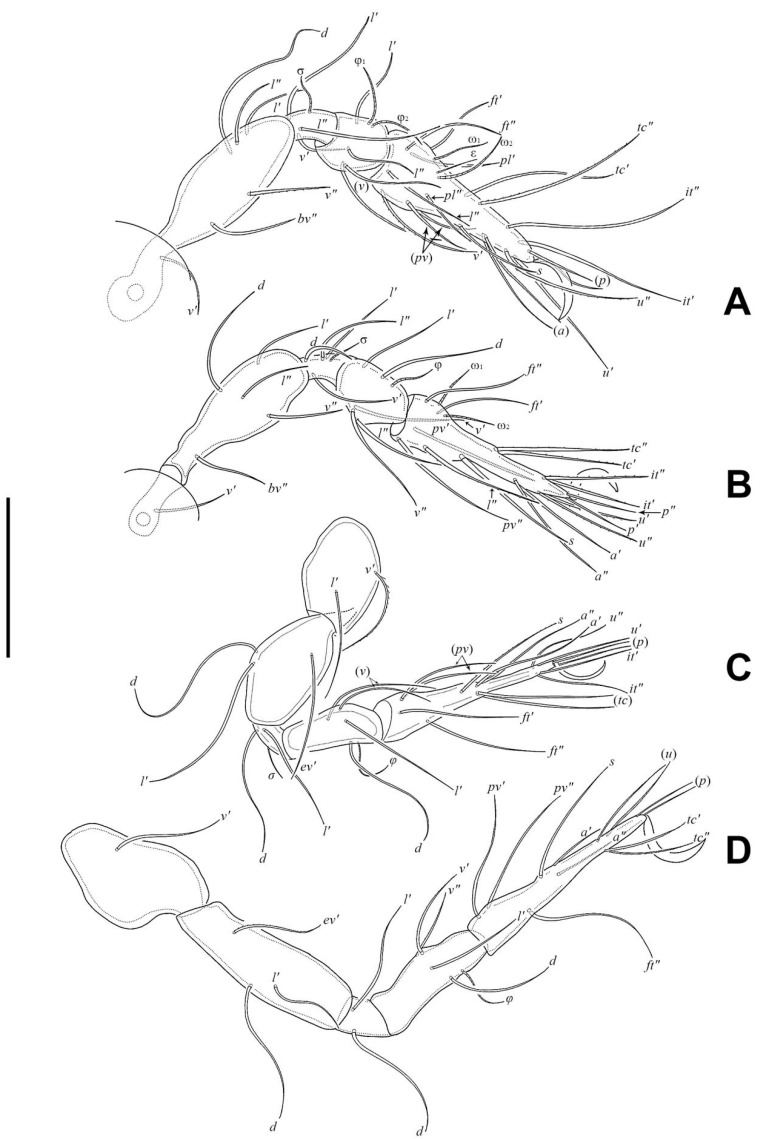 Figure 5
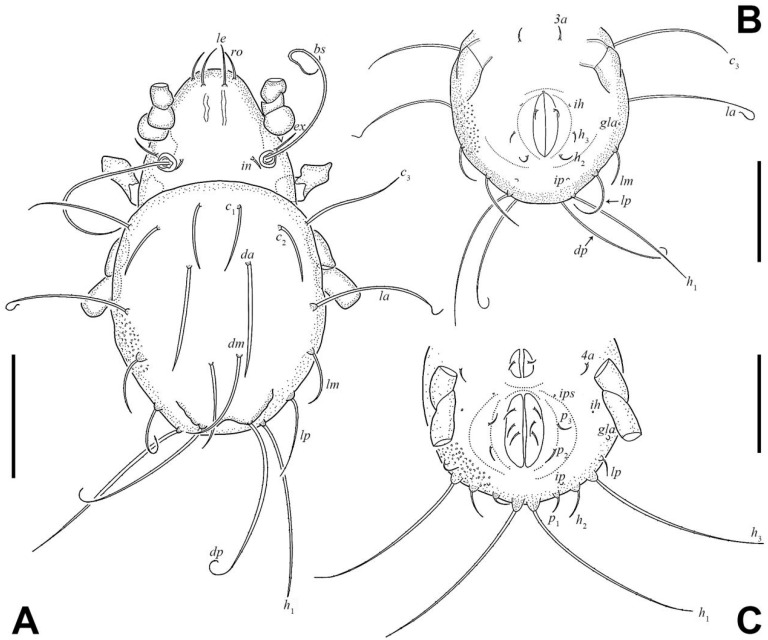 Figure 6
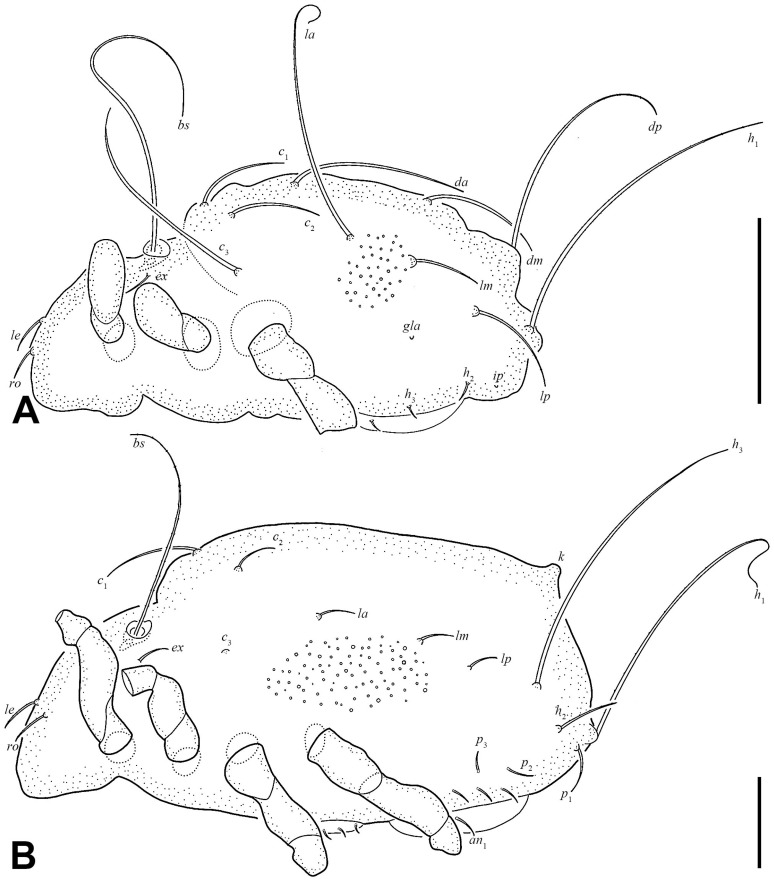 Figure 7
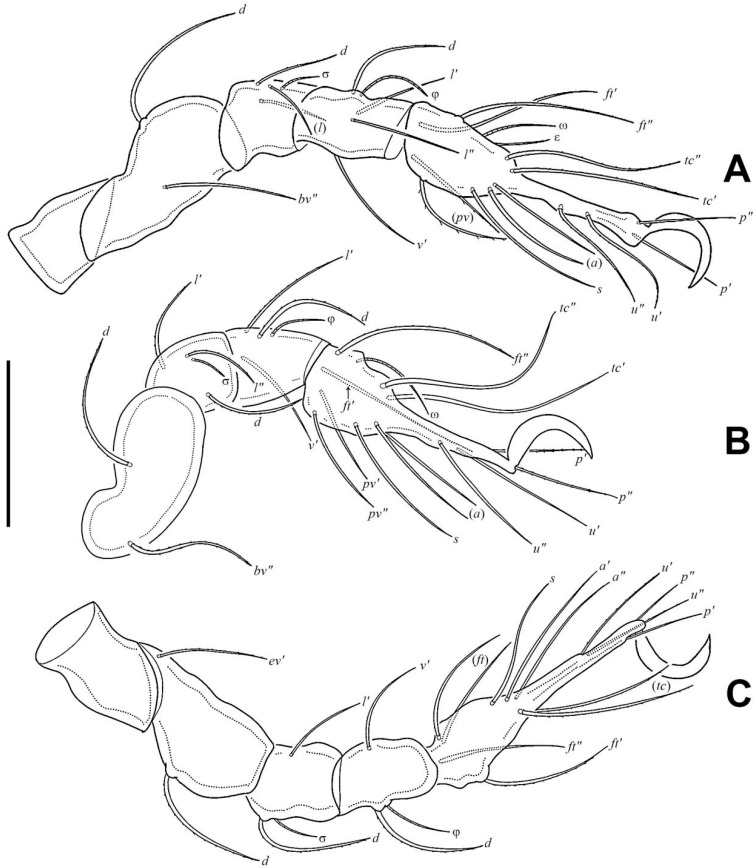 Figure 8
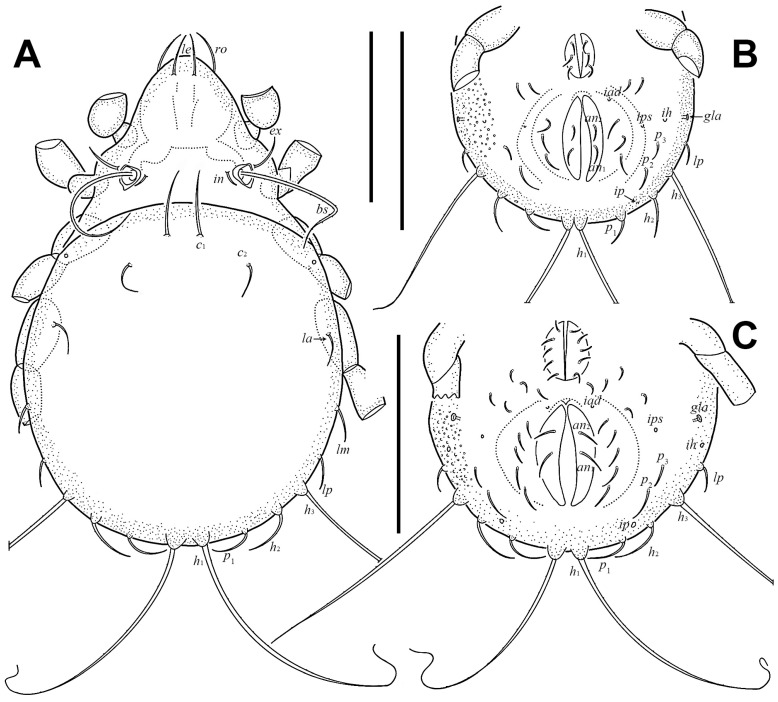 Figure 9
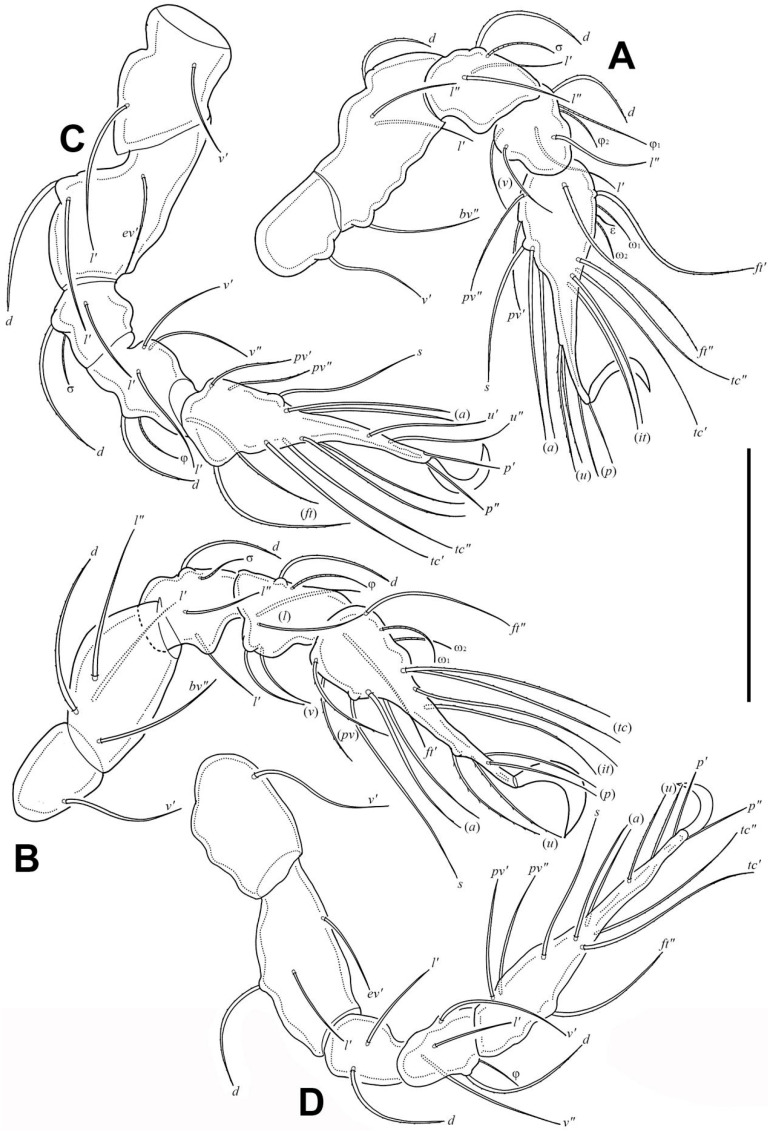 Figure 10
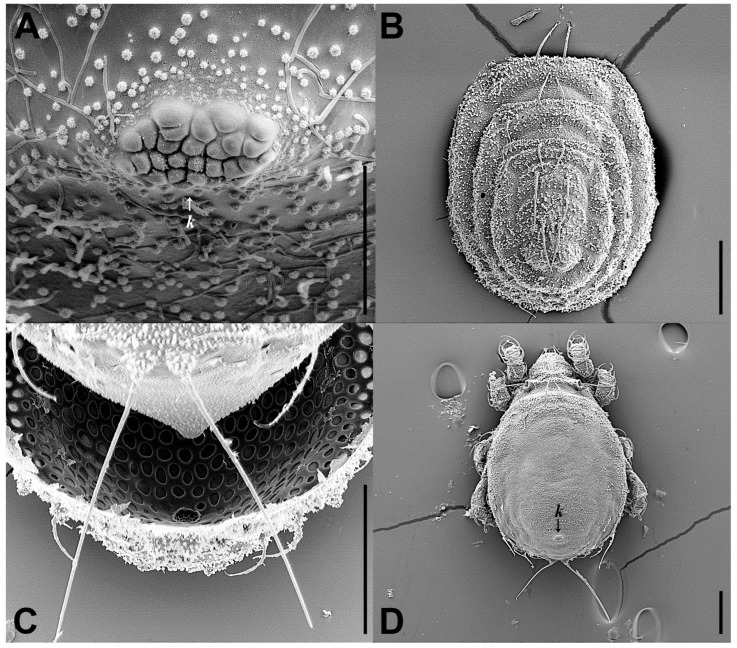 Figure 11
Peer Reviews
No public reviews on file for this paper yet. If you reviewed it on a platform where reviews are public (OpenReview, ICLR, NeurIPS, ICML), you can paste yours below so the community can read it here.
Videos
No videos yet. Explain this paper in a talk, walkthrough, or lecture? Add one.
Taxonomy
TopicsStudy of Mite Species · Mollusks and Parasites Studies · Insect-Plant Interactions and Control