Venom-Derived Proteins from Lonomia obliqua Modulate Cytoskeletal Regulators and Inflammatory Responses in Human Chondrocytes
Miryam Paola Alvarez-Flores, Amanda Teixeira de Melo, Renata Nascimento Gomes, Thatiana Corrêa de Melo, Douglas Souza Oliveira, Marcelo Medina de Souza, Carlos DeOcesano-Pereira, Mauricio Barbugiani Goldfeder, Fernanda Faria, Ana Marisa Chudzinski-Tavassi

TL;DR
Venom proteins from Lonomia obliqua affect chondrocyte cytoskeleton and inflammation, suggesting potential for osteoarthritis treatment.
Contribution
Demonstrates that Lonomia obliqua venom proteins modulate cytoskeletal regulators and inflammation in chondrocytes.
Findings
LOCBE and rLOPAP induce IL-6 and IL-8 secretion but at lower levels than IL-1β.
LOCBE reduces β-catenin, RhoA, and Rab9 expression without affecting NF-κB p65 translocation.
rLOSAC decreases RhoA and Rac-1 expression while increasing membrane-associated β-catenin.
Abstract
Osteoarthritis (OA) is a degenerative joint disease characterized by progressive cartilage loss, extracellular matrix degradation, chondrocyte apoptosis, and elevated inflammatory mediators. Chondrocytes respond to IL-1β and other inflammatory signals by secreting cytokines and activating transcriptional pathways that perpetuate inflammation. Because current therapies do not prevent OA progression, bioactive compounds with cytoprotective and immunomodulatory activity are of considerable interest. Lonomia obliqua bristle extract (LOCBE) and its recombinant proteins rLOPAP and rLOSAC exhibit cytoprotective, proliferative, and antioxidant effects in mammalian cells, as well as the ability to influence cytoskeletal dynamics. Given the importance of Rac-1, RhoA, Rab9, and β-catenin in chondrocyte function and cartilage homeostasis, we evaluated LOCBE, rLOPAP, and rLOSAC in human chondrocytes…
Genes, proteins, chemicals, diseases, species, mutations and cell lines named across the full text — each resolved to its canonical identifier and authoritative record.
Click any figure to enlarge with its caption.
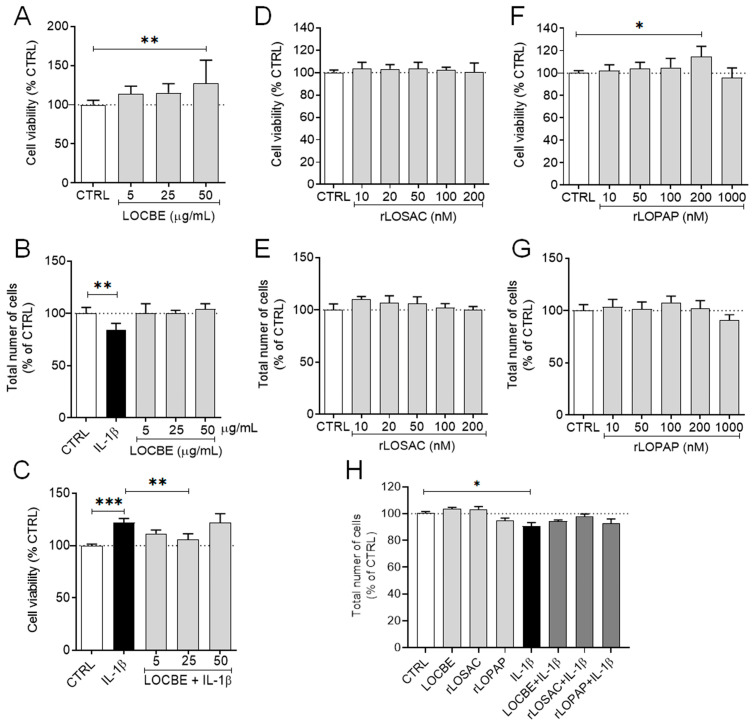 Figure 1
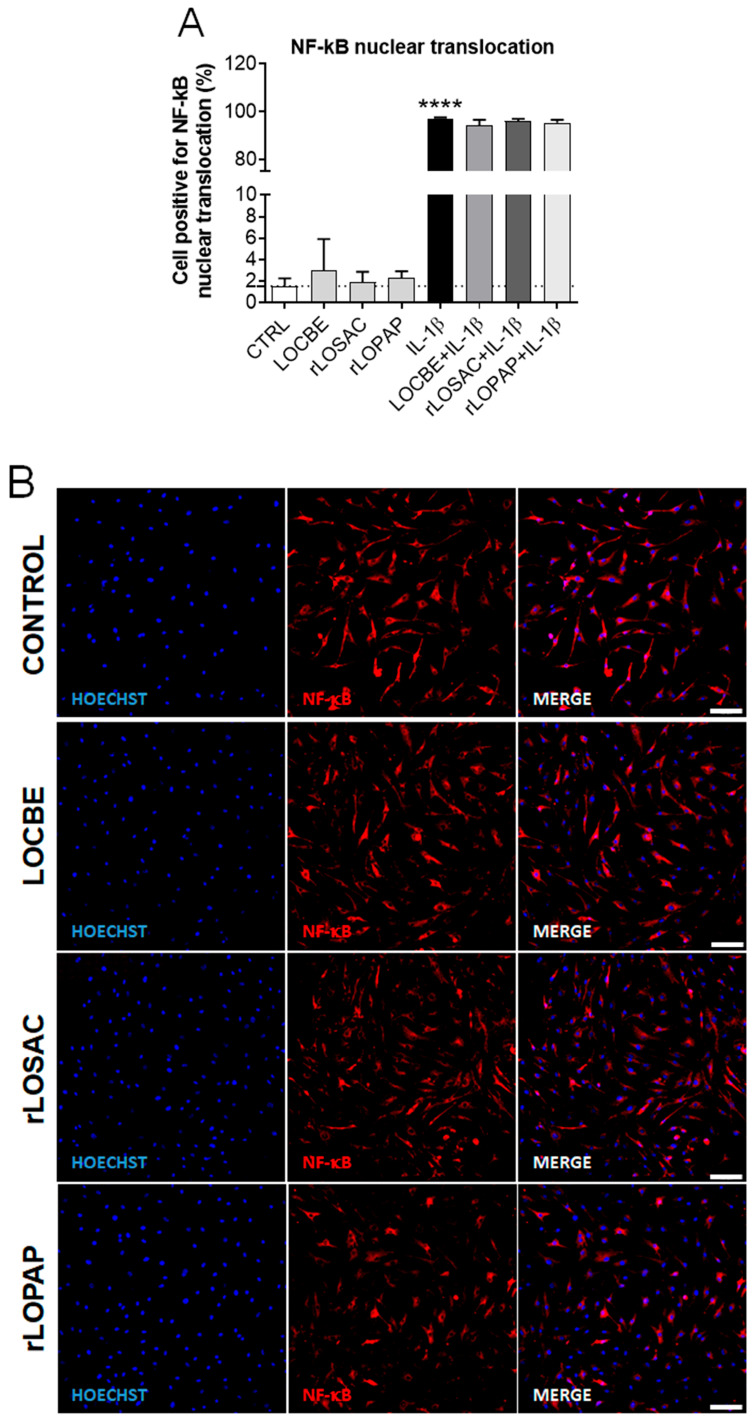 Figure 2
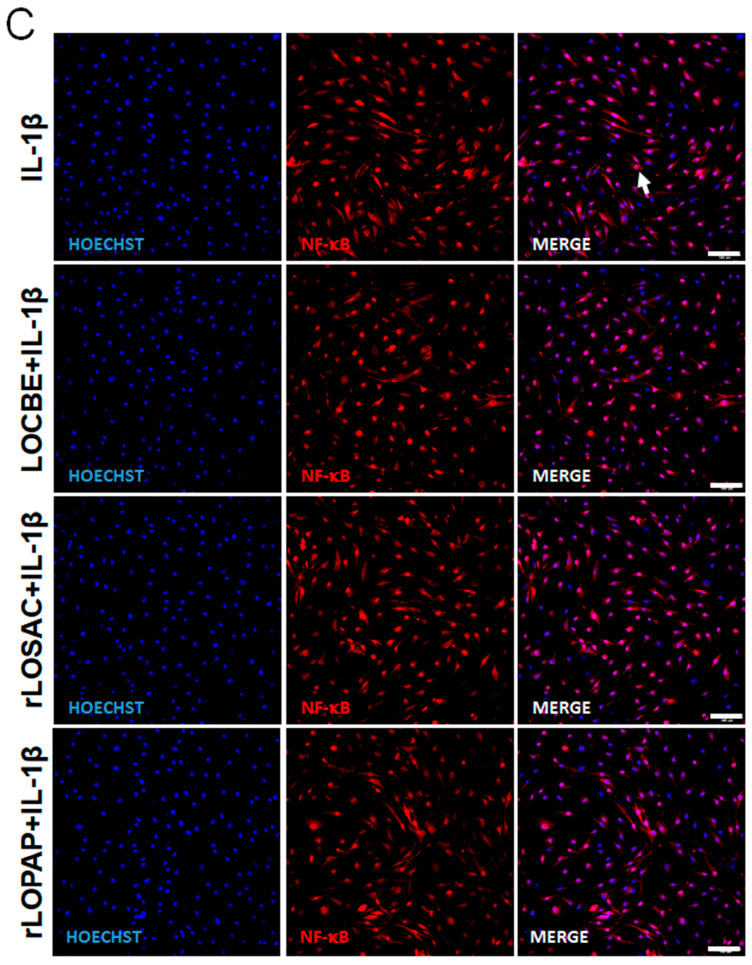 Figure 3
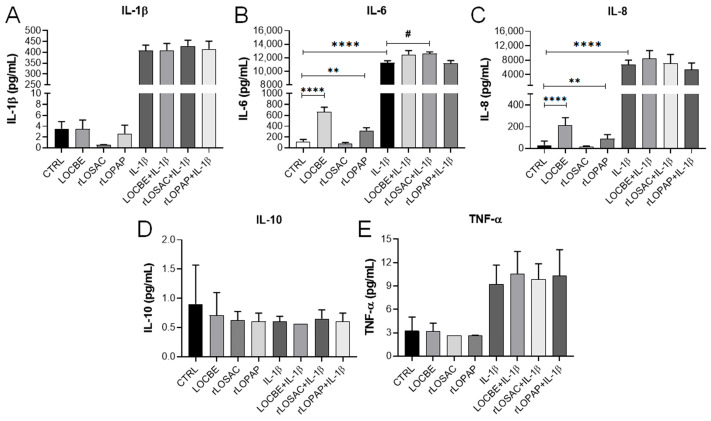 Figure 4
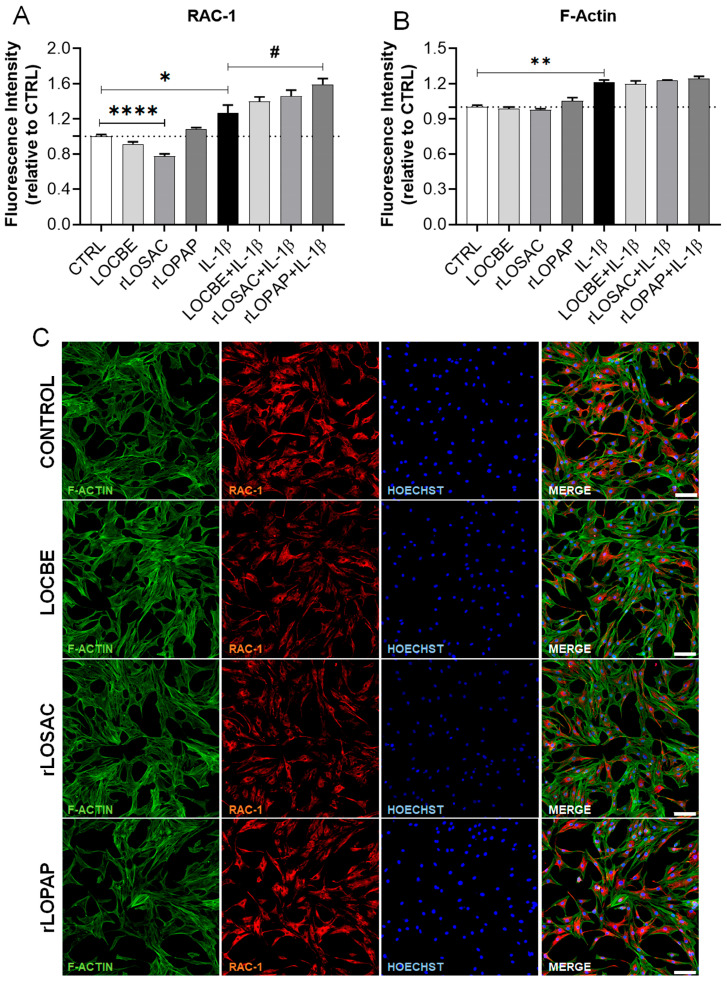 Figure 5
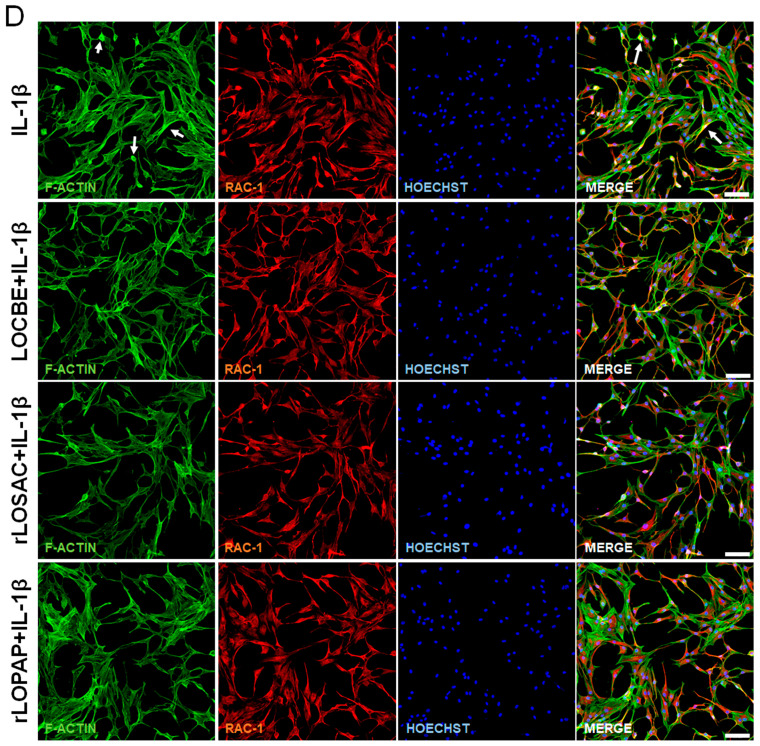 Figure 6
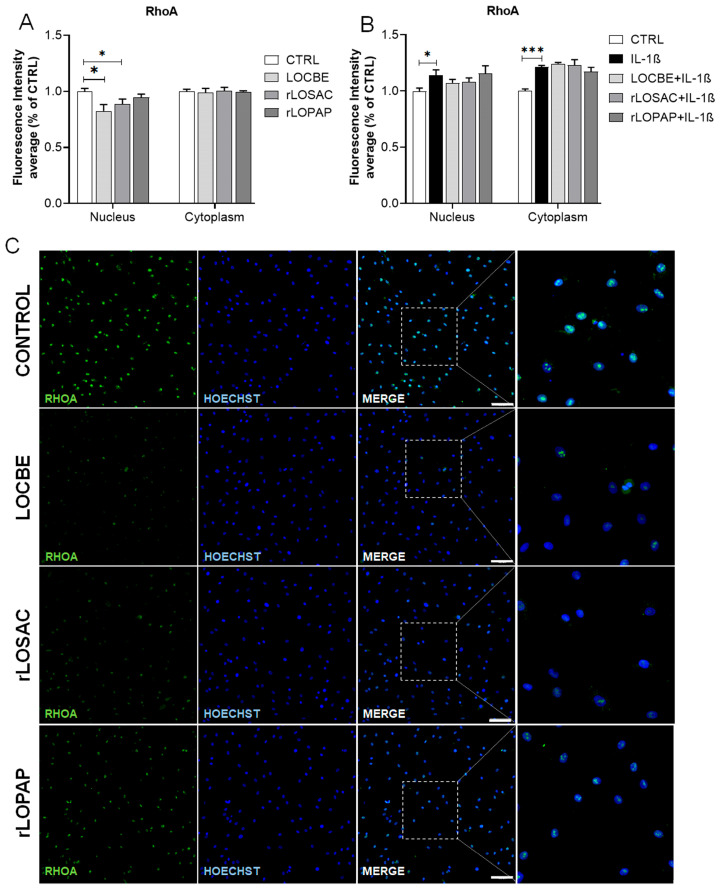 Figure 7
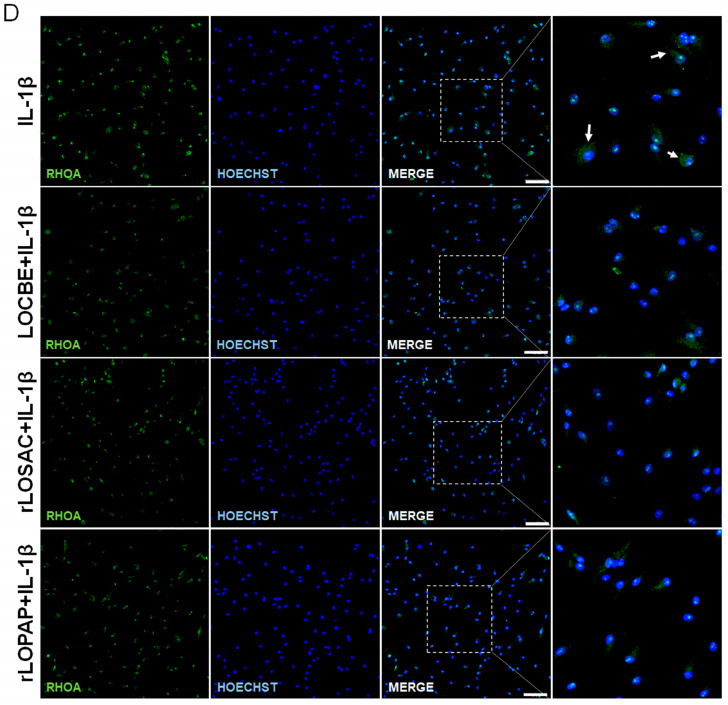 Figure 8
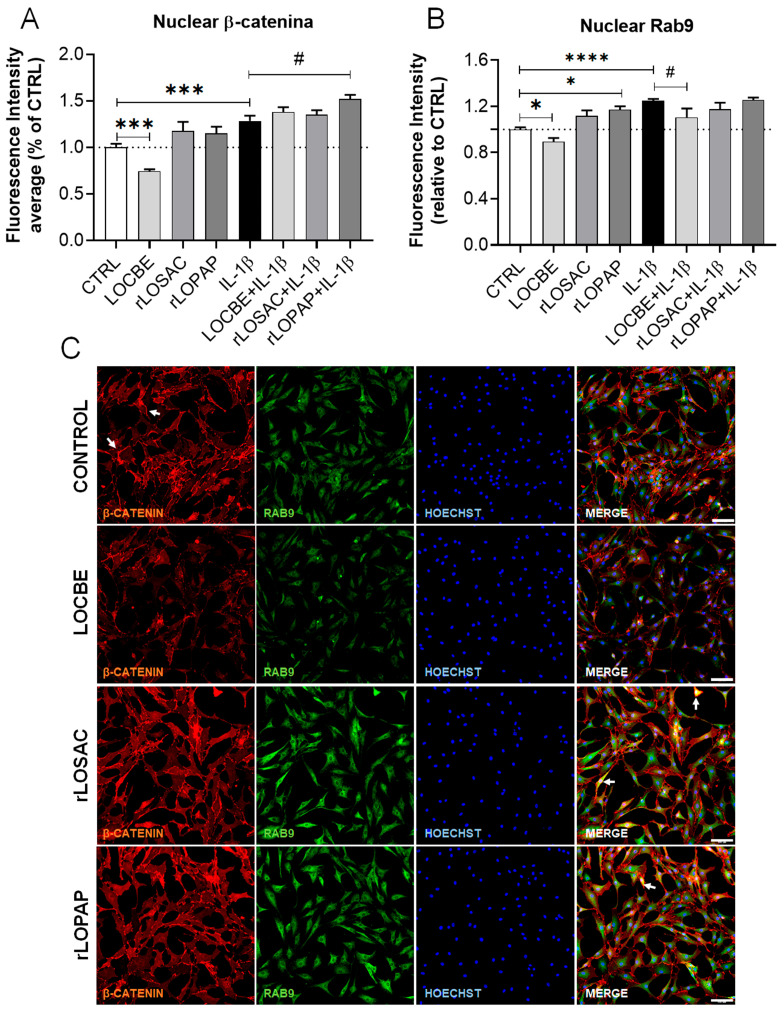 Figure 9
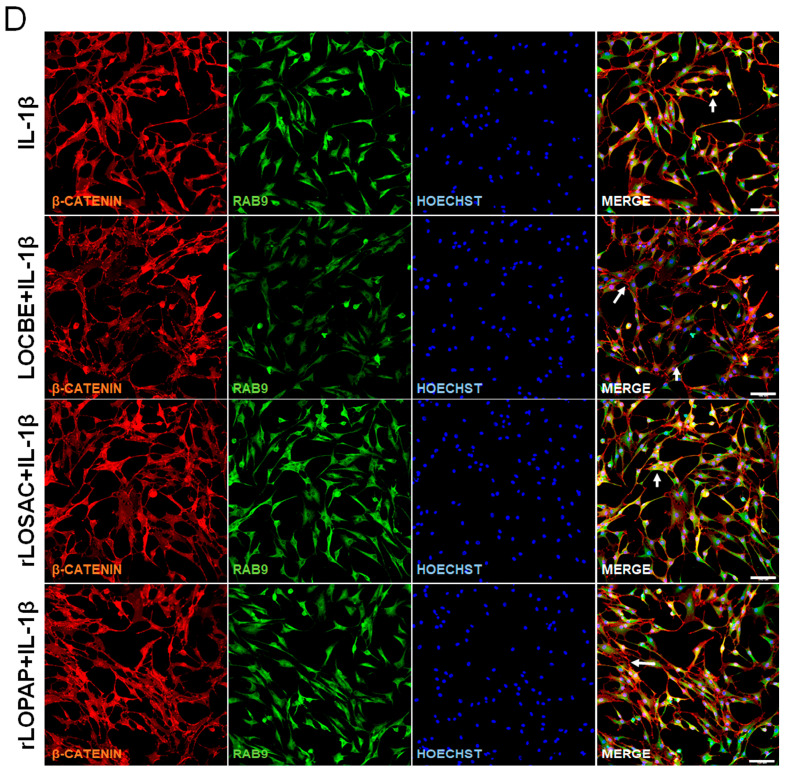 Figure 10
Peer Reviews
No public reviews on file for this paper yet. If you reviewed it on a platform where reviews are public (OpenReview, ICLR, NeurIPS, ICML), you can paste yours below so the community can read it here.
Videos
No videos yet. Explain this paper in a talk, walkthrough, or lecture? Add one.
Taxonomy
TopicsEntomological Studies and Ecology · Pharmacological Effects of Medicinal Plants · Osteoarthritis Treatment and Mechanisms