Hippo and Wnt as Early Initiators: Integrated Multi-Omics Reveals the Signaling Basis for Corona-Induced Diapause Termination in Silkworm
Quan Sun, Xinghui Liu, Guizheng Zhang, Xinxiang Chen, Wenxin Xie, Pingyang Wang, Xia Wang, Qiuying Cui, Yuli Zhang

TL;DR
This study identifies the Hippo and Wnt signaling pathways as early initiators in breaking developmental arrest in silkworm eggs after corona treatment, offering new insights for improving silk production.
Contribution
The study reveals Hippo and Wnt pathways as the earliest molecular responders to corona treatment, preceding the previously known FoxO pathway in diapause termination.
Findings
Hippo and Wnt signaling pathways are activated within 1 hour of corona treatment in silkworm eggs.
The Hippo pathway includes immediate-early genes and late-phase effector genes coordinating cell cycle re-entry.
The Wnt pathway is rapidly initiated with sustained upregulation of Notum and Pontin52, promoting developmental resumption.
Abstract
Embryonic diapause in silkworm eggs is a state of developmental arrest that challenges year-round silk production. Although physical treatments such as corona discharge can break diapause, the early molecular events remain unclear. In this study, we used transcriptomic and proteomic approaches to analyze silkworm eggs within 48 h after corona treatment. We found that the Hippo and Wnt signaling pathways are activated as early as 1 h post-treatment, earlier than the previously reported FoxO pathway. These pathways appear to coordinate cell cycle re-entry and developmental resumption. Our findings suggest that Hippo and Wnt act as initial responders in converting a physical stimulus into a developmental signal, offering new insights for improving silkworm breeding efficiency. Embryonic diapause, a state of developmental arrest in silkworm (Bombyx mori) eggs, poses a challenge for…
Genes, proteins, chemicals, diseases, species, mutations and cell lines named across the full text — each resolved to its canonical identifier and authoritative record.
Click any figure to enlarge with its caption.
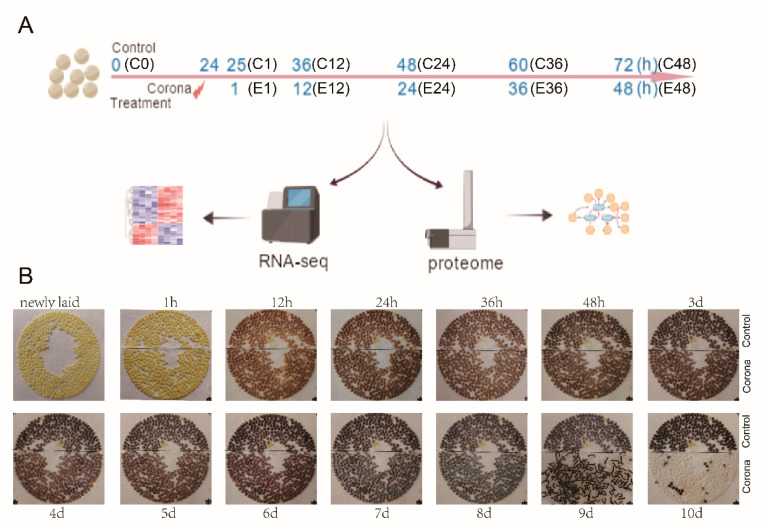 Figure 1
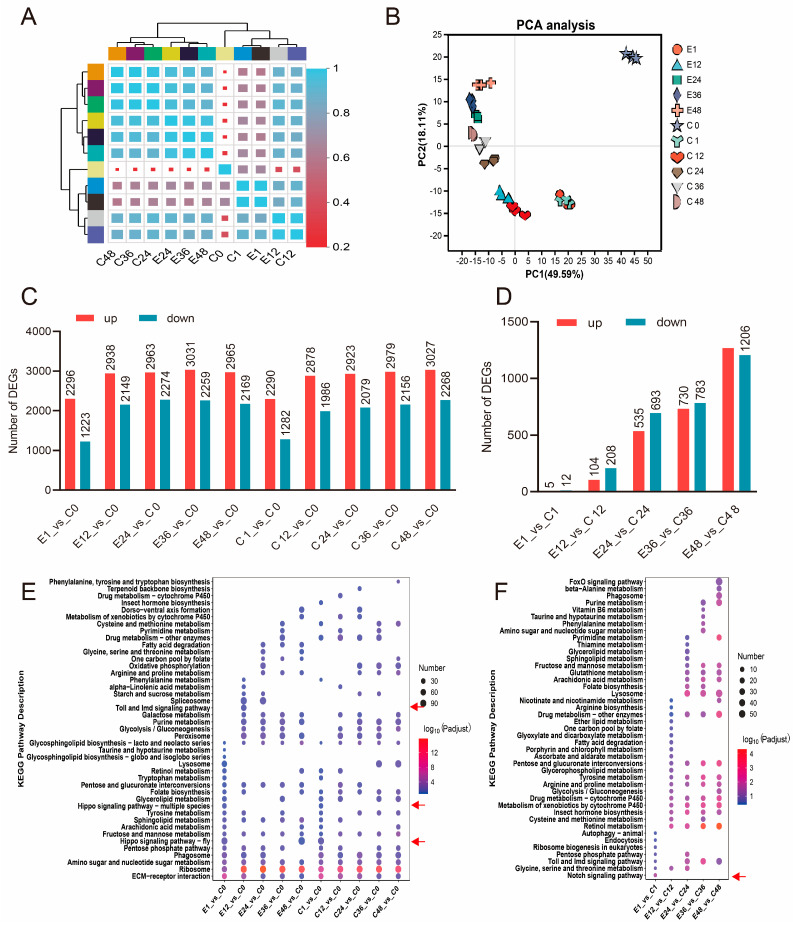 Figure 2
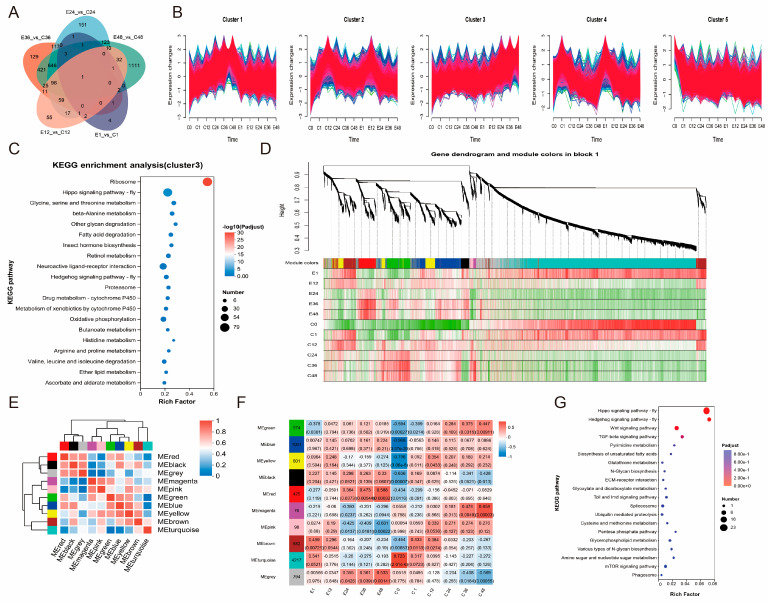 Figure 3
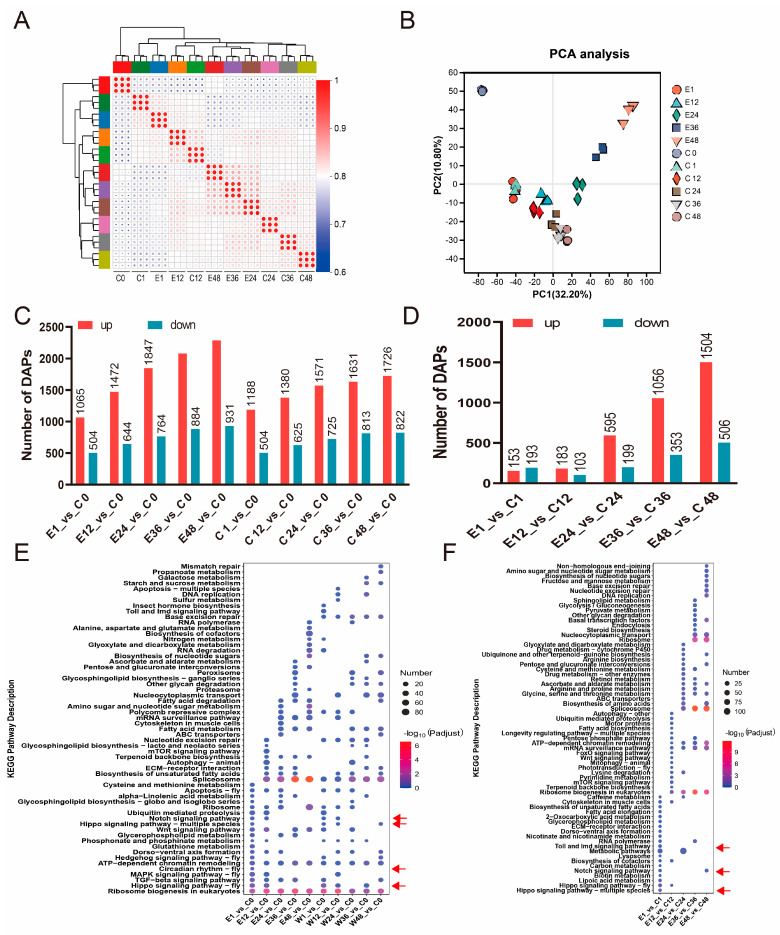 Figure 4
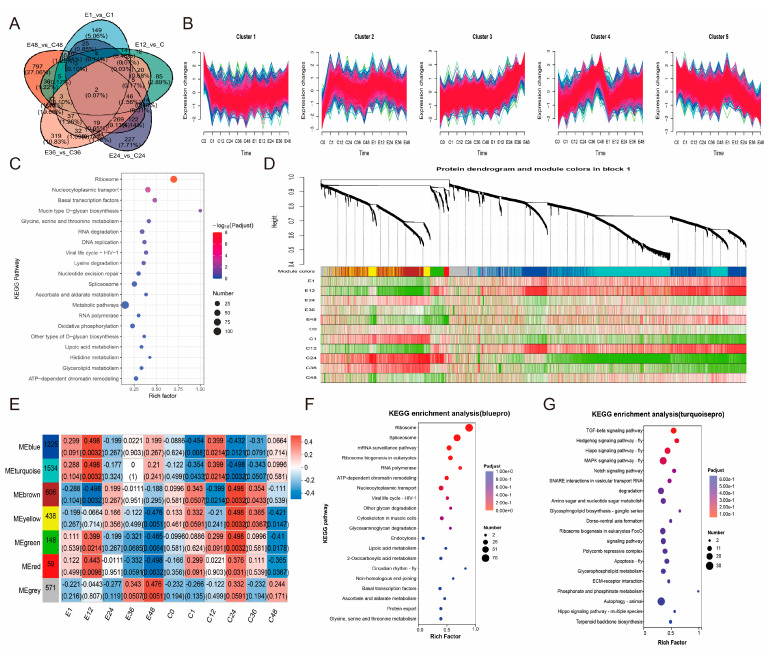 Figure 5
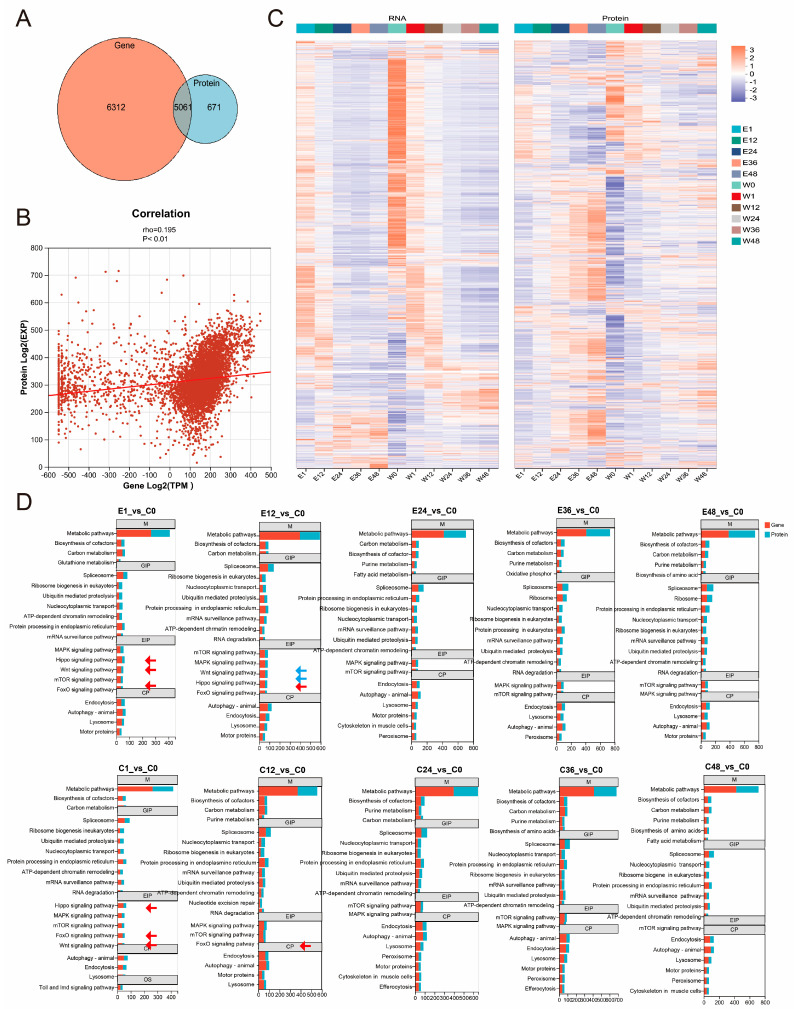 Figure 6
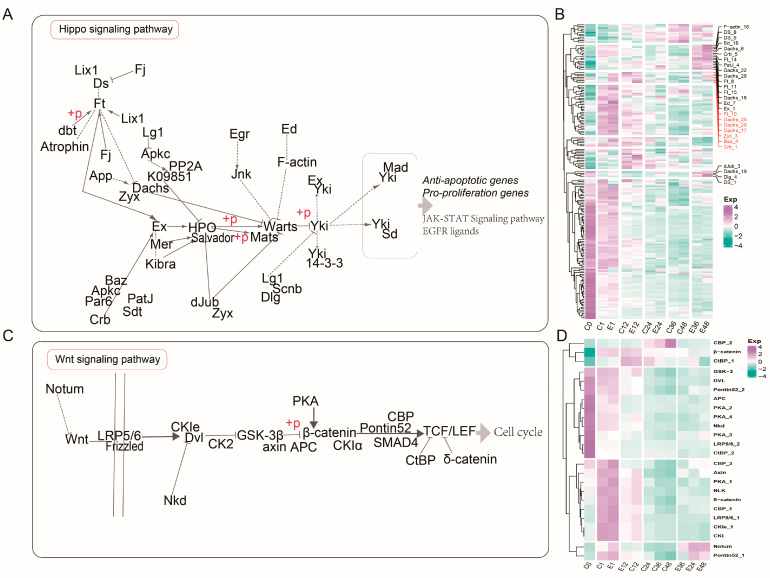 Figure 7
Peer Reviews
No public reviews on file for this paper yet. If you reviewed it on a platform where reviews are public (OpenReview, ICLR, NeurIPS, ICML), you can paste yours below so the community can read it here.
Videos
No videos yet. Explain this paper in a talk, walkthrough, or lecture? Add one.
Taxonomy
TopicsSilk-based biomaterials and applications · Developmental Biology and Gene Regulation · Hippo pathway signaling and YAP/TAZ