The Impact of CT Imaging on the Diagnosis of Fragility Fractures of the Pelvis: An Observational Prospective Multicenter Study
Michał Kułakowski, Karol Elster, Wojciech Iluk, Dawid Pacek, Tomasz Gieroba, Michał Wojciechowski, Łukasz Pruffer, Magdalena Krupka, Jarosław Witkowski, Magdalena Grzonkowska, Mariusz Baumgart

TL;DR
This study shows that CT scans are better than X-rays for diagnosing complex pelvic fractures in the elderly, which can help improve patient outcomes.
Contribution
The study demonstrates the critical role of CT imaging in detecting posterior ring fractures missed by X-rays in fragility pelvic fractures.
Findings
CT scans detected posterior ring fractures in 60.6% of cases, which X-rays failed to identify.
Patients with Nakatani II and III fractures had the most significant drops in hemoglobin levels.
The overall mortality rate was 13.13%, with higher rates in more complex fracture types.
Abstract
Background/Objectives: Fragility fractures of the pelvis (FFPs) are a significant concern in the elderly population, often leading to severe morbidity and mortality. This study aims to evaluate the diagnostic challenges, clinical outcomes, and mortality rates associated with FFPs in patients referred to multiple hospitals. Methods: A total of 99 patients with suspected pelvic fragility fractures were enrolled between January 2023 and June 2025. Initial diagnoses were made using plain X-rays, with computed tomography (CT) utilized to assess posterior ring fractures. Data on demographics, fracture types according to the Fragility Fracture of the Pelvis (FFP) Classification, hemoglobin levels, and mortality rates were collected and analyzed. Results: The findings revealed that while plain X-rays identified only anterior pelvic ring fractures, CT scans detected posterior ring fractures in…
Genes, proteins, chemicals, diseases, species, mutations and cell lines named across the full text — each resolved to its canonical identifier and authoritative record.
Click any figure to enlarge with its caption.
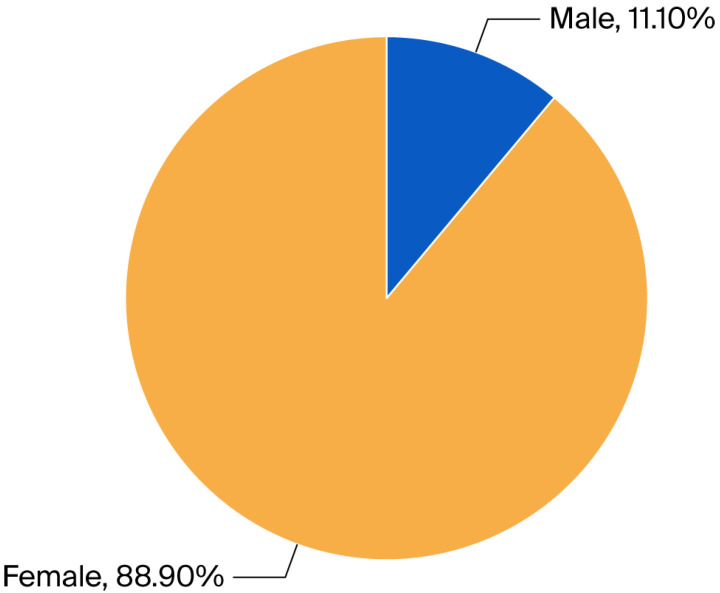 Figure 1
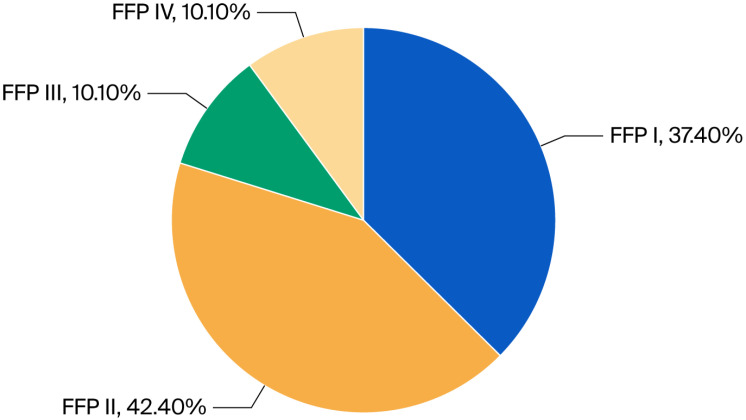 Figure 2
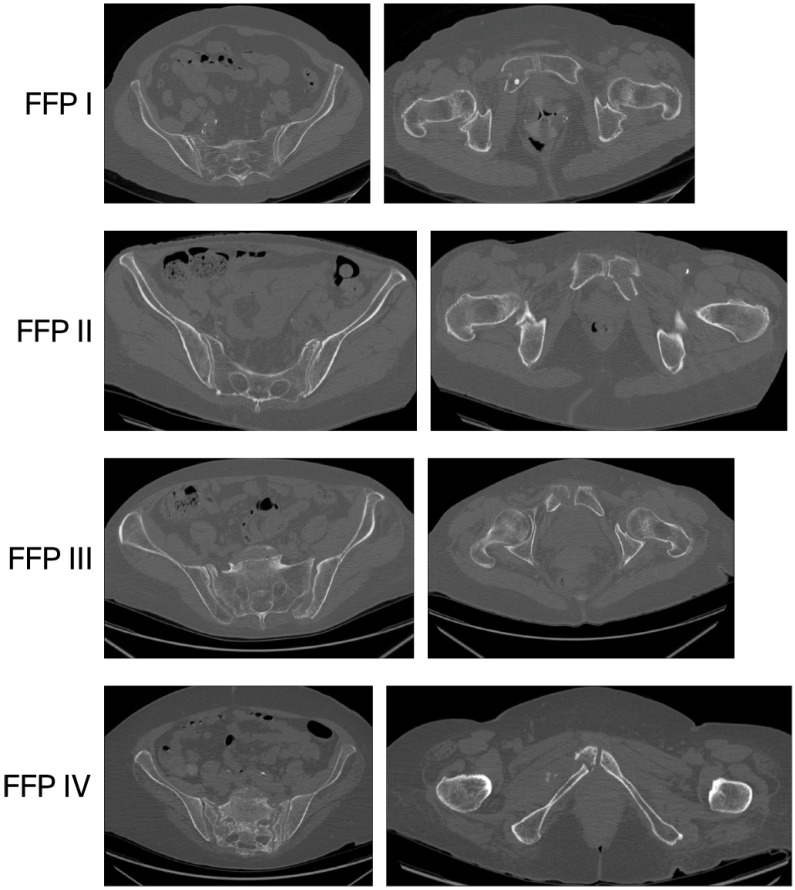 Figure 3
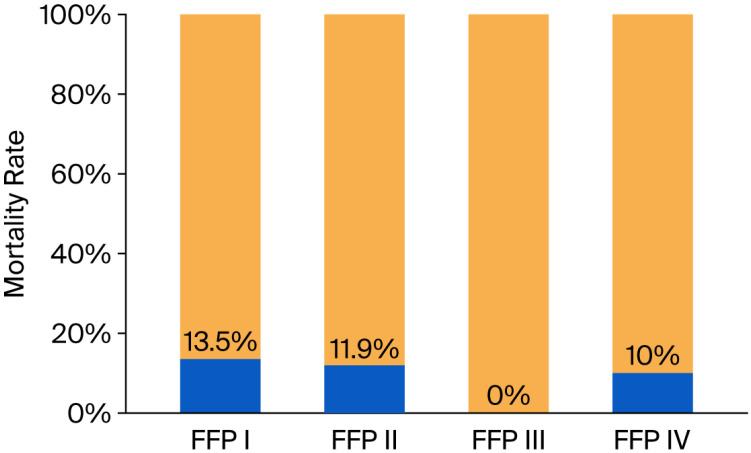 Figure 4
Peer Reviews
No public reviews on file for this paper yet. If you reviewed it on a platform where reviews are public (OpenReview, ICLR, NeurIPS, ICML), you can paste yours below so the community can read it here.
Videos
No videos yet. Explain this paper in a talk, walkthrough, or lecture? Add one.
Taxonomy
TopicsPelvic and Acetabular Injuries · Hip and Femur Fractures · Urological Disorders and Treatments