Effect of Bladder Injections of Botulinum Neurotoxin A on Biomarkers Associated with Inflammation and Urinary Infections in Patients with Neurogenic Detrusor Overactivity-Associated Incontinence: A Pilot, Prospective, Human Study
Sotirios Gatsos, Elena Constantinou, Dimitrios Koutsoumparis, Michael Samarinas, Konstantinos Drosos, Maria Papaioannou, Andigoni Malousi, Eudoxia G. Hatzivassiliou, Apostolos Apostolidis

TL;DR
This study shows that botulinum toxin injections in the bladder reduce inflammation and urinary tract infections in patients with neurogenic bladder overactivity.
Contribution
The study is the first to show that BoNT/A injections reduce specific inflammatory biomarkers and UTIs in NDO patients.
Findings
BoNT/A injections reduced TLR2, TLR5, IL1β, and IL6 mRNA levels in urine over time.
UTI incidence and positive urine cultures decreased after BoNT/A treatment.
Inflammation markers PGE2, IL1β, and IL6 increased at clinical relapse alongside UTIs.
Abstract
Conflicting data exist regarding the effect of intradetrusor BoNT/A on the incidence of urinary tract infections (UTIs) in patients with neurogenic detrusor overactivity (NDO), contrary to the increase in UTIs noted in patients with idiopathic OAB. Associations between UTIs, chronic inflammation, and bladder overactivity are acknowledged, albeit not fully understood. Chronic bladder inflammation is common in both NDO and OAB patients, and both animal and human studies suggest a beneficial effect of BoNT/A on both urinary and systemic levels of inflammatory markers. To explore whether intradetrusor BoNT/A injections affect the background for the incidence of UTIs in humans, we investigated in parallel the effect of intradetrusor BoNT/A on the incidence of UTIs and on the urine mRNA levels of urinary pathogen-detecting Toll-like receptors TLR2, TLR4, and TLR5 and of factors acting as…
Genes, proteins, chemicals, diseases, species, mutations and cell lines named across the full text — each resolved to its canonical identifier and authoritative record.
Click any figure to enlarge with its caption.
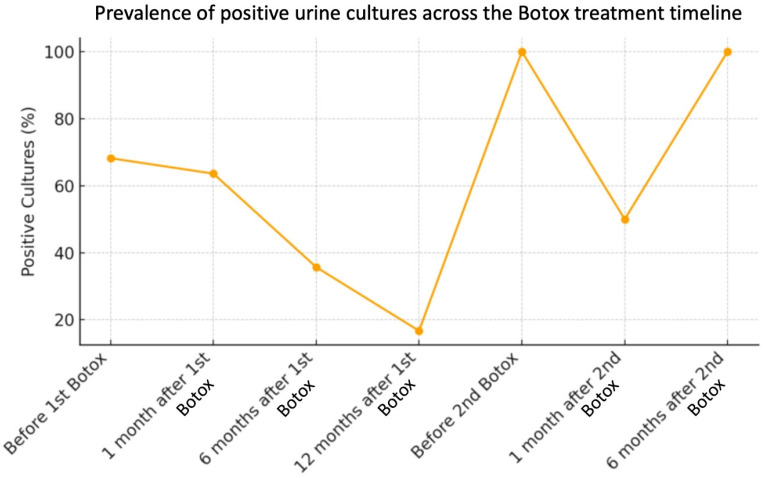 Figure 1
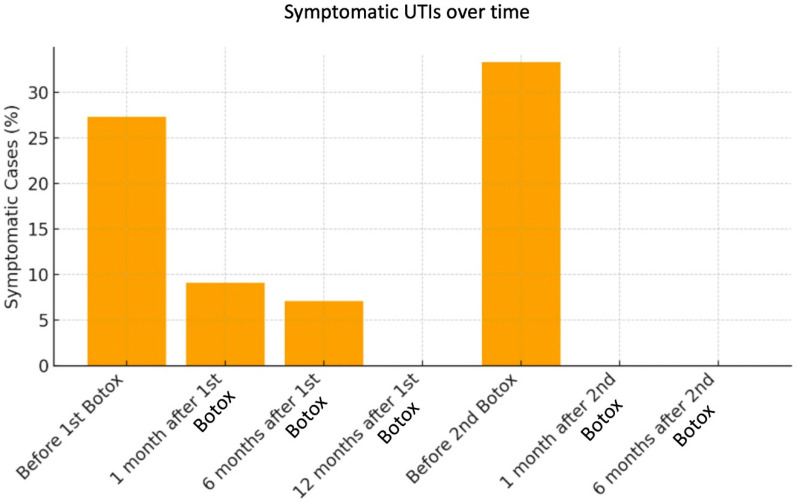 Figure 2
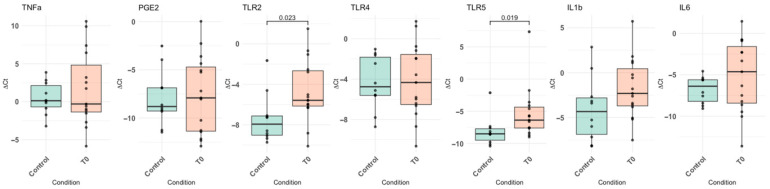 Figure 3
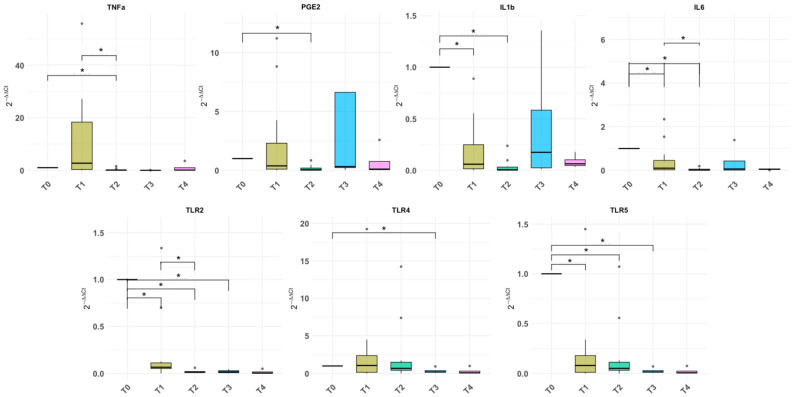 Figure 4
Peer Reviews
No public reviews on file for this paper yet. If you reviewed it on a platform where reviews are public (OpenReview, ICLR, NeurIPS, ICML), you can paste yours below so the community can read it here.
Videos
No videos yet. Explain this paper in a talk, walkthrough, or lecture? Add one.
Taxonomy
TopicsUrinary Bladder and Prostate Research · Pelvic floor disorders treatments · Urological Disorders and Treatments