Further Evidence for the Immunosuppressive Activity of Transmembrane Envelope Protein p15E of Porcine Endogenous Retrovirus
Joachim Denner, Reinhard Schwinzer, Claudia Pokoyski, Benedikt B. Kaufer, Björn Dierkes, Jinzhao Ban, Lovlesh Lovlesh

TL;DR
This study shows that a protein from a pig retrovirus can suppress immune responses, suggesting it could be used in xenotransplantation to avoid immune rejection.
Contribution
The novel finding is that the PERV transmembrane envelope protein p15E exhibits immunosuppressive activity in human immune cells.
Findings
p15E-expressing cells modulate cytokine expression in human PBMCs, including IL-6, IL-10, and others.
p15E reduces MHC class I expression and may protect against cellular cytotoxicity.
Higher p15E levels in PERV-producing cells lead to more pronounced immunosuppressive effects.
Abstract
Retroviruses are immunosuppressive, and there is evidence that a highly conserved immunosuppressive domain (isu domain) in their transmembrane envelope protein contributes to this activity. Studies have shown that inactivated retroviruses, their purified transmembrane envelope proteins, and synthetic peptides corresponding to the isu domain inhibit mitogen-triggered proliferation of peripheral blood mononuclear cells (PBMCs) and modulate their cytokine and gene expression. This has been demonstrated for human immunodeficiency virus type 1 (HIV-1), as well as for beta- and gammaretroviruses and for both exogenous and endogenous retroviruses, including syncytins. In the case of HIV-1, homopolymers of its isu peptide stimulated an increased release of IL-10, IL-6, and other cytokines from human PBMCs. Up-regulated genes included IL-6, IL-8, and IL-10, as well as MMP-1, TREM-1, and IL-1β.…
Genes, proteins, chemicals, diseases, species, mutations and cell lines named across the full text — each resolved to its canonical identifier and authoritative record.
Click any figure to enlarge with its caption.
 Figure 1
 Figure 2
 Figure 3
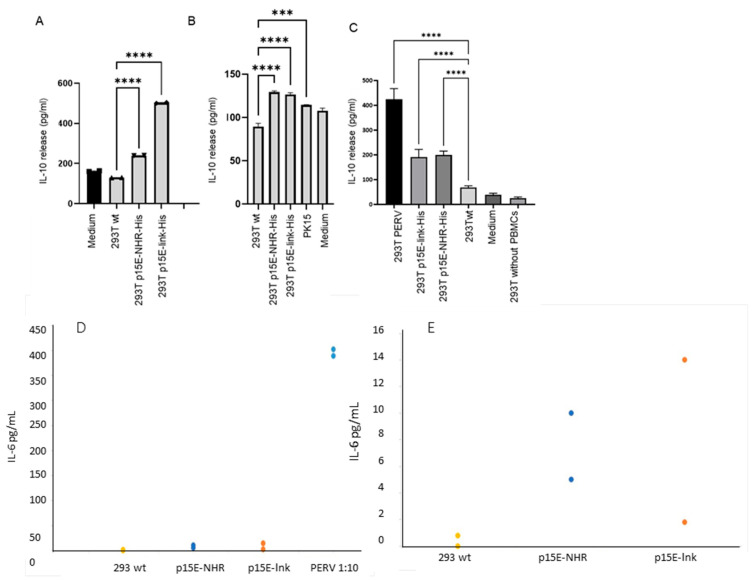 Figure 4
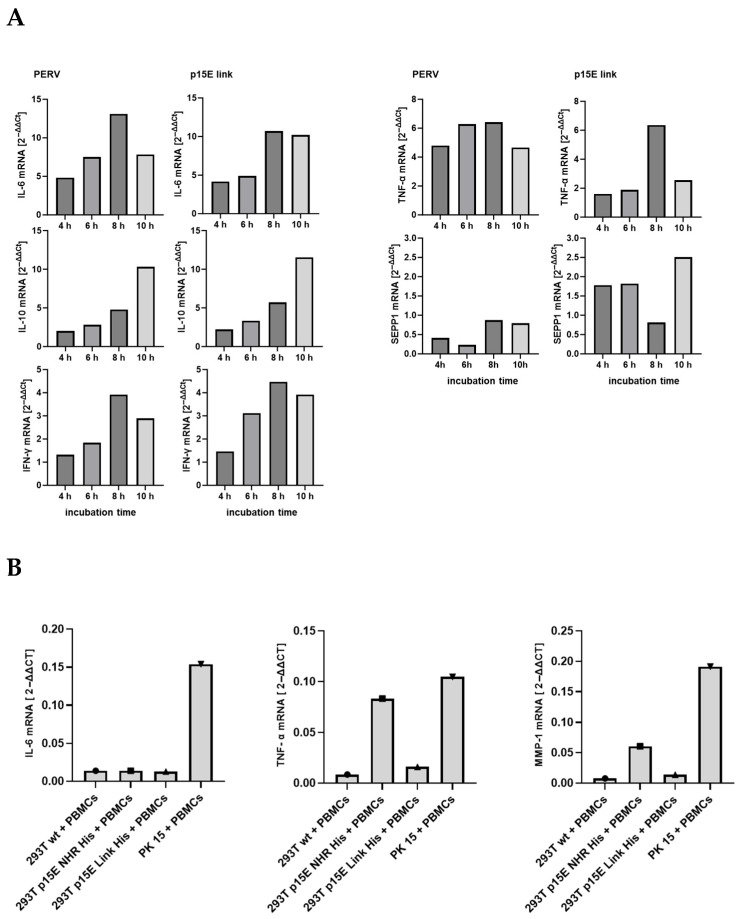 Figure 5
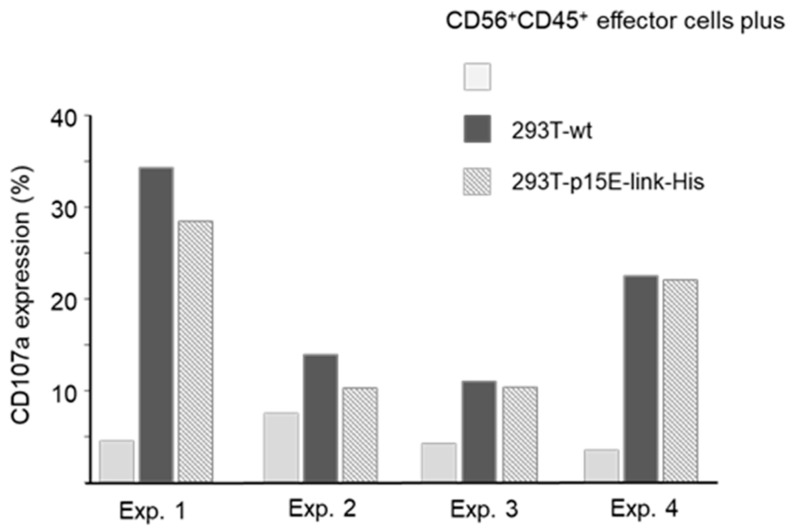 Figure 6
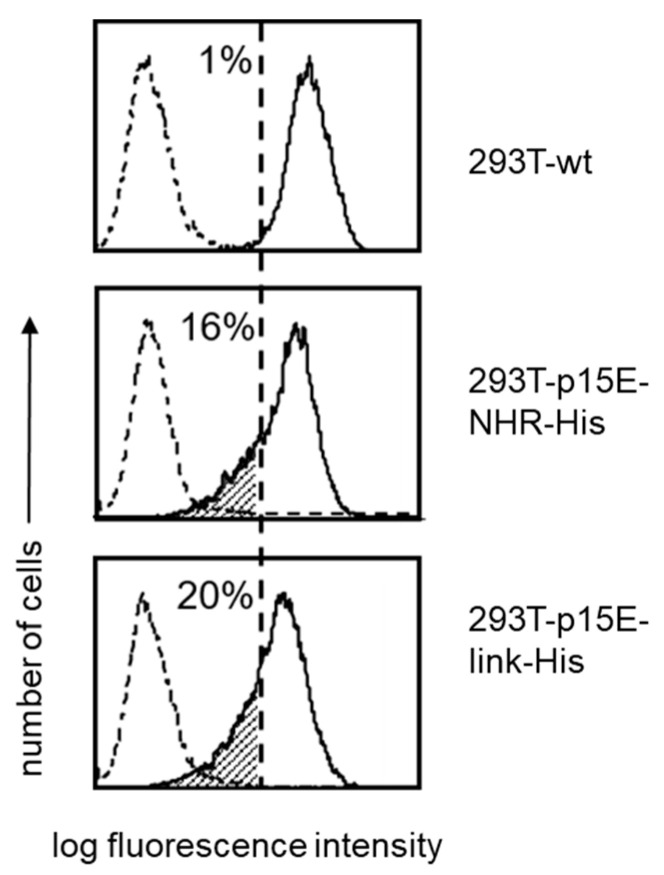 Figure 7
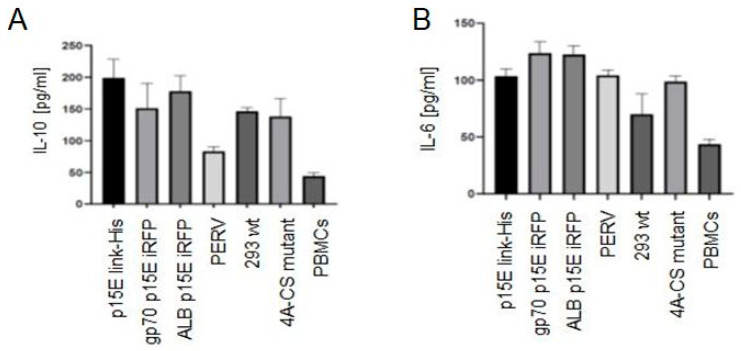 Figure 8
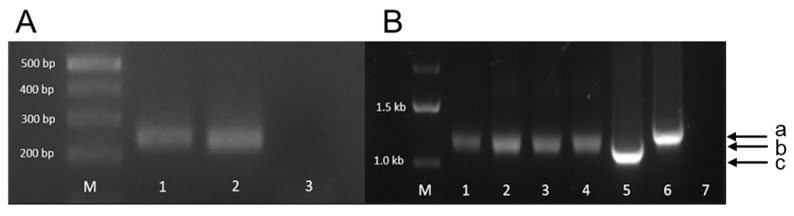 Figure 9
 Figure 10
Peer Reviews
No public reviews on file for this paper yet. If you reviewed it on a platform where reviews are public (OpenReview, ICLR, NeurIPS, ICML), you can paste yours below so the community can read it here.
Videos
No videos yet. Explain this paper in a talk, walkthrough, or lecture? Add one.
Taxonomy
TopicsHIV Research and Treatment · Immunotherapy and Immune Responses · Animal Virus Infections Studies