Large Language Model-Assisted Point-in-Time Interpretation of Advanced Hemodynamics in Liver Transplant Recipients: A Pilot Evaluation of Content Quality and Safety
Selma Kahyaoglu, Abdullah Kaygisiz, Izzet Alatli, Ayse Isik Boyaci, Emre Aray, Serkan Tulgar, Deniz Balci

TL;DR
This study explores how well ChatGPT can interpret complex hemodynamic data during liver transplants, finding it generally reliable with few safety concerns.
Contribution
The study introduces a novel evaluation framework for assessing LLMs in interpreting advanced hemodynamic monitoring during liver transplantation.
Findings
ChatGPT showed high performance in interpreting hemodynamic data across multiple quality domains.
Only a small subset of responses received lower scores, typically during abrupt physiological changes.
The ARQuAT framework demonstrated strong internal consistency but modest inter-rater agreement.
Abstract
Background: Large language models (LLMs) are increasingly used in clinical medicine, yet their ability to interpret advanced intraoperative hemodynamic monitoring—particularly in the context of liver transplantation—remains largely unexplored. In this proof-of-concept study, we evaluated ChatGPT’s capacity to interpret multimodal hemodynamic data derived from both standard anesthesia monitoring and the PiCCO system. The study also employed a structured assessment instrument (ARQuAT), adapted through a Delphi-based process to evaluate LLM-generated clinical interpretations. Methods: Ten key surgical–hemodynamic phases of liver transplantation were identified using a modified Delphi approach to capture the major physiological transitions of the procedure. Sequential screenshots representing these phases were obtained from five liver transplant recipients, yielding a total of 50 images.…
Genes, proteins, chemicals, diseases, species, mutations and cell lines named across the full text — each resolved to its canonical identifier and authoritative record.
Click any figure to enlarge with its caption.
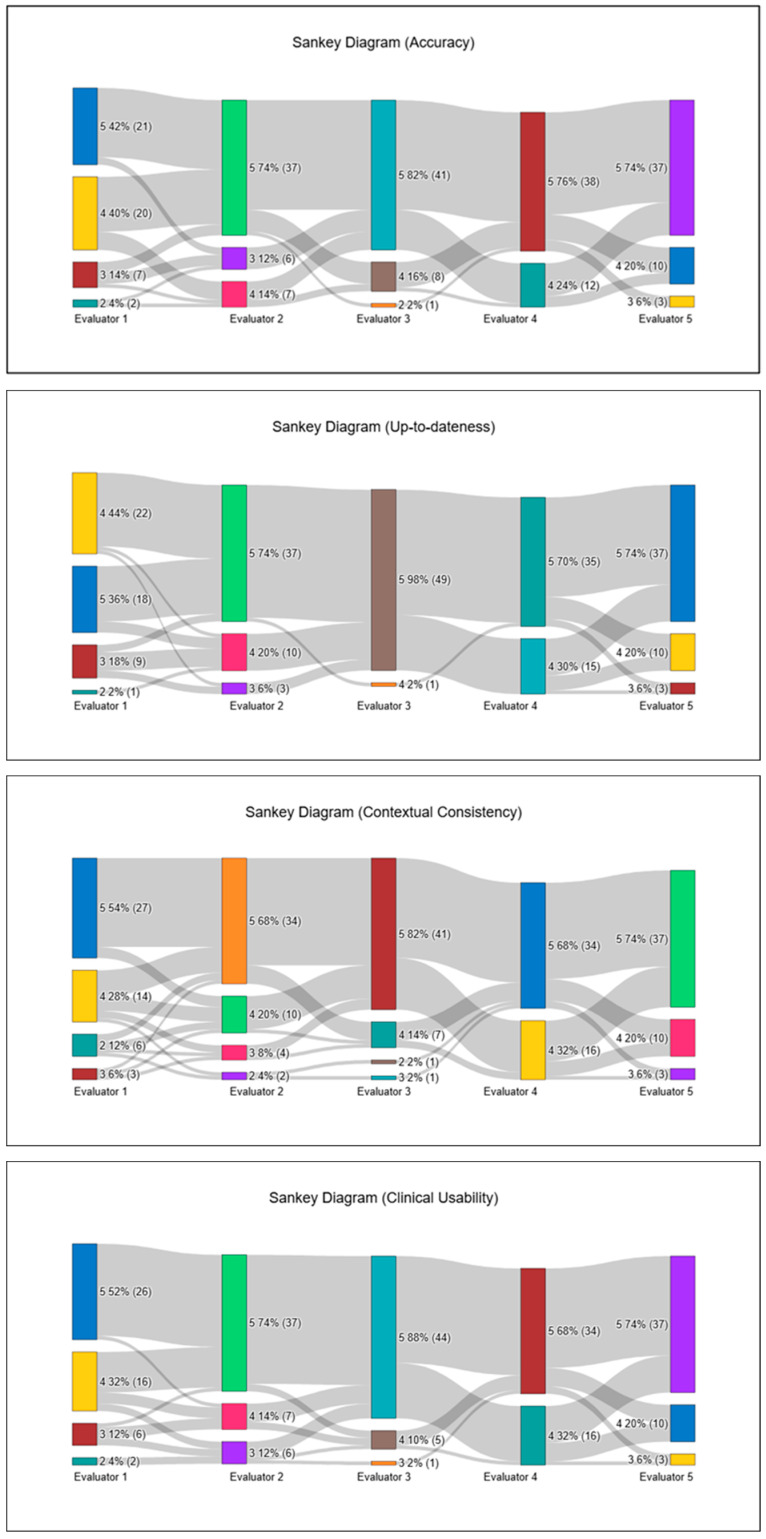 Figure 1
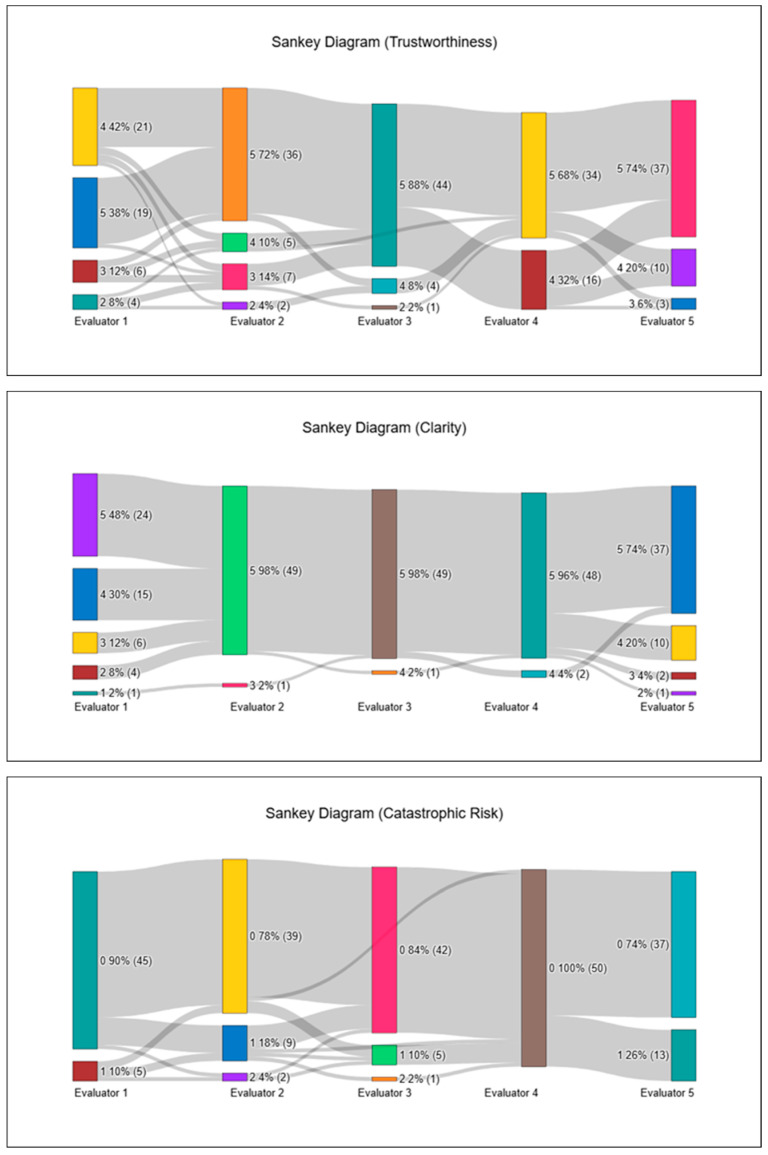 Figure 2
Peer Reviews
No public reviews on file for this paper yet. If you reviewed it on a platform where reviews are public (OpenReview, ICLR, NeurIPS, ICML), you can paste yours below so the community can read it here.
Videos
No videos yet. Explain this paper in a talk, walkthrough, or lecture? Add one.
Taxonomy
TopicsArtificial Intelligence in Healthcare and Education · Hemodynamic Monitoring and Therapy · Simulation-Based Education in Healthcare