Antiprotozoal Potential of Cultivated Geranium macrorrhizum Against Giardia duodenalis, Trichomonas gallinae and Leishmania infantum
Sara Marcos-Herraiz, María José Irisarri-Gutiérrez, Javier Carrión, Iris Azami Conesa, Rodrigo Suárez Lombao, Juliana Navarro-Rocha, Jose Francisco Quilez del Moral, Alejandro Fernández Barrero, Eneko Ochoa Larrigan, Azucena González-Coloma, María Teresa Gómez-Muñoz, María Bailén

TL;DR
This study explores the antiprotozoal potential of Geranium macrorrhizum essential oils, showing strong activity against certain parasites like Trichomonas gallinae and Leishmania infantum.
Contribution
The study is the first to evaluate the antiprotozoal activity of G. macrorrhizum from controlled cultivation, identifying germacrone as a key bioactive compound.
Findings
Essential oils from G. macrorrhizum showed strong antiparasitic activity against Trichomonas gallinae and Leishmania infantum.
Germacrone, a compound in the essential oils, exhibited strong and selective antiparasitic activity.
The essential oils caused distinct morphological changes in parasites, different from conventional drugs.
Abstract
Plant-derived natural products are an invaluable source of structurally diverse secondary metabolites with ecological and pharmacological significance. Geranium macrorrhizum, a species known for producing essential oils rich in monoterpenoids and sesquiterpenes, has been scarcely explored for its antiparasitic potential. This study represents the first comprehensive evaluation of the antiprotozoal activity of G. macrorrhizum obtained from cultivated plants. Plant material was produced under controlled greenhouse cultivation systems, ensuring high-quality and reproducible metabolite profiles. Essential oils were obtained through hydrodistillation and chemically characterized by Gas Chromatography-Mass Spectrometry (GC–MS). In vitro assays were conducted against Giardia duodenalis, Trichomonas gallinae, and Leishmania infantum to assess antiparasitic efficacy and cytotoxicity. The results…
Genes, proteins, chemicals, diseases, species, mutations and cell lines named across the full text — each resolved to its canonical identifier and authoritative record.
Click any figure to enlarge with its caption.
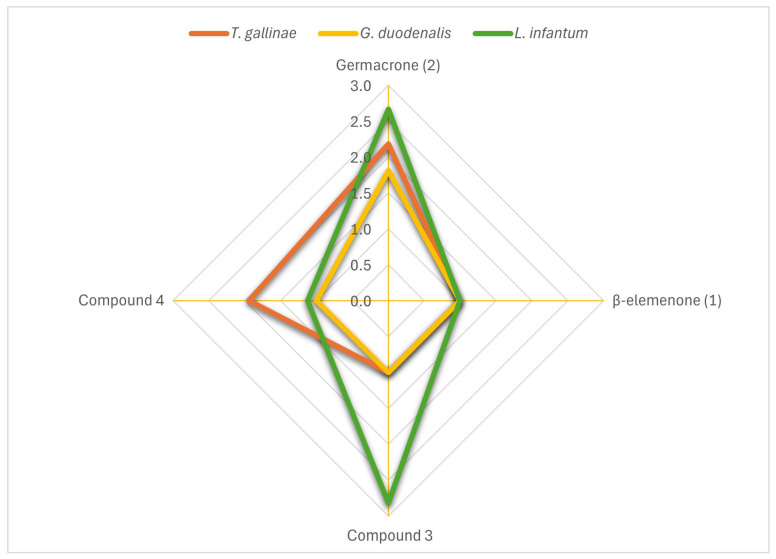 Figure 1
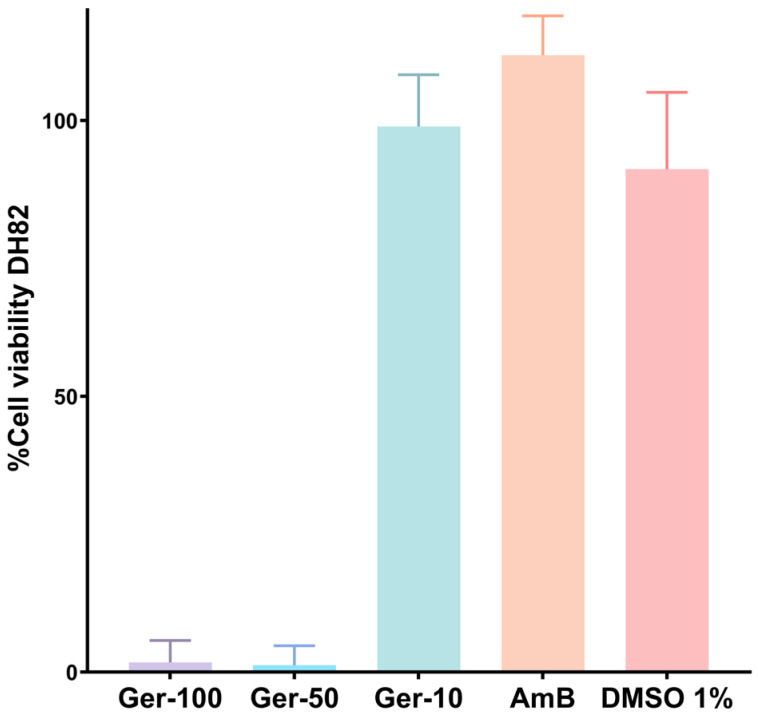 Figure 2
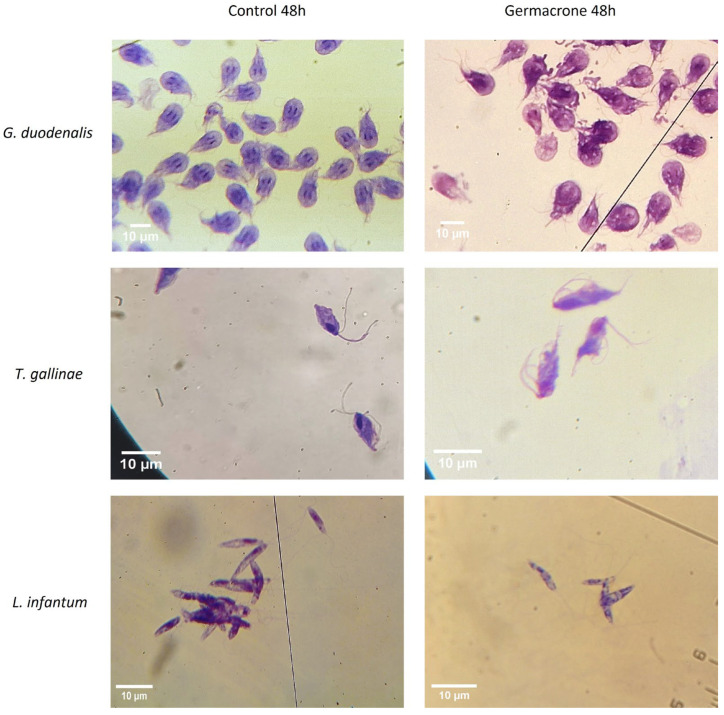 Figure 3
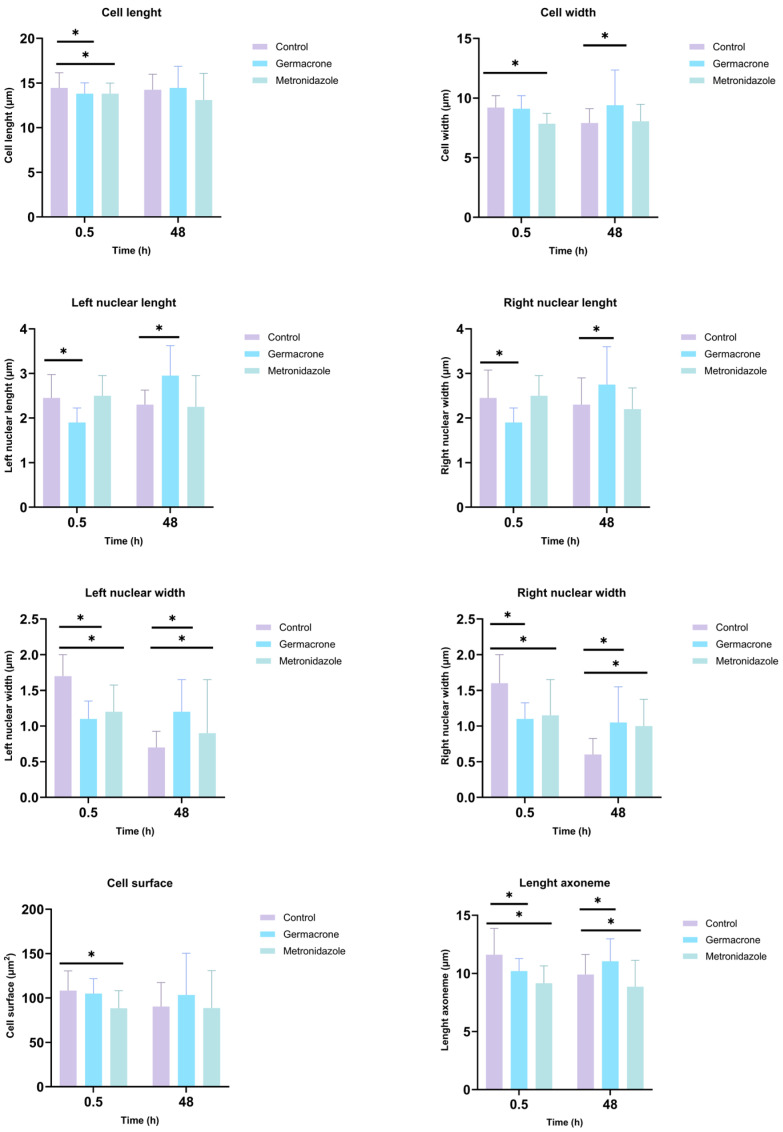 Figure 4
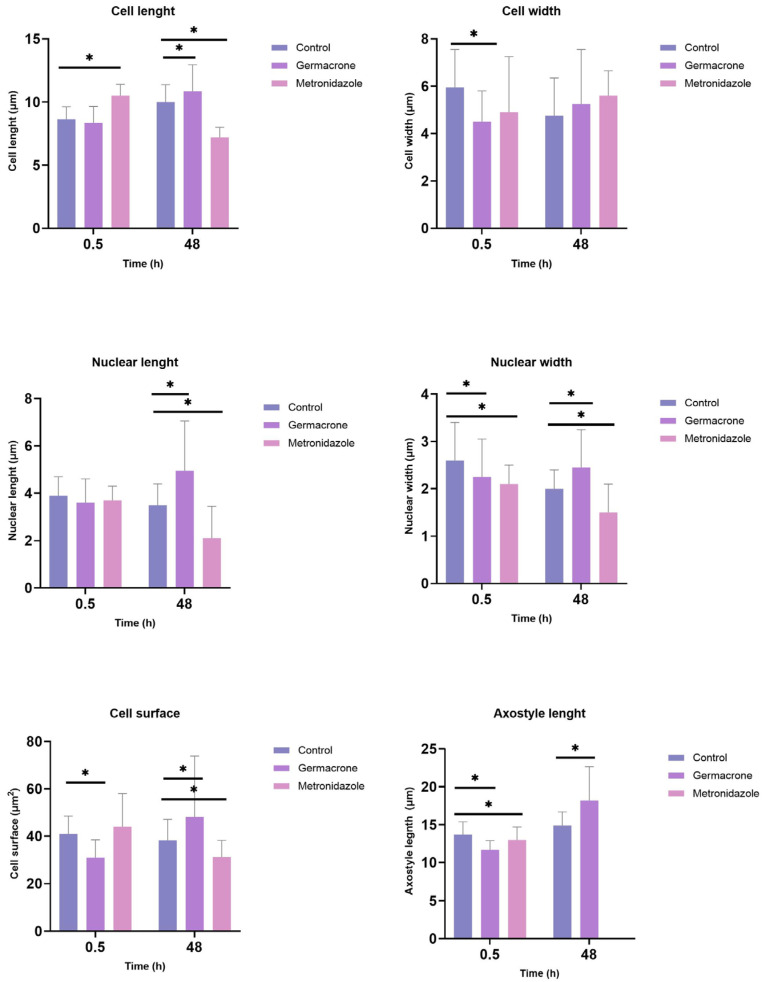 Figure 5
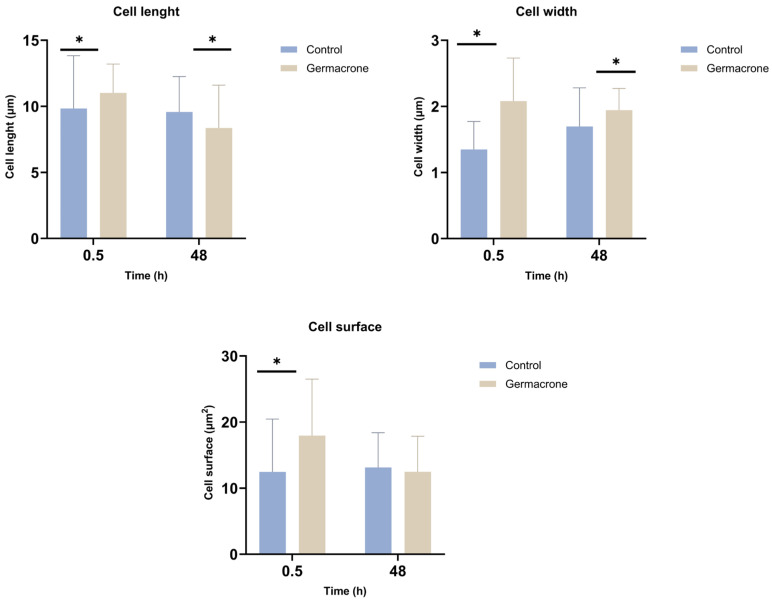 Figure 6
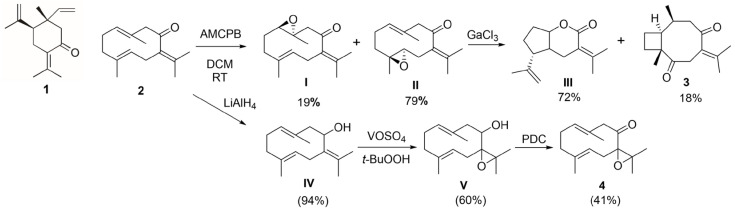 Figure 7
Peer Reviews
No public reviews on file for this paper yet. If you reviewed it on a platform where reviews are public (OpenReview, ICLR, NeurIPS, ICML), you can paste yours below so the community can read it here.
Videos
No videos yet. Explain this paper in a talk, walkthrough, or lecture? Add one.
Taxonomy
TopicsReproductive tract infections research · Essential Oils and Antimicrobial Activity · Amoebic Infections and Treatments