Composition of Necrophagous Insect Assemblages in Altitudinal Gradient of Central Chile
Melissa Marzolo Bown, Patricia J. Thyssen, Aline Marrara Prado, Cristian Villagra

TL;DR
This study examines how the types and numbers of flesh-eating insects change with elevation in central Chile, finding that blowflies are key indicators at higher altitudes.
Contribution
The study provides baseline data on necrophagous insect assemblages across altitudinal gradients and identifies indicator species for forensic and ecological applications.
Findings
Arthropod richness was highest at low and intermediate elevations.
Blowflies like Chrysomya albiceps and Lucilia species were identified as indicator species at high elevation.
No significant differences in abundance were found among sites for Calliphoridae or total arthropods.
Abstract
Necrophagous insects are key organisms for studies spanning environmental monitoring and applied contexts. Here, we tested whether abundance, richness, and community composition of necrophagous arthropod assemblages differ among three sites along an altitudinal gradient (50, 1000, and 1800 masl) in the Andean cline of Central Chile. Specimens were collected by active sampling and carrion trapping. Arthropod taxon richness differed markedly among sites, with the highest diversity at low and intermediate elevations. At 1800 masl, blowflies (Diptera: Calliphoridae), including Chrysomya albiceps, Compsomyiops fulvicrura, Lucilia cuprina, and Lucilia sericata, were identified as indicator species. The presence of Calliphoridae at high elevation underscores the value of ecology-focused studies of necrophagous insect diversity and community composition for environmental monitoring and supports…
Genes, proteins, chemicals, diseases, species, mutations and cell lines named across the full text — each resolved to its canonical identifier and authoritative record.
Click any figure to enlarge with its caption.
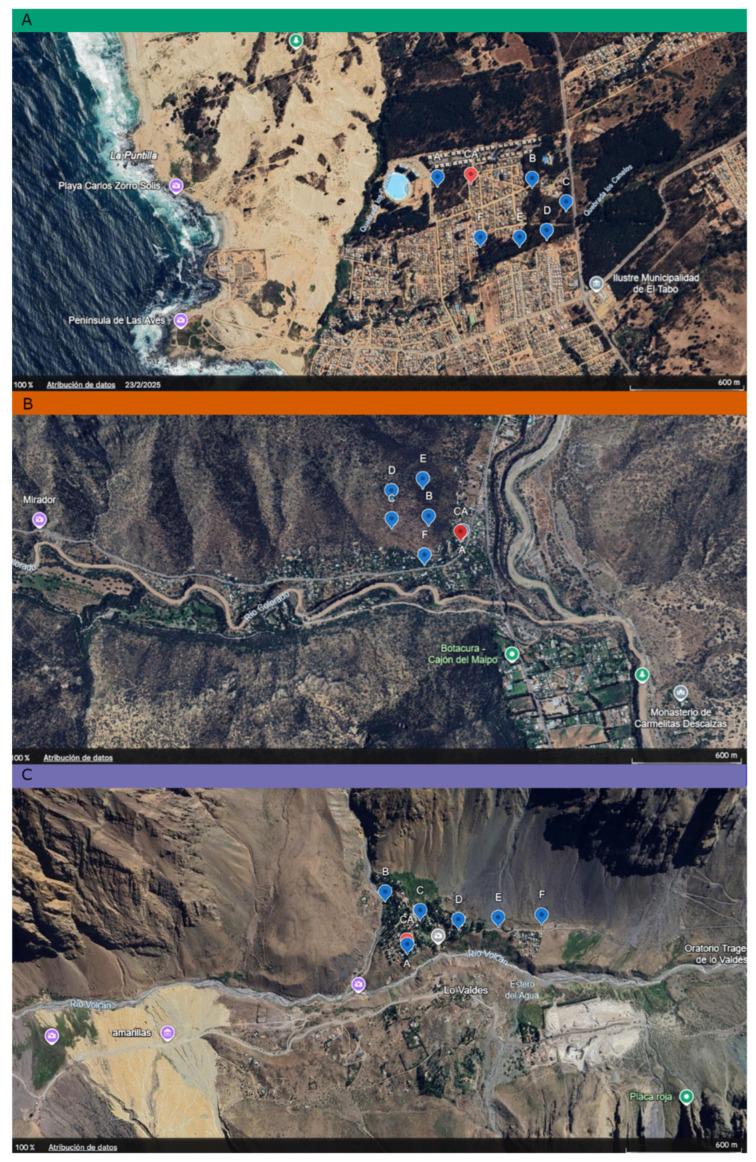 Figure 1
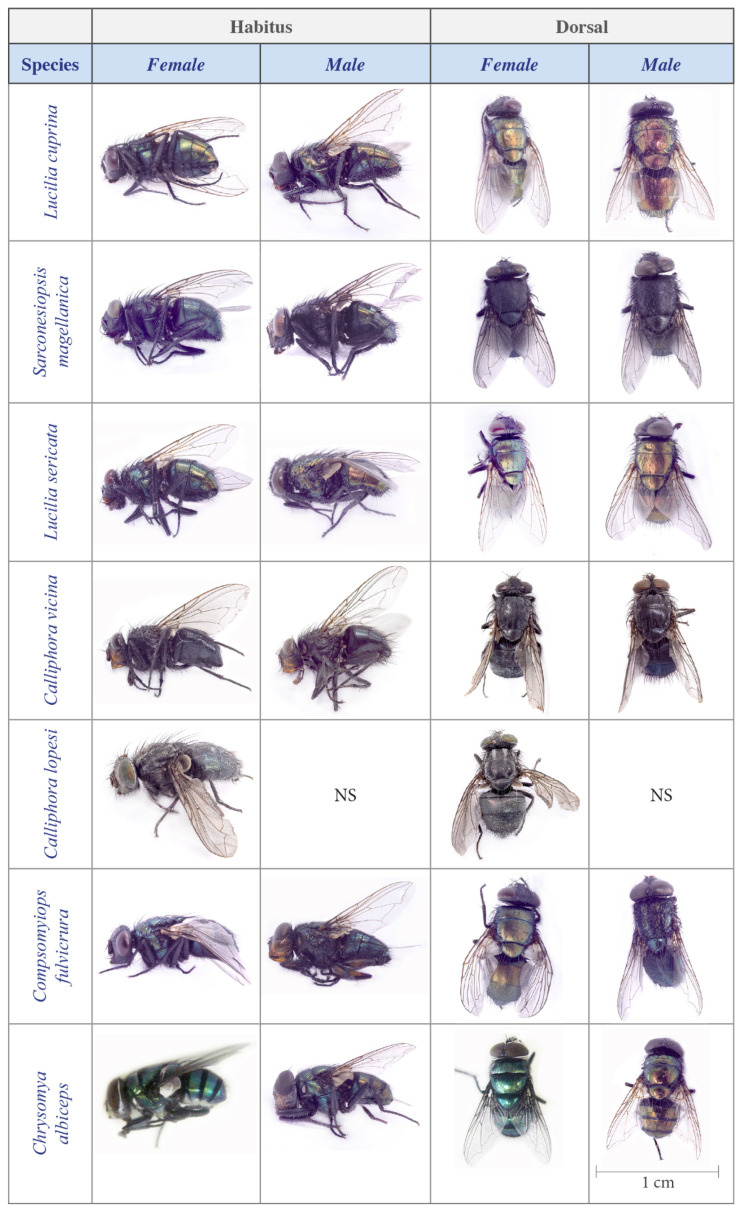 Figure 2
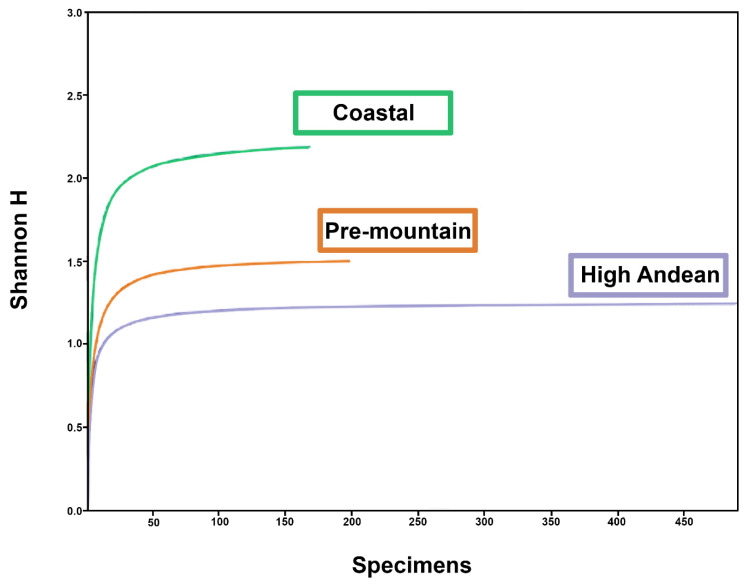 Figure 3
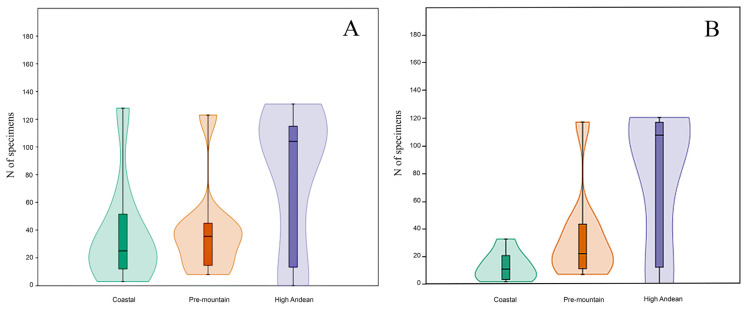 Figure 4
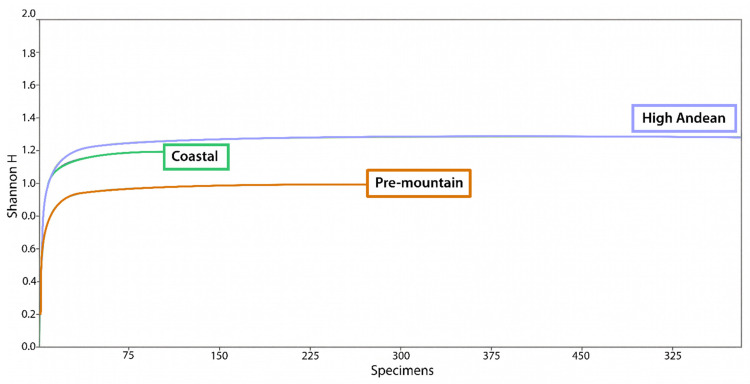 Figure 5
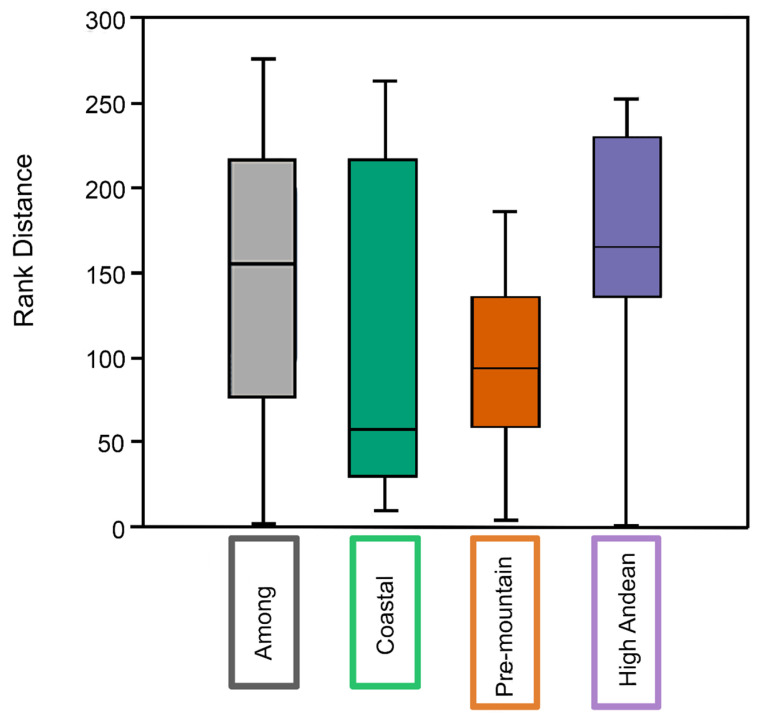 Figure 6
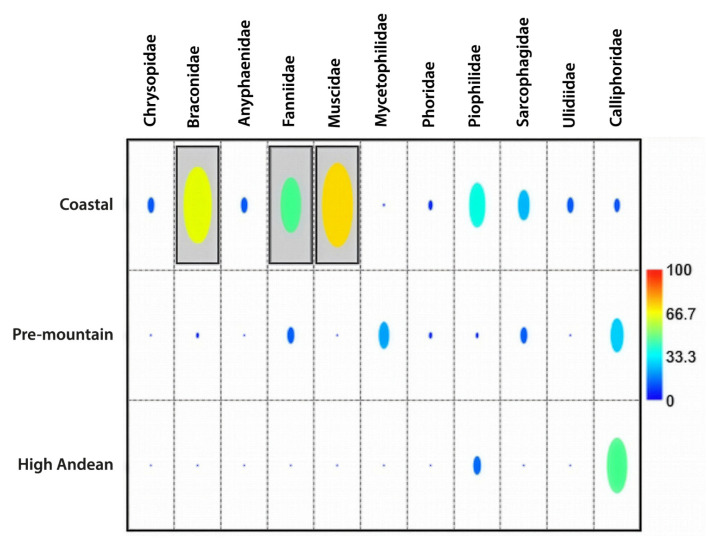 Figure 7
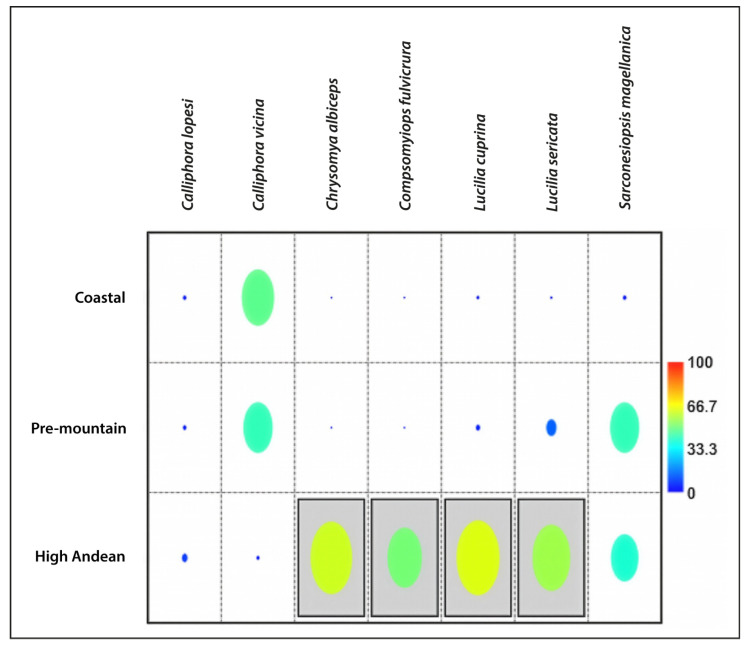 Figure 8
Peer Reviews
No public reviews on file for this paper yet. If you reviewed it on a platform where reviews are public (OpenReview, ICLR, NeurIPS, ICML), you can paste yours below so the community can read it here.
Videos
No videos yet. Explain this paper in a talk, walkthrough, or lecture? Add one.
Taxonomy
TopicsForensic Entomology and Diptera Studies · Paleopathology and ancient diseases · Diptera species taxonomy and behavior