A New Class of Pathogenic Non-Coding Variants in GLA
Yujing Yuan, Xinyu Zhang, Chen Ling, Yawen Zhao, Meng Yu, Zhaoxia Wang, Yun Yuan, Zhiying Xie, Wei Zhang

TL;DR
This study identifies new non-coding genetic variants in the GLA gene linked to Fabry disease, using long-read sequencing to uncover previously undetected mutations.
Contribution
The study introduces a new class of pathogenic non-coding variants in GLA, detected through long-read sequencing in patients with unresolved Fabry disease.
Findings
Long-read sequencing identified a ~1.7 kb insertion in intron 4 of GLA in one patient, associated with new GLA transcripts.
A ~2.5 kb insertion in the 5′-untranslated region of GLA was found in another patient, leading to reduced normal transcript expression.
These findings suggest non-coding variants contribute to missing heritability in Fabry disease and highlight the value of LRS in diagnosis.
Abstract
Fabry disease (FD) exhibits a spectrum of clinical manifestations ranging from mild to severe, posing a diagnostic challenge, particularly in non-classic subtypes. Genetic testing remains a gold standard for a precise diagnosis of FD and is pivotal in genetic counseling. Although conventional approaches such as Sanger sequencing and short-read next-generation sequencing (NGS) have been successfully used to diagnose FD, they often fail to detect deep intronic variants, complex rearrangements, or large deletions or duplications. In contrast, long-read sequencing (LRS) enables comprehensive coverage of intronic and repetitive regions, facilitating precise identification of atypical variants missed by conventional methods. This case series reports two unrelated male patients with clinical, enzymatic, and pathological features consistent with FD, who tested negative for pathogenic variants…
Genes, proteins, chemicals, diseases, species, mutations and cell lines named across the full text — each resolved to its canonical identifier and authoritative record.
Click any figure to enlarge with its caption.
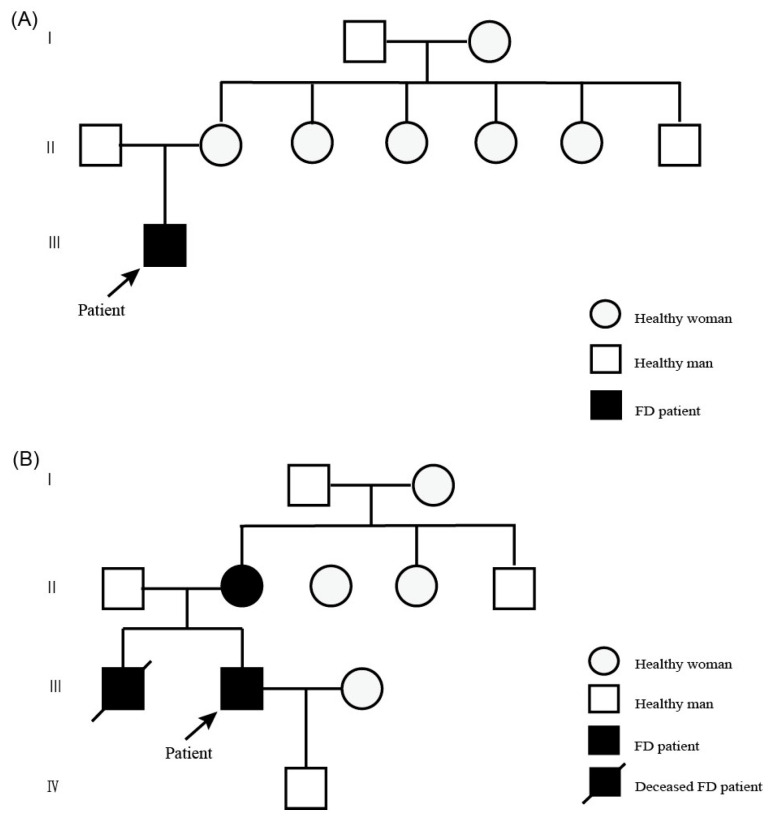 Figure 1
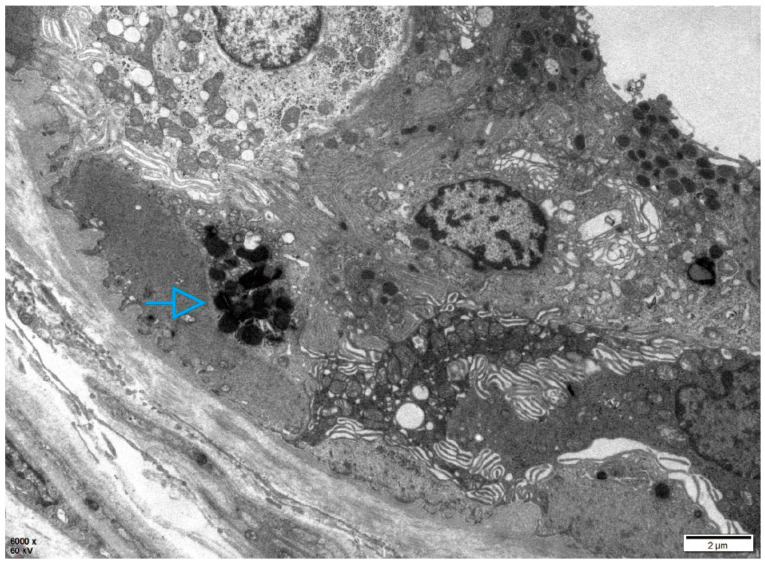 Figure 2
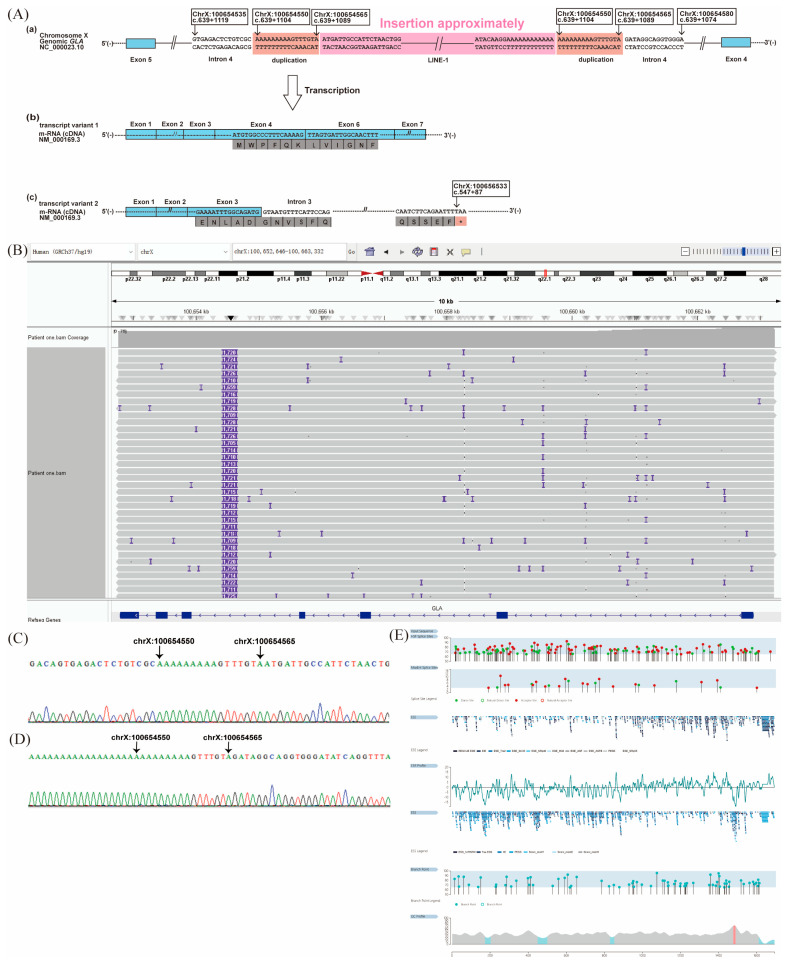 Figure 3
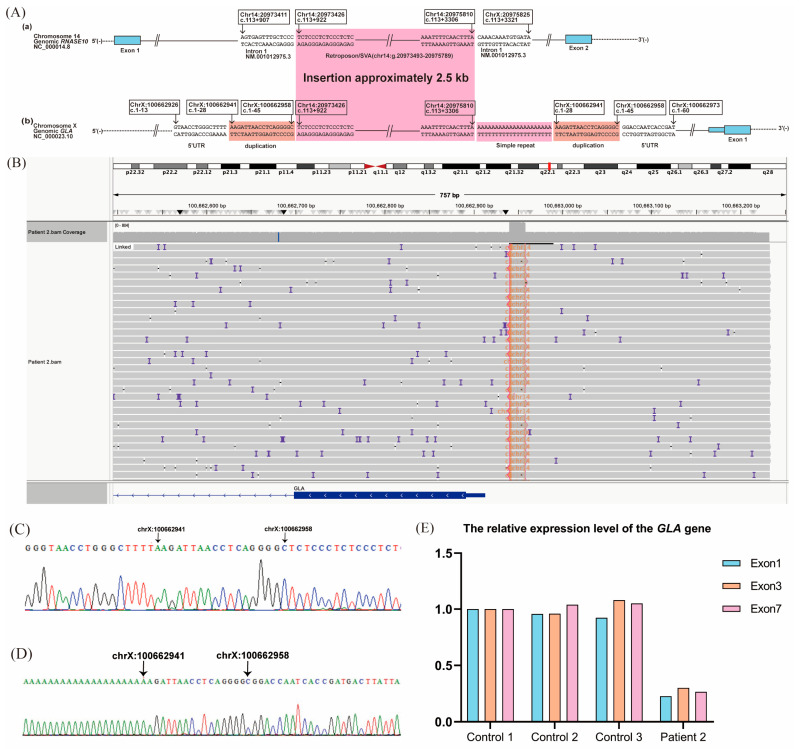 Figure 4
Peer Reviews
No public reviews on file for this paper yet. If you reviewed it on a platform where reviews are public (OpenReview, ICLR, NeurIPS, ICML), you can paste yours below so the community can read it here.
Videos
No videos yet. Explain this paper in a talk, walkthrough, or lecture? Add one.
Taxonomy
TopicsLysosomal Storage Disorders Research · Glycogen Storage Diseases and Myoclonus · Biomedical Research and Pathophysiology