Towards New Strategies: Case Report and Review of the Literature—Effective Use of JAK Inhibitor Baricitinib in a 4-Year-Old Boy with Anti-MDA5 Antibody-Positive Juvenile Dermatomyositis
Oana Buzoianu, Özlem Satirer, Jasmin B. Kuemmerle-Deschner, Christiane Reiser

TL;DR
A 4-year-old boy with a rare autoimmune disease improved significantly after treatment with a JAK inhibitor, suggesting it may be an effective therapy for similar cases.
Contribution
Demonstrates the potential efficacy of baricitinib in JDM with a high IFN signature, supporting a mechanism-based treatment approach.
Findings
The patient showed marked clinical improvement with resolution of skin lesions and reduced IFN signature.
MDA5 antibodies normalized following treatment with baricitinib.
JAK inhibition may be effective in managing JDM with a high IFN signature.
Abstract
Juvenile dermatomyositis (JDM) is a rare, idiopathic autoimmune disorder characterized by inflammation of both muscle and skin, with a significant contribution from the interferon (IFN) pathway in its pathogenesis. Here, we present the case of a 4-year-old boy with JDM who tested positive for Mi2-α and MDA5 antibodies and showed combined muscle and skin involvement. In view of his markedly elevated IFN signature, the Janus kinase (JAK) inhibitor baricitinib was introduced very early as a targeted steroid-sparing agent in addition to standard immunosuppressive therapy. The patient experienced marked clinical improvement, with resolution of skin lesions, normalization of MDA5 antibodies, and a pronounced reduction in the IFN signature. This case highlights the potential efficacy of JAK inhibition in managing JDM with a high IFN signature and supports a mechanism-based, interferon-targeted…
Genes, proteins, chemicals, diseases, species, mutations and cell lines named across the full text — each resolved to its canonical identifier and authoritative record.
Click any figure to enlarge with its caption.
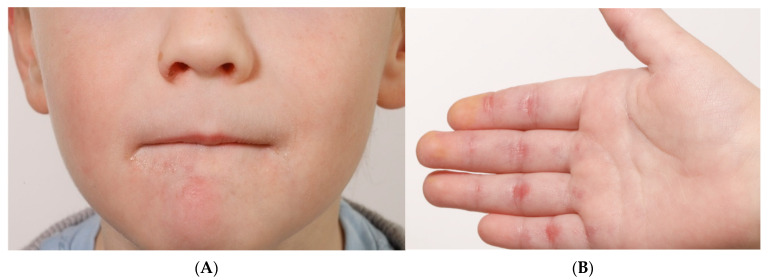 Figure 1
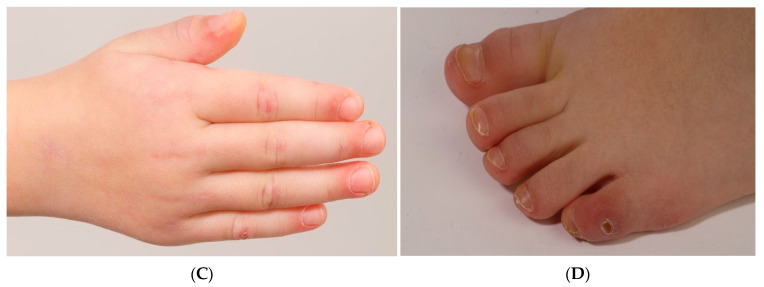 Figure 2
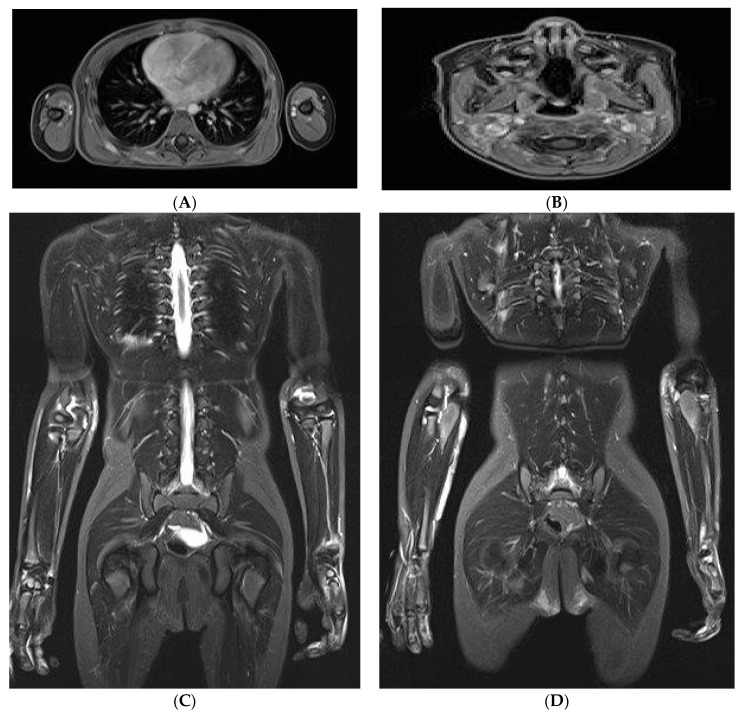 Figure 3
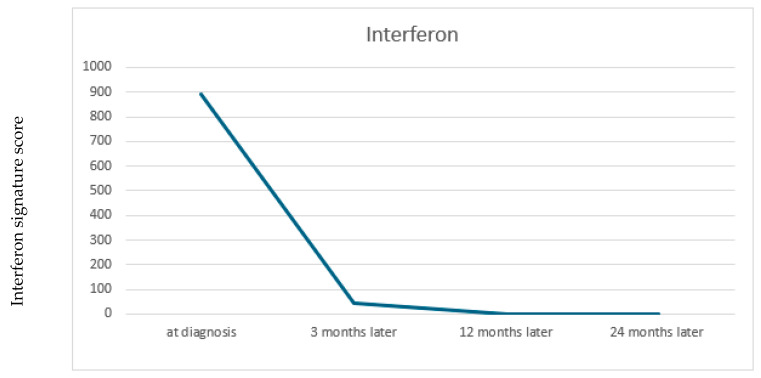 Figure 4
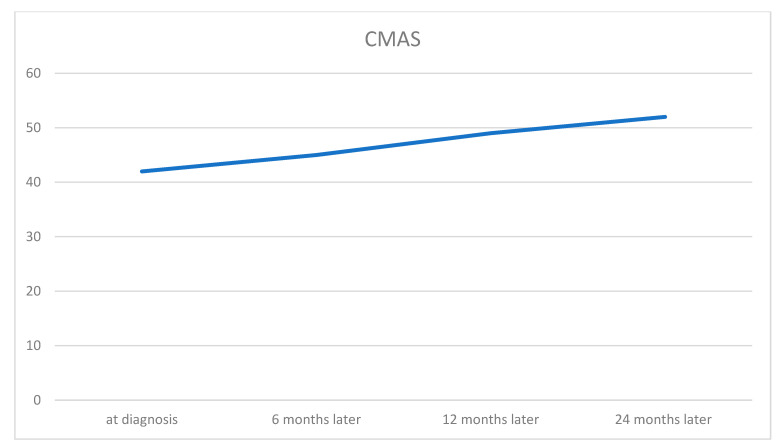 Figure 5
Peer Reviews
No public reviews on file for this paper yet. If you reviewed it on a platform where reviews are public (OpenReview, ICLR, NeurIPS, ICML), you can paste yours below so the community can read it here.
Videos
No videos yet. Explain this paper in a talk, walkthrough, or lecture? Add one.
Taxonomy
TopicsInflammatory Myopathies and Dermatomyositis · Spondyloarthritis Studies and Treatments · Autoimmune and Inflammatory Disorders Research