Immunomodulatory Peptides Derived from Tylorrhynchus heterochaetus: Identification, In Vitro Activity, and Molecular Docking Analyses
Huiying Zhu, Zhilu Zeng, Yanping Deng, Jia Mao, Lisha Hao, Ziwei Liu, Yanglin Hua, Ping He

TL;DR
This study identifies immunomodulatory peptides from Tylorrhynchus heterochaetus, showing they can activate immune cells and may be used in functional foods.
Contribution
The study identifies and validates novel immunomodulatory peptides from Tylorrhynchus heterochaetus with potential for functional food applications.
Findings
The <3000 Da fraction of hydrolyzed Tylorrhynchus heterochaetus showed strong immune-stimulating activity in macrophages.
Three novel peptides (LPWDPL, DDFVFLR, LPVGPLFN) exhibited strong binding to TLR4/MD-2 receptors via molecular docking.
Synthetic verification confirmed the peptides' safety and effectiveness in activating macrophages and releasing immune mediators.
Abstract
Tylorrhynchus heterochaetus is an aquatic food with both edible and medicinal value in China. With a protein-rich body wall, it has strong potential for producing bioactive peptides. To explore its potential as a source of immunomodulatory peptides, in this study, flavor enzymes were selected as the optimal hydrolases, and the hydrolyzed products were subjected to ultrafiltration fractionation. The <3000 Da portion exhibited the most effective immune-stimulating activity in RAW 264.7 macrophages, enhancing phagocytosis and promoting the secretion of tumor necrosis factor-alpha (TNF-α), interleukin-6 (IL-6) and nitric oxide (NO) in a concentration dependent manner. Peptide omics analysis, combined with the activity and safety screened by bioinformatics, identified 43 candidate peptides. Molecular docking predicts that three novel peptides, LPWDPL, DDFVFLR and LPVGPLFN, exhibit strong…
Genes, proteins, chemicals, diseases, species, mutations and cell lines named across the full text — each resolved to its canonical identifier and authoritative record.
Click any figure to enlarge with its caption.
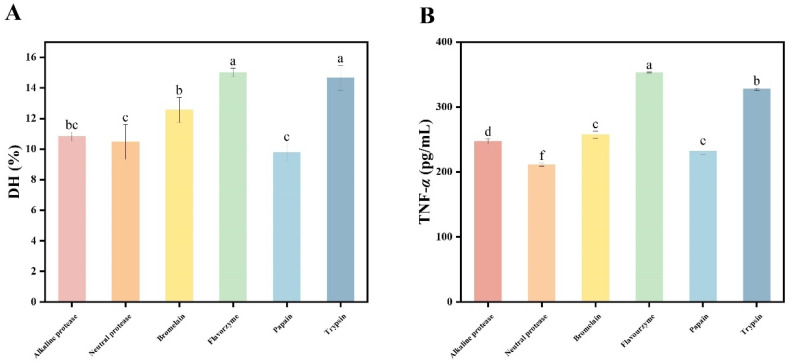 Figure 1
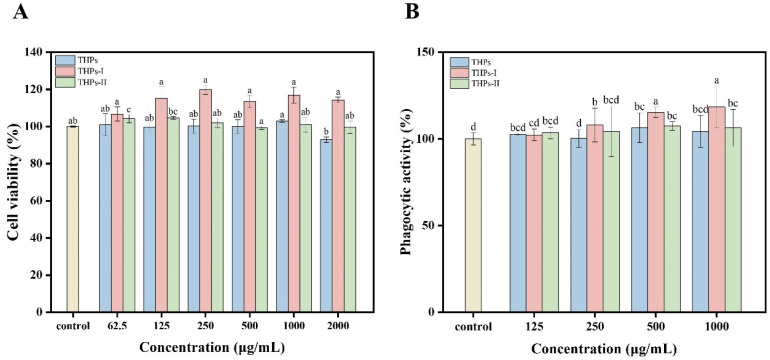 Figure 2
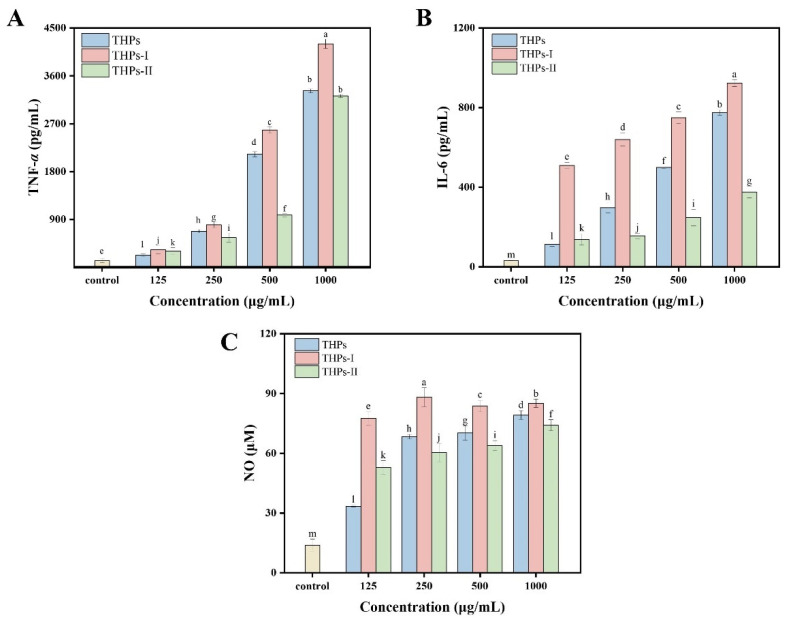 Figure 3
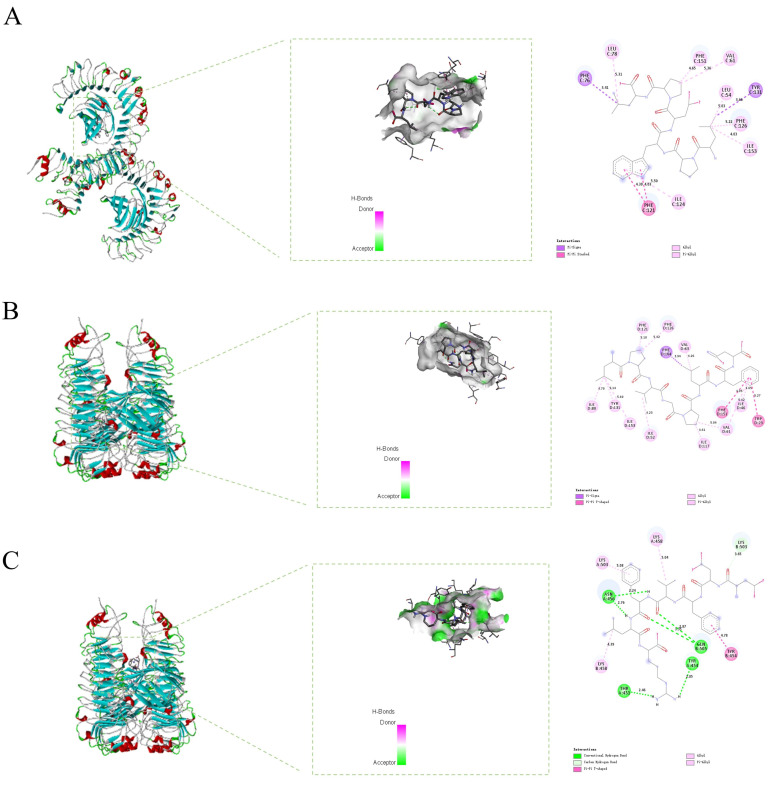 Figure 4
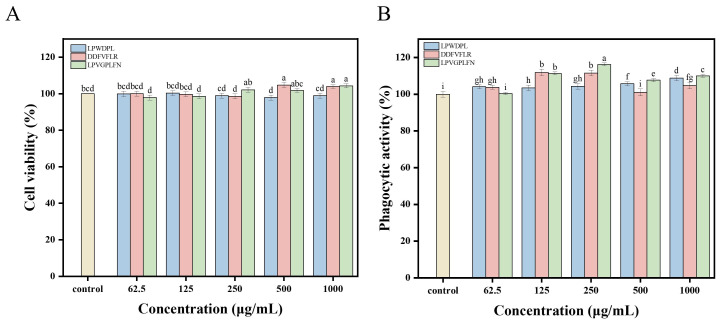 Figure 5
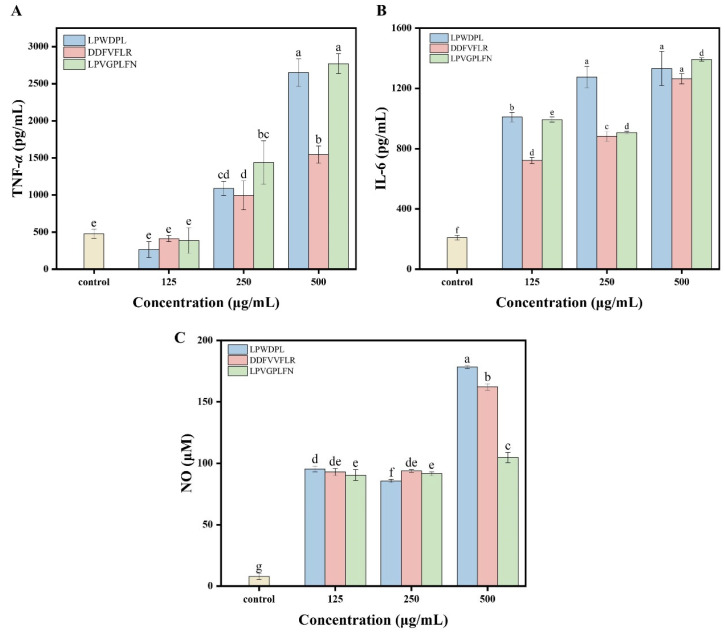 Figure 6
Peer Reviews
No public reviews on file for this paper yet. If you reviewed it on a platform where reviews are public (OpenReview, ICLR, NeurIPS, ICML), you can paste yours below so the community can read it here.
Videos
No videos yet. Explain this paper in a talk, walkthrough, or lecture? Add one.
Taxonomy
TopicsProtein Hydrolysis and Bioactive Peptides · Antimicrobial Peptides and Activities · Invertebrate Immune Response Mechanisms