Progesterone Receptor Expression in the Human Enteric Nervous System
Naemi Kallabis, Paula Maria Neufeld, Alexandra Yurchenko, Veronika Matschke, Ralf Nettersheim, Matthias Vorgerd, Carsten Theiss, Sarah Stahlke

TL;DR
This study maps progesterone receptor expression in the human gut's nervous system, revealing sex- and age-related patterns that could impact gut-brain communication and neurodegenerative diseases.
Contribution
The study provides the first detailed characterization of progesterone receptor expression in the human enteric nervous system, including regional, sex, and age variations.
Findings
Progesterone receptors PR-A/B, PGRMC1, mPRα, and mPRβ are expressed in myenteric ganglion cells across all intestinal regions.
Expression patterns show sex-specific differences and age-related downregulation.
Progesterone signaling in the myenteric plexus suggests a hormonal role in gut-brain communication.
Abstract
The enteric nervous system (ENS) is a critical component of the gut–brain axis, playing a pivotal role in gastrointestinal homeostasis and systemic health. Emerging evidence suggests that ENS dysfunction precedes central neurodegenerative disorders. Progesterone, known for its neuroprotective and anti-inflammatory properties in the central nervous system (CNS), has received growing attention for its potential role in ENS physiology. This study aimed to map the expression of nuclear and membrane-bound progesterone receptors in the human ENS, considering regional intestinal, sex, and age variations. Immunofluorescence and Reverse Transcription-Polymerase Chain Reaction (RT-PCR) were used to evaluate receptor distribution in anatomically distinct intestinal regions. Consistent expression of classical nuclear progesterone receptors (PR-A/B) and the non-classical Progesterone receptor…
Genes, proteins, chemicals, diseases, species, mutations and cell lines named across the full text — each resolved to its canonical identifier and authoritative record.
Click any figure to enlarge with its caption.
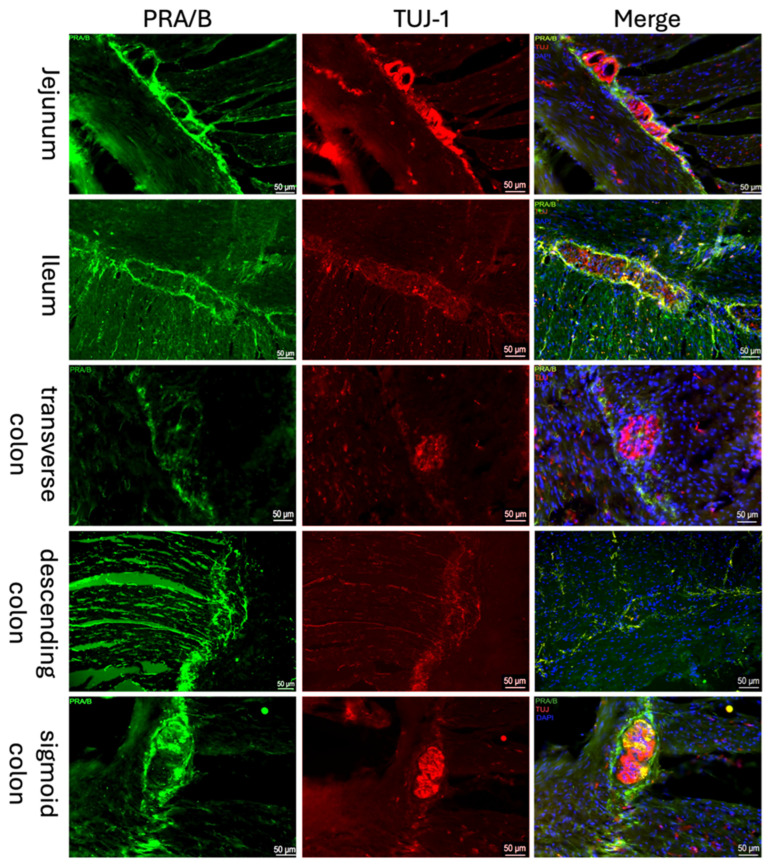 Figure 1
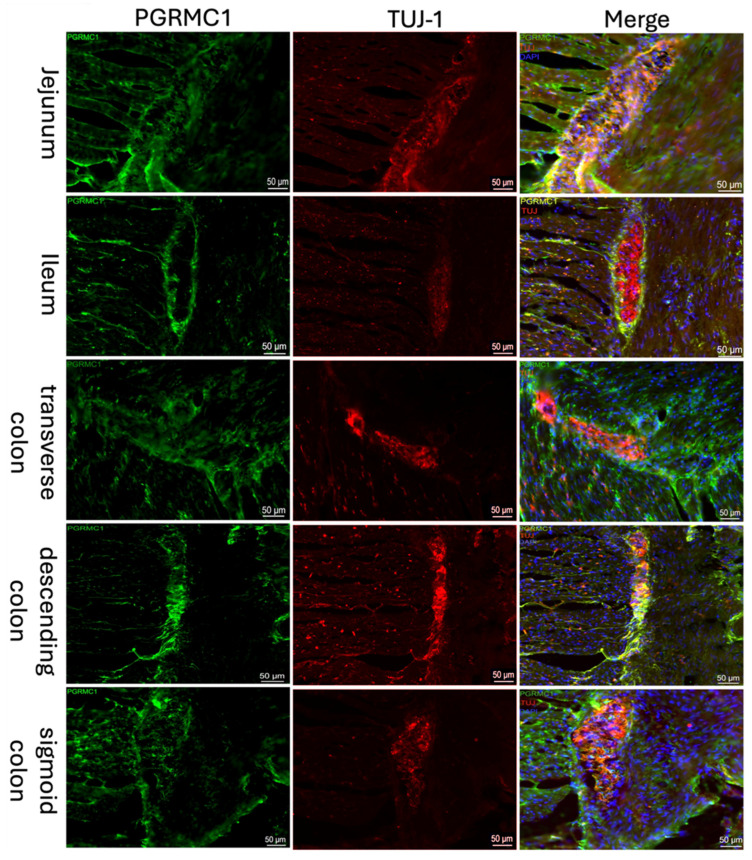 Figure 2
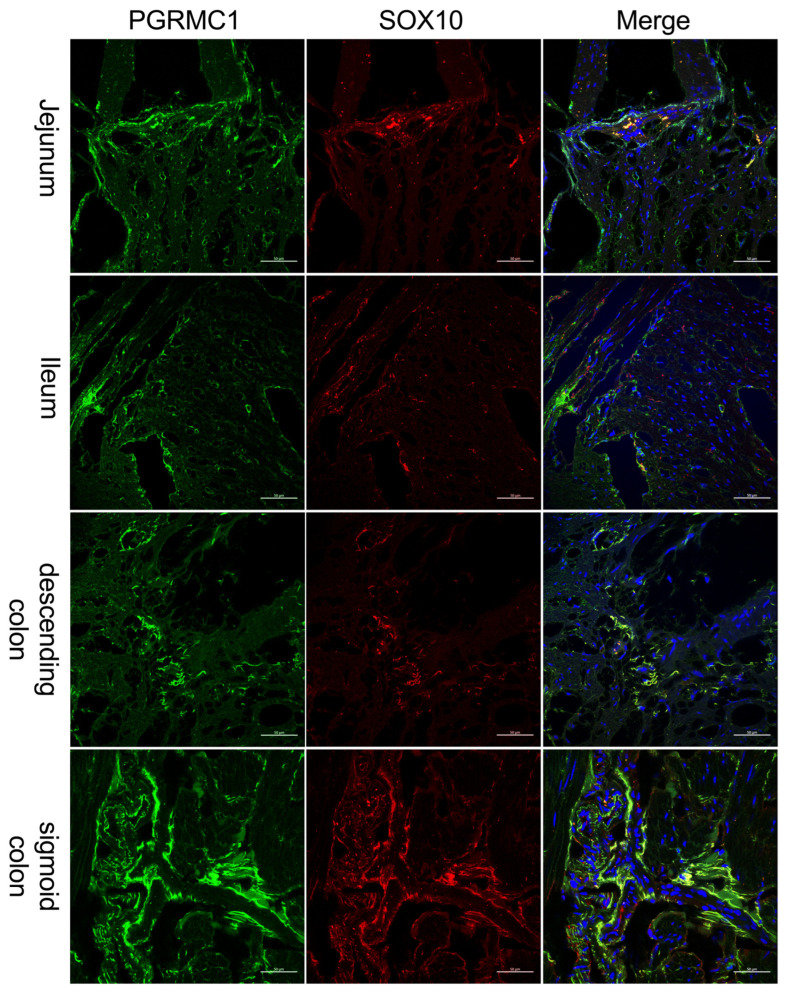 Figure 3
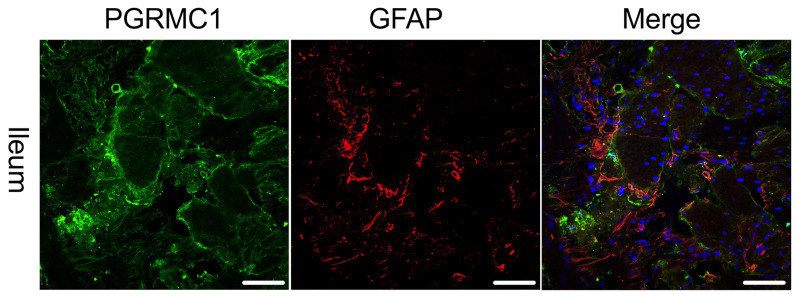 Figure 4
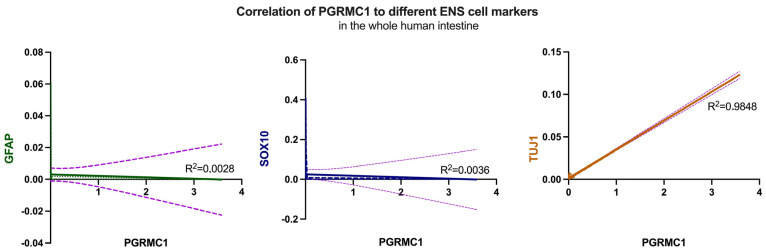 Figure 5
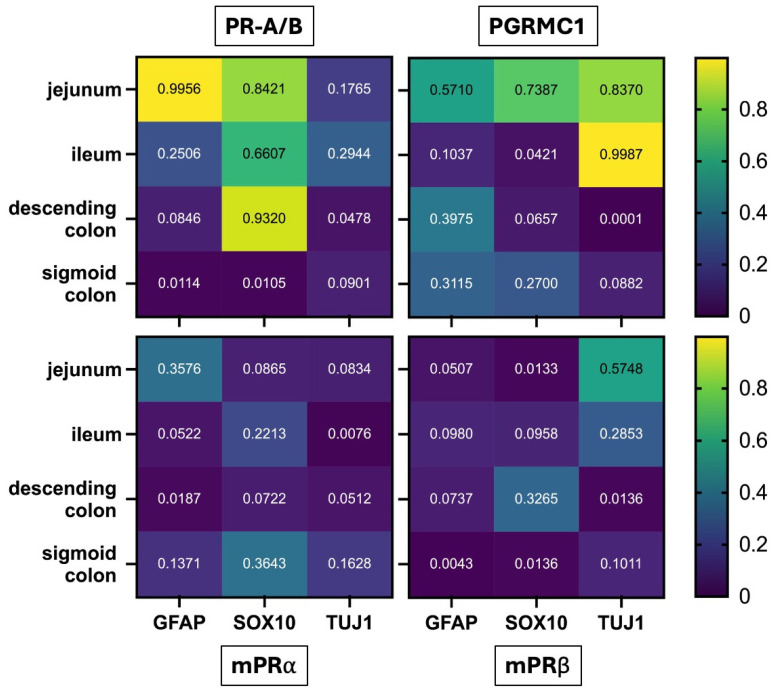 Figure 6
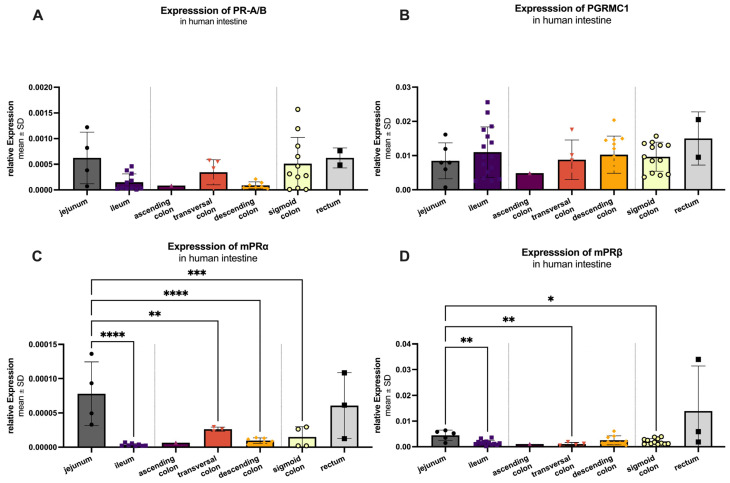 Figure 7
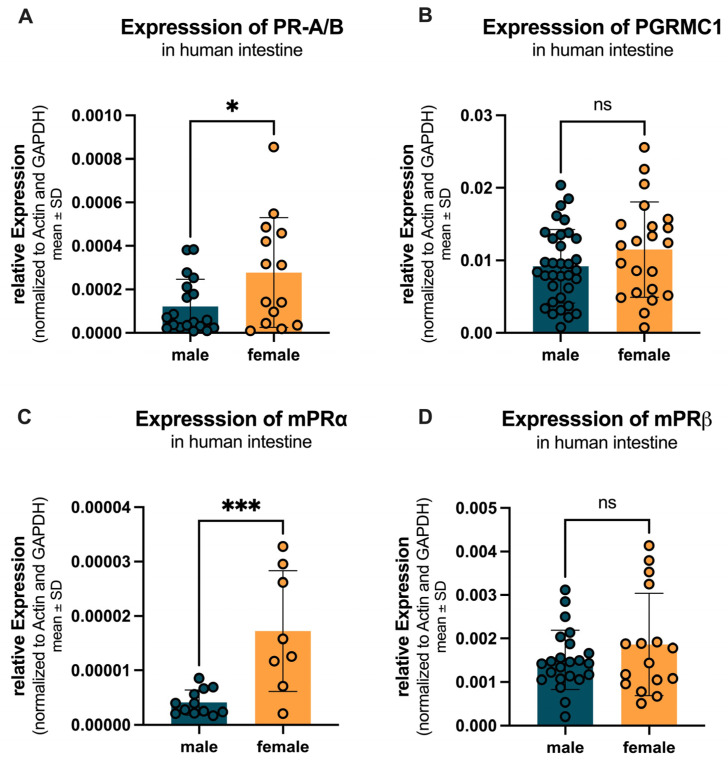 Figure 8
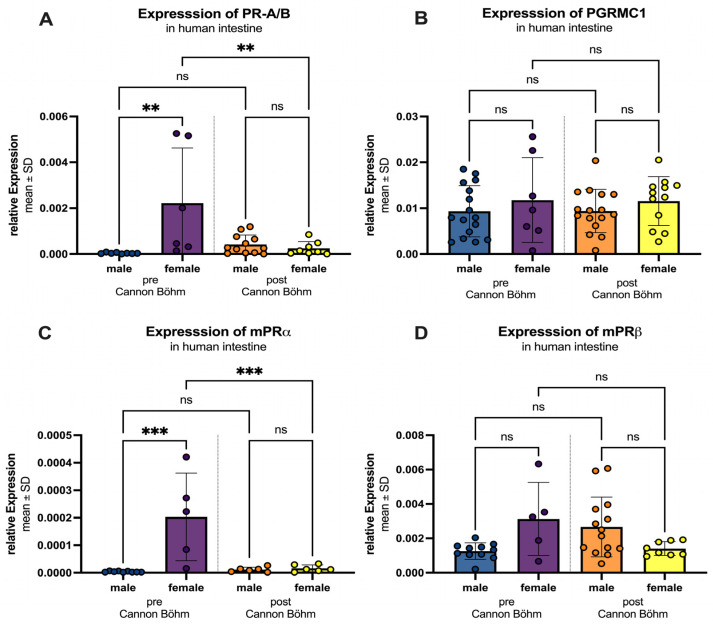 Figure 9
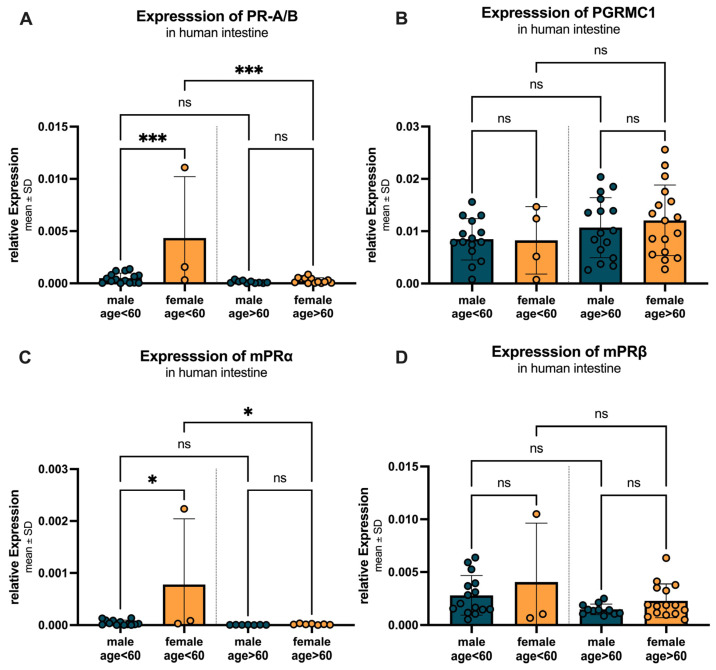 Figure 10
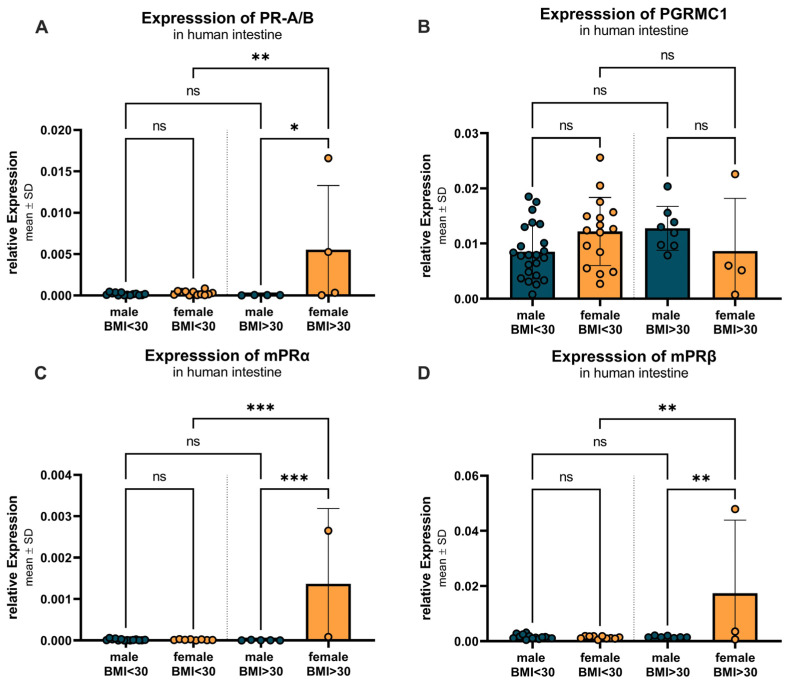 Figure 11
Peer Reviews
No public reviews on file for this paper yet. If you reviewed it on a platform where reviews are public (OpenReview, ICLR, NeurIPS, ICML), you can paste yours below so the community can read it here.
Videos
No videos yet. Explain this paper in a talk, walkthrough, or lecture? Add one.
Taxonomy
TopicsGastrointestinal motility and disorders · Congenital gastrointestinal and neural anomalies · Barrier Structure and Function Studies