Vitamin E Modulates Hepatic Extracellular Adenosine Signaling to Attenuate Metabolic Dysfunction-Associated Steatotic Liver Disease (MASLD)
Mengting Shan, Magdeline E. Carrasco Apolinario, Tomoko Tokumaru, Kenshiro Shikano, Phurpa Phurpa, Ami Kato, Hitoshi Teranishi, Shinichiro Kume, Nobuyuki Shimizu, Tatsuki Kurokawa, Takatoshi Hikida, Toshikatsu Hanada, Yulong Li, Reiko Hanada

TL;DR
Vitamin E reduces liver fat and inflammation in a zebrafish model of liver disease by lowering adenosine and improving calcium regulation.
Contribution
Vitamin E's mechanism in reducing MASLD involves modulating extracellular adenosine and SERCA-mediated calcium regulation.
Findings
High-cholesterol diet increases hepatic extracellular adenosine and ER stress gene expression.
Vitamin E lowers extracellular adenosine and lipid accumulation in the liver.
Vitamin E restores SERCA-related gene expression and reduces hepatic injury.
Abstract
Metabolic dysfunction-associated steatotic liver disease (MASLD) involves early disturbances such as excessive lipid accumulation, sterile inflammation, and hepatocellular stress. The results of recent studies have highlighted extracellular ATP and its metabolite adenosine (Ado) as damage-associated molecular patterns (DAMPs) that drive inflammation, endoplasmic reticulum (ER) stress, and steatosis, contributing to MASLD progression. Although vitamin E is clinically used for its antioxidant and anti-inflammatory properties, it remains unclear whether its therapeutic effects involve modulation of DAMP-associated signaling. To address this gap, we used transgenic zebrafish expressing a liver-specific G-protein-coupled receptor activation-based adenosine sensor (GRABAdo). We found that a high-cholesterol diet markedly increased hepatic extracellular Ado levels, combined with inflammatory…
Genes, proteins, chemicals, diseases, species, mutations and cell lines named across the full text — each resolved to its canonical identifier and authoritative record.
Click any figure to enlarge with its caption.
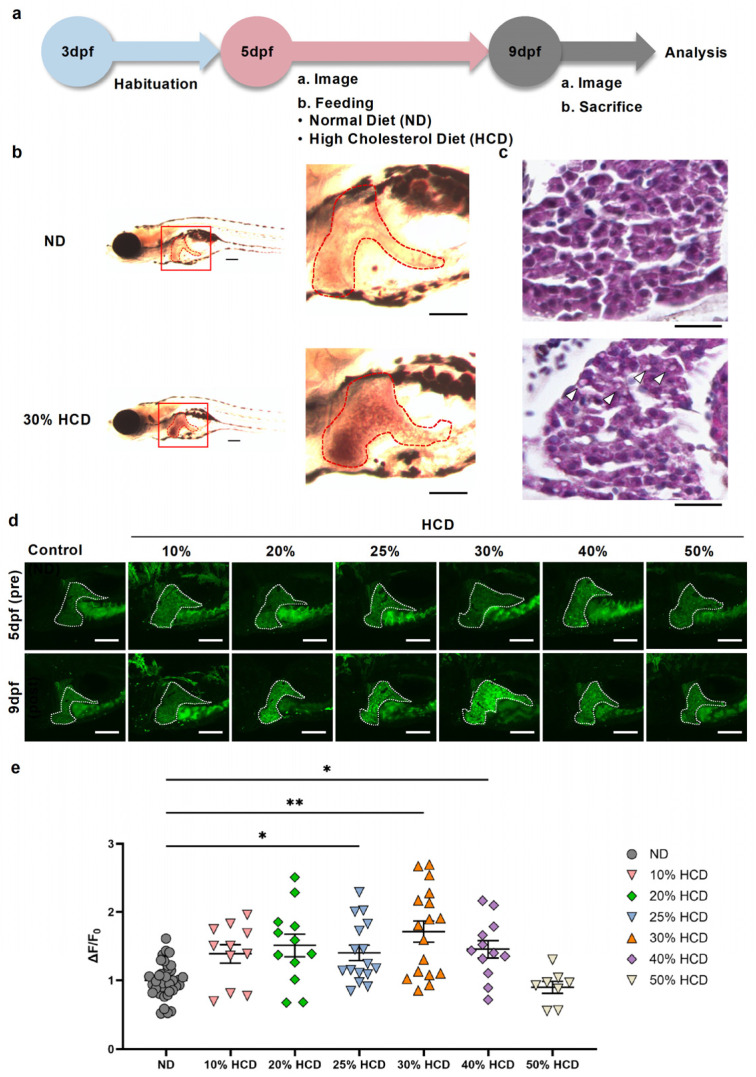 Figure 1
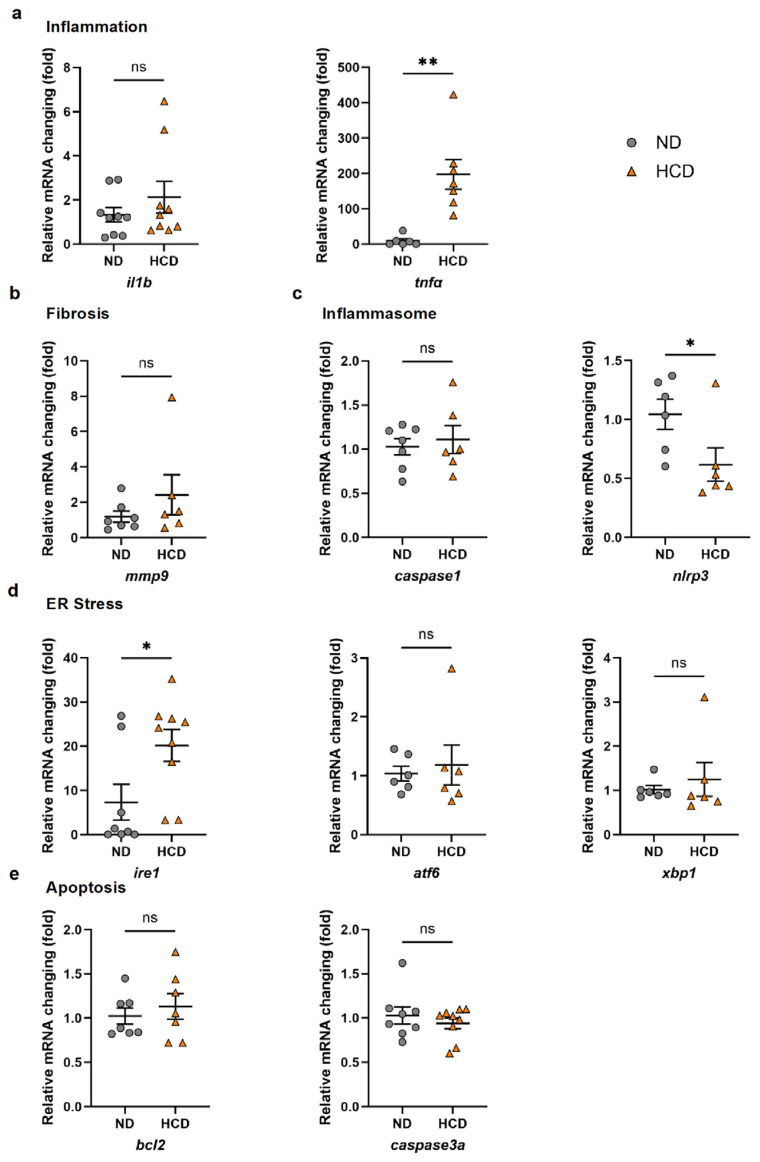 Figure 2
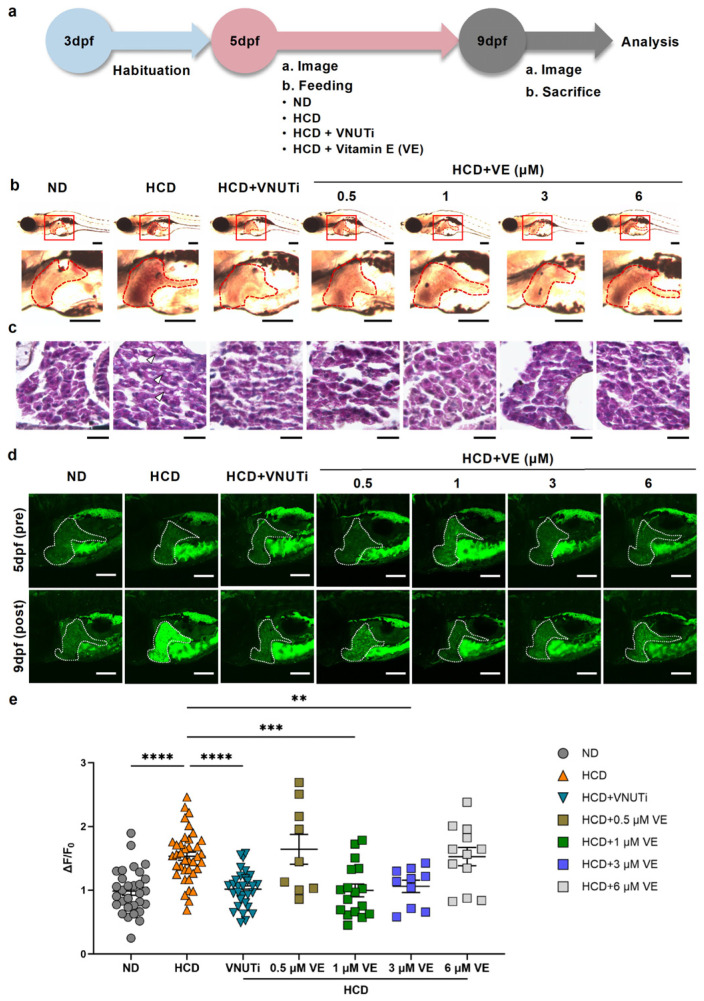 Figure 3
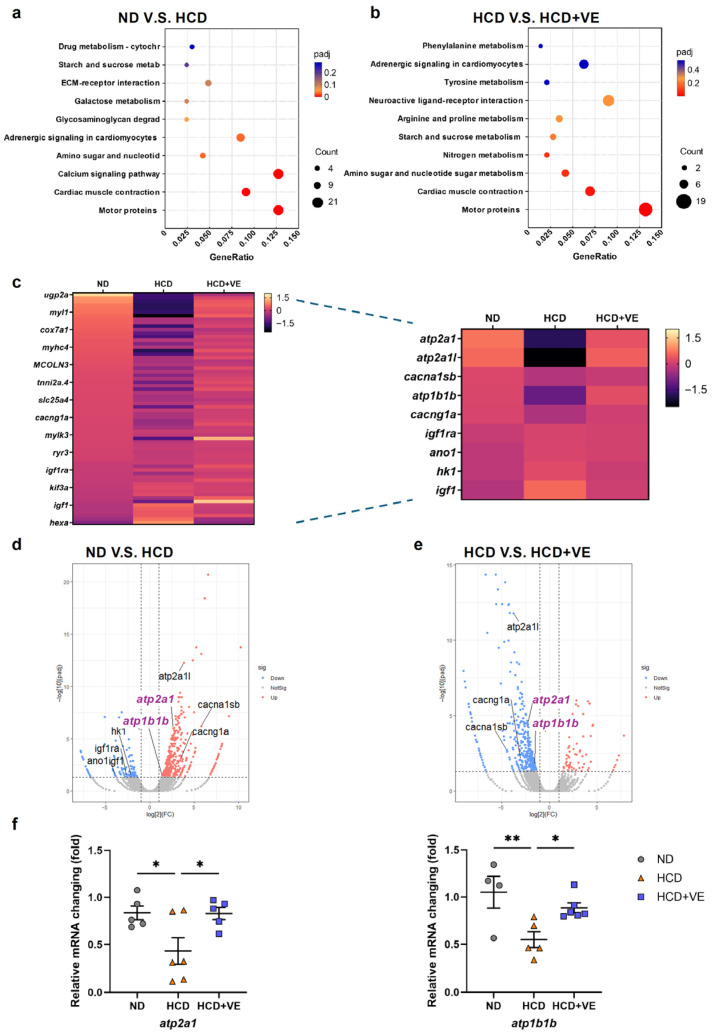 Figure 4
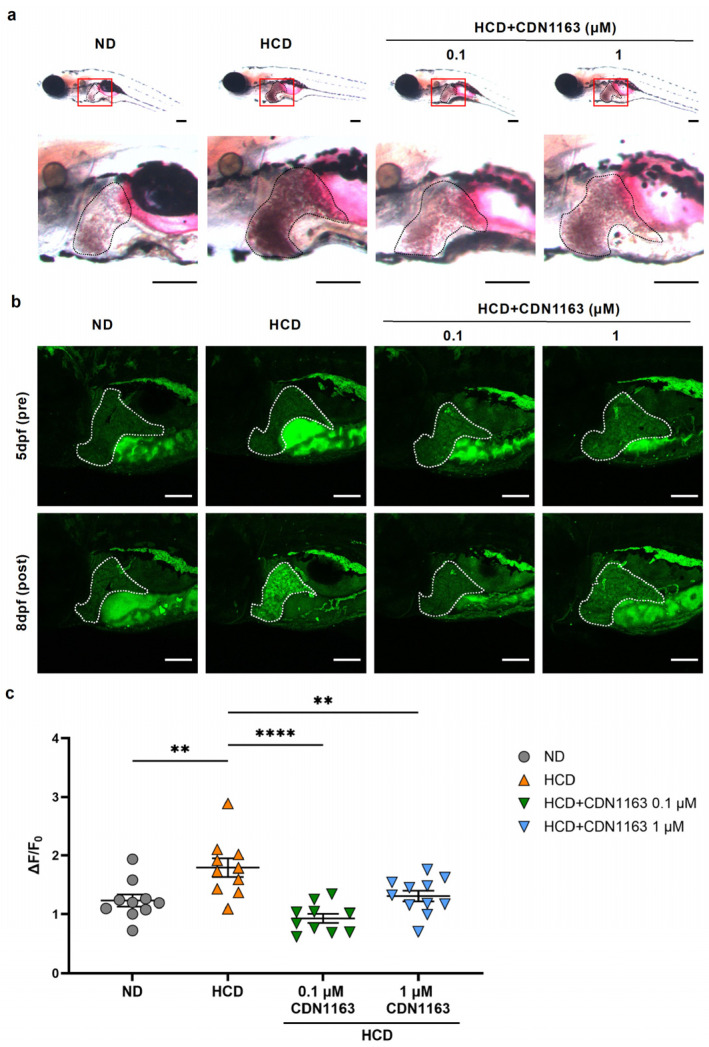 Figure 5
Peer Reviews
No public reviews on file for this paper yet. If you reviewed it on a platform where reviews are public (OpenReview, ICLR, NeurIPS, ICML), you can paste yours below so the community can read it here.
Videos
No videos yet. Explain this paper in a talk, walkthrough, or lecture? Add one.
Taxonomy
TopicsAdenosine and Purinergic Signaling · Liver Disease Diagnosis and Treatment · Liver Disease and Transplantation