Investigating the Molecular Mechanisms of the Anticancer Effects of Eugenol and Cinnamaldehyde Against Colorectal Cancer (CRC) Cells In Vitro
Alberto Bernacchi, Maria Chiara Valerii, Renato Spigarelli, Nikolas Kostantine Dussias, Fernando Rizzello, Enzo Spisni

TL;DR
This study explores how eugenol and cinnamaldehyde fight colorectal cancer cells in the lab, showing they kill cancer cells and may help in cancer treatment.
Contribution
The study reveals the distinct molecular mechanisms of eugenol and cinnamaldehyde in targeting colorectal cancer cells.
Findings
Eugenol and cinnamaldehyde selectively kill colorectal cancer cells without harming normal colon cells.
Eugenol causes major changes in gene activity, while cinnamaldehyde reduces inflammation in cancer cells.
Both compounds show potential as natural anticancer agents, possibly enhancing chemotherapy.
Abstract
Colorectal cancer is one of the leading causes of cancer-associated mortality, and multifactorial resistance remains one of the main challenges in its treatment. Essential oils and their main compounds show interesting anticancer properties, but their mechanism of action is yet to be defined. This study aims to assess the cytotoxic effects of eugenol (EU) and cinnamaldehyde (CN) on colorectal cancer (CRC) cells, highlighting possible mechanisms of action. These compounds were tested on normal immortalized colonocytes (NCM-460) and two CRC cell lines: Caco-2, a human colon epithelial adenocarcinoma cell line, and SW-620, colon cancer cells derived from a lymph node metastatic site. The efficacy of EU and CN was evaluated through CellTiter-Glo® and clonogenic assays and by determining proinflammatory cytokine secretion. Transcriptome analysis was used to identify possible pathways…
Genes, proteins, chemicals, diseases, species, mutations and cell lines named across the full text — each resolved to its canonical identifier and authoritative record.
Click any figure to enlarge with its caption.
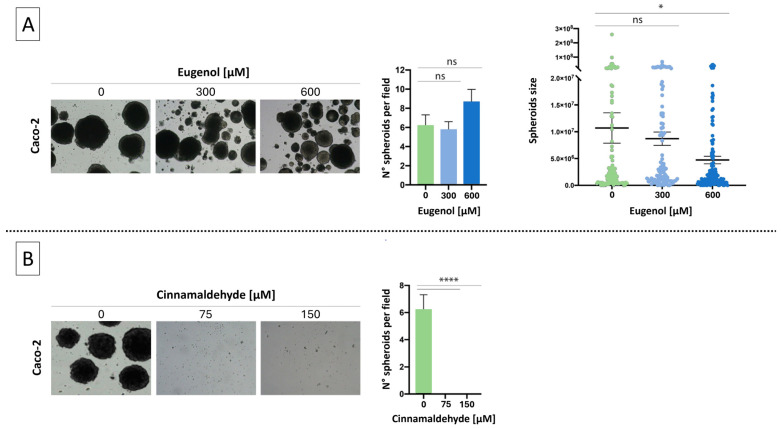 Figure 1
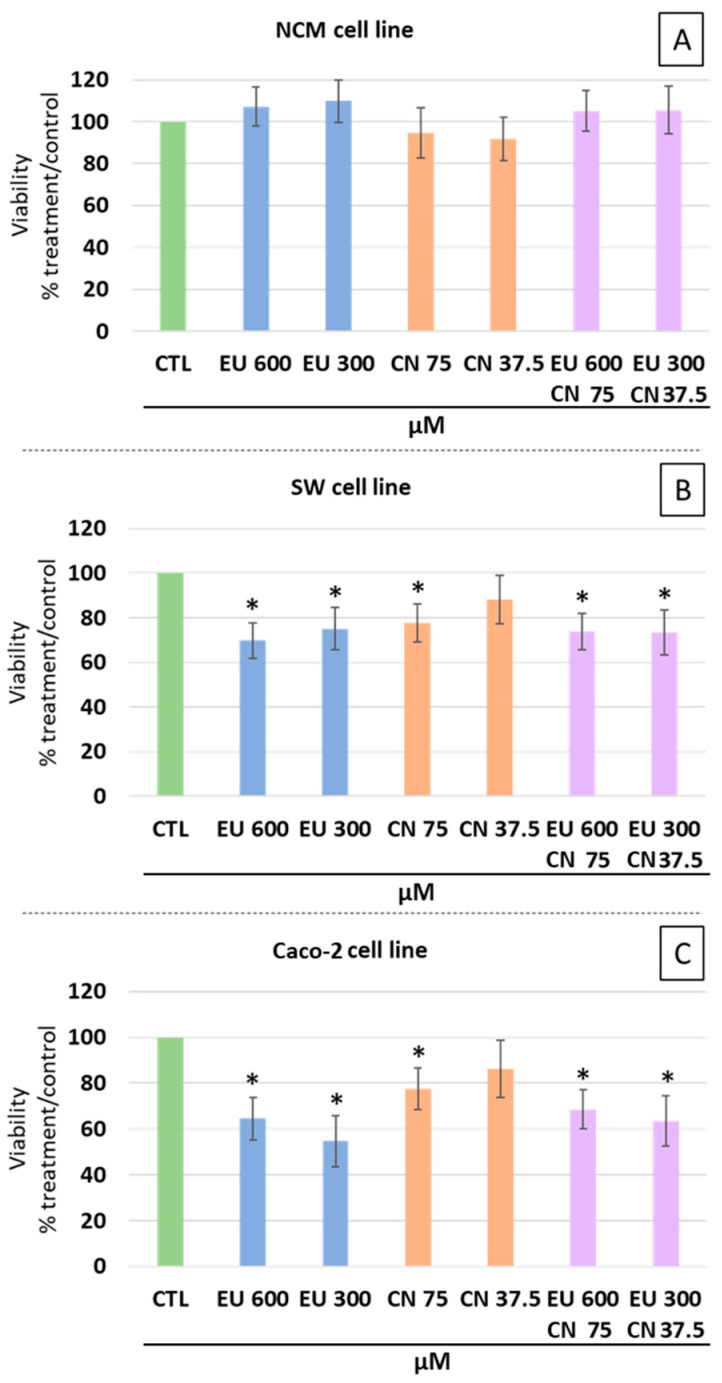 Figure 2
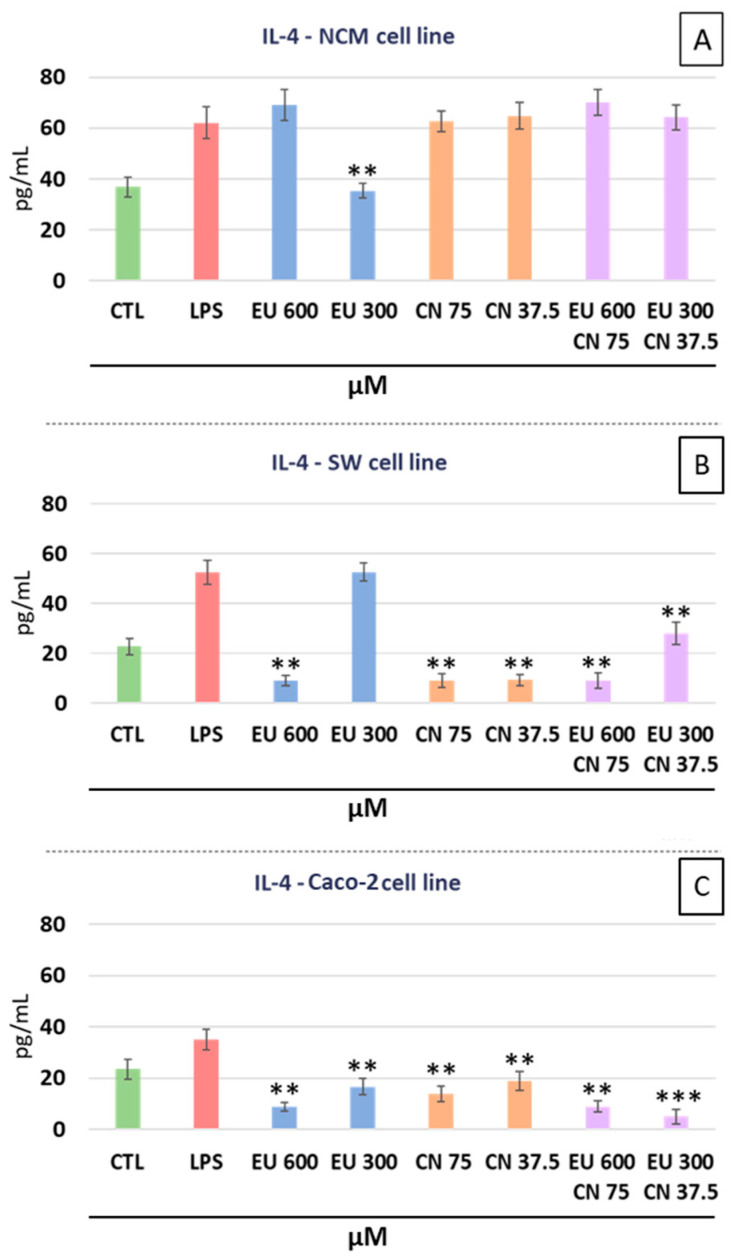 Figure 3
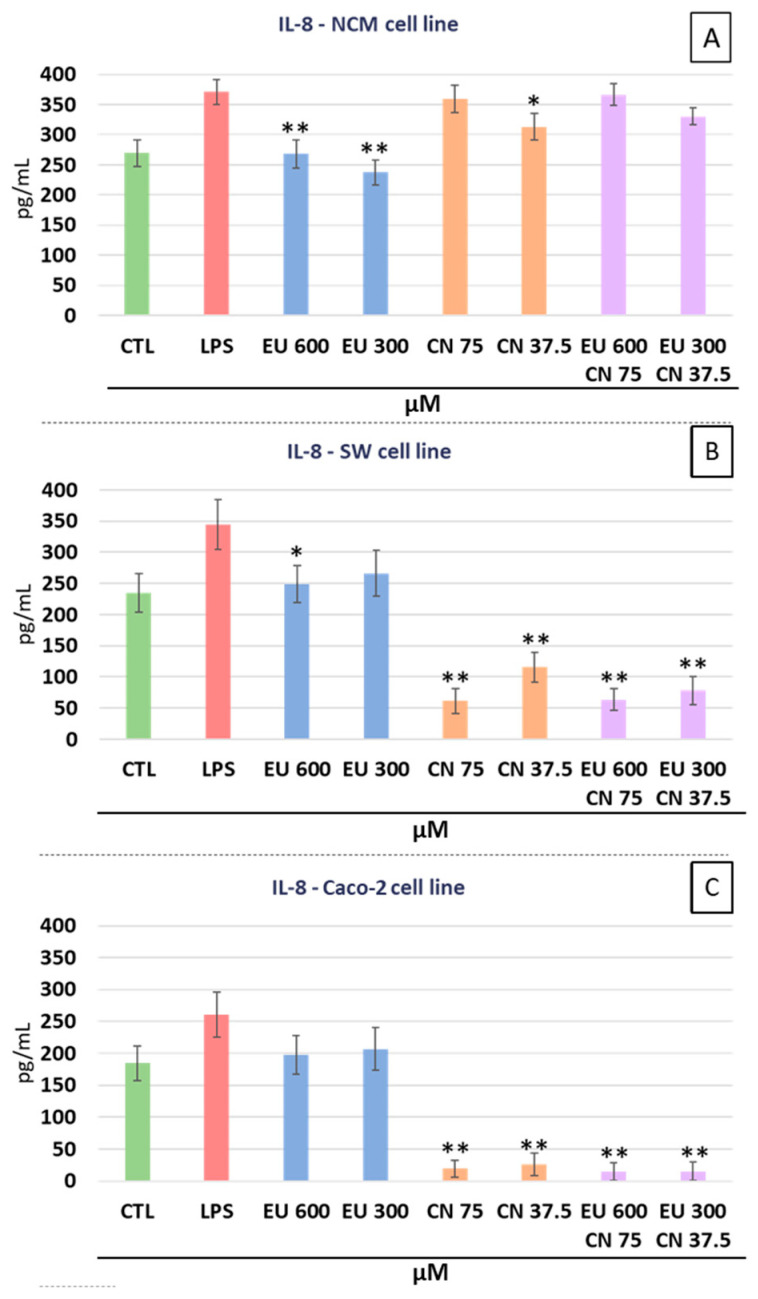 Figure 4
 Figure 5
 Figure 6
 Figure 7
 Figure 8
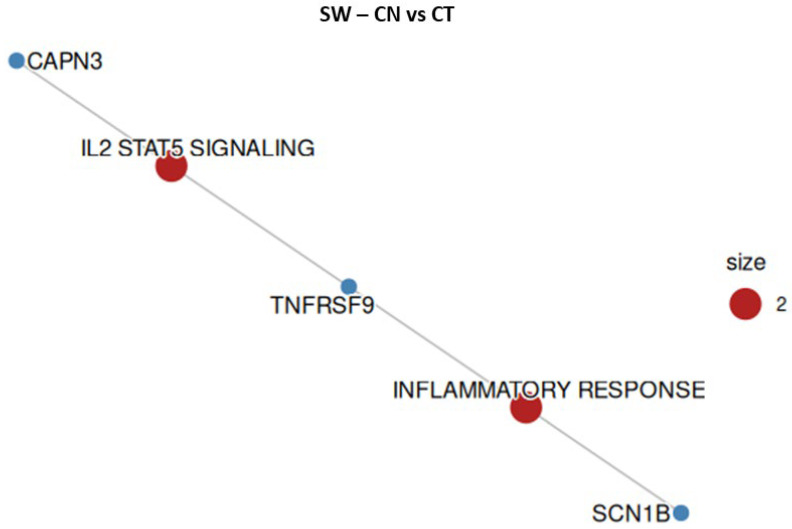 Figure 9
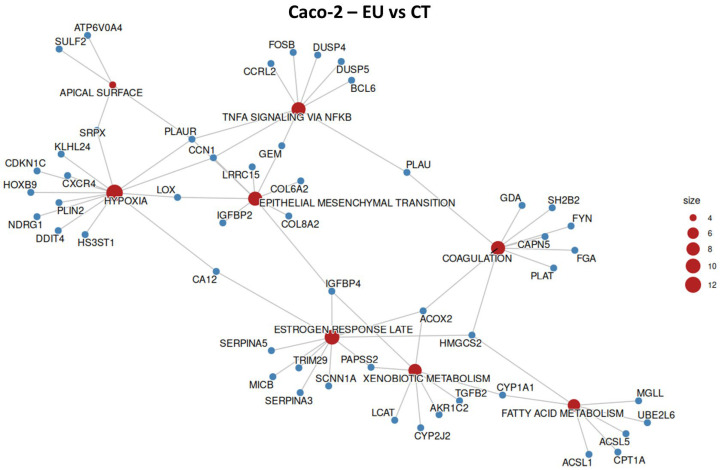 Figure 10
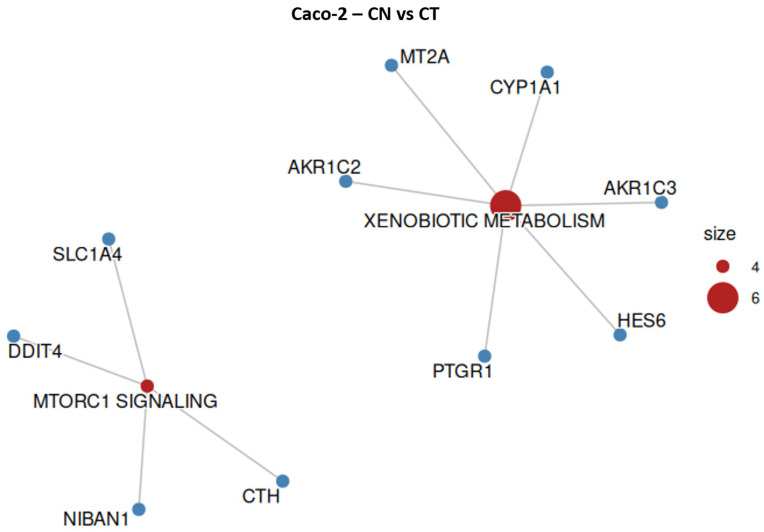 Figure 11
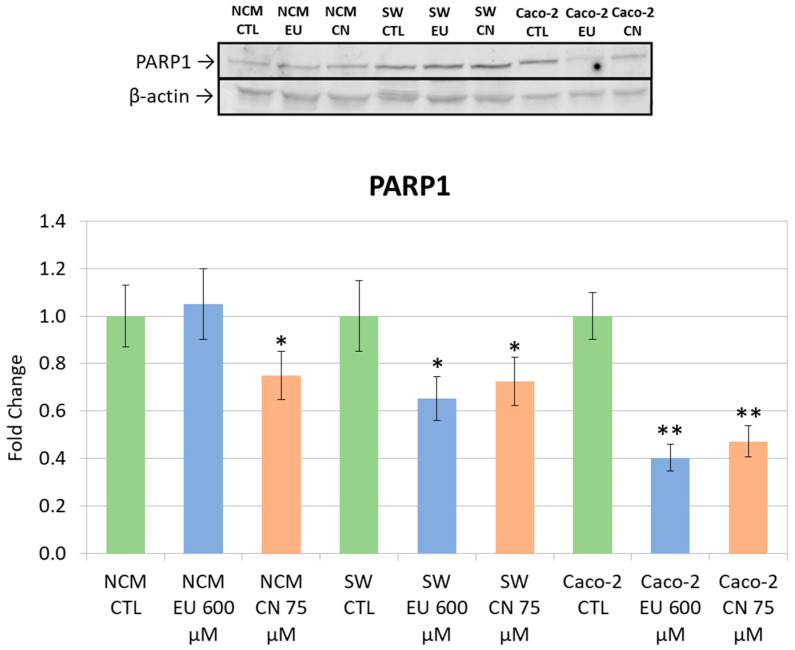 Figure 12
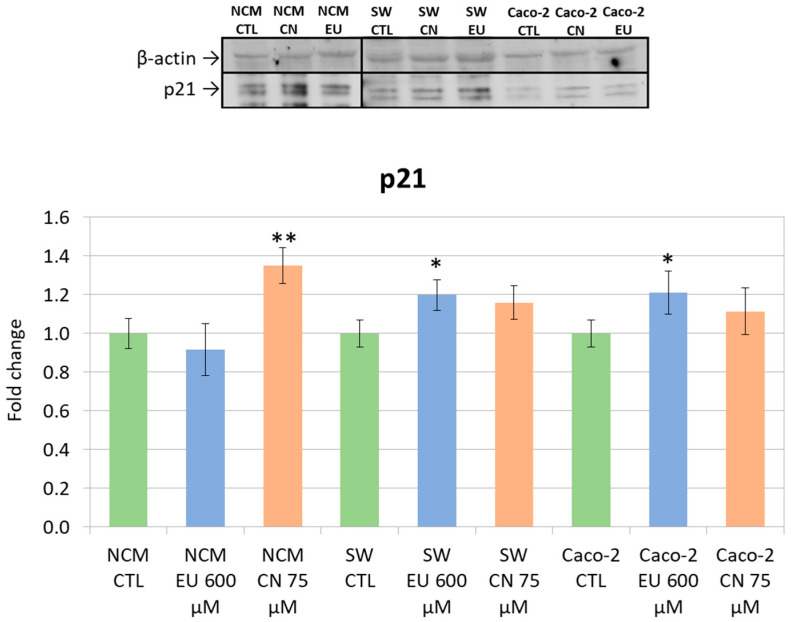 Figure 13
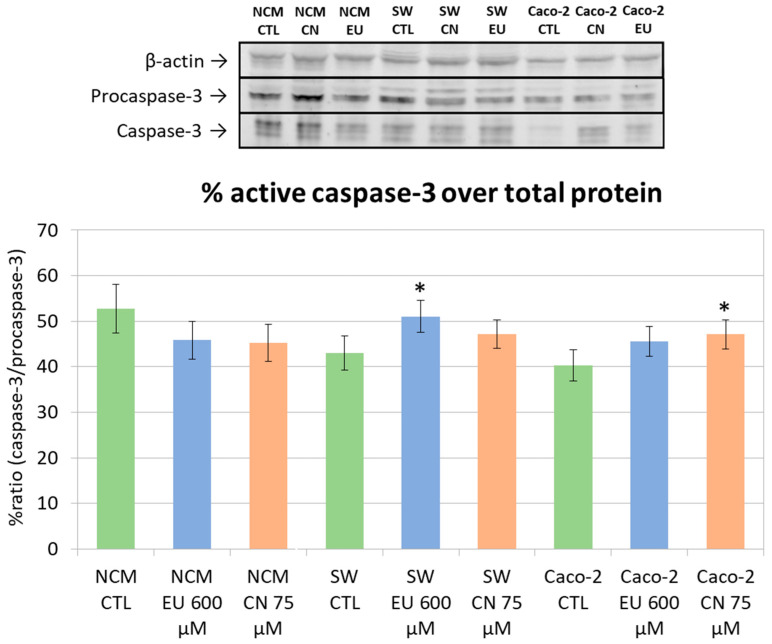 Figure 14
Peer Reviews
No public reviews on file for this paper yet. If you reviewed it on a platform where reviews are public (OpenReview, ICLR, NeurIPS, ICML), you can paste yours below so the community can read it here.
Videos
No videos yet. Explain this paper in a talk, walkthrough, or lecture? Add one.
Taxonomy
TopicsEssential Oils and Antimicrobial Activity · Phytochemical compounds biological activities · Ginger and Zingiberaceae research