Williams Pear Canning-Industrial Residues Suitable for Powdered Products: Effect of Particle Size and Acid Immersion on Physicochemical and Bioactive Properties
Milagros Gomez Mattson, Susana Diez, Paula Sette, Rocío Corfield, Francisco Garrido Makinistian, Carolina Schebor, Lorena Franceschinis, Daniela M. Salvatori

TL;DR
This study explores how to turn pear canning waste into valuable powdered products by adjusting particle size and using acid treatment to enhance their nutritional and functional properties.
Contribution
The study introduces a cost-effective method to valorize pear canning residues into functional ingredients by optimizing acid immersion and particle size.
Findings
Pear canning residue powders contained high dietary fiber (52–54%) and polyphenol content (390–567 mg GAE/100 g).
Acid immersion improved bioaccessibility of polyphenols (83 ± 6%) and antioxidant capacity (58 ± 1%) despite some polyphenol loss.
The C210 sample showed the best physical and stability properties along with high polyphenol levels.
Abstract
Powdered fiber- and polyphenol-rich ingredients derived from pear canning residues were obtained by direct processing. Residues were subjected to acid immersion and subsequent convective drying, milling, and sieving. Drying kinetics were studied to select the best operative drying conditions (70 °C, 3 h) for both acidified (CIT) and non-acidified (C) samples. Two granulometries were also assessed (<210 and <590 μm). The resulting powders (C210, CIT210, C590, CIT590) were characterized as bioactive compounds, techno-functional fiber properties, physical and stability attributes, as well as in vitro bioaccessibility. All powders were rich in dietary fiber (52–54%) and exhibited a polyphenol content ranging from ~390 to 567 mg GAE/100 g on a dry basis for CIT and C powders, respectively. Also presented good hydration properties and low oil absorption. Sample C210 was particularly…
Genes, proteins, chemicals, diseases, species, mutations and cell lines named across the full text — each resolved to its canonical identifier and authoritative record.
Click any figure to enlarge with its caption.
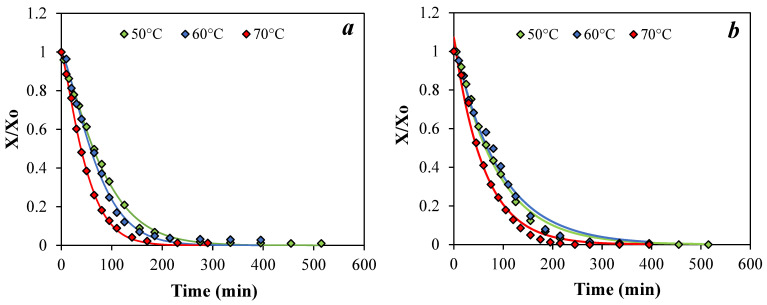 Figure 1
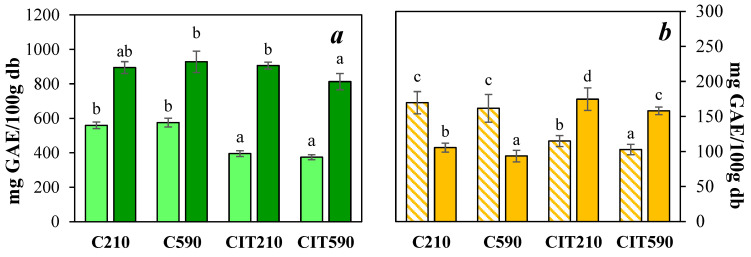 Figure 2
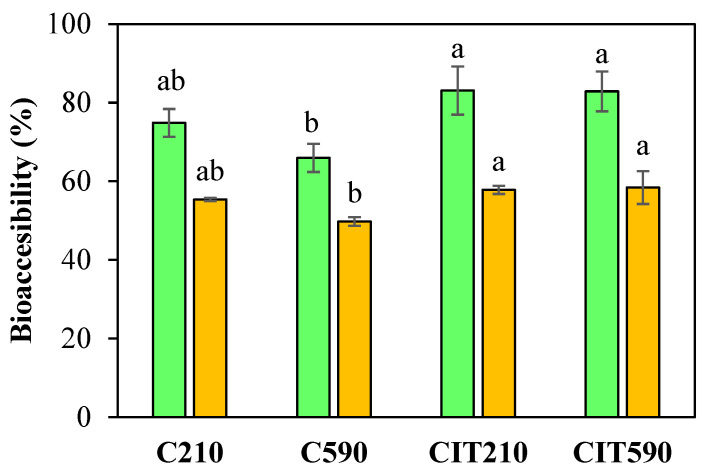 Figure 3
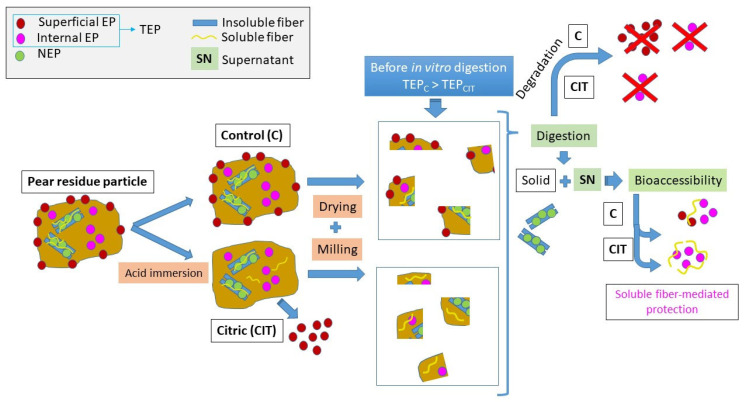 Figure 4
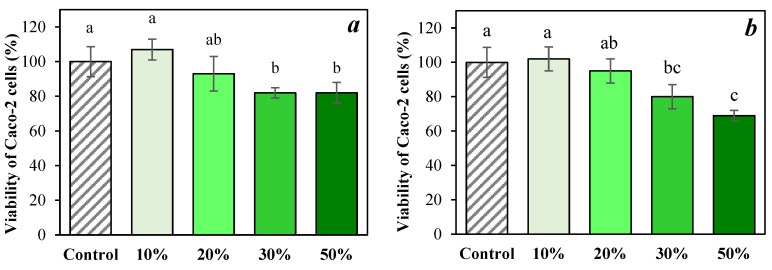 Figure 5
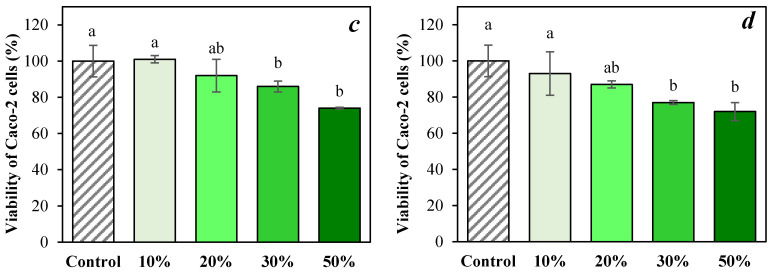 Figure 6
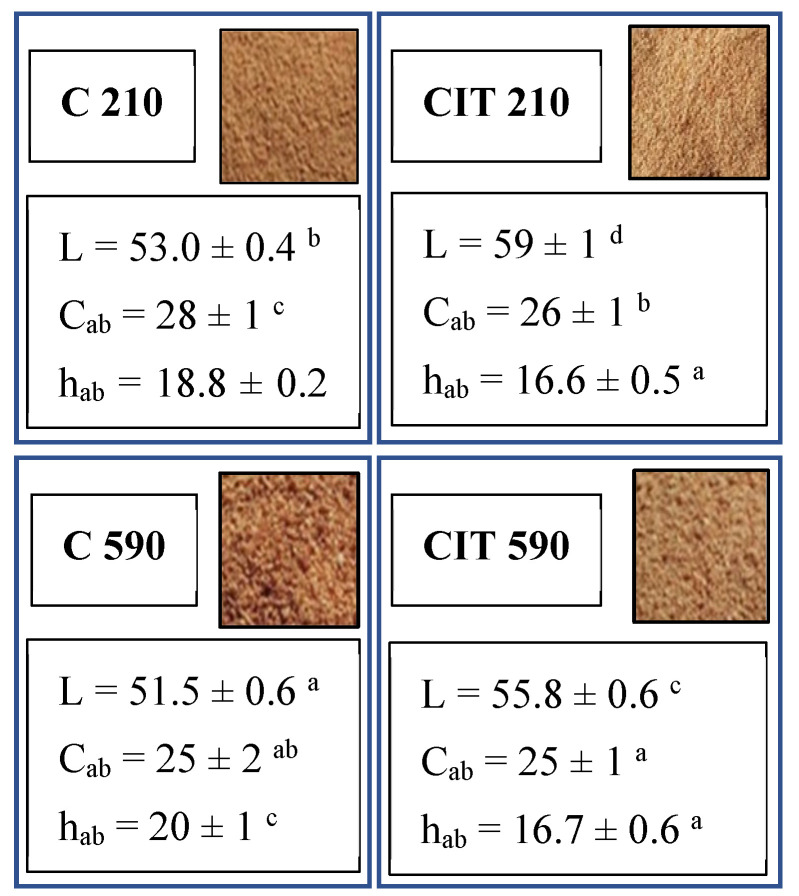 Figure 7
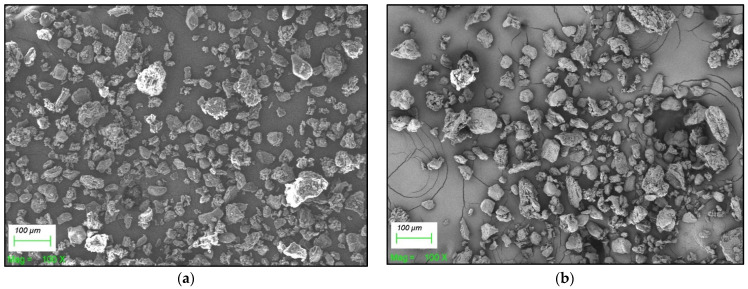 Figure 8
Peer Reviews
No public reviews on file for this paper yet. If you reviewed it on a platform where reviews are public (OpenReview, ICLR, NeurIPS, ICML), you can paste yours below so the community can read it here.
Videos
No videos yet. Explain this paper in a talk, walkthrough, or lecture? Add one.
Taxonomy
TopicsFood Drying and Modeling · Microencapsulation and Drying Processes · Food composition and properties