In Silico Functional and Structural Analysis of STAT4 Variants of Uncertain Significance
Karla Mayela Bravo-Villagra, Eric Jonathan Maciel-Cruz, Rosa Michel Martínez-Contreras, Itzae Adonai Gutiérrez-Hurtado, Alexis Missael Vizcaíno-Quirarte, José Francisco Muñoz-Valle, Andres López-Quintero

TL;DR
This study uses computational tools to analyze uncertain STAT4 gene variants linked to autoimmune diseases, identifying those likely to affect protein function.
Contribution
The novel contribution is an integrative in silico approach combining multiple prediction tools to prioritize variants of uncertain significance in STAT4.
Findings
Eighty missense variants were identified, with 13 showing consistent pathogenic signals across multiple tools.
The rs140675301 variant (Glu128Val) is located in a conserved loop and may alter kinase specificity at serine 130.
Prioritized variants showed altered physicochemical properties like hydrophobicity and hydrogen bonding disruption.
Abstract
Background: The STAT4 gene plays a key role in immune regulation and is associated with susceptibility to autoimmune diseases such as rheumatoid arthritis (RA) and systemic lupus erythematosus (SLE). Objectives: The objective of this study is to analyze variants of uncertain significance (VUSs) in STAT4 using bioinformatics tools to predict their functional and structural impact. Methods: A total of 48,295 variants of the STAT4 gene (ENSG00000138378) were retrieved from the Ensembl database. A tiered filtering approach was used to assess VUS pathogenicity, integrating in silico prediction tools such as SIFT, PolyPhen, MutPred2, and Align-GVGD, as well as structural modeling platforms including Chimera, ModRefiner, Missense3D, HOPE, and DynaMut2. Results: Eighty missense VUSs were identified; of these, 13 were prioritized based on concordant signals across multiple computational…
Genes, proteins, chemicals, diseases, species, mutations and cell lines named across the full text — each resolved to its canonical identifier and authoritative record.
Click any figure to enlarge with its caption.
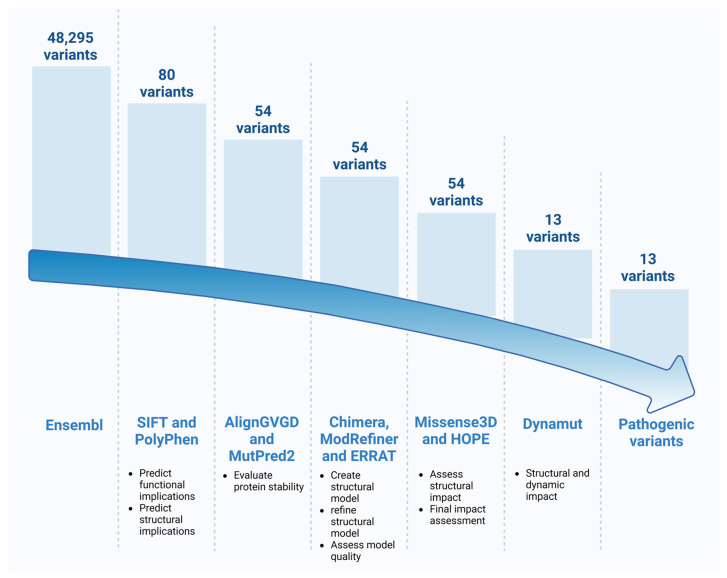 Figure 1
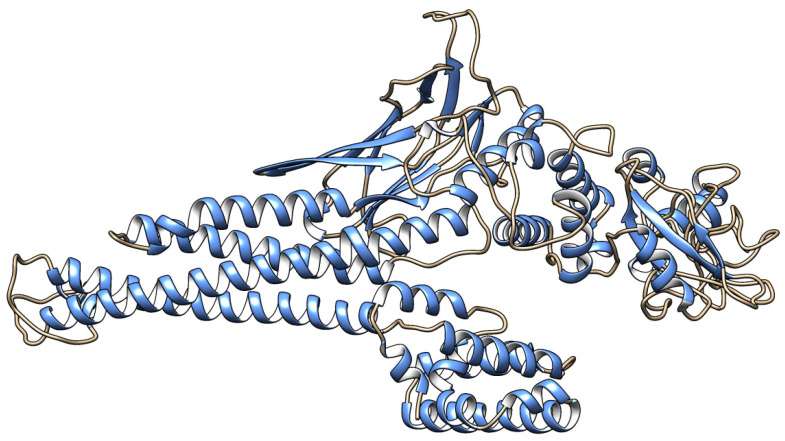 Figure 2
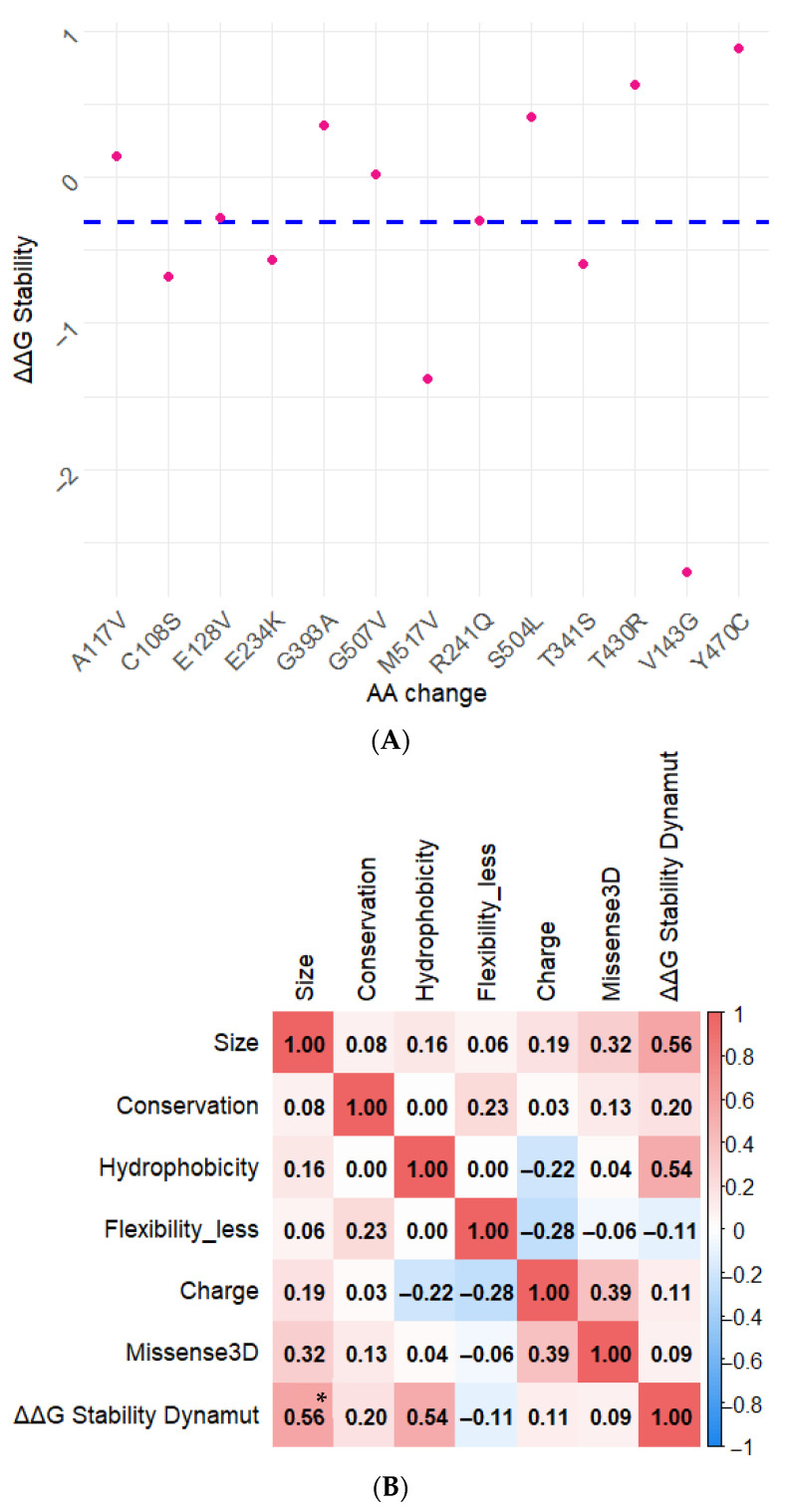 Figure 3
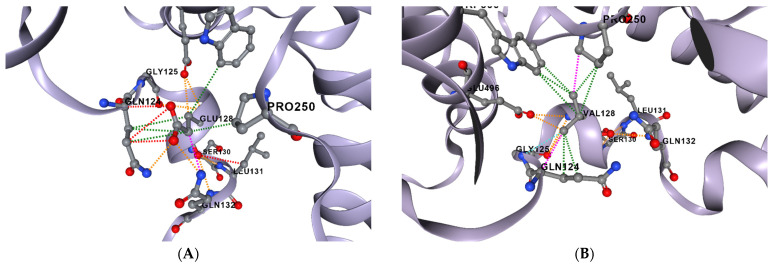 Figure 4
Peer Reviews
No public reviews on file for this paper yet. If you reviewed it on a platform where reviews are public (OpenReview, ICLR, NeurIPS, ICML), you can paste yours below so the community can read it here.
Videos
No videos yet. Explain this paper in a talk, walkthrough, or lecture? Add one.
Taxonomy
TopicsImmunodeficiency and Autoimmune Disorders · Cytokine Signaling Pathways and Interactions · Genomics and Rare Diseases