Molecular Tools for qPCR Identification and STR-Based Individual Identification of Panthera pardus (Linnaeus, 1758)
Karolina Mahlerová, Lenka Vaňková, Daniel Vaněk

TL;DR
This study creates molecular tools to identify leopard species and individuals using DNA from hair and feces, aiding conservation and forensic efforts.
Contribution
A novel qPCR and STR system for species-specific detection and individual identification of leopards is developed and validated.
Findings
The qPCR assay (Ppar Qplex) specifically detects leopard DNA with high sensitivity (down to 1 pg/µL) and specificity.
The STR system successfully generated unique individual profiles for 30 leopards using 18 polymorphic loci.
The assay is robust across different sample types and users, with consistent amplification and no inhibition issues.
Abstract
Background/Objectives The leopard (Panthera pardus), an apex predator listed in CITES Appendix I and classified as Vulnerable by the IUCN, is undergoing severe population declines driven by habitat loss, human–wildlife conflict, and illegal trade. Rapid and reliable species and individual identification is critical for conservation and forensic applications, particularly when analyzing highly processed or degraded seized wildlife products, where morphological identification is often impossible. We aimed to develop and validate a robust multiplex quantitative real-time PCR (qPCR) assay combined with a short tandem repeat (STR) system for the species-specific detection and individual identification of P. pardus. Methods The qPCR assay (Ppar Qplex) was designed to target a mitochondrial Cytochrome b (Cyt b) fragment for species confirmation, a nuclear marker (PLP) for general Feliformia…
Genes, proteins, chemicals, diseases, species, mutations and cell lines named across the full text — each resolved to its canonical identifier and authoritative record.
Click any figure to enlarge with its caption.
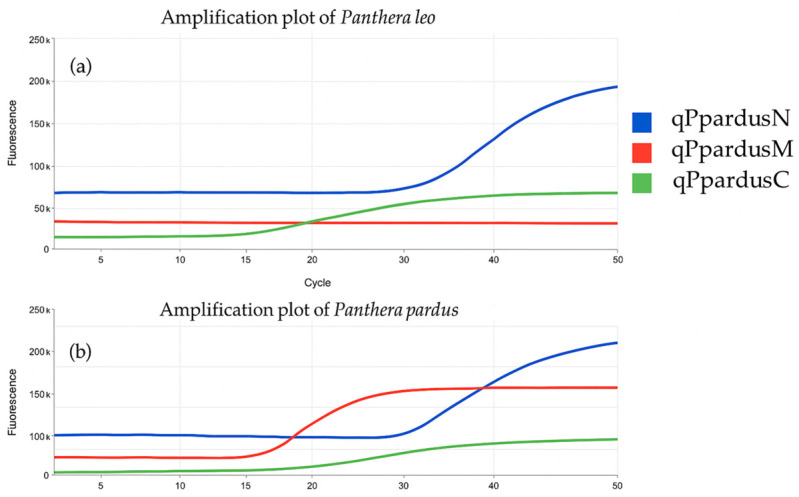 Figure 1
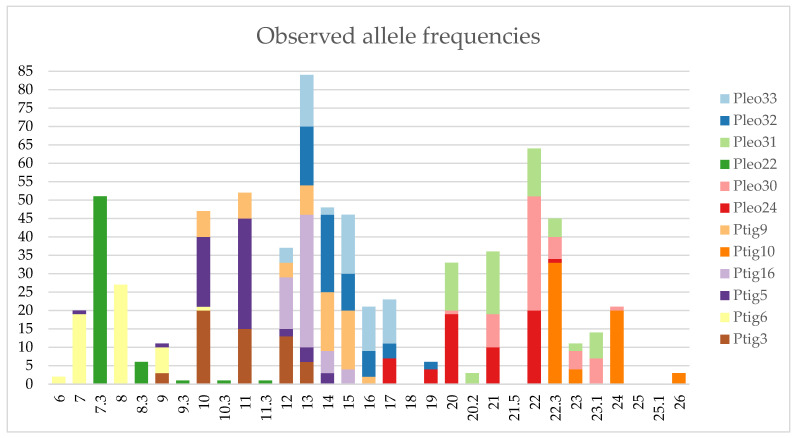 Figure 2
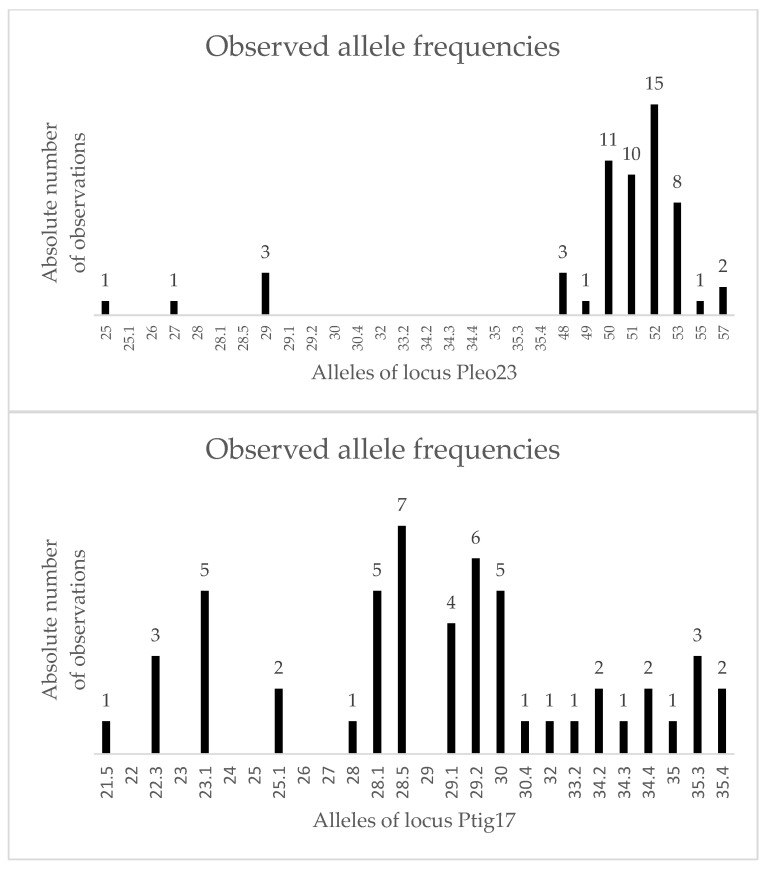 Figure 3
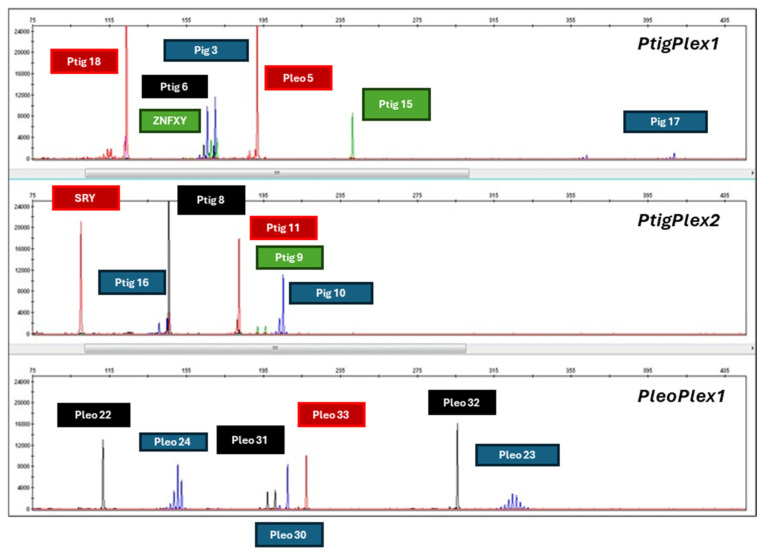 Figure 4
Peer Reviews
No public reviews on file for this paper yet. If you reviewed it on a platform where reviews are public (OpenReview, ICLR, NeurIPS, ICML), you can paste yours below so the community can read it here.
Videos
No videos yet. Explain this paper in a talk, walkthrough, or lecture? Add one.
Taxonomy
TopicsIdentification and Quantification in Food · Wildlife Ecology and Conservation · Forensic and Genetic Research