Comparative Analysis of T-Cell Signatures and Astroglial Reactivity in Parkinson’s Pathology Across Animal Models with Distinct Regenerative Capacities
Simona Intonti, Volker Enzmann, Amalia Perna, Ferdinando Spagnolo, Claudia Curcio, Federica Maria Conedera

TL;DR
This study compares immune responses in Parkinson's disease across different animal models and human tissue, highlighting species-specific differences in T-cell and astroglial activity.
Contribution
The study reveals species-specific immune profiles in Parkinson’s pathology and identifies CD4+ T-cells as contributors to neuronal regeneration in zebrafish.
Findings
Zebrafish showed transient DAergic neurodegeneration followed by regeneration and CD4+ T-cell infiltration.
MPTP-treated mice exhibited permanent neuronal loss, microglial activation, and CD8+ T-cell infiltration.
PD human brains showed DAergic degeneration, aSyn aggregation, and elevated CD3+ T-cell infiltration.
Abstract
Parkinson’s disease (PD) is a progressive neurodegenerative disorder characterized by the selective loss of dopaminergic (DAergic) neurons in the substantia nigra (SN) and the accumulation of misfolded α-synuclein (aSyn). In addition to neuronal pathology, activated microglia are recognized as key mediators of the neuroinflammatory milieu in PD, contributing to DAergic neuron vulnerability. Emerging evidence suggests that the immune system, particularly T-cell-mediated responses, plays a key role in the pathogenesis of PD. However, the heterogeneity of these immune responses across species and preclinical models with varying regenerative capacities remains poorly understood. A comparative analysis of T-cell infiltration, astroglial reactivity, and DAergic neuronal loss across multiple models and species was performed. These included acute DAergic degeneration induced by…
Genes, proteins, chemicals, diseases, species, mutations and cell lines named across the full text — each resolved to its canonical identifier and authoritative record.
Click any figure to enlarge with its caption.
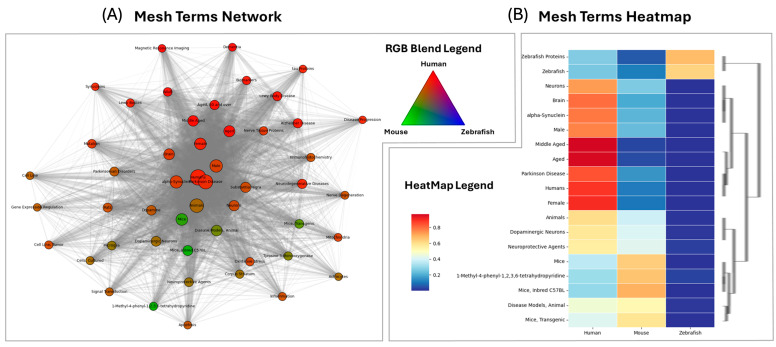 Figure 1
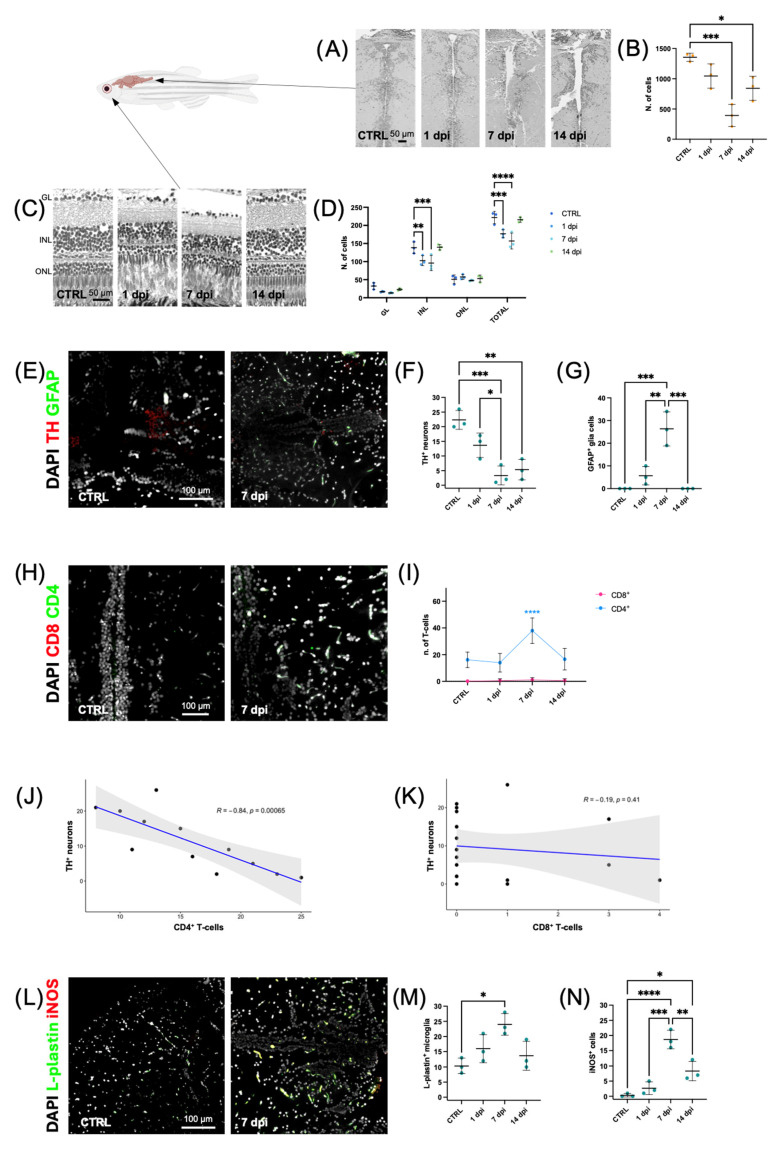 Figure 2
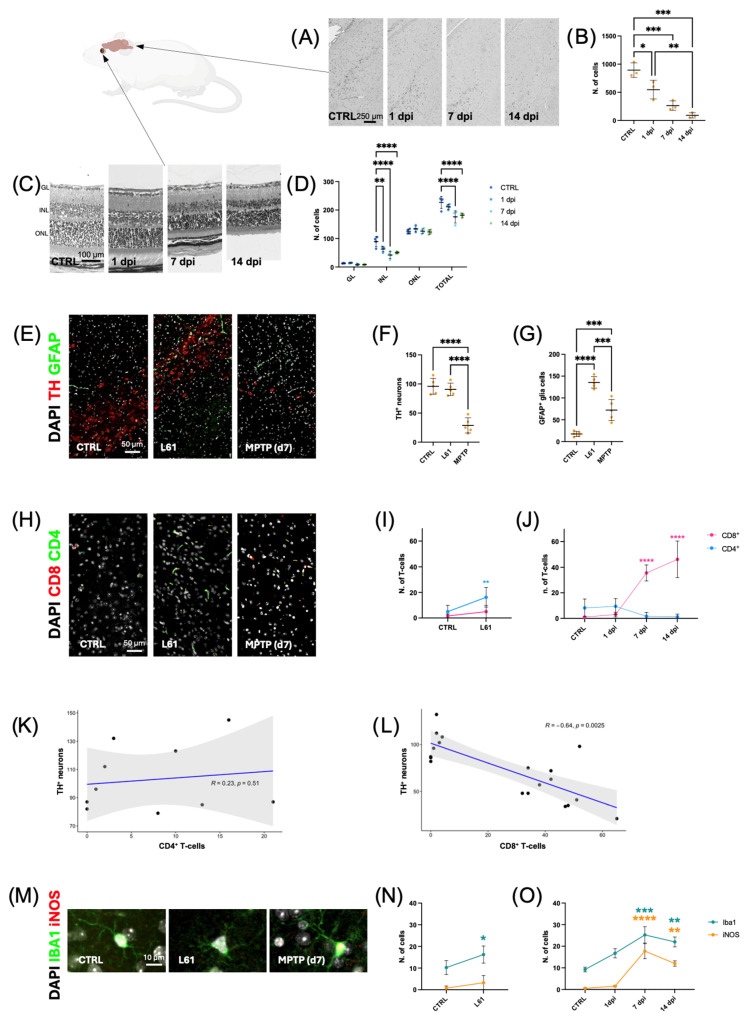 Figure 3
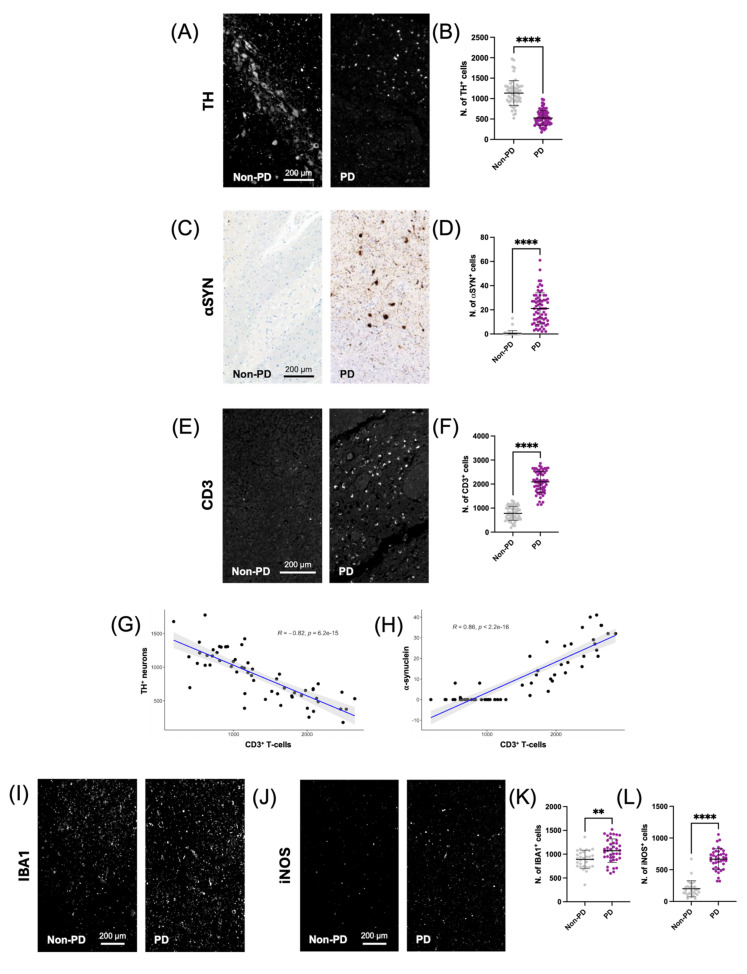 Figure 4
Peer Reviews
No public reviews on file for this paper yet. If you reviewed it on a platform where reviews are public (OpenReview, ICLR, NeurIPS, ICML), you can paste yours below so the community can read it here.
Videos
No videos yet. Explain this paper in a talk, walkthrough, or lecture? Add one.
Taxonomy
TopicsNeuroinflammation and Neurodegeneration Mechanisms · Parkinson's Disease Mechanisms and Treatments · Nuclear Receptors and Signaling