Identification of Immune&Driver Molecular Subtypes Optimizes Immunotherapy Strategies for Gastric Cancer
Jing Gan, Bo Yang, Shuangshuang Wang, Hongbo Zhu, Manyi Xu, Yongle Xu, Xinrong Li, Wenbo Dong, Yusen Zhao, Mengmeng Liu, Wei Feng, Yujie Liu, Junjie Duan, Shangwei Ning, Hui Zhi

TL;DR
This study identifies two molecular subtypes of gastric cancer that respond differently to immunotherapy and chemotherapy, helping to optimize treatment strategies.
Contribution
The novel contribution is the integration of immune and driver gene data to define subtypes with distinct immunotherapy and chemotherapy sensitivities.
Findings
CS1 subtype is associated with better prognosis and sensitivity to chemotherapy.
CS2 subtype shows higher immune activity and better response to immunotherapy.
A prediction model for immunotherapy response achieved high accuracy in gastric cancer and melanoma datasets.
Abstract
Immunotherapy has become a promising treatment for gastric cancer. However, its effectiveness varies significantly across subtypes because of heterogeneous immune microenvironments and genomic alterations. Here, we established Immune&Driver molecular subtypes CS1 and CS2 by systematically integrating multi-omics data for immune-related and driver genes. CS1 was linked to a better prognosis, while CS2 represented a poorer prognostic phenotype. CS1 displayed enhanced genomic instability, marked by higher mutation frequency and chromosomal alterations. In contrast, CS2 exhibited higher immune activity, with a higher density of immune cell infiltration and increased expression of chemokines and immune checkpoint genes. Among FDA-approved anti-cancer agents included in a pan-cancer drug sensitivity prediction framework, CS1 was predicted to be more sensitive to conventional chemotherapeutic…
Genes, proteins, chemicals, diseases, species, mutations and cell lines named across the full text — each resolved to its canonical identifier and authoritative record.
Click any figure to enlarge with its caption.
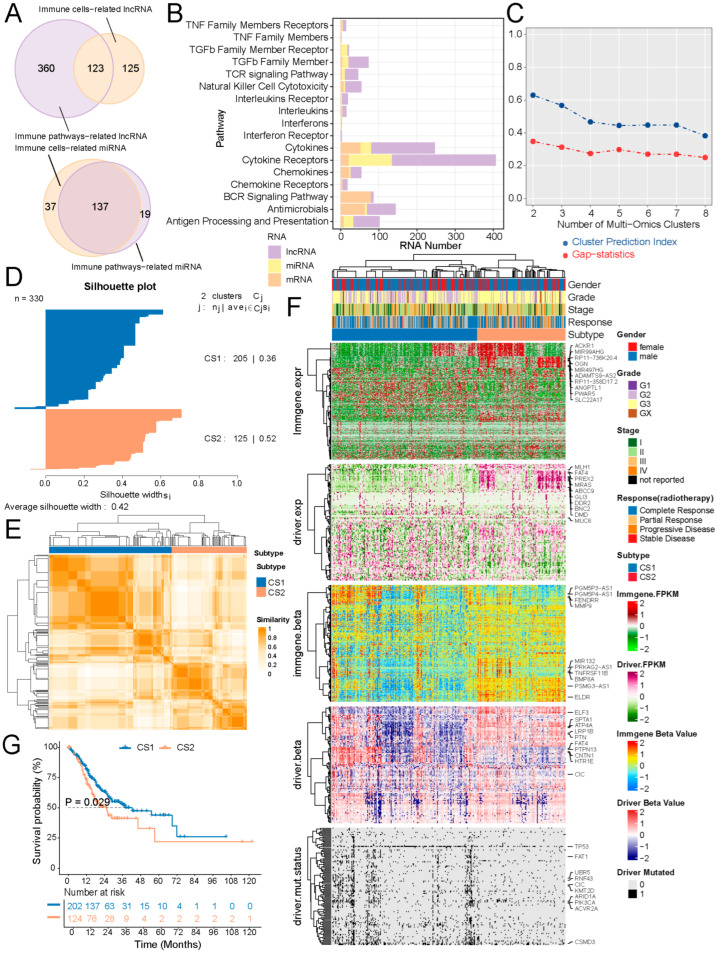 Figure 1
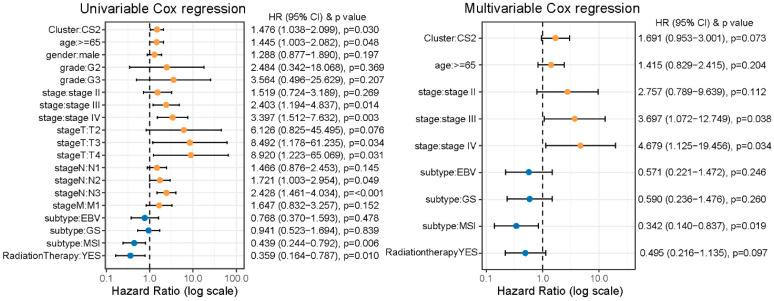 Figure 2
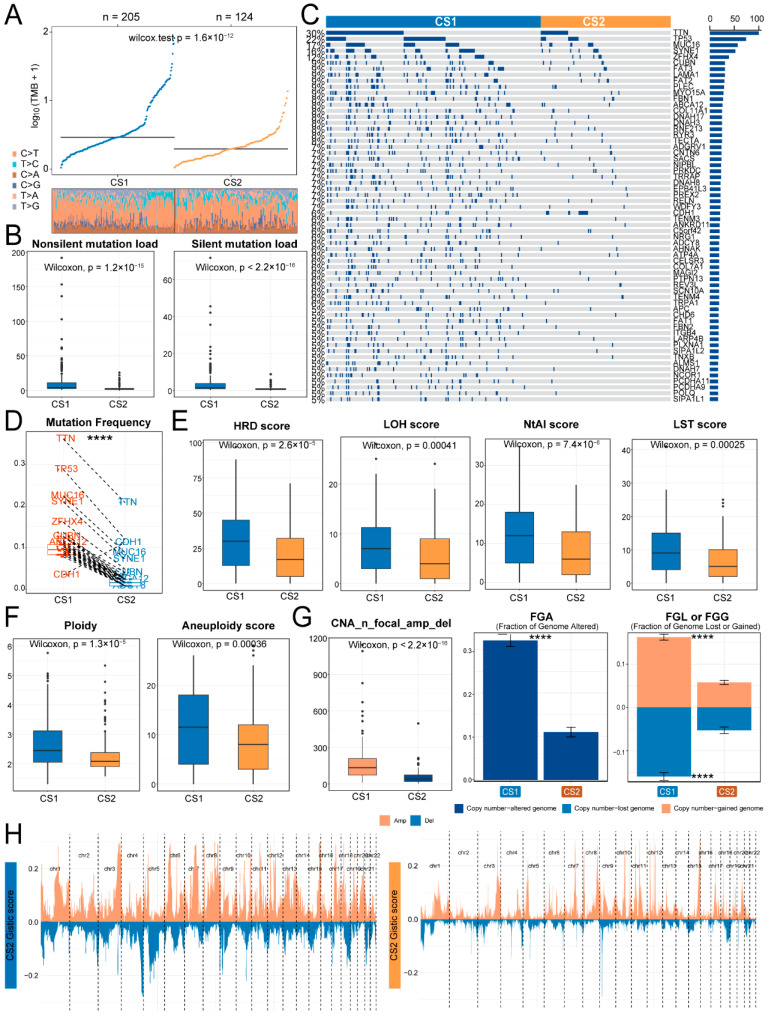 Figure 3
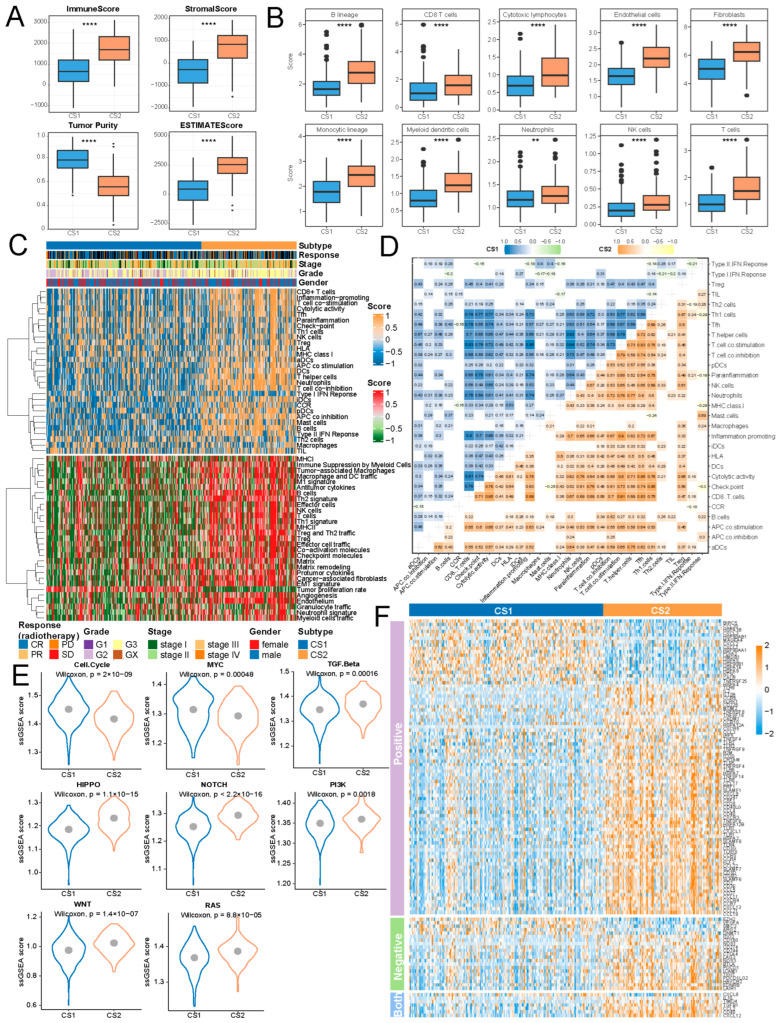 Figure 4
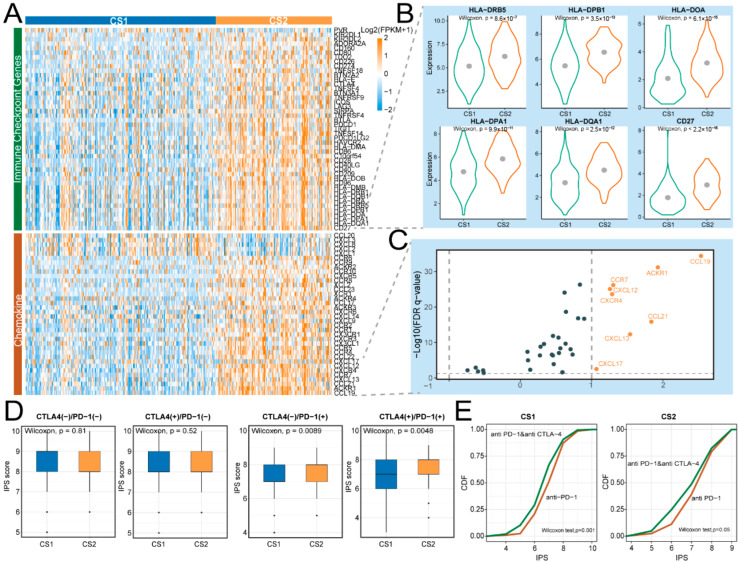 Figure 5
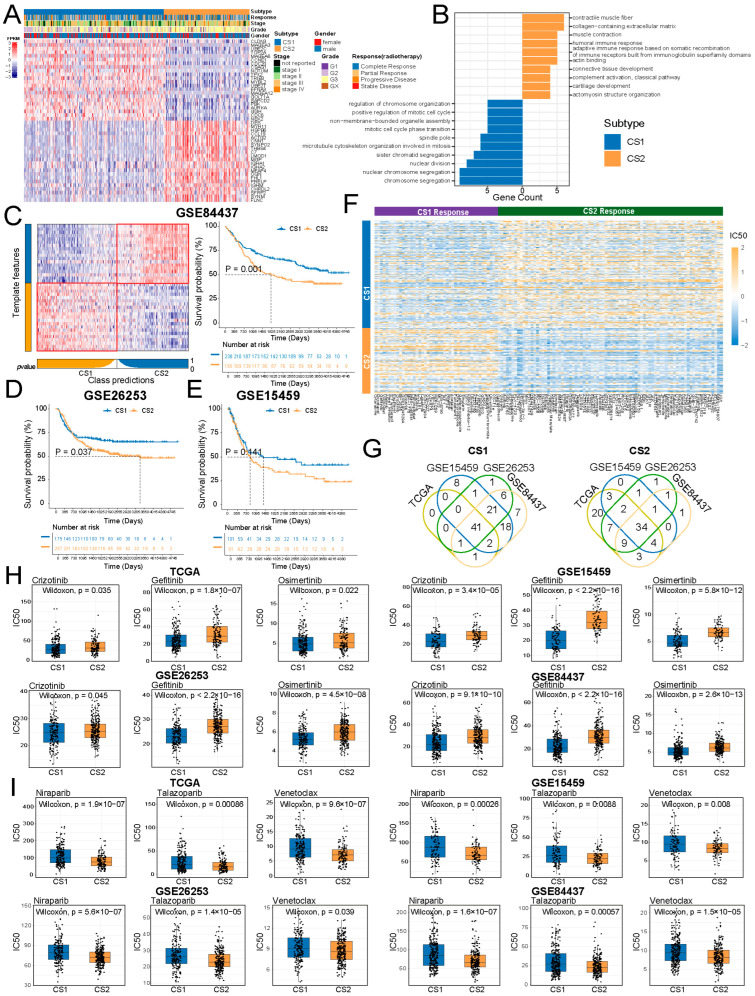 Figure 6
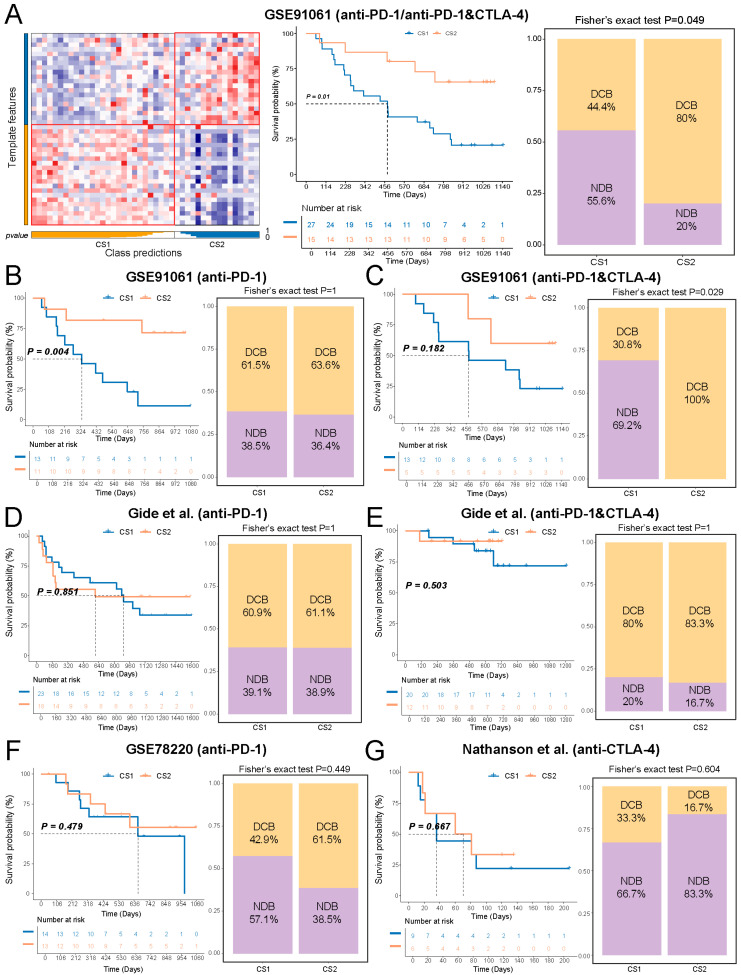 Figure 7
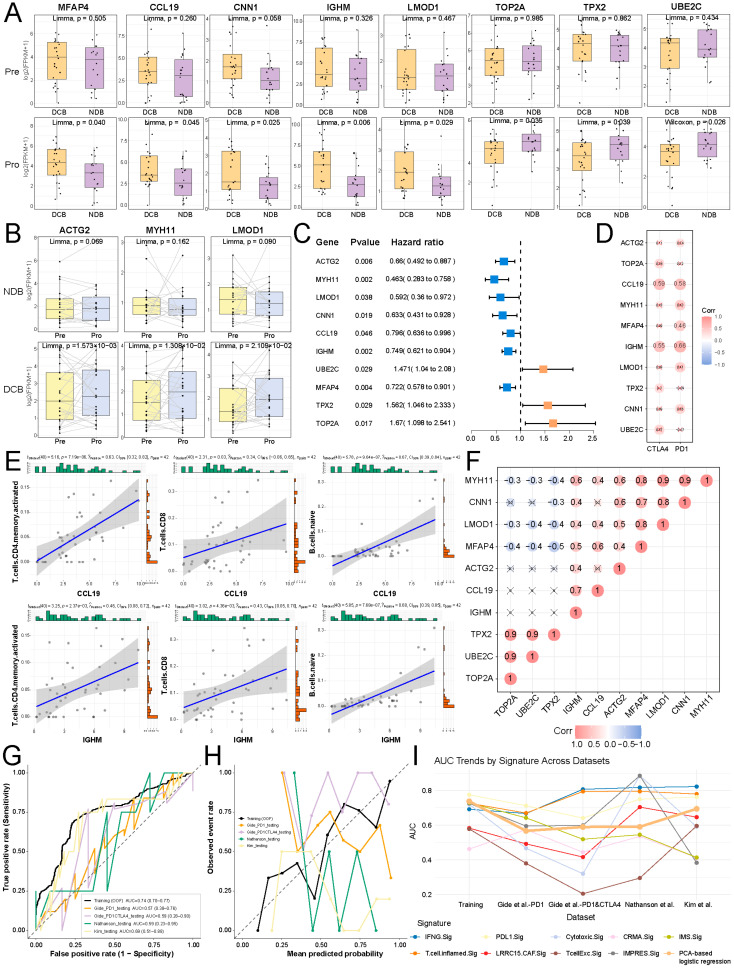 Figure 8
Peer Reviews
No public reviews on file for this paper yet. If you reviewed it on a platform where reviews are public (OpenReview, ICLR, NeurIPS, ICML), you can paste yours below so the community can read it here.
Videos
No videos yet. Explain this paper in a talk, walkthrough, or lecture? Add one.
Taxonomy
TopicsCancer Immunotherapy and Biomarkers · Ferroptosis and cancer prognosis · Immune cells in cancer