Public Health Communication Challenges in Eastern Europe and Central Asia: A Scoping Review
Lisa Lim, Aisha Mukasheva, Augustina Osaromiyeke Alegbe, Adaora Nancy Emehel, Bibigul Aubakirova, Yuliya Semenova

TL;DR
This study reviews public health communication in nine Eastern European and Central Asian countries, finding that outdated systems hinder transparency and worsen health inequalities during crises like the pandemic.
Contribution
The paper provides a critical analysis of communication failures in post-Soviet healthcare systems and emphasizes the need for transparency and trust-building during health crises.
Findings
Centralized communication systems in the region hinder timely information dissemination and increase health inequalities.
Misinformation and disinformation often originate from government sources, undermining public trust.
Effective crisis response requires transparency, evidence-based messaging, and collaboration with medical and civil society actors.
Abstract
This scoping review examines public health communication across nine Eastern European and Central Asian states—Armenia, Azerbaijan, Belarus, Kazakhstan, Kyrgyzstan, Russia, Tajikistan, Turkmenistan, and Uzbekistan—highlighting how these systems have transitioned from Soviet-era legacies to contemporary practices. Eligibility criteria included the English- and Russian-language literature published from 1998 onwards, focusing on nine post-Soviet states. Sources of evidence comprised searches in Google Scholar, ScienceDirect, SSRN, Heliyon, MEDLINE/PubMed, and official government websites. Data were charted by three independent reviewers using a standardized form, with discrepancies resolved by senior reviewers. The review identifies persistent gaps in communication during health crises, with a particular focus on the COVID-19 pandemic, where centralized and hierarchical information flows…
Genes, proteins, chemicals, diseases, species, mutations and cell lines named across the full text — each resolved to its canonical identifier and authoritative record.
Click any figure to enlarge with its caption.
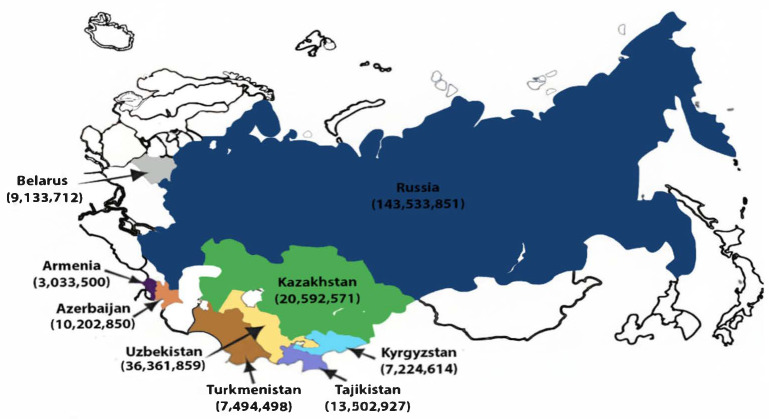 Figure 1
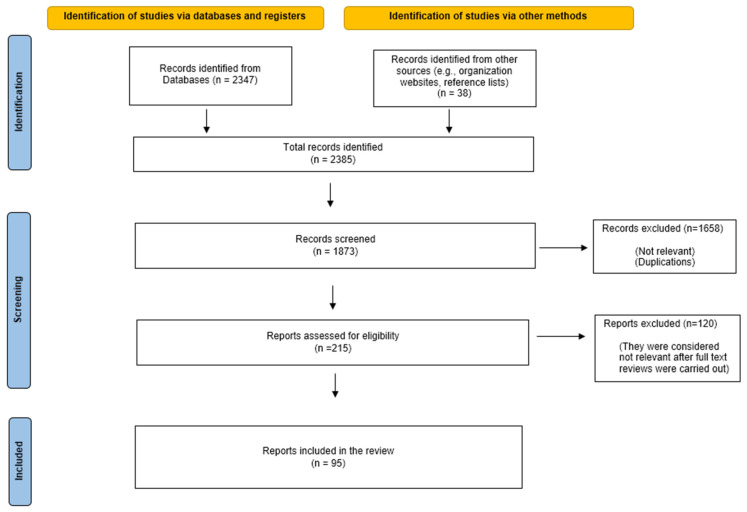 Figure 2
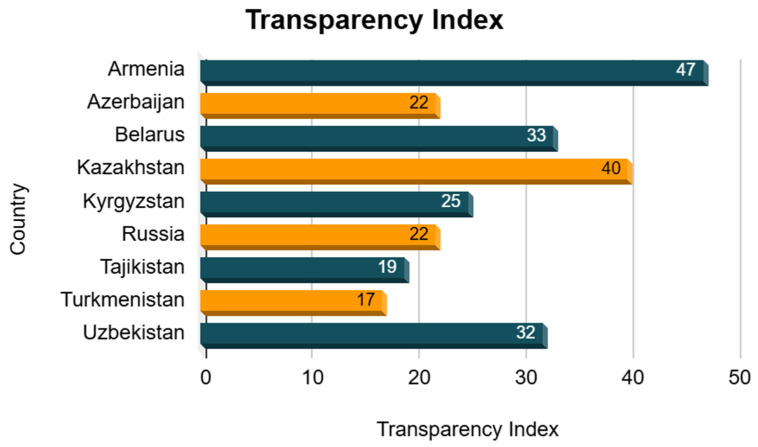 Figure 3
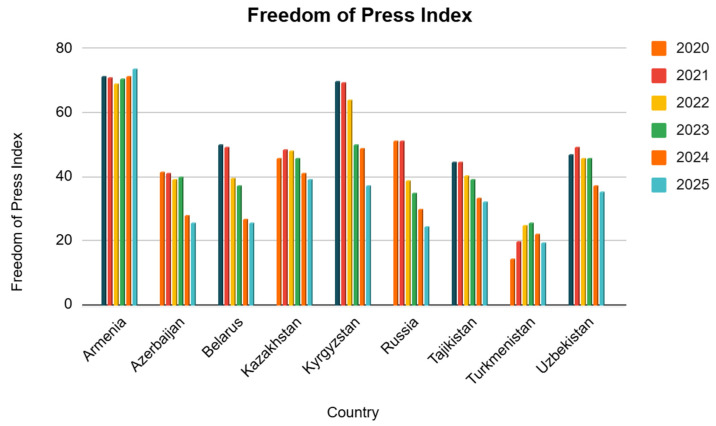 Figure 4
Peer Reviews
No public reviews on file for this paper yet. If you reviewed it on a platform where reviews are public (OpenReview, ICLR, NeurIPS, ICML), you can paste yours below so the community can read it here.
Videos
No videos yet. Explain this paper in a talk, walkthrough, or lecture? Add one.
Taxonomy
TopicsMisinformation and Its Impacts · Vaccine Coverage and Hesitancy · Data-Driven Disease Surveillance