A Systematic Review on GLP-1 Receptor Agonists in Reproductive Health: Integrating IVF Data, Ovarian Physiology and Molecular Mechanisms
Charalampos Voros, Fotios Chatzinikolaou, Ioannis Papapanagiotou, Spyridon Polykalas, Despoina Mavrogianni, Aristotelis-Marios Koulakmanidis, Diamantis Athanasiou, Vasiliki Kanaka, Kyriakos Bananis, Antonia Athanasiou, Aikaterini Athanasiou, Georgios Papadimas

TL;DR
This review explores how GLP-1 receptor agonists affect reproductive health, including ovarian function and fertility outcomes in women, especially those with PCOS.
Contribution
The paper systematically integrates clinical, in vivo, and in vitro data to clarify the molecular and physiological effects of GLP-1RAs on reproductive health.
Findings
GLP-1 receptor agonists improve menstrual regularity and reduce testosterone in PCOS patients.
Liraglutide combined with metformin increases IVF pregnancy rates in PCOS patients.
GLP-1R activation influences granulosa cell proliferation and steroidogenesis via FOXO1 and BMP signaling.
Abstract
Women of reproductive age, especially those with polycystic ovarian syndrome (PCOS), often use glucagon-like peptide-1 receptor agonists (GLP-1RAs) to improve their metabolic functions. A growing body of evidence suggests that GLP-1R signaling may directly affect ovarian physiology, influencing granulosa cell proliferation, survival pathways, and steroidogenic production, in addition to its systemic metabolic effects. Nonetheless, there is a limited comprehension of the molecular mechanisms that regulate these activities and their correlation with menstrual function, reproductive potential, and assisted reproduction. This comprehensive review focuses on ovarian biology, granulosa cell signaling networks, steroidogenesis, and translational fertility outcomes, integrating clinical, in vivo, and in vitro information to elucidate the effects of GLP-1 receptor agonists on reproductive…
Genes, proteins, chemicals, diseases, species, mutations and cell lines named across the full text — each resolved to its canonical identifier and authoritative record.
Click any figure to enlarge with its caption.
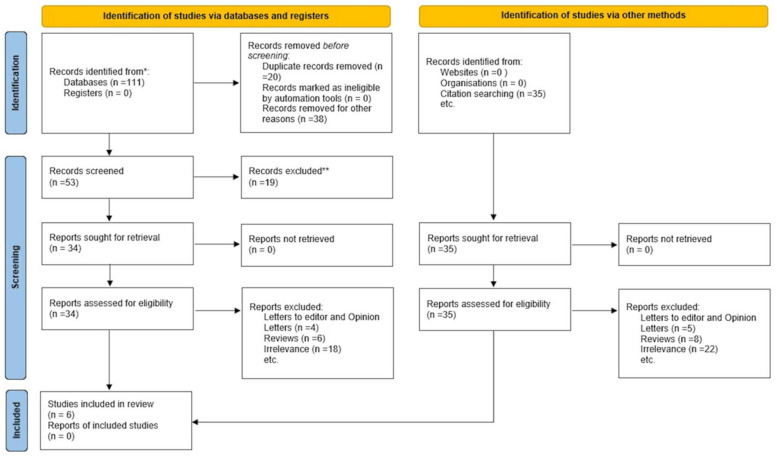 Figure 1
Peer Reviews
No public reviews on file for this paper yet. If you reviewed it on a platform where reviews are public (OpenReview, ICLR, NeurIPS, ICML), you can paste yours below so the community can read it here.
Videos
No videos yet. Explain this paper in a talk, walkthrough, or lecture? Add one.
Taxonomy
TopicsOvarian function and disorders · Diabetes Treatment and Management · Reproductive Biology and Fertility