Rosa x hybrida: A New Tool for Functional Food Development with Triple-Negative Breast Antitumoral Implications
Lorenzo Rivas-Garcia, Tamara Y. Forbes-Hernández, Pablo Cristóbal-Cueto, David Tébar-García, Alfonso Salinas-Castillo, Ana Cristina Abreu, Ignacio Fernández, Pilar Aranda, Juan Llopis, Elena Nebot-Valenzuela, Eva M. Galan-Moya, Cristina Sánchez-González

TL;DR
Rosa x hybrida petals contain bioactive compounds that show antitumoral effects against triple-negative breast cancer, suggesting potential use in functional foods.
Contribution
The study identifies Rosa x hybrida as a novel source of antiproliferative compounds for triple-negative breast cancer.
Findings
Rosa x hybrida petals contain flavonoids like quercetin and kaempferol with antitumoral properties.
The methanolic extract reduced proliferation of both sensitive and resistant TNBC cells.
Antiproliferative effects were linked to apoptosis and autophagy via ROS generation.
Abstract
Edible flowers have garnered increasing attention due to their high content of bioactive compounds, making them promising candidates for biomedical and functional food applications. This work evaluated the metabolomic data of fresh Rosa x hybrida petals, revealing seven types of metabolites, including amino acids, organic acids, vitamins, sugars, phenolic acids, and flavonoids. Notably, quercetin, kaempferol and their derivatives were the main flavonoids determined. Furthermore, in vitro studies were conducted to evaluate the potential antiproliferative effects against triple-negative breast cancer (TNBC). Thus, the methanolic extract derived from Rosa x hybrida petals demonstrated significant antitumoral activity against both sensitive and resistant TNBC cells, as evidenced by reduced MTT metabolization, colony formation, and wound healing activity. Furthermore, the cell death…
Genes, proteins, chemicals, diseases, species, mutations and cell lines named across the full text — each resolved to its canonical identifier and authoritative record.
Click any figure to enlarge with its caption.
 Figure 1
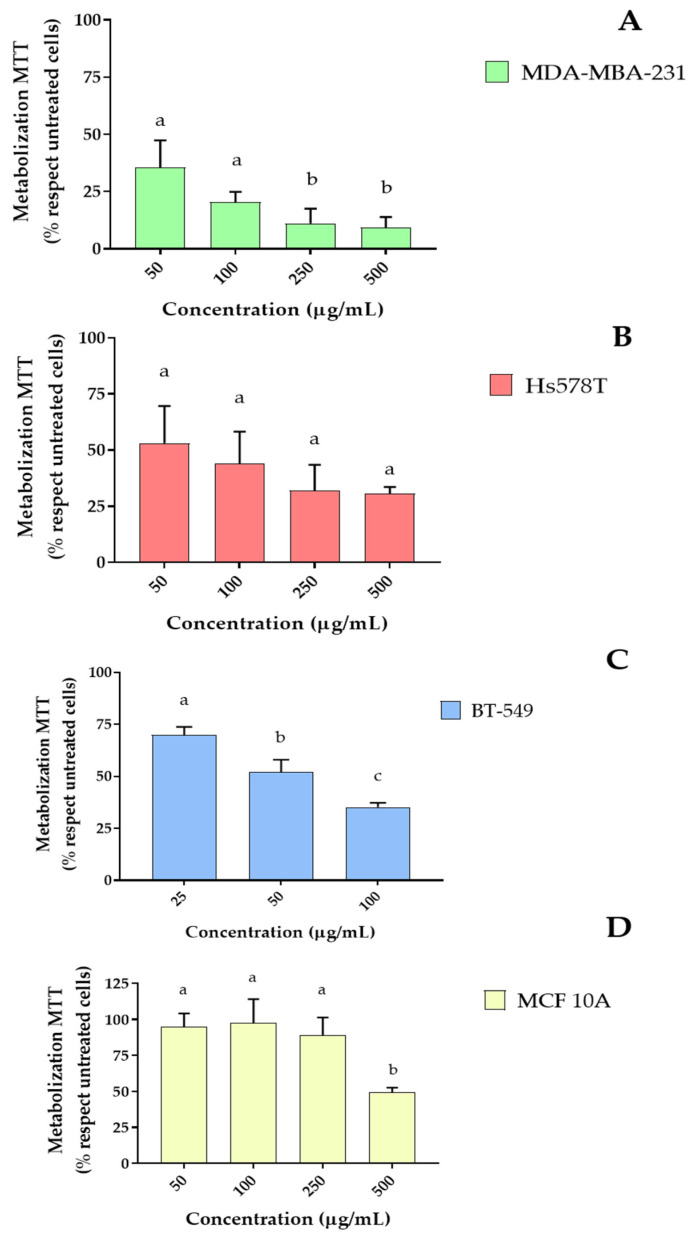 Figure 2
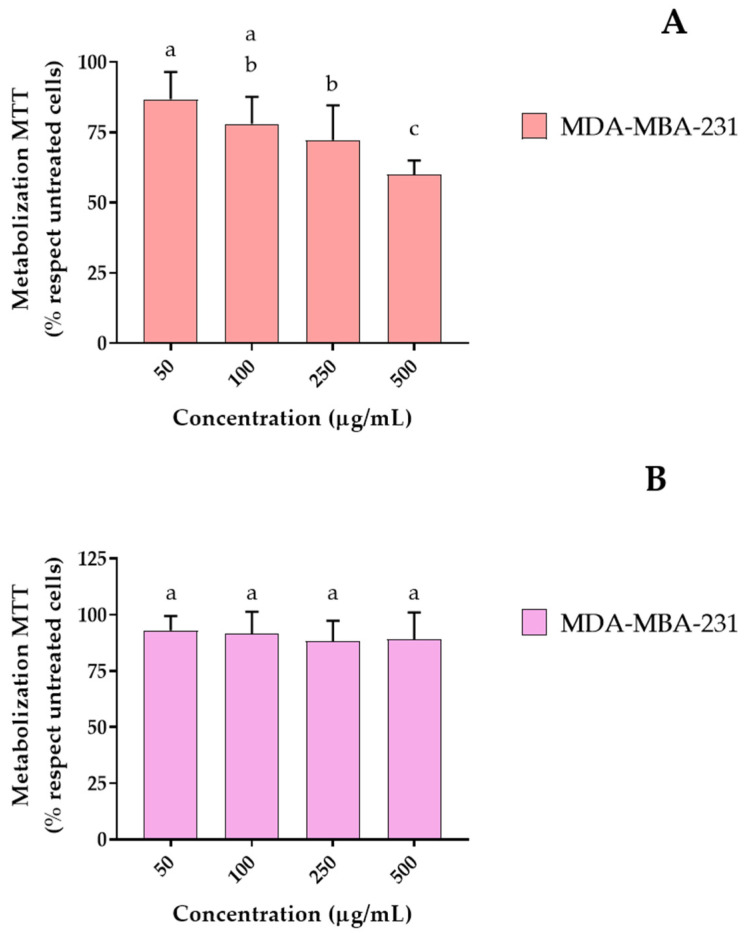 Figure 3
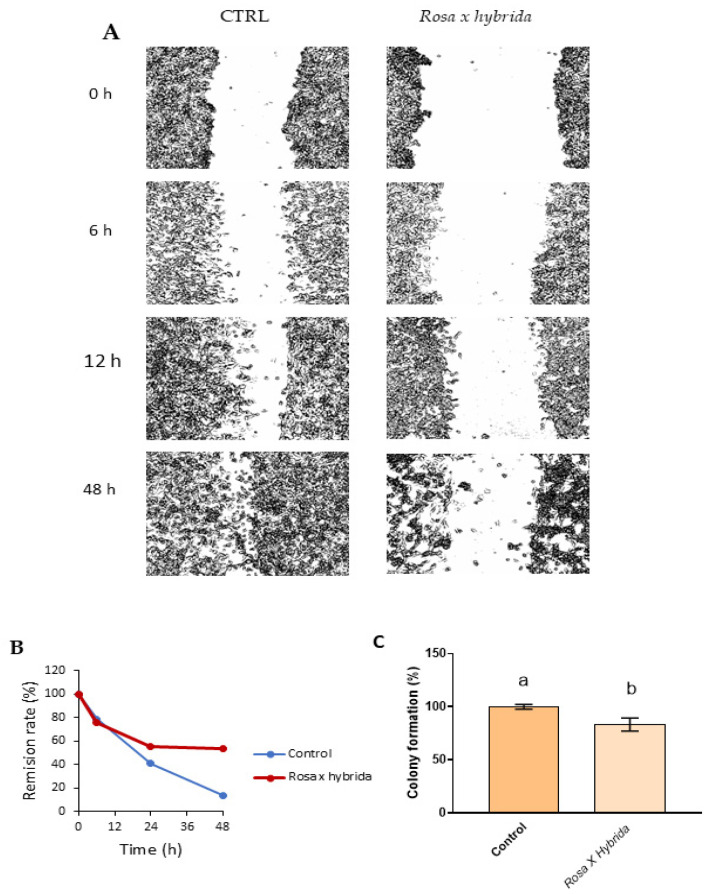 Figure 4
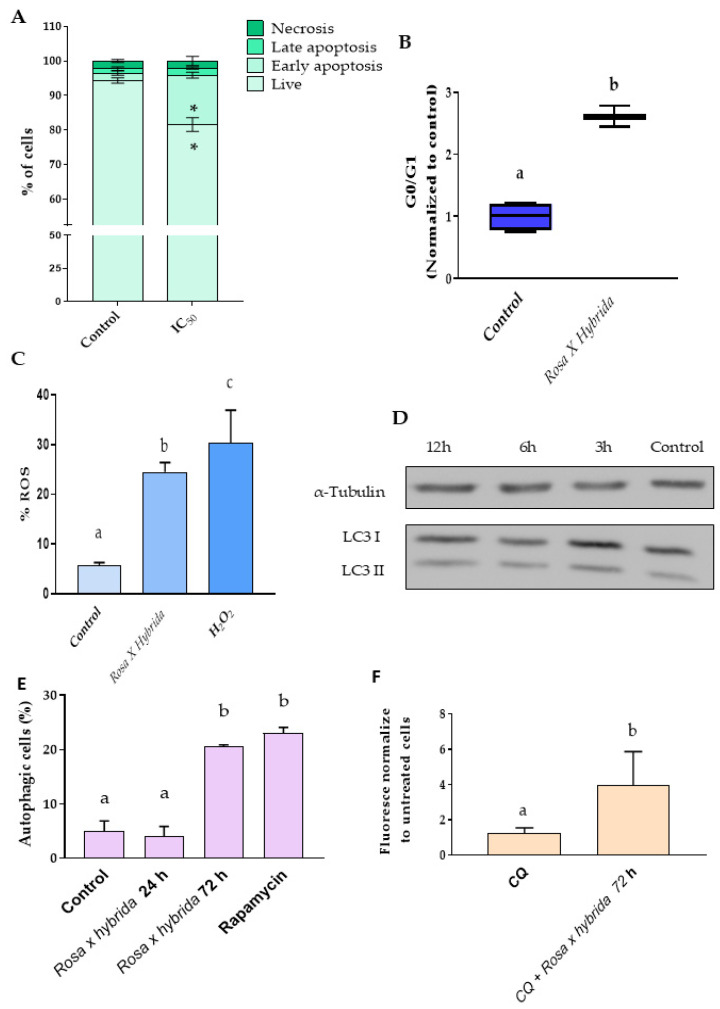 Figure 5
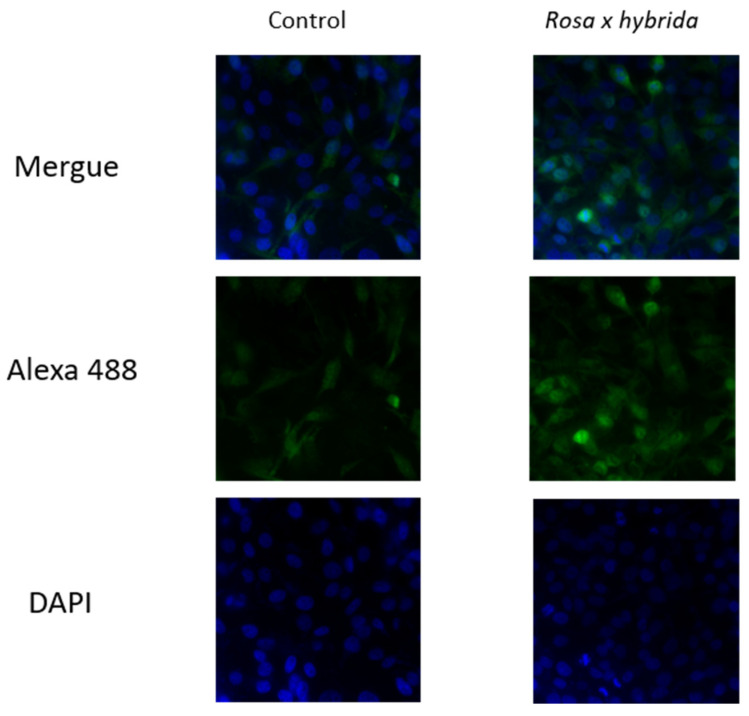 Figure 6
Peer Reviews
No public reviews on file for this paper yet. If you reviewed it on a platform where reviews are public (OpenReview, ICLR, NeurIPS, ICML), you can paste yours below so the community can read it here.
Videos
No videos yet. Explain this paper in a talk, walkthrough, or lecture? Add one.
Taxonomy
TopicsPlant Gene Expression Analysis · Plant biochemistry and biosynthesis · Phytochemicals and Antioxidant Activities