Application of a Temporal Fusion Transformer and Long-Term Climate and Disease Data to Assess the Predictive Power and Understand the Drivers for Malaria and Dengue
Micheal Teron Pillay, Mai Thi Quỳnh Le, Yuki Takamatsu, Tran Vu Phong, Nyakallo Kgalane, Noboru Minakawa

TL;DR
This study uses advanced AI models and climate data to predict and understand malaria and dengue outbreaks, helping public health teams prepare in advance.
Contribution
The study introduces a deep-learning framework using Temporal Fusion Transformers to predict malaria and dengue with high accuracy and interpretability.
Findings
The best malaria model achieved an R2 of 0.95 and an MAE of 4.98.
Extreme temperature and rainfall metrics were the strongest predictors of disease outbreaks.
ENSO and IOD improved longer-range malaria forecasts and revealed non-stationary climate–disease relationships.
Abstract
Public health relevance—How does this work relate to a public health issue? Malaria and dengue remain major vector-borne disease burdens whose transmission is strongly shaped by climate variations and forcing.These diseases are difficult to detect in real time because clinical case data often lag behind environmental changes. Malaria and dengue remain major vector-borne disease burdens whose transmission is strongly shaped by climate variations and forcing. These diseases are difficult to detect in real time because clinical case data often lag behind environmental changes. Public health significance—Why is this work of significance to public health? The model identifies which climate features become most informative at different prediction horizons, giving public health programs clearer signals about when environmental changes become actionable.By extracting climate “risk-profiles”…
Genes, proteins, chemicals, diseases, species, mutations and cell lines named across the full text — each resolved to its canonical identifier and authoritative record.
Click any figure to enlarge with its caption.
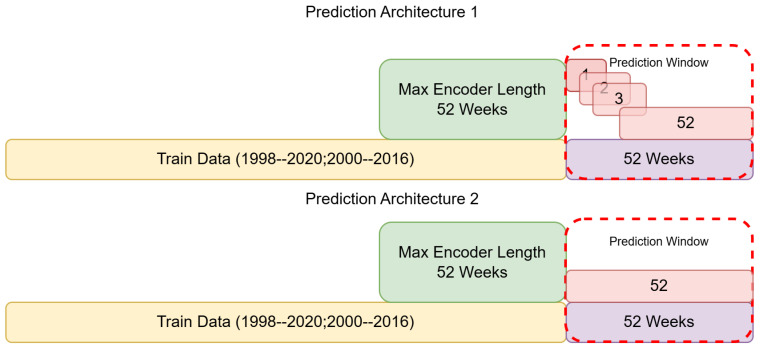 Figure 1
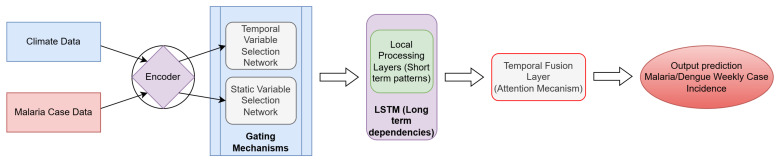 Figure 2
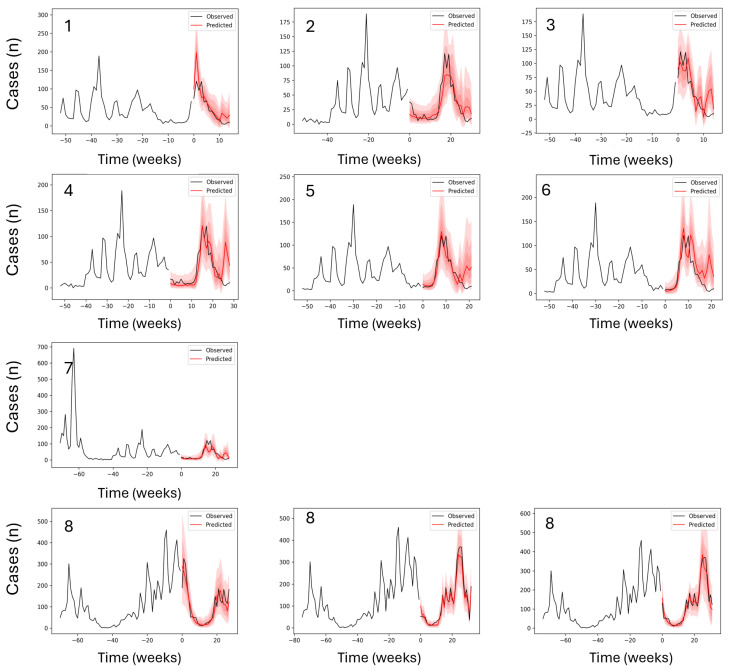 Figure 3
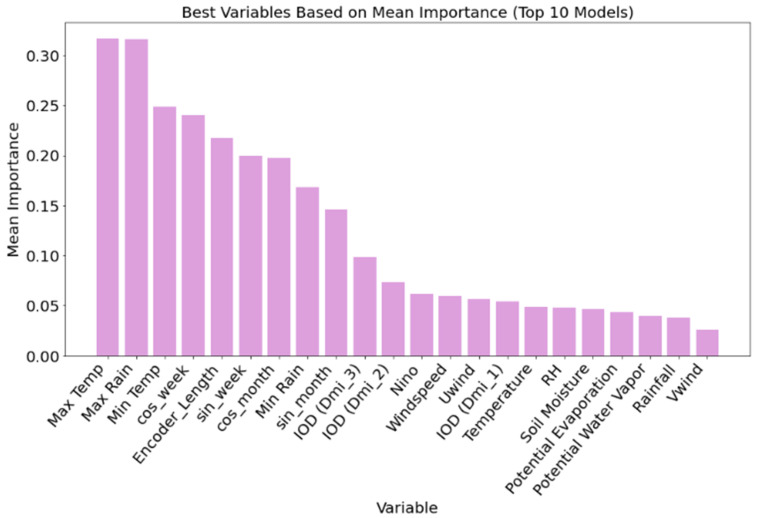 Figure 4
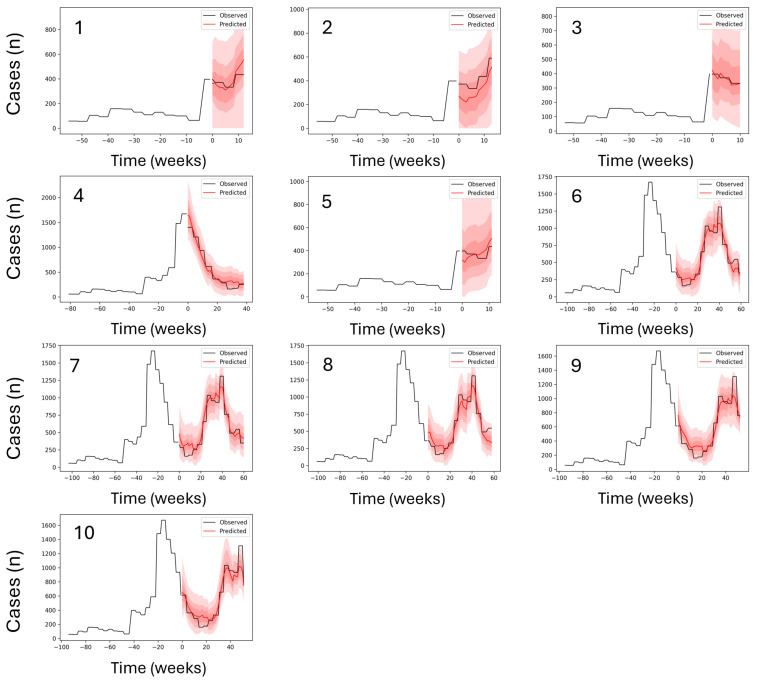 Figure 5
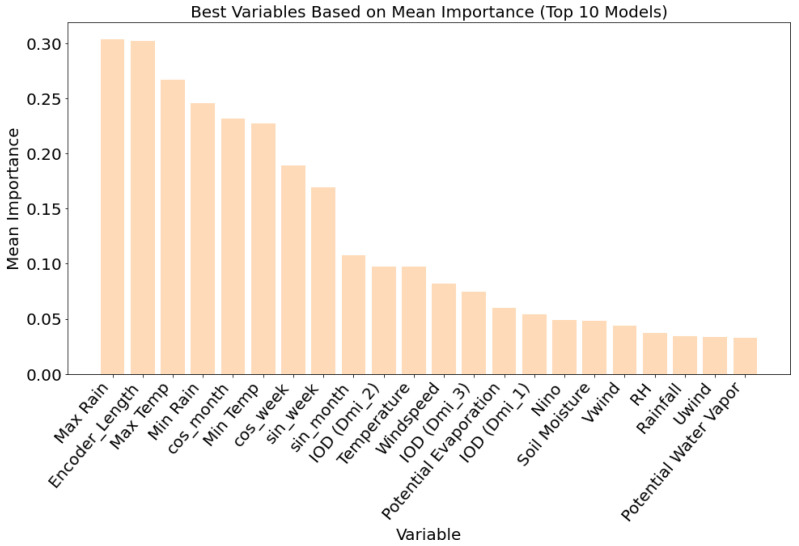 Figure 6
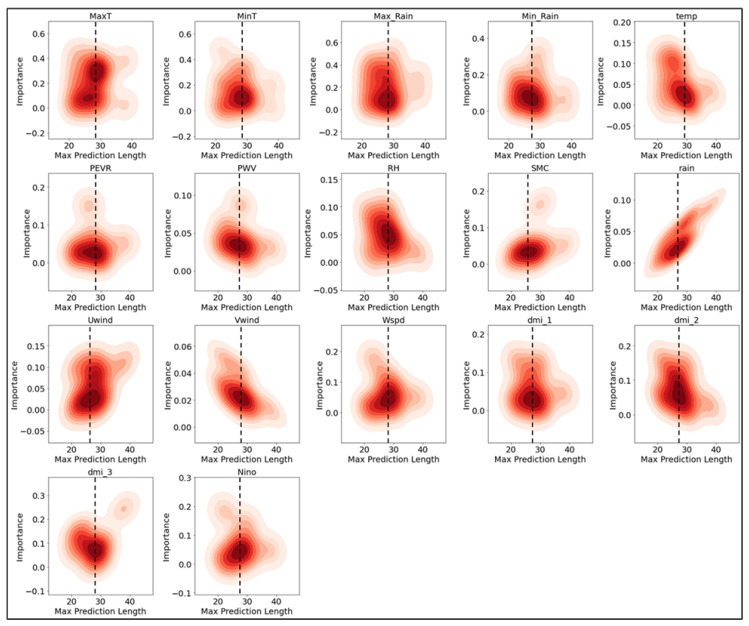 Figure 7
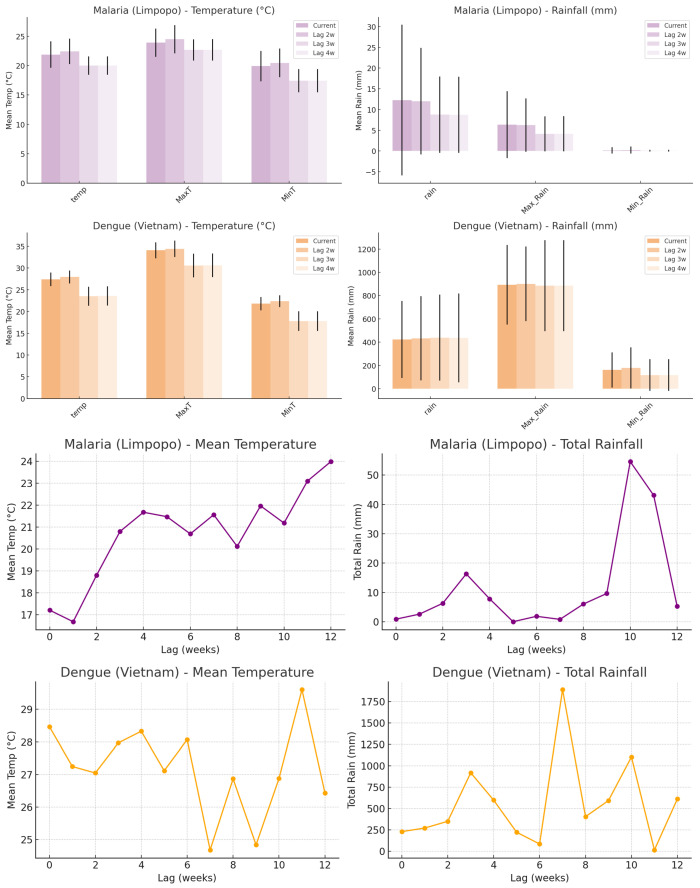 Figure 8
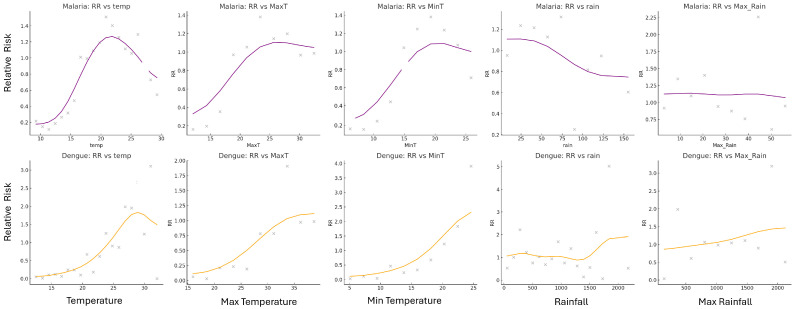 Figure 9
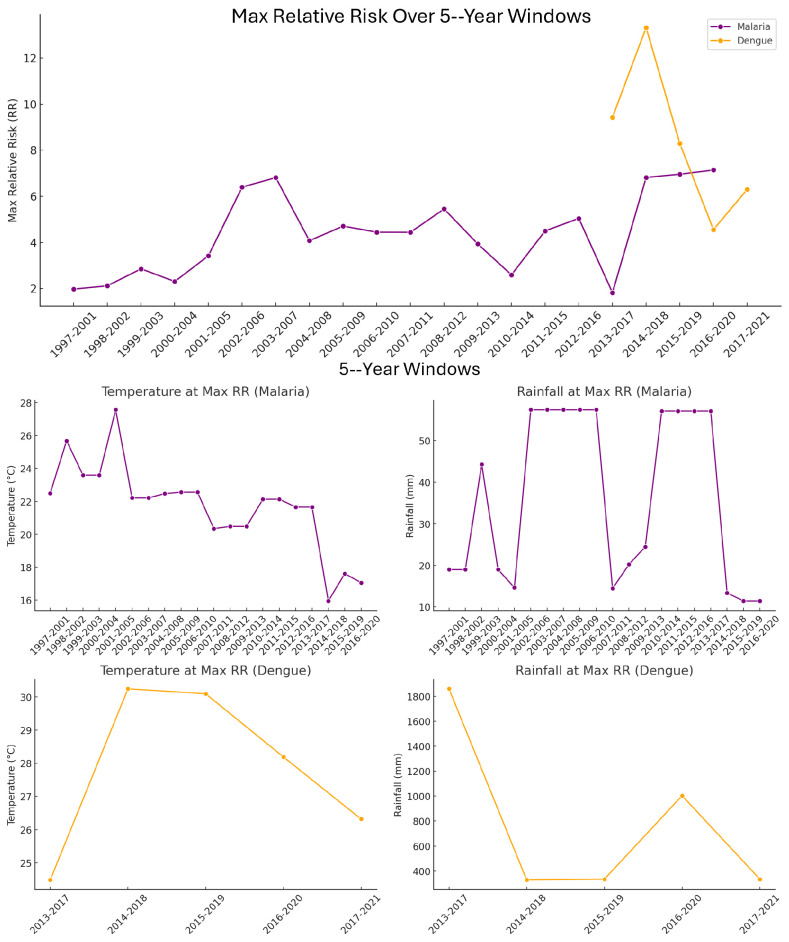 Figure 10
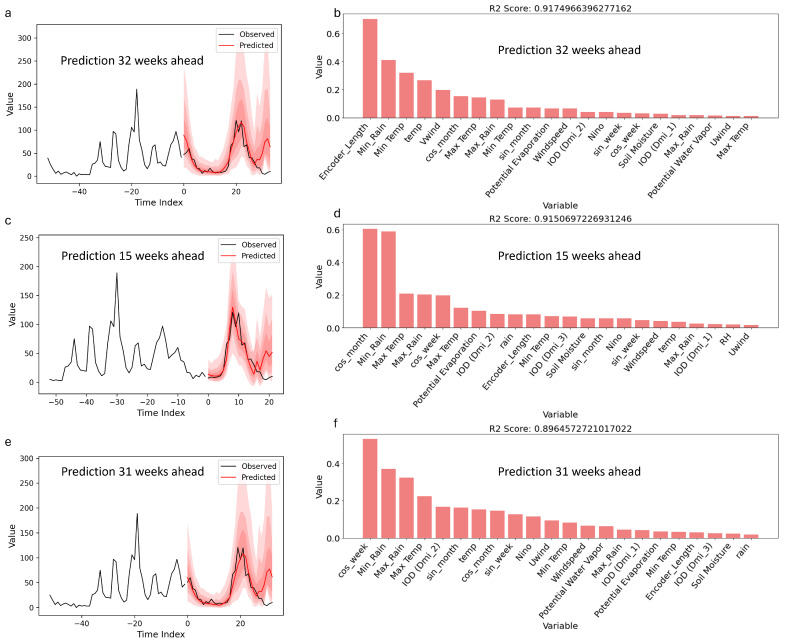 Figure 11
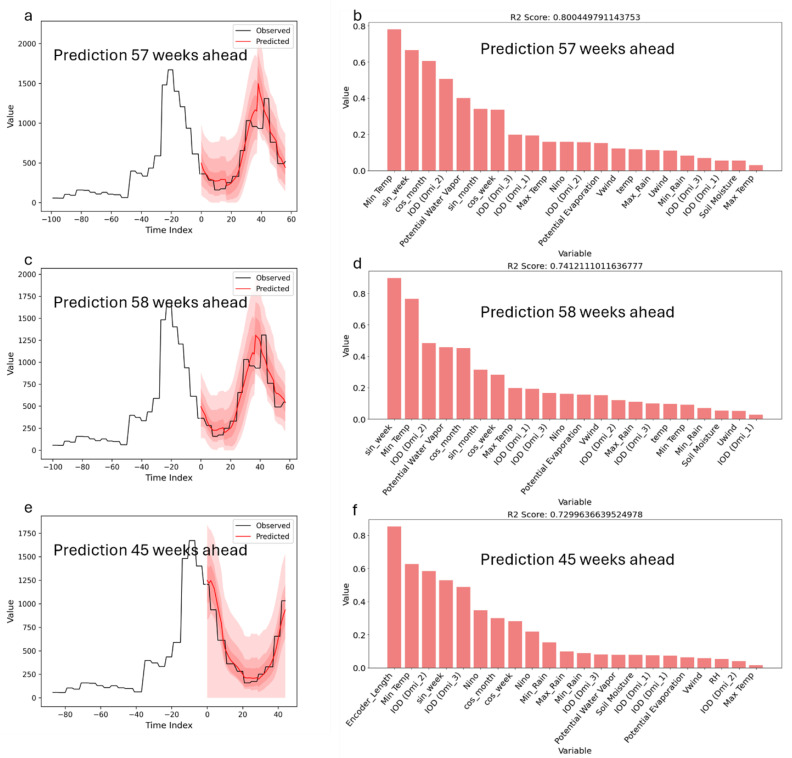 Figure 12
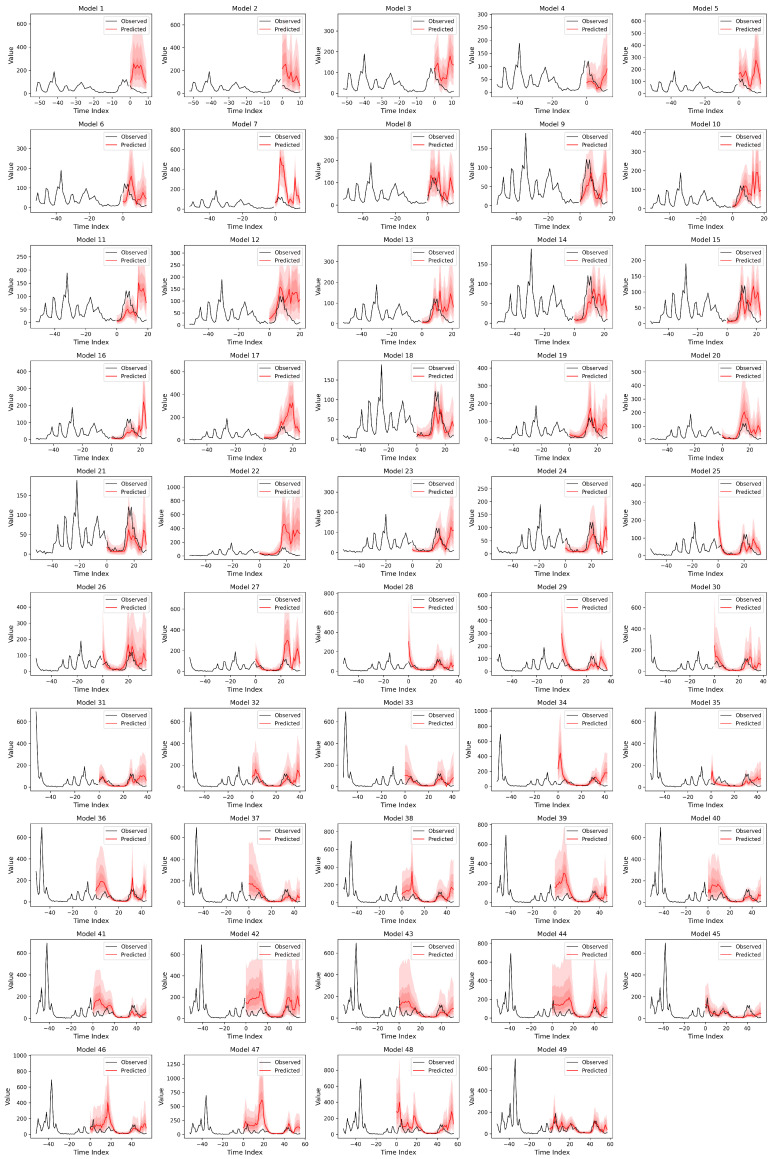 Figure 13
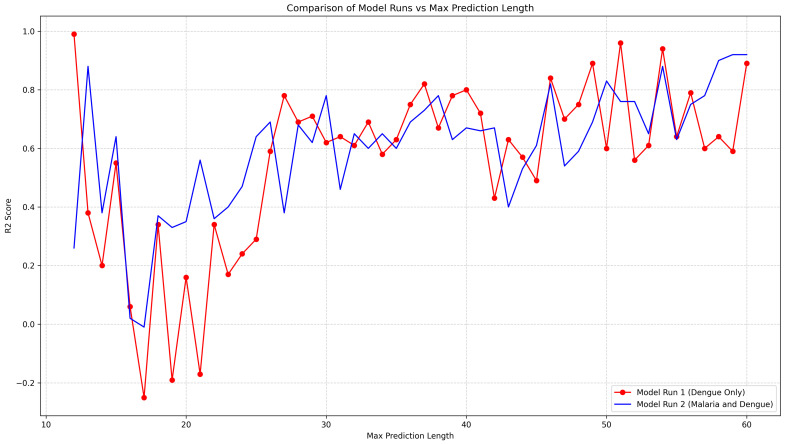 Figure 14
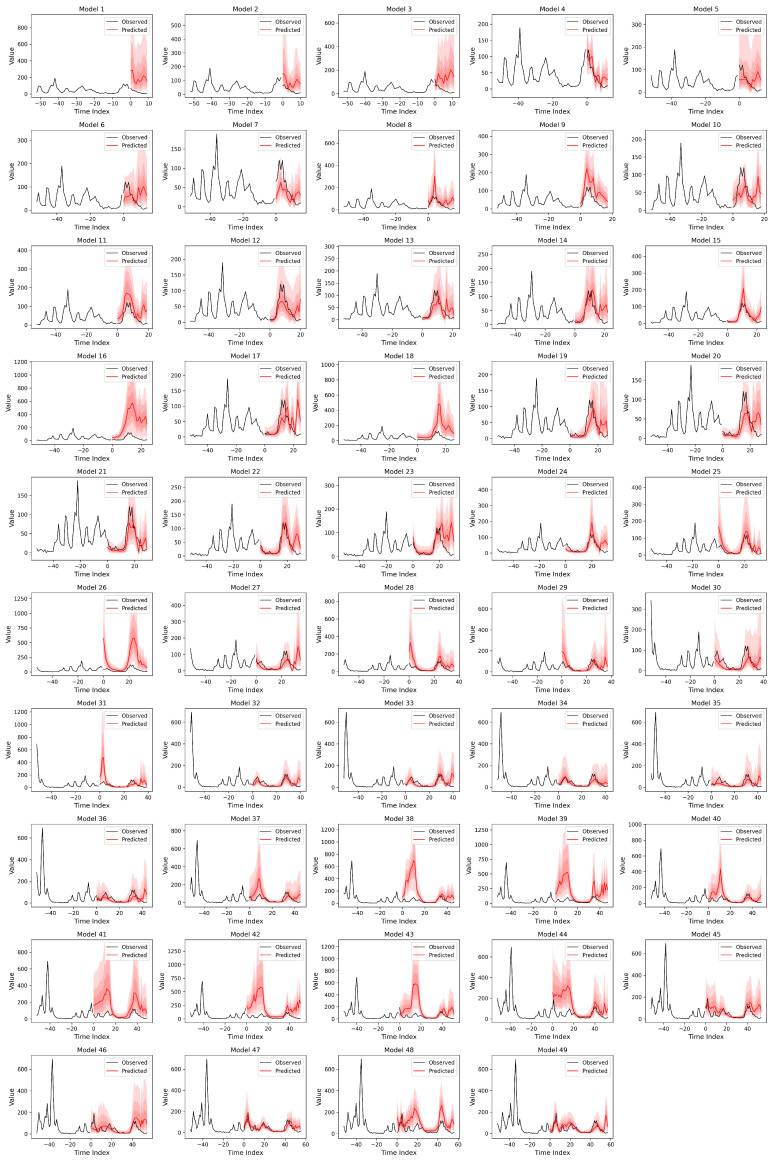 Figure 15
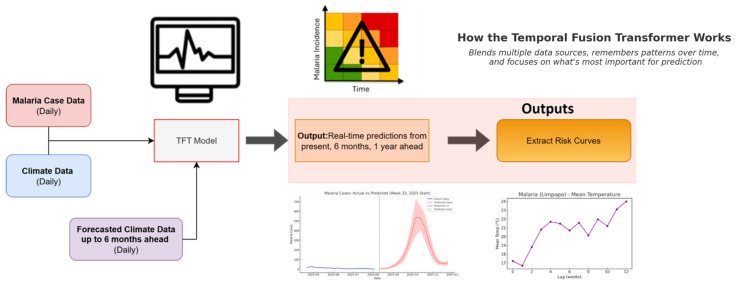 Figure 16
Peer Reviews
No public reviews on file for this paper yet. If you reviewed it on a platform where reviews are public (OpenReview, ICLR, NeurIPS, ICML), you can paste yours below so the community can read it here.
Videos
No videos yet. Explain this paper in a talk, walkthrough, or lecture? Add one.
Taxonomy
TopicsMalaria Research and Control · Mosquito-borne diseases and control · Species Distribution and Climate Change