Being a Target for Glycation by Methylglyoxal Contributes to Therapeutic Efficacy of Injectable Collagen Hydrogels Post-Myocardial Infarction
Xixi Guo, Ramis Ileri, Marc Ruel, Emilio I. Alarcon, Erik J. Suuronen

TL;DR
Injectable collagen hydrogels help repair heart tissue after a heart attack by acting as a target for harmful glycation reactions.
Contribution
The study shows that collagen hydrogels reduce methylglyoxal toxicity, improving heart repair after infarction.
Findings
MG-glycated hydrogels had reduced therapeutic effects compared to normal hydrogels.
Hydrogels act as a sink for MG, reducing its harmful effects in the heart post-MI.
Abstract
Despite the advances in medical therapies for treating myocardial infarction (MI), morbidity and mortality rates remain high. Following MI, increased methylglyoxal (MG) production leads to the accumulation of advanced glycation end-products (AGEs), which contribute to adverse remodeling and to the deterioration of cardiac function. We previously reported that an injectable collagen type I hydrogel improves the repair and function of mouse hearts post-MI. Notably, we observed that the injected hydrogel was a target for MG-AGE glycation, and that there were less MG-modified proteins in the myocardium. In this study, we further evaluated this protective mechanism by pre-glycating the hydrogels and assessing their therapeutic efficacy for treating MI. In vitro experiments showed that the viability of macrophages was reduced when cultured with the glycated hydrogel in the presence of MG. In…
Genes, proteins, chemicals, diseases, species, mutations and cell lines named across the full text — each resolved to its canonical identifier and authoritative record.
Click any figure to enlarge with its caption.
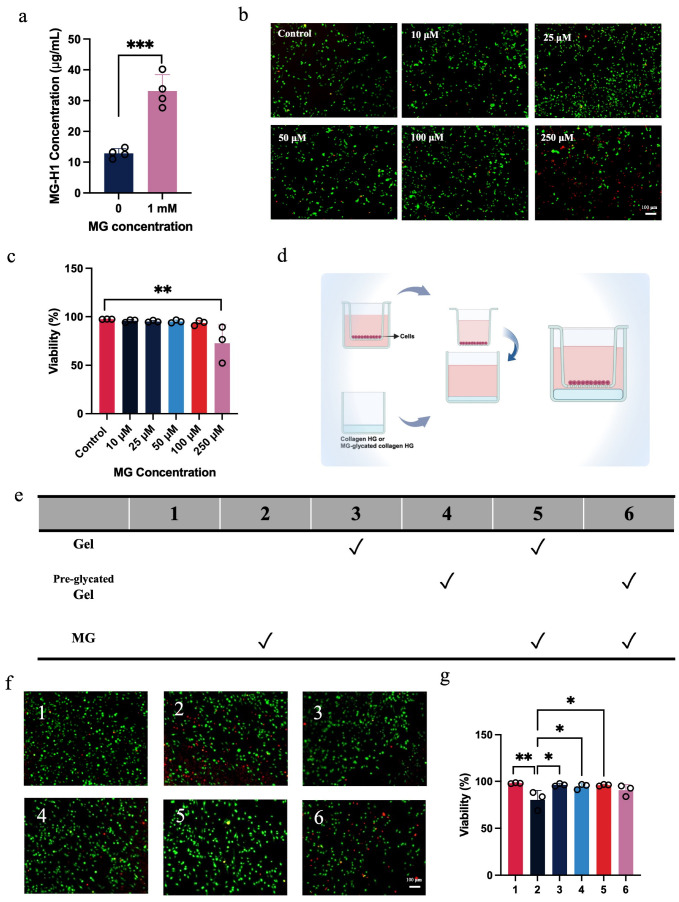 Figure 1
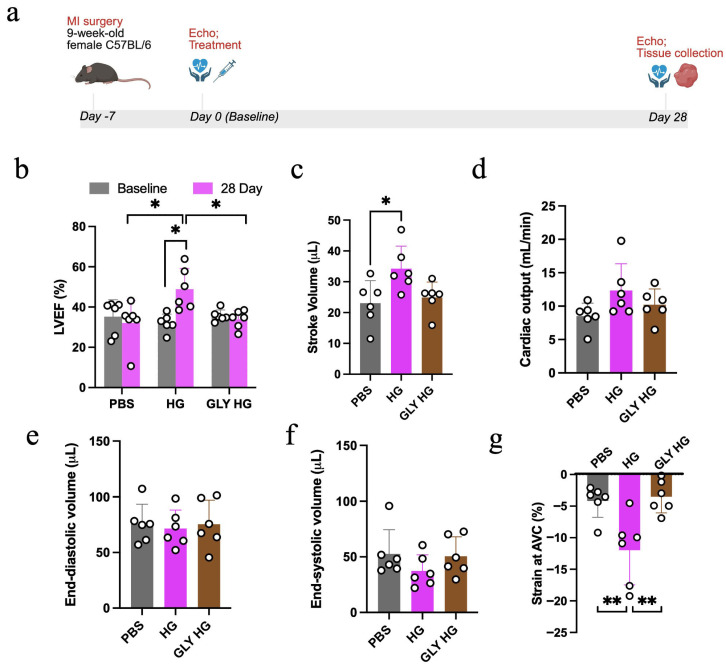 Figure 2
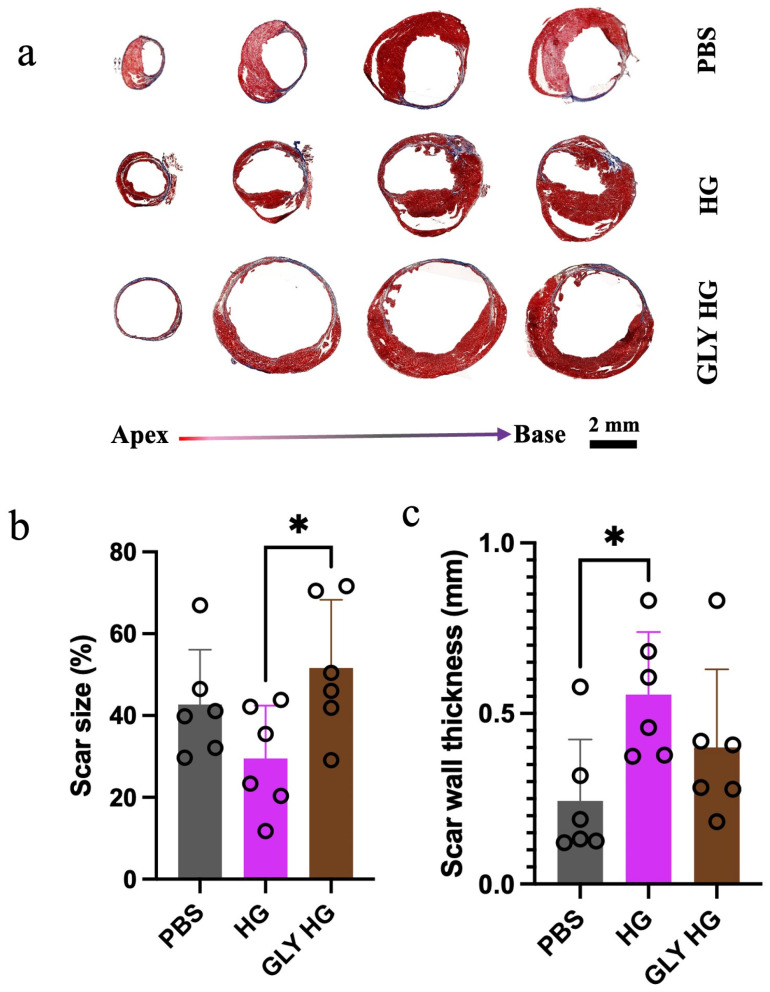 Figure 3
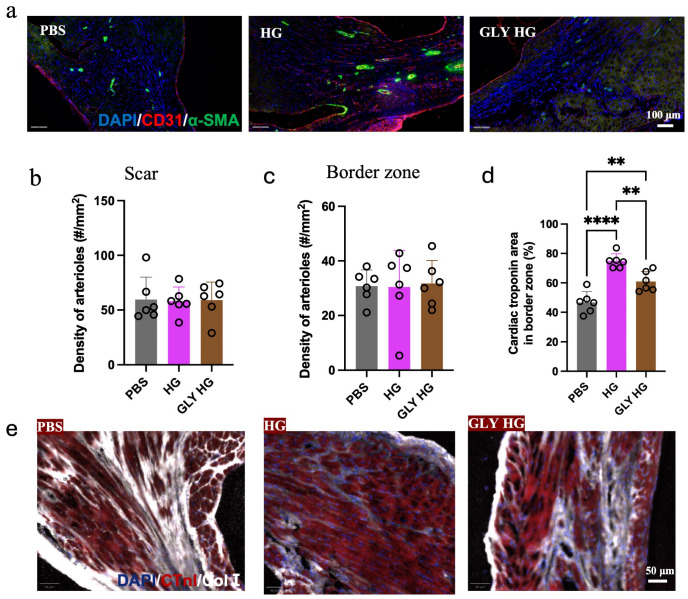 Figure 4
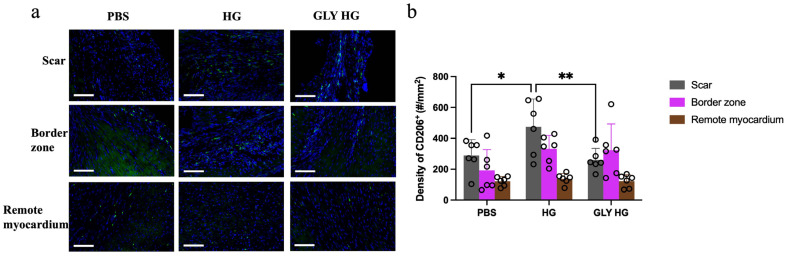 Figure 5
Peer Reviews
No public reviews on file for this paper yet. If you reviewed it on a platform where reviews are public (OpenReview, ICLR, NeurIPS, ICML), you can paste yours below so the community can read it here.
Videos
No videos yet. Explain this paper in a talk, walkthrough, or lecture? Add one.
Taxonomy
TopicsCardiac Fibrosis and Remodeling · Advanced Glycation End Products research · Tissue Engineering and Regenerative Medicine