Association of Circulating Irisin with Insulin Resistance and Metabolic Risk Markers in Prediabetic and Newly Diagnosed Type 2 Diabetes Patients
Daniela Denisa Mitroi Sakizlian, Lidia Boldeanu, Diana Clenciu, Adina Mitrea, Ionela Mihaela Vladu, Alina Elena Ciobanu Plasiciuc, Mohamed-Zakaria Assani, Daniela Ciobanu

TL;DR
This study finds that irisin levels decrease in people with type 2 diabetes compared to those with prediabetes and are linked to metabolic risk factors like insulin resistance and lipid accumulation.
Contribution
The study reveals that irisin declines from prediabetes to diabetes and is inversely associated with metabolic risk markers, suggesting its potential as a metabolic stress indicator.
Findings
Serum irisin levels were significantly lower in type 2 diabetes compared to prediabetes.
Irisin inversely correlates with insulin resistance and lipid accumulation markers in both prediabetic and diabetic groups.
Irisin contributes modestly to predicting the HTGW phenotype but does not independently predict it.
Abstract
Circulating irisin, a myokine implicated in energy expenditure and adipose tissue regulation, has been increasingly studied as a potential biomarker of metabolic dysfunction. This study evaluated the relationship between serum irisin and metabolic indices, including the atherogenic index of plasma (AIP), the lipid accumulation product (LAP), and hypertriglyceridemic-waist (HTGW) phenotype in individuals with prediabetes (PreDM) and newly diagnosed type 2 diabetes mellitus (T2DM). A total of 138 participants (48 PreDM, 90 T2DM) were assessed for anthropometric, glycemic, and lipid parameters. Serum irisin levels were measured by enzyme-linked immunosorbent assay (ELISA) and correlated with insulin resistance indices (Homeostatic Model Assessment of Insulin Resistance (HOMA-IR), Quantitative Insulin Sensitivity Check Index (QUICKI)), glycemic control (glycosylated hemoglobin A1c (HbA1c)),…
Genes, proteins, chemicals, diseases, species, mutations and cell lines named across the full text — each resolved to its canonical identifier and authoritative record.
Click any figure to enlarge with its caption.
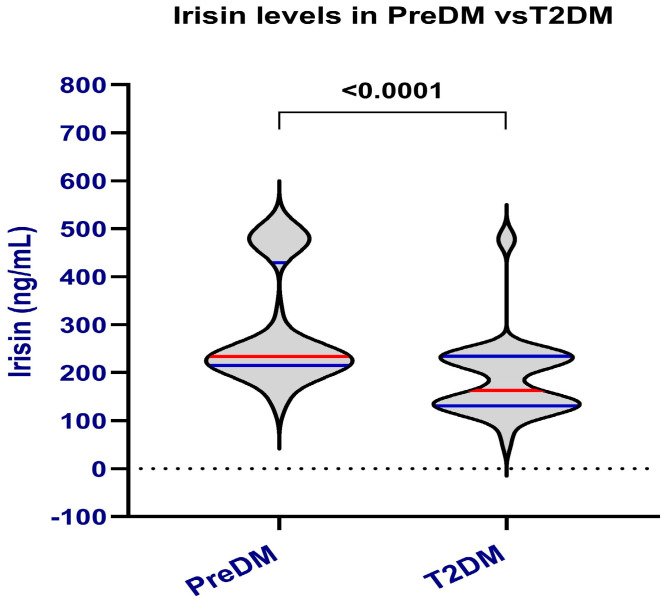 Figure 1
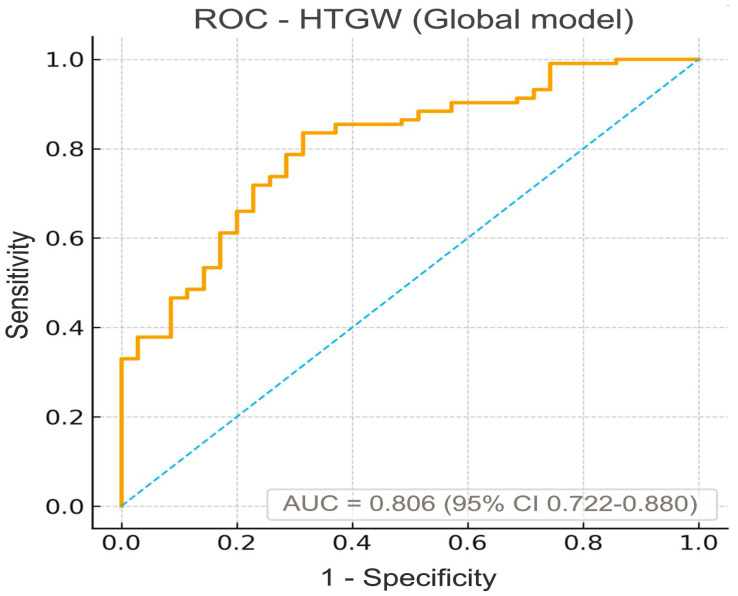 Figure 2
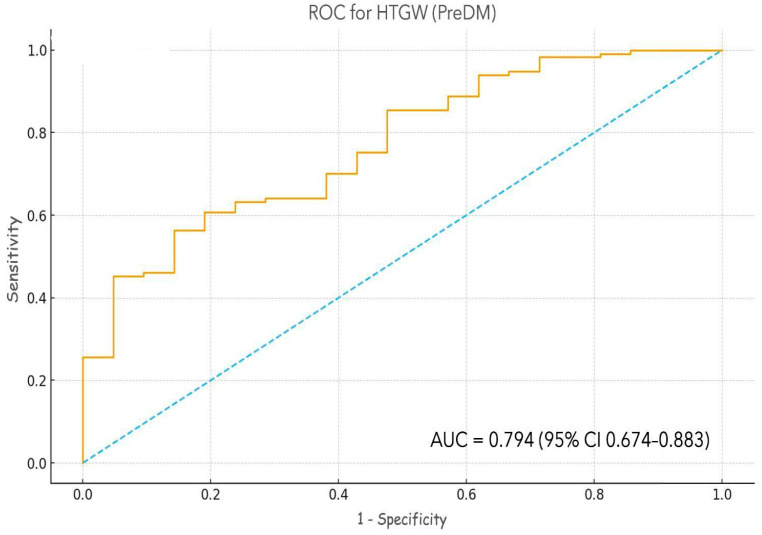 Figure 3
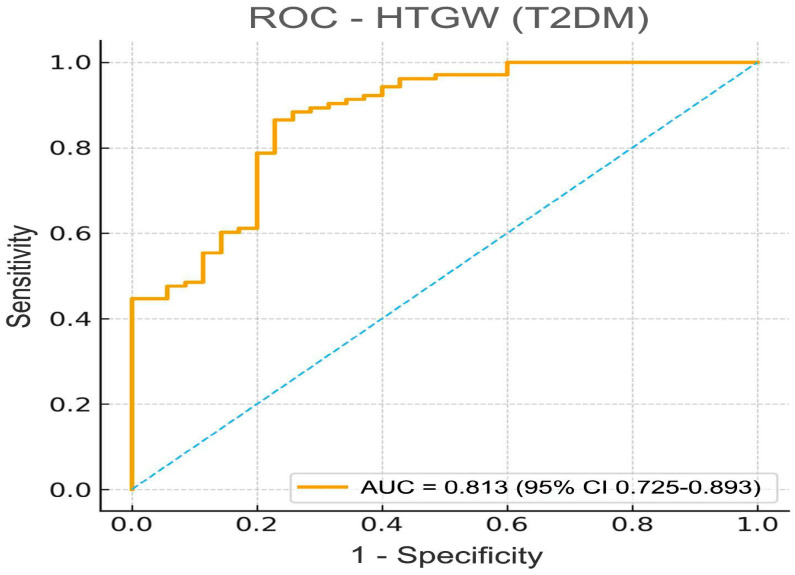 Figure 4
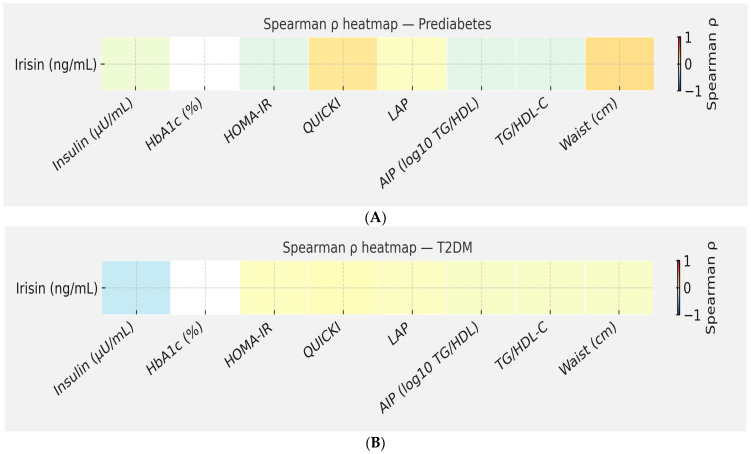 Figure 5
Peer Reviews
No public reviews on file for this paper yet. If you reviewed it on a platform where reviews are public (OpenReview, ICLR, NeurIPS, ICML), you can paste yours below so the community can read it here.
Videos
No videos yet. Explain this paper in a talk, walkthrough, or lecture? Add one.
Taxonomy
TopicsAdipose Tissue and Metabolism · Peroxisome Proliferator-Activated Receptors · Aldose Reductase and Taurine