Mechanism of Inosine from Lactiplantibacillus plantarum MWFLp-182-Treated Mice Model in Alleviating D-Galactose-Induced HT-22 Cell Injury via Oxidative and Inflammatory Pathways
Jianbo Tang, Qing Zhao, Hanying Tan, Ni Yang, Qun Yu, Zhiyu Cui, Xiaochun Li, Yanghe Luo, Guangqing Mu, Xiaomeng Wu, Hui Nie

TL;DR
A gut bacteria-derived metabolite called inosine helps protect brain cells from damage by reducing oxidative stress and inflammation.
Contribution
The study reveals how inosine from Lactiplantibacillus plantarum MWFLp-182 protects neurons via oxidative, inflammatory, and apoptotic pathways.
Findings
Inosine increases Nrf2 and HO-1 levels, reducing oxidative stress in HT-22 cells.
Inosine lowers TLR4, MyD88, and NF-κB levels, indicating anti-inflammatory effects.
Inosine enhances neurotrophic factors and reduces pro-apoptotic proteins.
Abstract
Gut microbial metabolites play a crucial role in modulating cognitive function. In a previous animal study, oral administration of Lactiplantibacillus plantarum MWFLp-182 (L. plantarum MWFLp-182) significantly increased inosine levels in both the serum and feces of D-galactose (D-gal)-induced mice, which was accompanied by improved cognitive performance. Building on this finding, we further investigated the neuroprotective mechanisms of inosine derived from L. plantarum MWFLp-182 in alleviating D-gal-induced neuronal damage in HT-22 cells. Reverse transcription-quantitative PCR (RT-qPCR) was used to analyze the addition of inosine (250 μg/mL, 500 μg/mL), which considerably reduces oxidative stress induced by D-gal (20 mg/mL), on the regulation of mRNA expression of the nuclear factor erythroid 2-related factor (Nrf2)/hemeoxygenase 1 (HO-1) signaling pathway factors. Compared to the…
Genes, proteins, chemicals, diseases, species, mutations and cell lines named across the full text — each resolved to its canonical identifier and authoritative record.
Click any figure to enlarge with its caption.
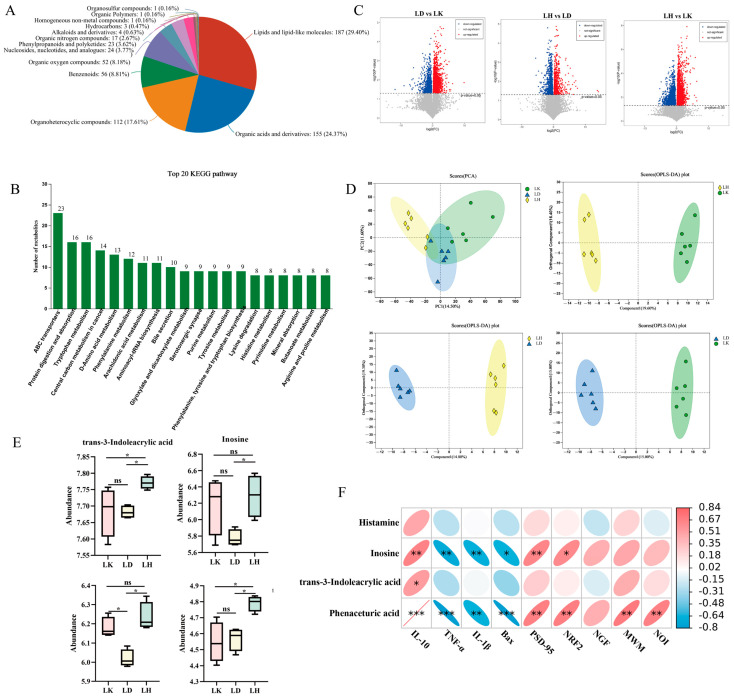 Figure 1
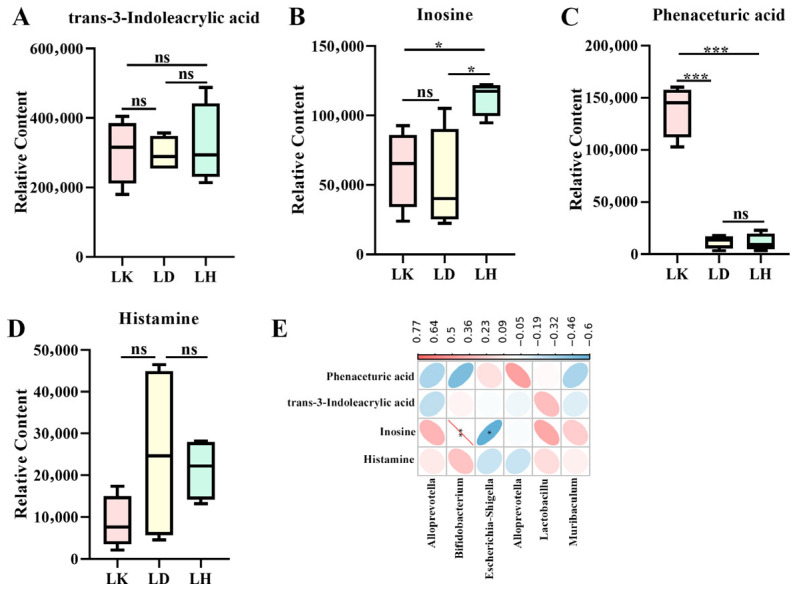 Figure 2
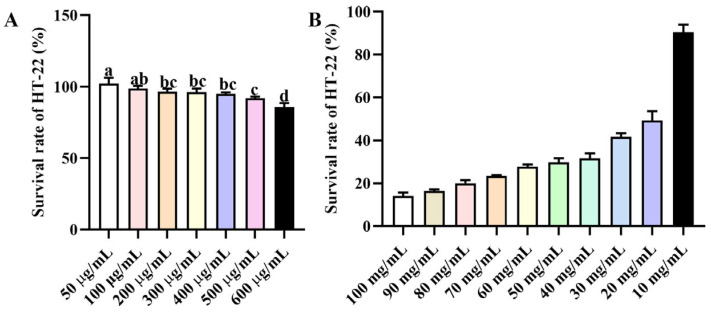 Figure 3
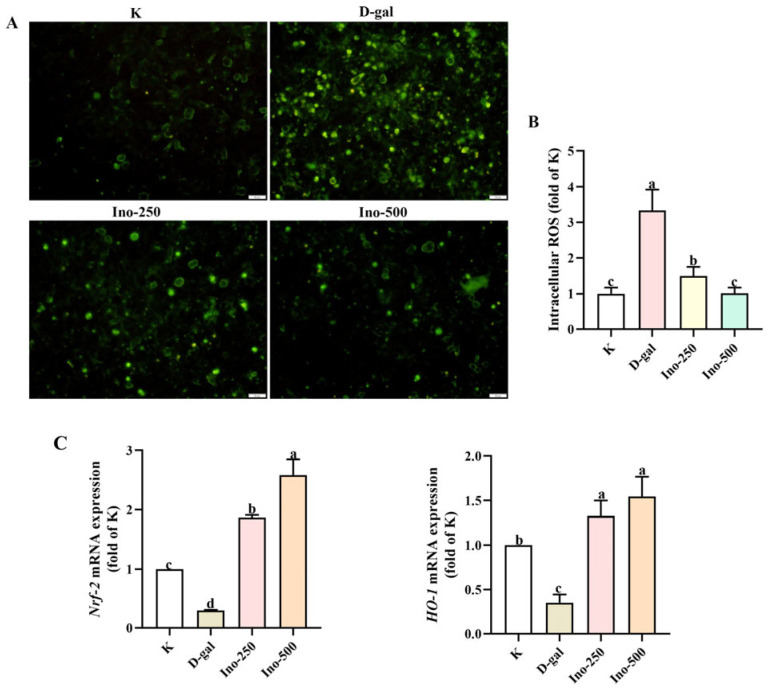 Figure 4
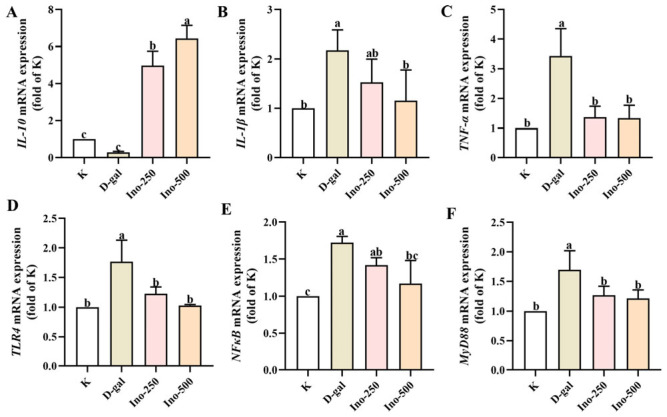 Figure 5
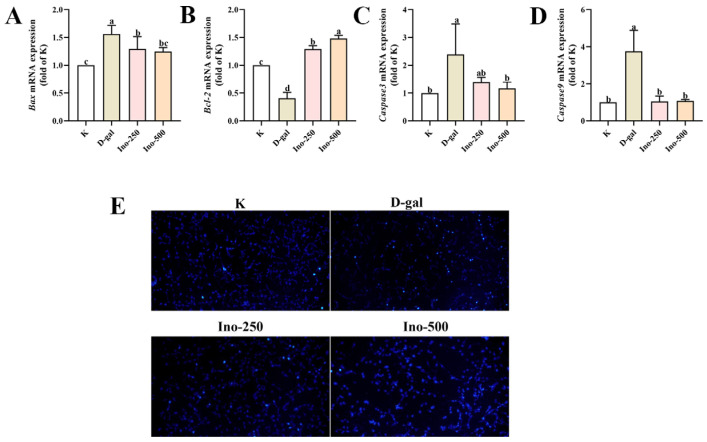 Figure 6
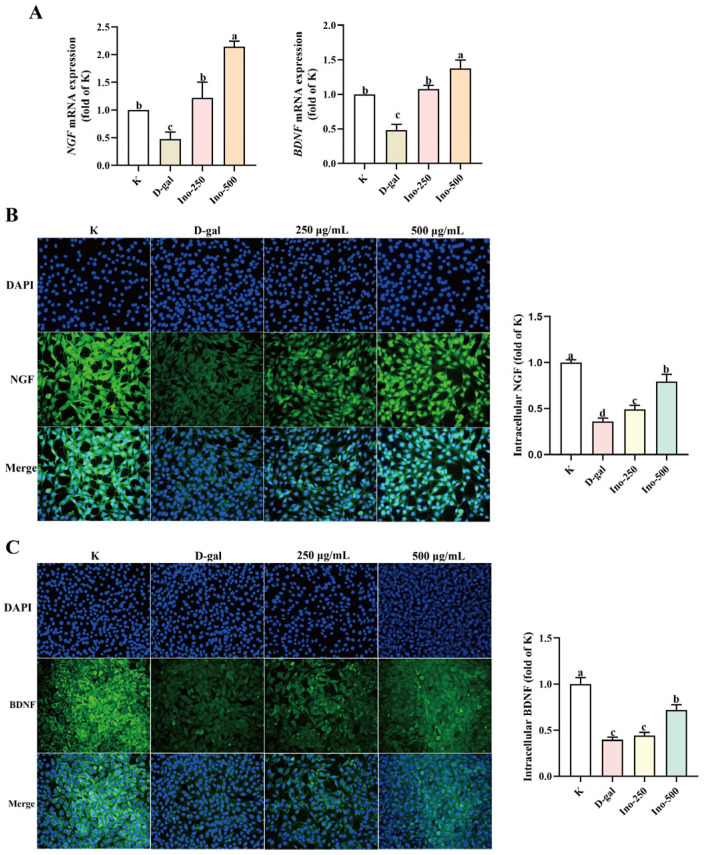 Figure 7
Peer Reviews
No public reviews on file for this paper yet. If you reviewed it on a platform where reviews are public (OpenReview, ICLR, NeurIPS, ICML), you can paste yours below so the community can read it here.
Videos
No videos yet. Explain this paper in a talk, walkthrough, or lecture? Add one.
Taxonomy
TopicsAntioxidants, Aging, Portulaca oleracea · Diet, Metabolism, and Disease · Medicinal Plants and Bioactive Compounds