Development and Application of a Pseudovirus-Based Assay for Modelling SARS-CoV-2 Spike Protein Mediated Drug Screening
Shokhrukh A. Khasanov, Iana L. Esaulkova, Alexandrina S. Volobueva, Alexander V. Slita, Daria V. Kriger, Dmitri Tentler, Olga I. Yarovaya, Anastasia S. Sokolova, Andrey N. Gorshkov, Anna S. Dolgova, Irina N. Lavrentieva, Vladimir G. Dedkov, Nariman F. Salakhutdinov

TL;DR
This paper describes a new lab-based method using pseudoviruses to test potential drugs against SARS-CoV-2, focusing on how the virus enters human cells.
Contribution
The study introduces a novel pseudovirus-based assay using a modified cell line for high-efficiency screening of SARS-CoV-2 entry inhibitors.
Findings
The H1299-hACE2 cell line showed significantly higher infection rates with spike-pseudotyped lentiviruses compared to parental cells.
The assay was used to test derivatives of a potential spike protein inhibitor with moderate antiviral activity.
The system supports the study of multiple SARS-CoV-2 variants in a unified experimental setting.
Abstract
Requirements for novel effective antiviral agents against SARS-CoV-2 emphasizes the importance of robust in vitro screening platforms. We developed a test system based on spike-pseudotyped lentiviruses, carrying either luc+ or EGFP reporter genes as a payload, and a human non-small cell lung carcinoma (NSCLC) cell line, overexpressing ACE2 (H1299-hACE2). The cell origin makes our system resemble lung epithelium infection. Transmission electron microscopy confirmed that the spike glycoproteins on the pseudotyped lentiviral particles resemble native SARS-CoV-2 spike glycoproteins, thus validating their use in inhibitor screening. H1299-hACE2 cells showed significantly higher infection rate (p < 0.005) with spike-pseudotyped lentiviruses compared to parental H1299 cells, as determined by luciferase and fluorescence assays. The susceptibility of the stable H1299-hACE2 cell line to a broad…
Genes, proteins, chemicals, diseases, species, mutations and cell lines named across the full text — each resolved to its canonical identifier and authoritative record.
Click any figure to enlarge with its caption.
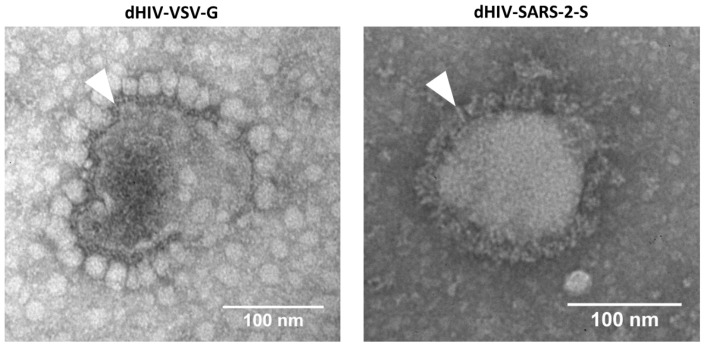 Figure 1
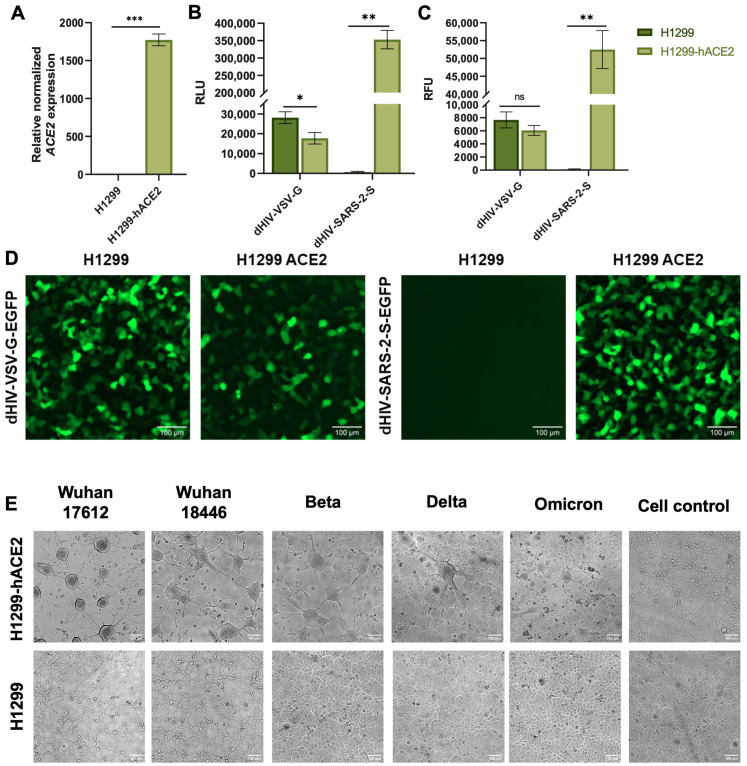 Figure 2
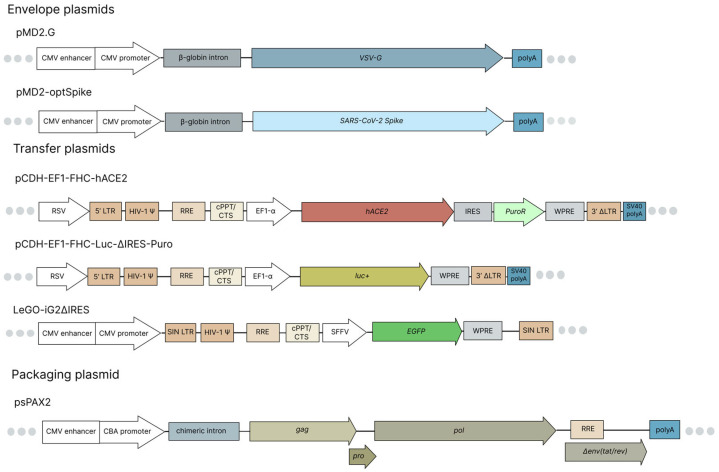 Figure 3
 Figure 4
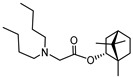 Figure 5
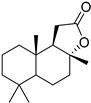 Figure 6
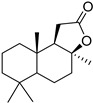 Figure 7
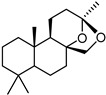 Figure 8
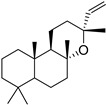 Figure 9
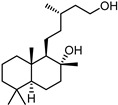 Figure 10
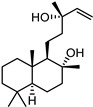 Figure 11
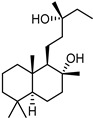 Figure 12
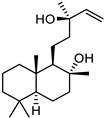 Figure 13
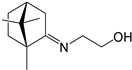 Figure 14
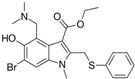 Figure 15
Peer Reviews
No public reviews on file for this paper yet. If you reviewed it on a platform where reviews are public (OpenReview, ICLR, NeurIPS, ICML), you can paste yours below so the community can read it here.
Videos
No videos yet. Explain this paper in a talk, walkthrough, or lecture? Add one.
Taxonomy
TopicsSARS-CoV-2 and COVID-19 Research · COVID-19 Clinical Research Studies · Respiratory viral infections research