Carrier-Free Supramolecular Hydrogel Self-Assembled from Triterpenoid Saponins from Traditional Chinese Medicine: Preparation, Characterization, and Evaluation of Anti-Inflammatory Activity
Qiongxue Huang, Mingzhen Liu, Tingting Ye, Dandan Mo, Haifeng Wu, Guoxu Ma, Xiaolei Zhou

TL;DR
Researchers developed a carrier-free hydrogel from α-hederin, a natural compound, which shows better anti-inflammatory effects and lower toxicity than traditional methods.
Contribution
A green and economical method to self-assemble α-hederin into a hydrogel without using polymer carriers for anti-inflammatory therapy.
Findings
He-Gel self-assembles via hydrogen bonds and van der Waals forces.
He-Gel shows lower cytotoxicity and better anti-inflammatory activity than free α-hederin.
The self-assembly mechanism was confirmed using spectroscopy and computational methods.
Abstract
Inflammation is the body’s natural immune response to invasion by foreign pathogens and is closely linked to many diseases. Chronic inflammation, if not properly controlled, can pose serious health risks and even threaten life. Currently, the main anti-inflammatory drugs are classified into steroidal and non-steroidal anti-inflammatory drugs, but both have significant side effects that limit their clinical applications. α-Hederin, a pentacyclic triterpenoid saponin, is derived from various plants, including Pulsatilla chinensis, Hedera helix, and Nigella sativa. It has been reported that α-hederin can be used to treat both acute and chronic inflammatory diseases. However, it has poor water solubility and low bioavailability. This study shows that α-hederin can directly self-assemble into a hydrogel through hydrogen bonds and van der Waals forces, called He-Gel. The mechanical properties…
Genes, proteins, chemicals, diseases, species, mutations and cell lines named across the full text — each resolved to its canonical identifier and authoritative record.
Click any figure to enlarge with its caption.
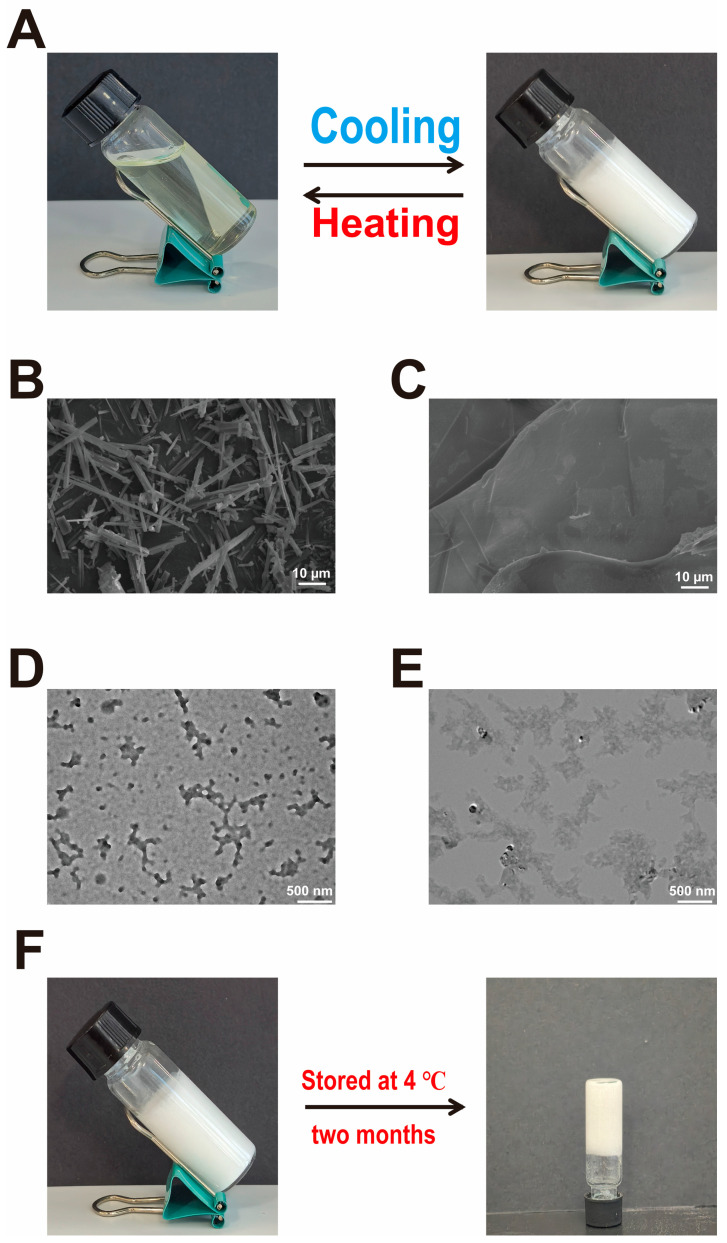 Figure 1
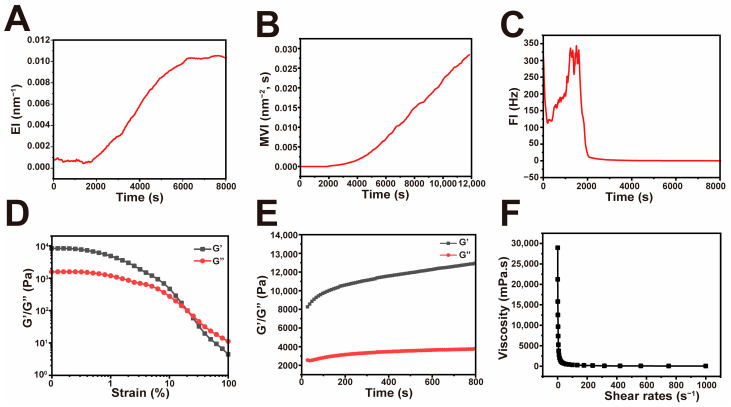 Figure 2
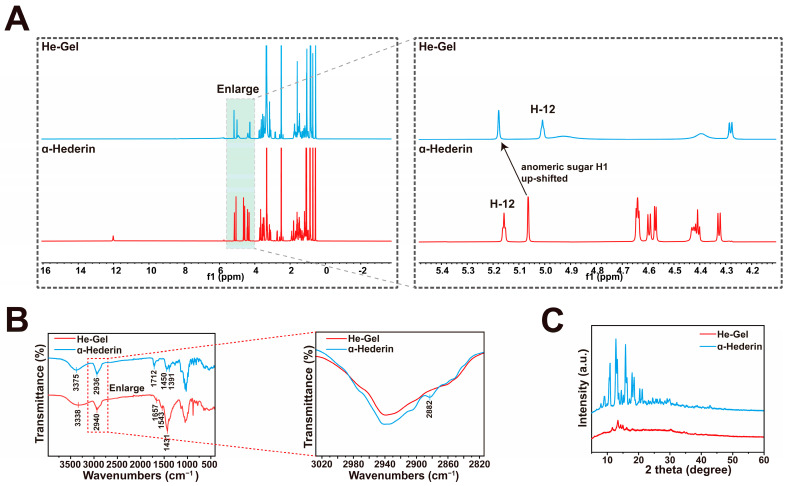 Figure 3
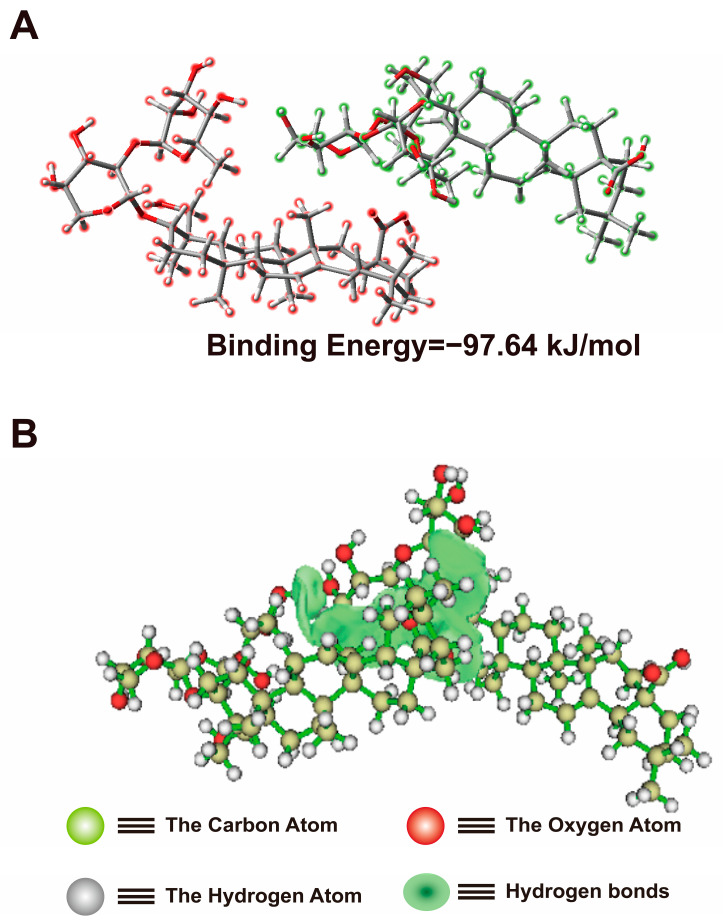 Figure 4
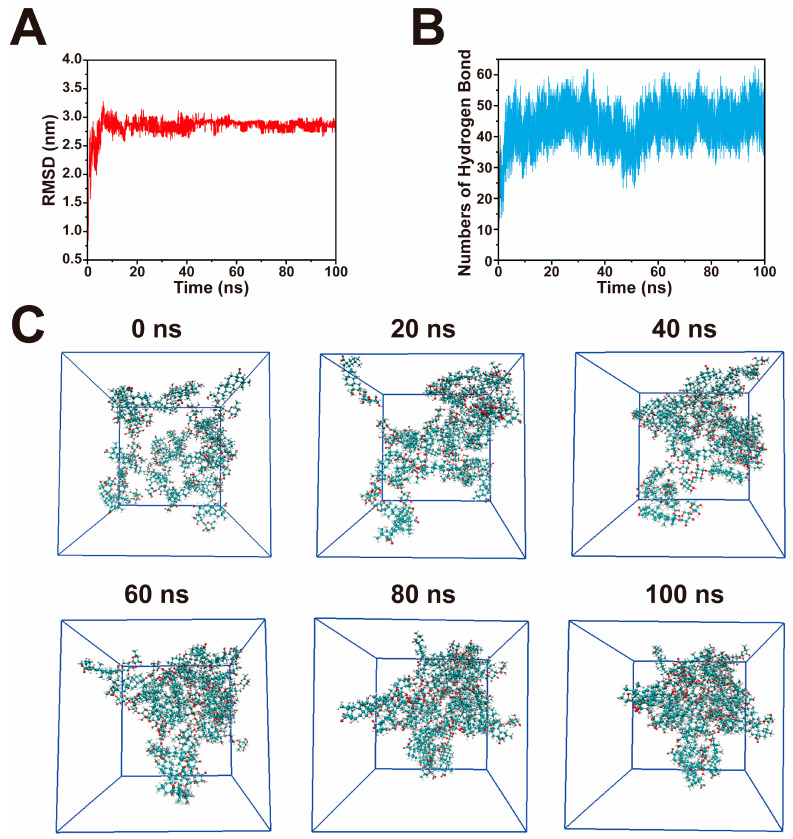 Figure 5
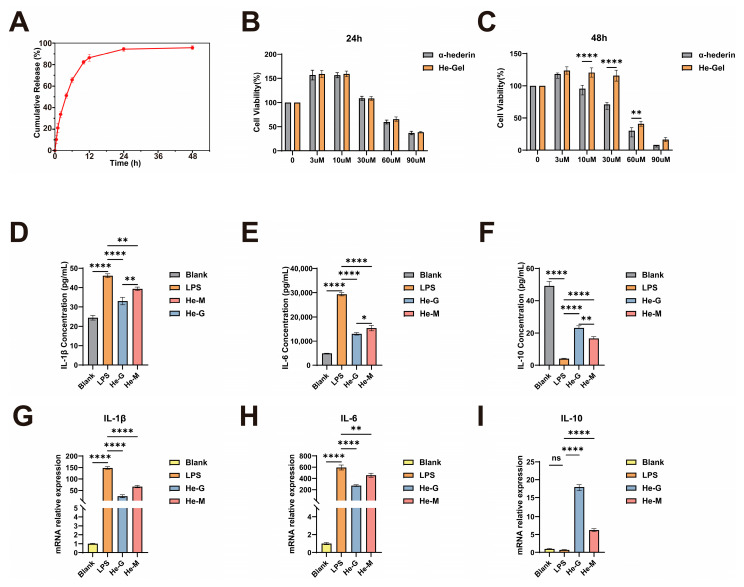 Figure 6
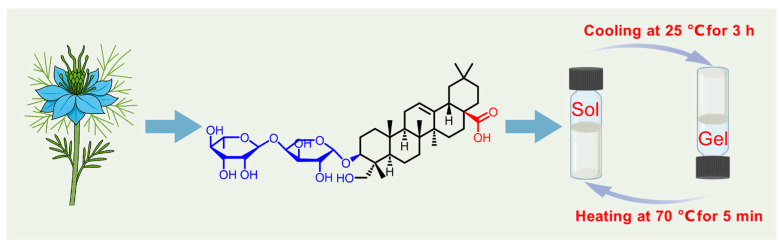 Figure 7
Peer Reviews
No public reviews on file for this paper yet. If you reviewed it on a platform where reviews are public (OpenReview, ICLR, NeurIPS, ICML), you can paste yours below so the community can read it here.
Videos
No videos yet. Explain this paper in a talk, walkthrough, or lecture? Add one.
Taxonomy
TopicsPolysaccharides Composition and Applications · Hydrogels: synthesis, properties, applications · Curcumin's Biomedical Applications