Investigating the Potential Role of Capsaicin in Facilitating the Spread of Coxsackievirus B3 via Extracellular Vesicles
Shruti Chatterjee, Ramina Kordbacheh, Haylee Tilley, Devin Briordy, Richard T. Waldron, William D. Cutts, Jayden Aleman, Alexis Cook, Raeesa Dhanji, Lok-Yin Roy Wong, Stephen J. Pandol, Brandon J. Kim, DeLisa Fairweather, Jon Sin

TL;DR
This study shows that capsaicin, through TRPV1 activation, enhances the spread of Coxsackievirus B3 by promoting the release of virus-containing extracellular vesicles.
Contribution
The novel finding is that capsaicin and TRPV1 facilitate CVB3 dissemination via mitophagy-derived extracellular vesicles.
Findings
TRPV1 activation by capsaicin enhances CVB3 egress via extracellular vesicles.
TRPV1 inhibition reduces viral infection in vitro and mitigates pancreatic damage in a mouse model.
EVs released during CVB3 infection are enriched in viral and mitochondrial proteins.
Abstract
Coxsackievirus B3 (CVB3) is a picornavirus that causes systemic inflammatory diseases including myocarditis, pericarditis, pancreatitis, and meningoencephalitis. We have previously reported that CVB3 induces mitochondrial fission and mitophagy while inhibiting lysosomal degradation by blocking autophagosome-lysosome fusion. This promotes the release of virus-laden mitophagosomes from host cells as infectious extracellular vesicles (EVs), enabling non-lytic viral egress. Transient receptor potential vanilloid 1 (TRPV1), a heat and capsaicin-sensitive cation channel, regulates mitochondrial dynamics by inducing mitochondrial membrane depolarization and fission. In this study, we found that TRPV1 activation by capsaicin dramatically enhances CVB3 egress from host cells via EVs. Released EVs revealed increased levels of viral capsid protein VP1, mitochondrial protein TOM70, and fission…
Genes, proteins, chemicals, diseases, species, mutations and cell lines named across the full text — each resolved to its canonical identifier and authoritative record.
Click any figure to enlarge with its caption.
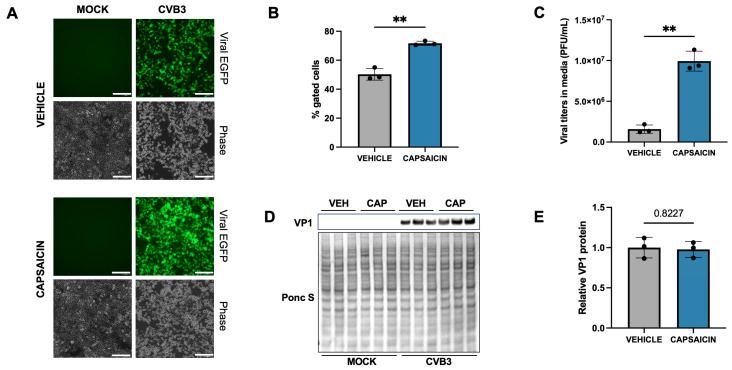 Figure 1
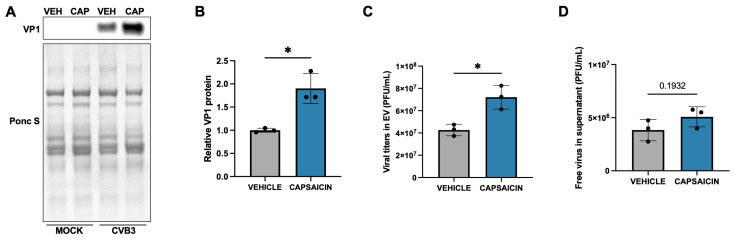 Figure 2
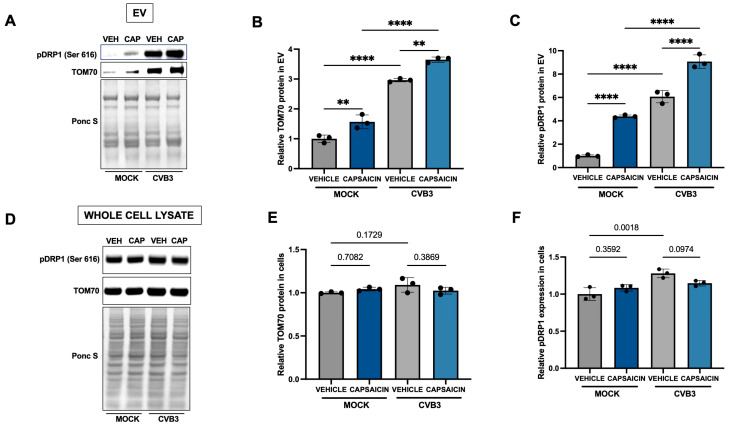 Figure 3
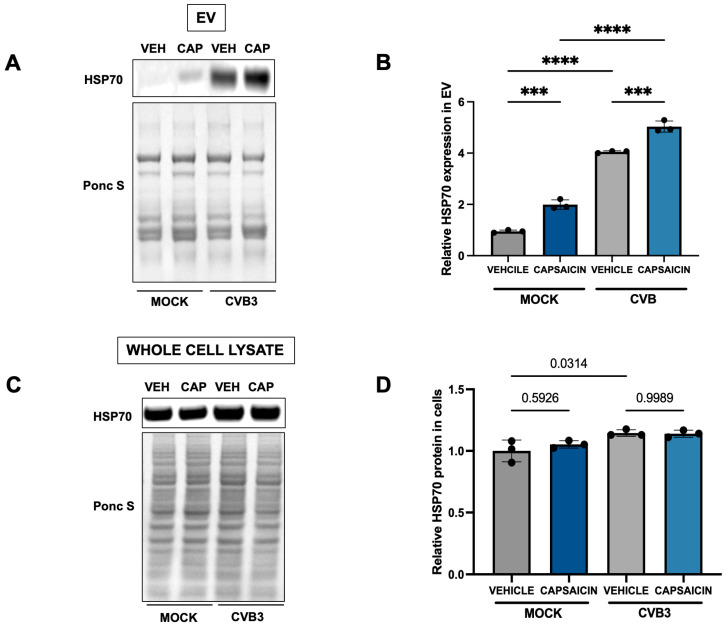 Figure 4
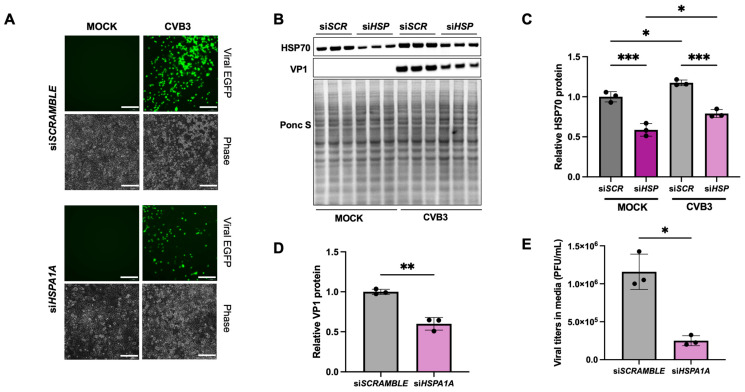 Figure 5
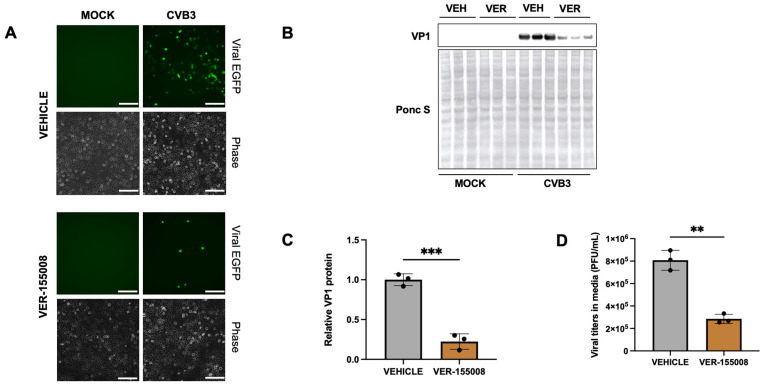 Figure 6
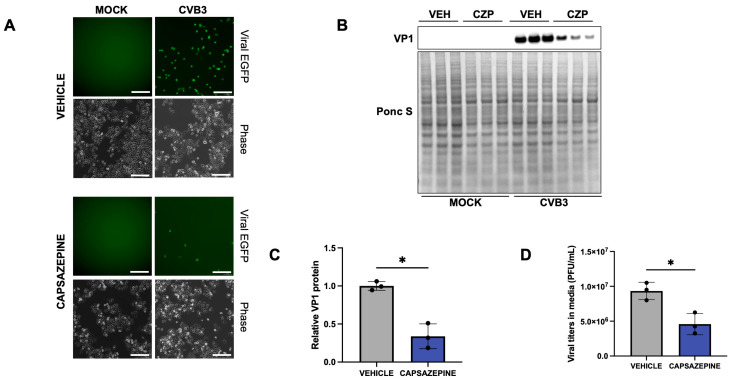 Figure 7
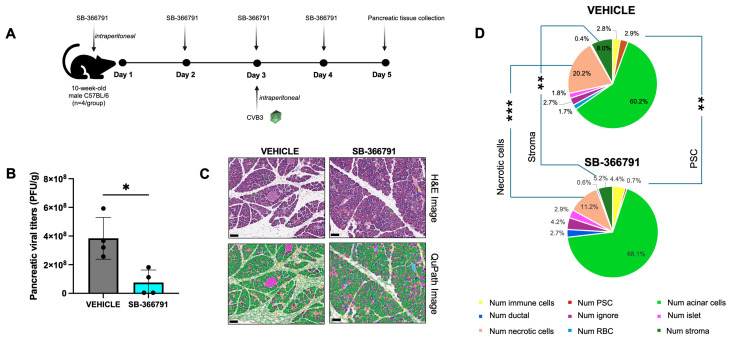 Figure 8
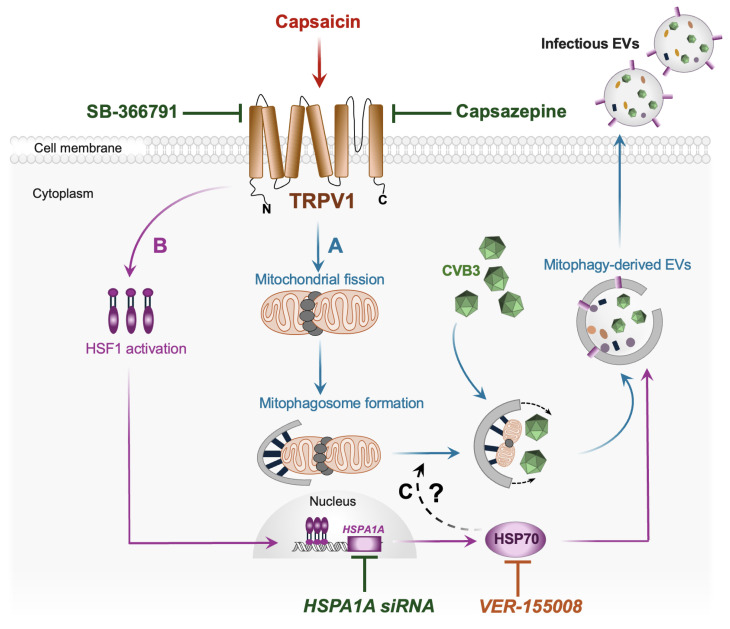 Figure 9
Peer Reviews
No public reviews on file for this paper yet. If you reviewed it on a platform where reviews are public (OpenReview, ICLR, NeurIPS, ICML), you can paste yours below so the community can read it here.
Videos
No videos yet. Explain this paper in a talk, walkthrough, or lecture? Add one.
Taxonomy
TopicsViral Infections and Immunology Research · Autophagy in Disease and Therapy · Calcium signaling and nucleotide metabolism