MGF-DTA: A Multi-Granularity Fusion Model for Drug–Target Binding Affinity Prediction
Zheng Ni, Bo Wei, Yuni Zeng

TL;DR
This paper introduces MGF-DTA, a new model that improves drug-target binding affinity prediction by combining multiple data sources and advanced fusion techniques.
Contribution
The novel MGF-DTA model integrates multi-granularity fusion and hierarchical attention for enhanced DTA prediction.
Findings
MGF-DTA outperforms existing methods on Davis, KIBA, and BindingDB datasets.
Ablation studies confirm the effectiveness of the model's fusion components.
The model demonstrates robust generalization through case studies.
Abstract
Drug–target affinity (DTA) prediction is one of the core components of drug discovery. Despite considerable advances in previous research, DTA tasks still face several limitations with insufficient multi-modal information of drugs, the inherent sequence length limitation of protein language models, and single attention mechanisms that fail to capture critical multi-scale features. To alleviate the above limitations, we developed a multi-granularity fusion model for drug–target binding affinity prediction, termed MGF-DTA. This model is composed of three fusion modules, specifically as follows. First, the model extracts deep semantic features of SMILES strings through ChemBERTa-2 and integrates them with molecular fingerprints by using gated fusion to enhance the multi-modal information of drugs. In addition, it employs a residual fusion mechanism to integrate the global embeddings from…
Click any figure to enlarge with its caption.
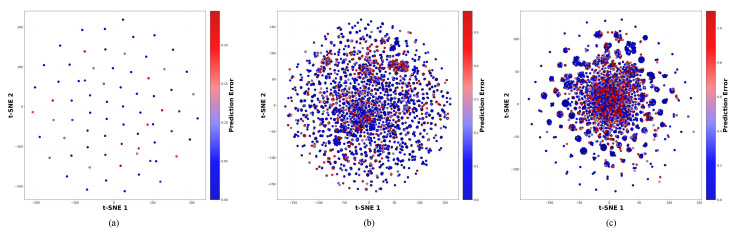 Figure 1
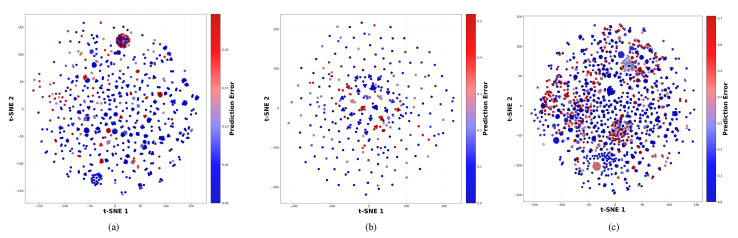 Figure 2
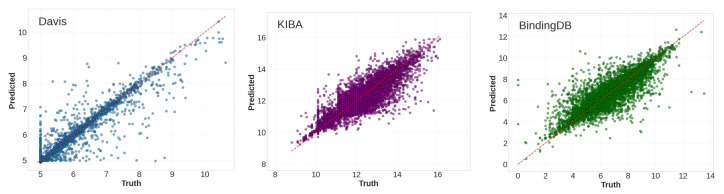 Figure 3
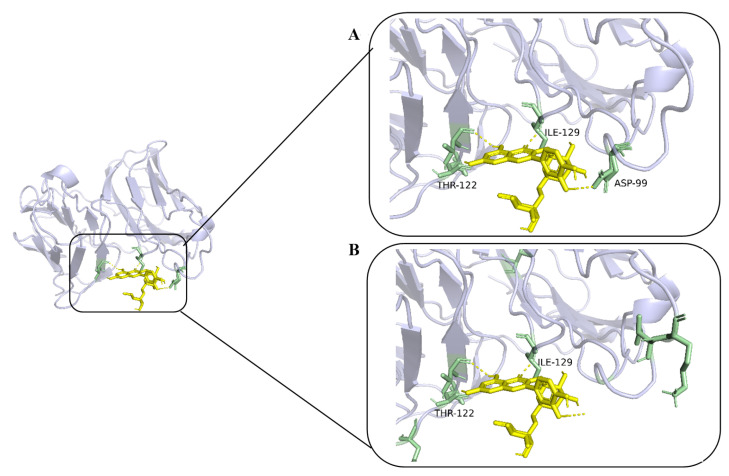 Figure 4
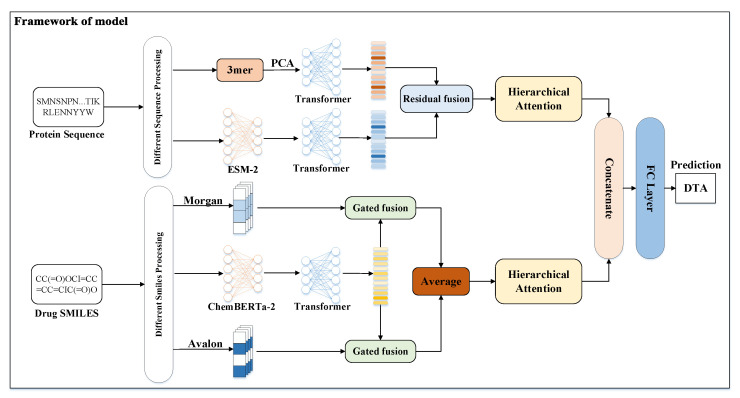 Figure 5
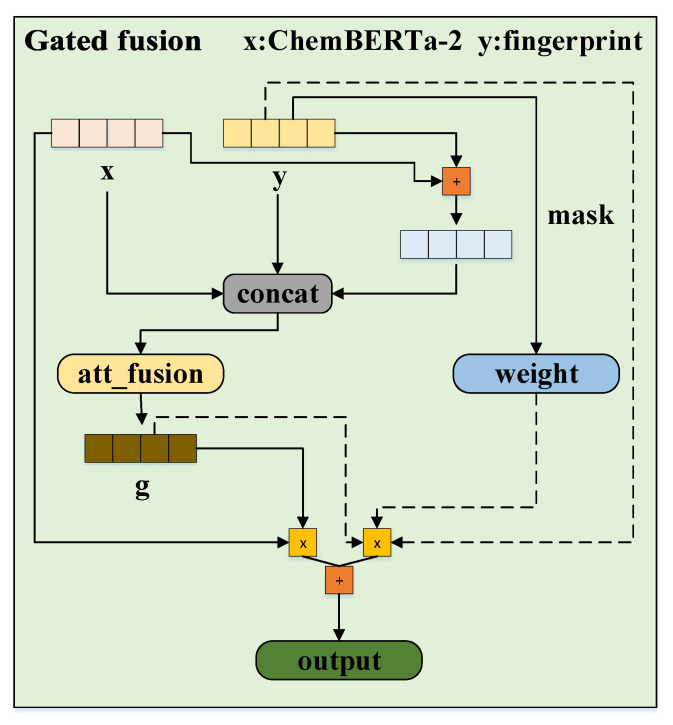 Figure 6
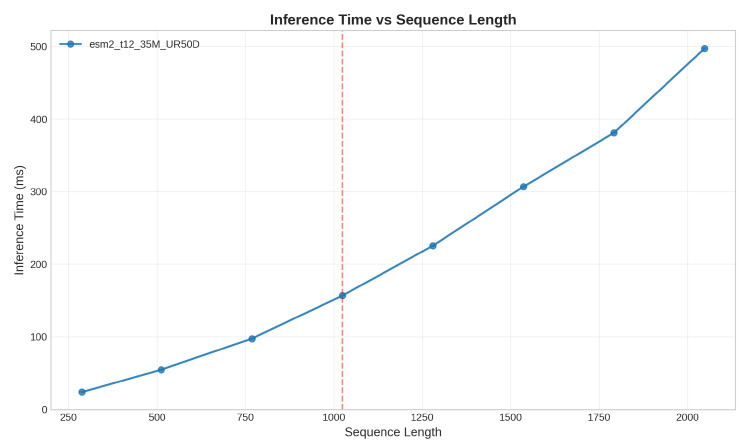 Figure 7
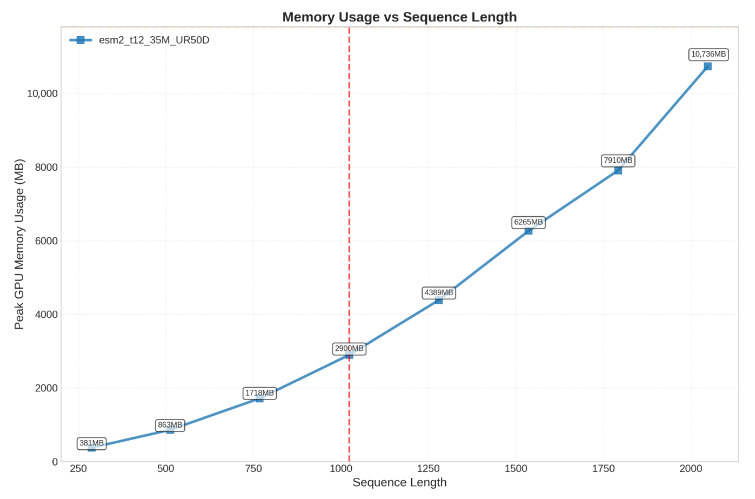 Figure 8
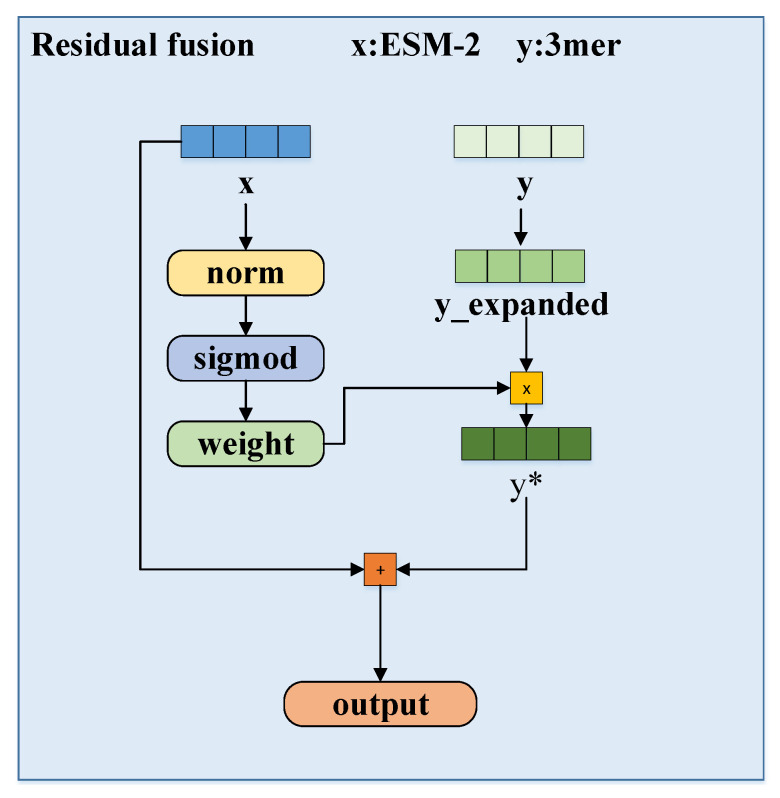 Figure 9
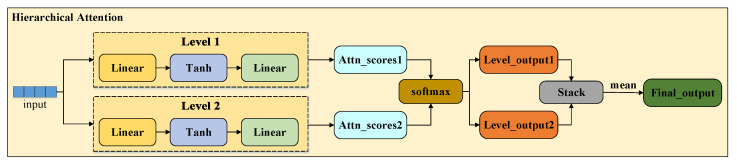 Figure 10
Peer Reviews
No public reviews on file for this paper yet. If you reviewed it on a platform where reviews are public (OpenReview, ICLR, NeurIPS, ICML), you can paste yours below so the community can read it here.
Videos
No videos yet. Explain this paper in a talk, walkthrough, or lecture? Add one.
Taxonomy
TopicsComputational Drug Discovery Methods · Protein Structure and Dynamics · Machine Learning in Bioinformatics