Acute Dehydration Drives Organ-Specific Modulation of Phosphorylated AQP4ex in Brain and Kidney
Claudia Palazzo, Roberta Pati, Raffaella Pia Gatta, Onofrio Valente, Pasqua Abbrescia, Grazia Paola Nicchia, Antonio Frigeri

TL;DR
This study shows how dehydration affects a water channel protein differently in the brain and kidney, revealing a new way the body controls water balance.
Contribution
The paper identifies phosphorylation of AQP4ex as a rapid, tissue-specific regulatory mechanism for water transport during dehydration.
Findings
Phosphorylated AQP4ex levels increased in the kidney medulla during dehydration.
Phosphorylated AQP4ex levels decreased in the cerebral cortex during dehydration.
Phosphorylation of AQP4ex is tissue-specific and adjusts water flux according to organ needs.
Abstract
Water deprivation triggers coordinated physiological responses to preserve body fluid balance, yet the molecular mechanisms that regulate aquaporin-mediated water transport under dehydration remain incompletely understood. Aquaporin-4 (AQP4), the main water channel in the brain and a basolateral water pathway in the kidney collecting duct, exists in multiple isoforms, including the translational readthrough variant AQP4ex, whose regulatory role is only beginning to be defined. Here, we investigated the effects of acute water deprivation (6–12 h) on AQP4 isoform expression and phosphorylation in a mouse kidney and brain. While total AQP4 and AQP4ex protein levels remained largely unchanged in both tissues, dehydration induced a marked and divergent regulation of the phosphorylated form of AQP4ex. Levels increased in the kidney medulla, consistent with enhanced antidiuretic water…
Genes, proteins, chemicals, diseases, species, mutations and cell lines named across the full text — each resolved to its canonical identifier and authoritative record.
Click any figure to enlarge with its caption.
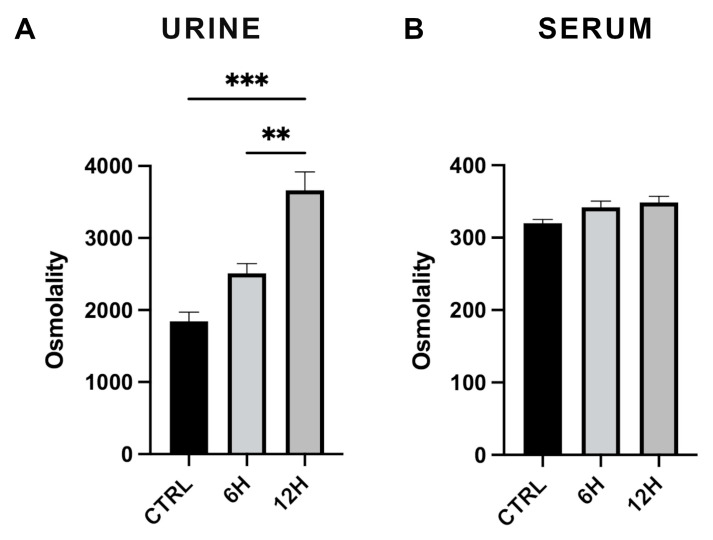 Figure 1
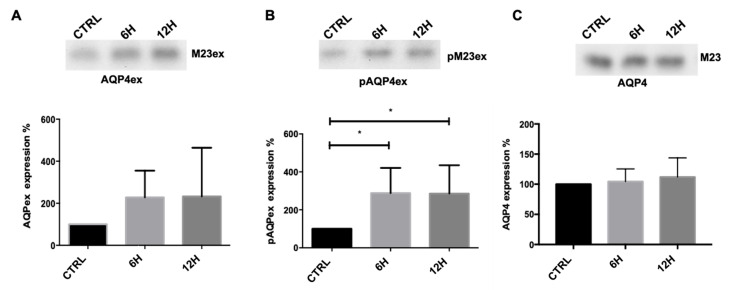 Figure 2
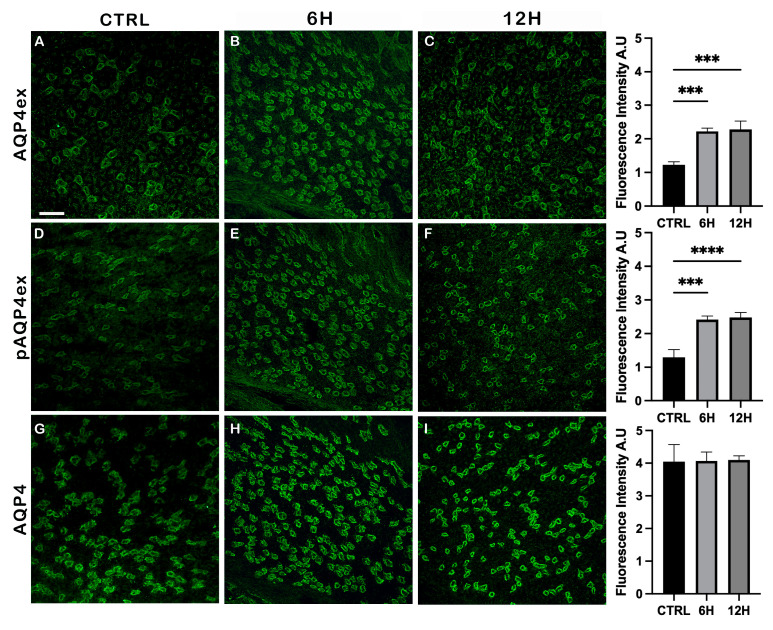 Figure 3
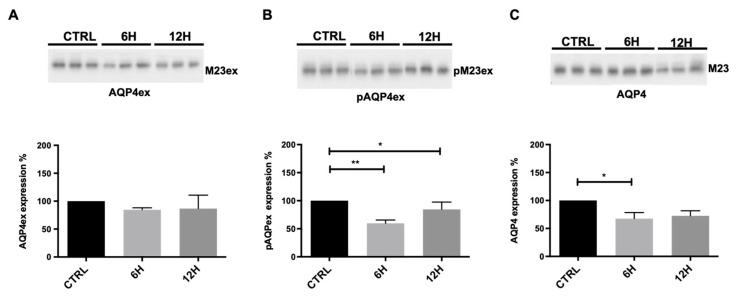 Figure 4
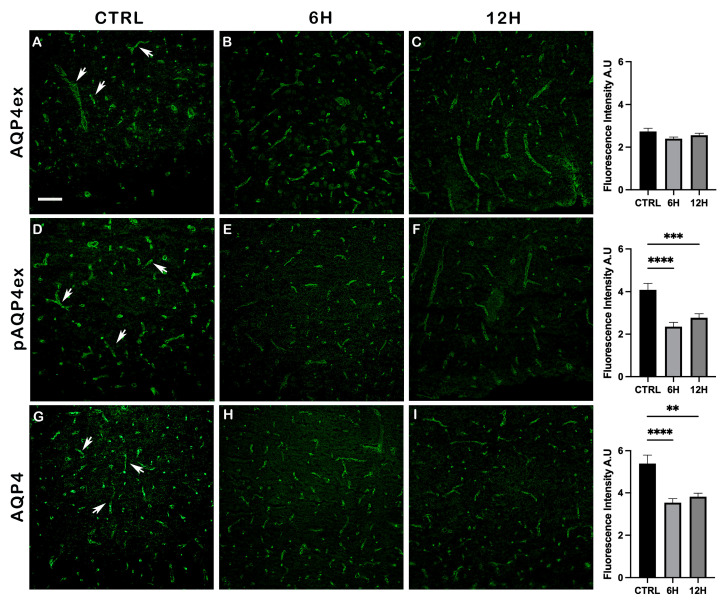 Figure 5
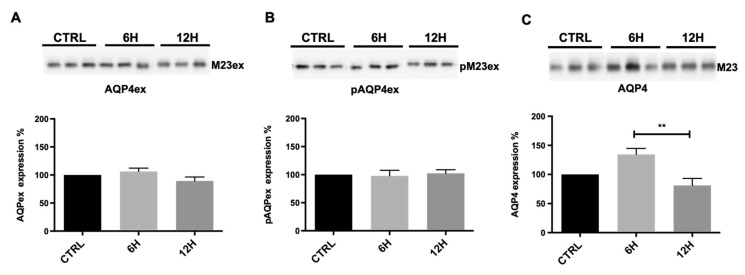 Figure 6
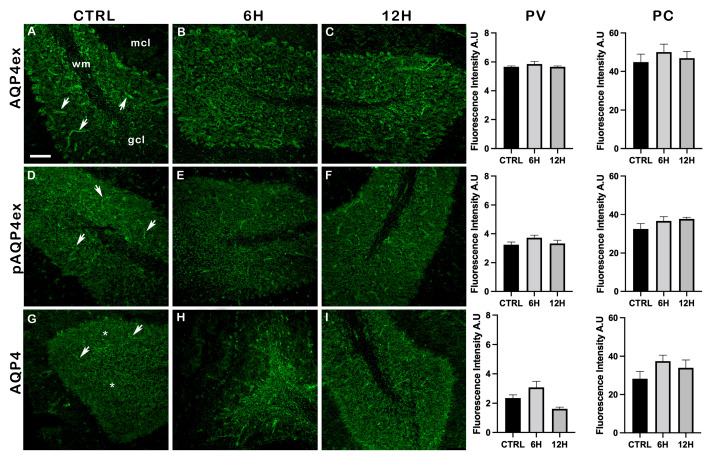 Figure 7
Peer Reviews
No public reviews on file for this paper yet. If you reviewed it on a platform where reviews are public (OpenReview, ICLR, NeurIPS, ICML), you can paste yours below so the community can read it here.
Videos
No videos yet. Explain this paper in a talk, walkthrough, or lecture? Add one.
Taxonomy
TopicsIon Transport and Channel Regulation · Electrolyte and hormonal disorders · Genetic and Kidney Cyst Diseases