Unveiling the Genomic Architecture of Phenotypic Plasticity Using Multiple GWAS Approaches Under Contrasting Conditions of Water Availability: A Model for Barley
Sebastián Arenas, Andrés J. Cortés

TL;DR
This study explores how barley adjusts to drought by identifying genetic factors linked to phenotypic plasticity using genome-wide association studies.
Contribution
The study reveals a distinct genetic architecture for phenotypic plasticity under drought in barley using multiple GWAS approaches and plasticity metrics.
Findings
Environmental effects dominate variation in yield-related traits, while developmental traits are more genetically determined.
Integration of plasticity metrics increased GWAS signal robustness, identifying 239 high-confidence SNPs linked to osmoregulation and metabolism.
Candidate alleles show context-dependent antagonistic pleiotropy, modulating drought resilience through environment-contingent genetic architectures.
Abstract
Phenotypic plasticity is a key mechanism by which crops adjust to fluctuating environmental conditions, yet its genetic basis under drought remains poorly characterized in barley (Hordeum vulgare). We hypothesized that phenotypic plasticity under drought is controlled by a distinct, trait-specific genetic architecture that can be detected using complementary plasticity metrics and genome-wide association studies (GWAS). Here, we examined data from 1277 spring barley genotypes grown under well-watered and water-limited conditions to quantify plastic responses across two developmental traits (i.e., heading time, and maturity) and seven productivity-related traits (i.e., total dry matter, plant grain yield, grain number, grain weight, harvest index, vegetative dry weight, and grain-filling period). The experimental design, based on contrasting water regimes across a large diversity panel,…
Genes, proteins, chemicals, diseases, species, mutations and cell lines named across the full text — each resolved to its canonical identifier and authoritative record.
Click any figure to enlarge with its caption.
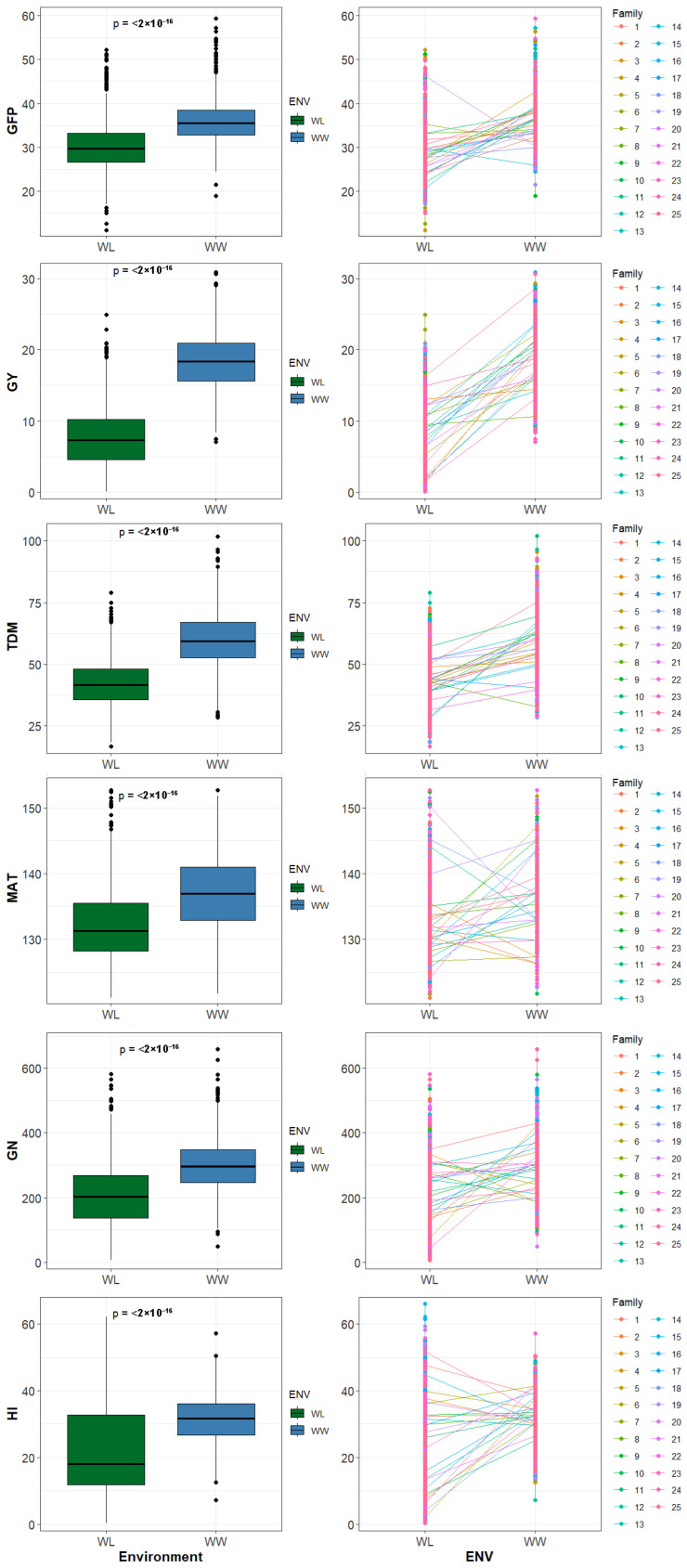 Figure 1
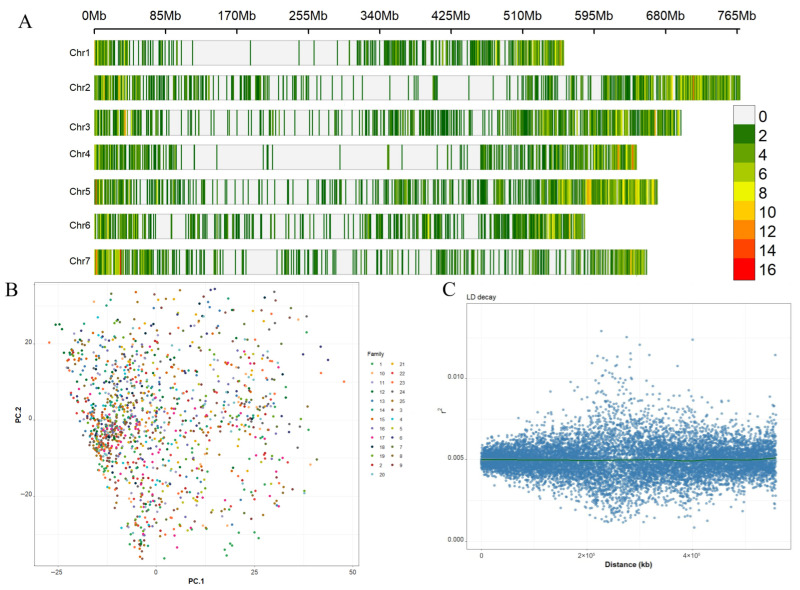 Figure 2
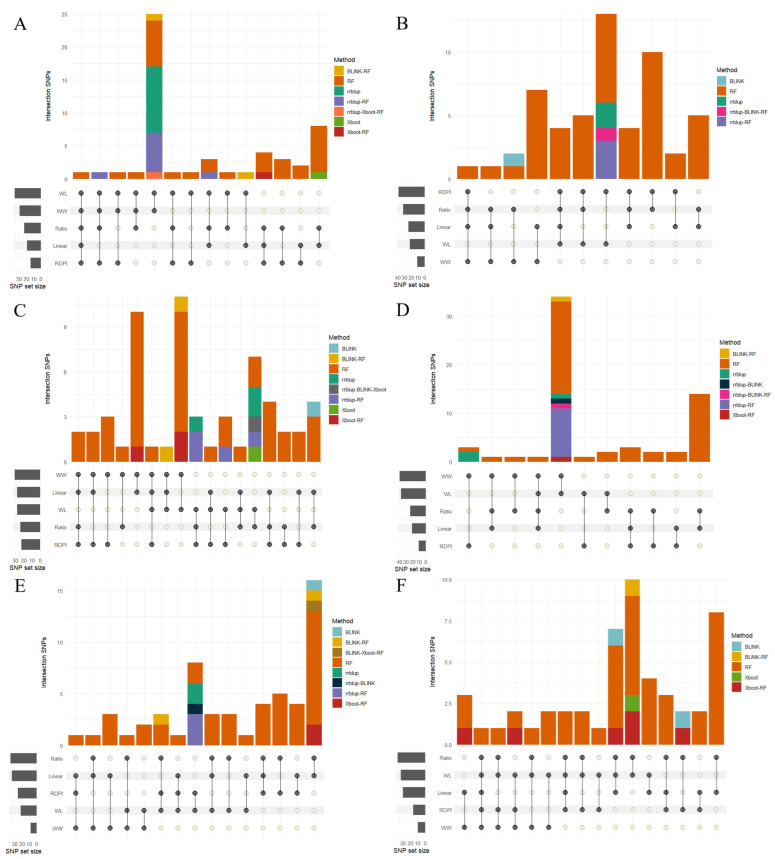 Figure 3
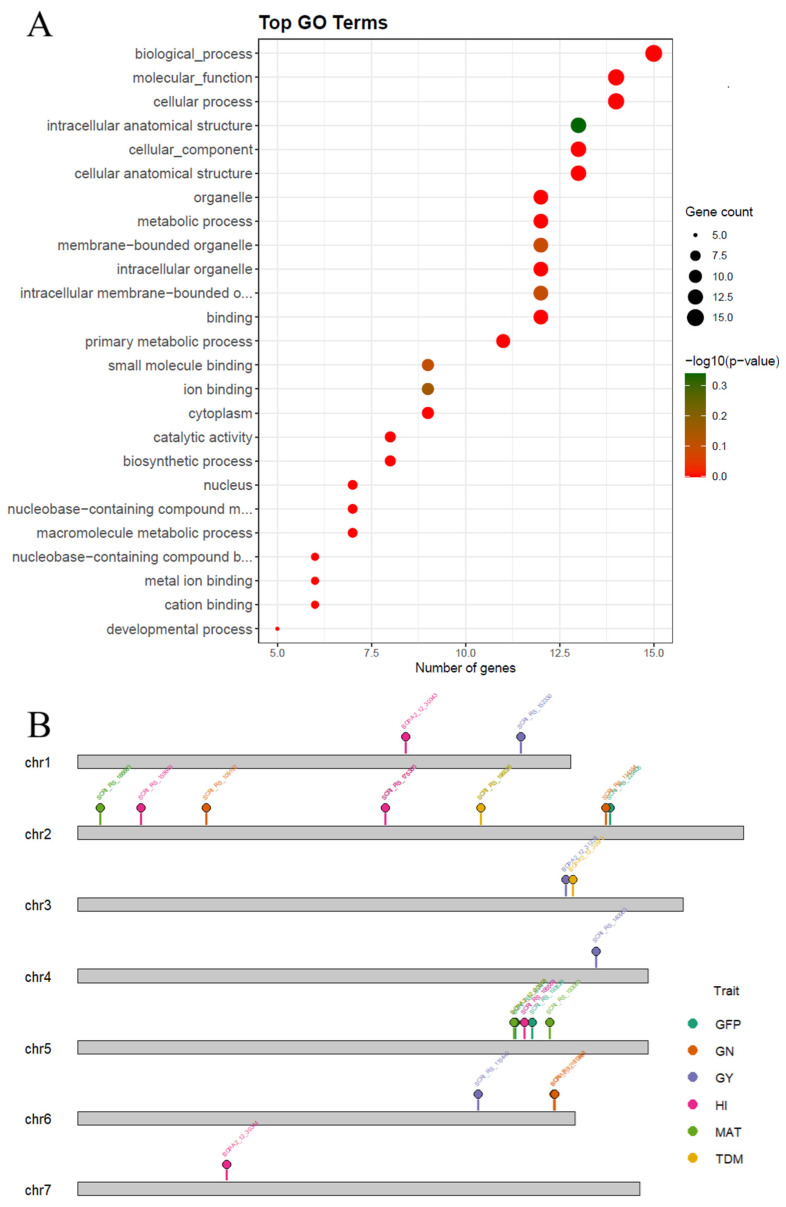 Figure 4
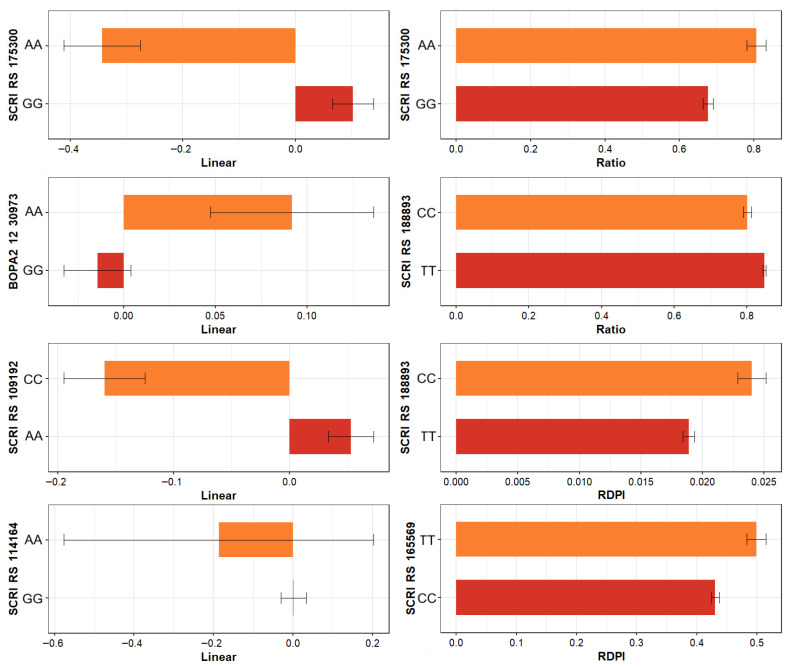 Figure 5
Peer Reviews
No public reviews on file for this paper yet. If you reviewed it on a platform where reviews are public (OpenReview, ICLR, NeurIPS, ICML), you can paste yours below so the community can read it here.
Videos
No videos yet. Explain this paper in a talk, walkthrough, or lecture? Add one.
Taxonomy
TopicsWheat and Barley Genetics and Pathology · Genetic Mapping and Diversity in Plants and Animals · Genetics and Plant Breeding