Phosphatidylserine Externalization in Cancer: Biology, Immune Suppression, and Emerging Theragnostic Strategies
Maro Yoo, Kyung-Hee Kim

TL;DR
This paper reviews how phosphatidylserine (PS) exposure in cancer cells helps tumors evade the immune system and explores new treatments targeting PS for cancer therapy.
Contribution
The paper provides a comprehensive review of PS biology in cancer and highlights emerging PS-targeted theragnostic strategies.
Findings
Chronic PS externalization in cancer cells contributes to immune suppression and tumor progression.
PS-targeted therapies like bavituximab and SapC-DOPS/BXQ-350 show promise in combination with existing cancer treatments.
PS serves as a unifying biomarker for tumor stress and therapeutic vulnerability.
Abstract
Phosphatidylserine (PS) externalization is a conserved membrane stress signal that becomes chronically dysregulated in cancer cells and tumor-associated endothelium. In vivo, PS does not exist as a free lipid signal but is presented in specific membrane-associated forms, including apoptotic or stressed cell surfaces, PS-rich extracellular vesicles, and circulating lipid particles. Unlike apoptosis-associated transient PS exposure, malignant PS externalization arises from metabolic rewiring, oxidative stress, epigenetic silencing of flippases, and microenvironmental cues, creating an immunosuppressive interface across the tumor–host boundary. This review synthesizes mechanistic, immunological, and clinical evidence on PS biology, including its roles in tumor immune evasion, extracellular vesicle-mediated systemic suppression, and vascular remodeling. We further summarize the development…
Genes, proteins, chemicals, diseases, species, mutations and cell lines named across the full text — each resolved to its canonical identifier and authoritative record.
Click any figure to enlarge with its caption.
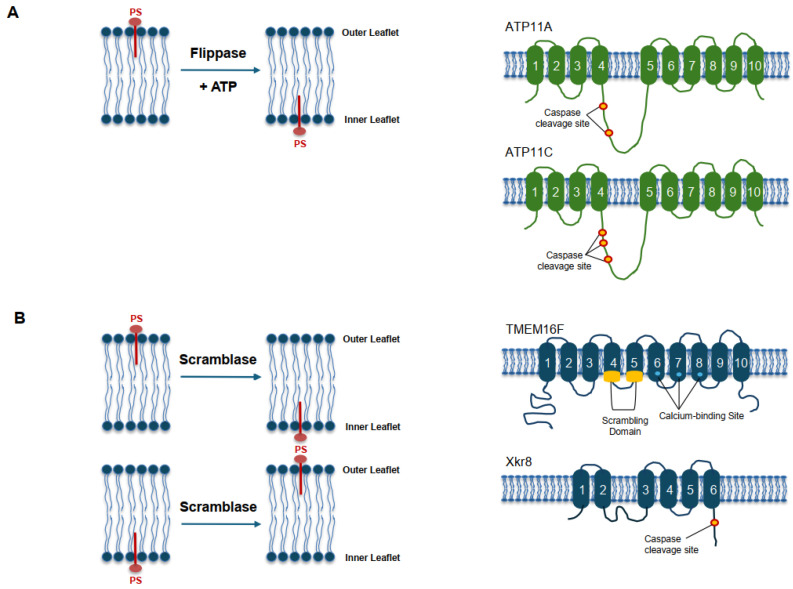 Figure 1
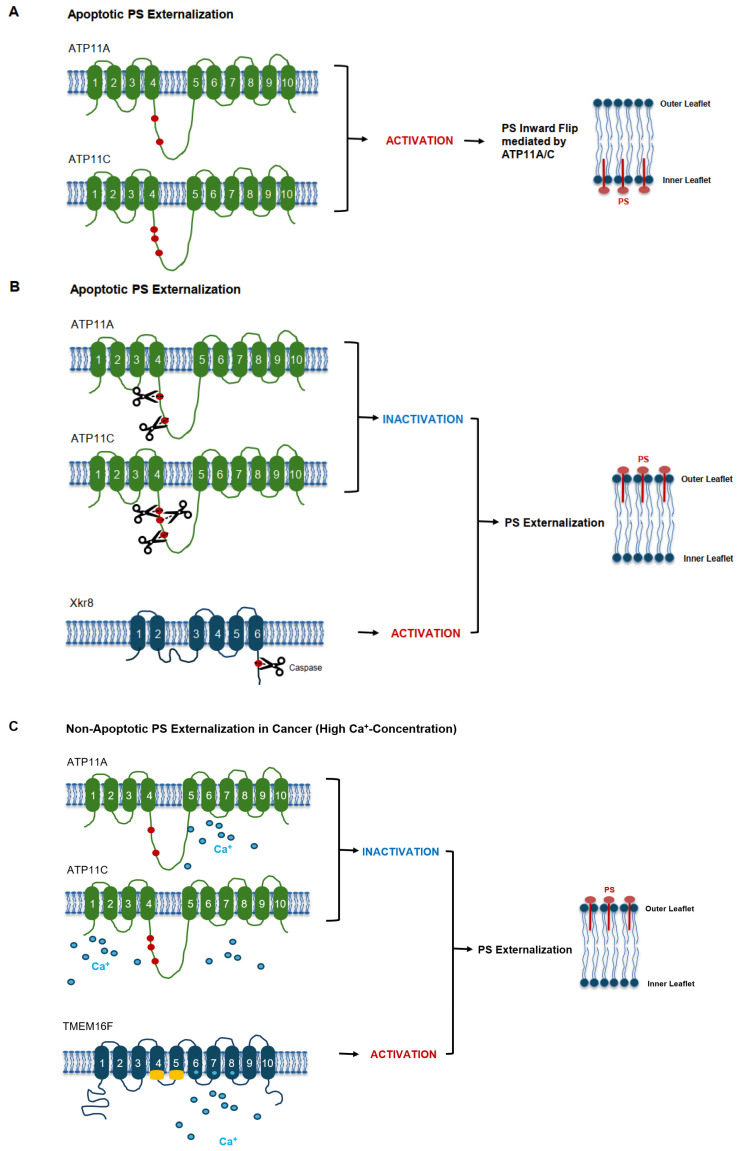 Figure 2
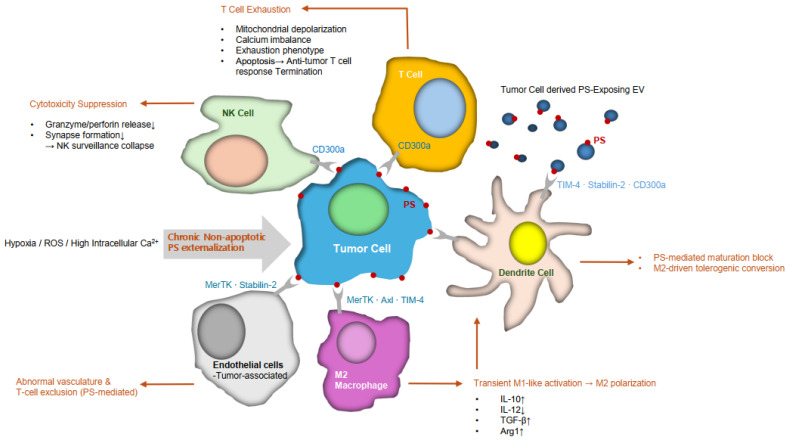 Figure 3
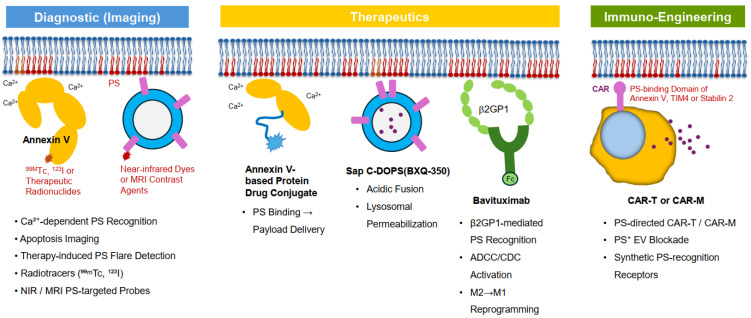 Figure 4
Peer Reviews
No public reviews on file for this paper yet. If you reviewed it on a platform where reviews are public (OpenReview, ICLR, NeurIPS, ICML), you can paste yours below so the community can read it here.
Videos
No videos yet. Explain this paper in a talk, walkthrough, or lecture? Add one.
Taxonomy
TopicsPhagocytosis and Immune Regulation · Lipid Membrane Structure and Behavior · Sphingolipid Metabolism and Signaling