Asiatic Acid Attenuates Salmonella typhimurium-Induced Neuroinflammation and Neuronal Damage by Inhibiting the TLR2/Notch and NF-κB Pathway in Microglia
Wenshu Zou, Jianxi Li

TL;DR
Asiatic acid reduces brain inflammation and nerve damage caused by Salmonella infection by blocking key immune pathways in microglial cells.
Contribution
The study reveals a novel mechanism by which Asiatic acid inhibits TLR2/Notch and NF-κB pathways to counteract neuroinflammation.
Findings
Asiatic acid pre-treatment reduced iNOS expression and NO production in Salmonella-infected mice and BV-2 cells.
Asiatic acid inhibits the nuclear translocation and complex formation of Notch and p65 proteins under Salmonella stimulation.
Blocking Notch-p65 interactions provides a new theoretical basis for Asiatic acid's clinical use in neuroinflammation.
Abstract
Salmonella typhimurium (S.T) infection of the central nervous system (CNS) induces severe inflammation, leading to elevated expression of inducible nitric oxide synthase (iNOS) in microglia. This process catalyzes excessive production of nitric oxide (NO), resulting in irreversible damage to neuronal mitochondria. Asiatic acid (AA) is a small molecule with neuroprotective potential; however, its ability to counteract nerve injury induced by S.T and the underlying mechanisms remain unclear. In this study, we established an S.T-infected mouse model (in vivo) and an S.T-stimulated microglial model using BV-2 cells (in vitro) and employed techniques including immunofluorescence (IF), Western blot, co-immunoprecipitation (Co-IP), and RNA extraction and quantitative reverse transcription PCR (RT-qPCR) to systematically evaluate the protective effects and mechanisms of AA. The results showed…
Genes, proteins, chemicals, diseases, species, mutations and cell lines named across the full text — each resolved to its canonical identifier and authoritative record.
Click any figure to enlarge with its caption.
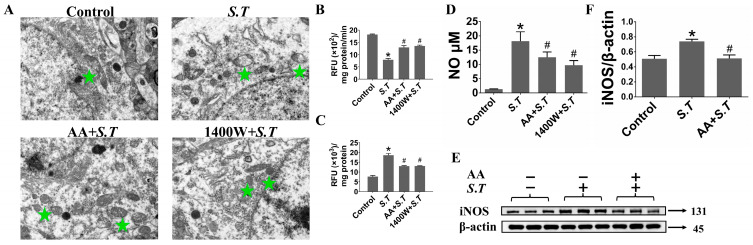 Figure 1
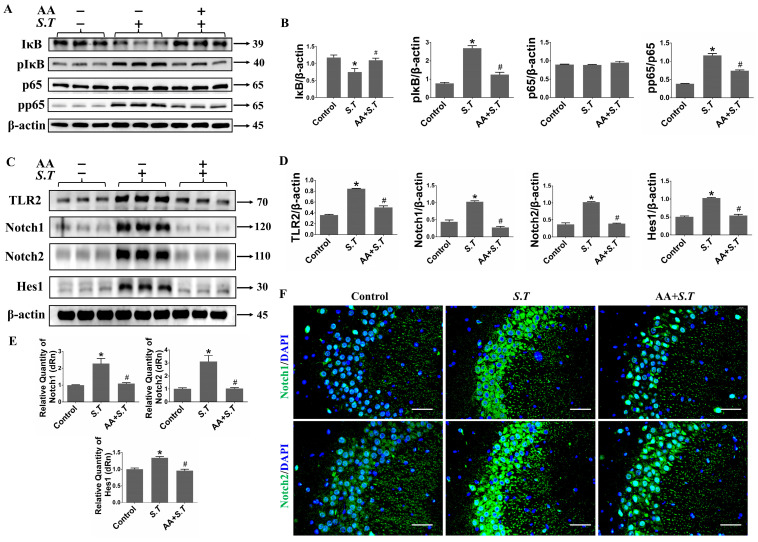 Figure 2
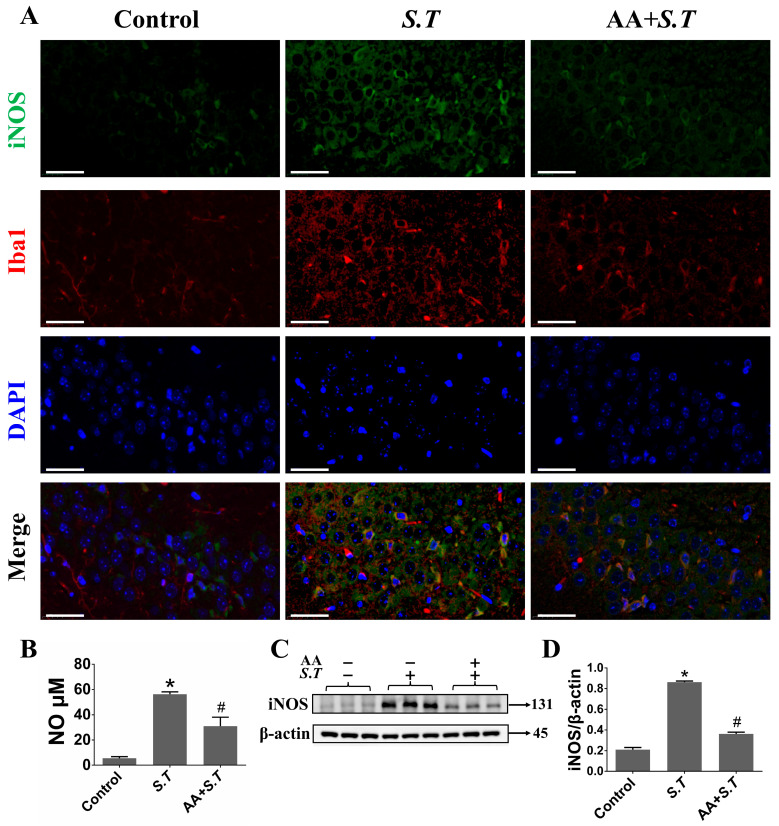 Figure 3
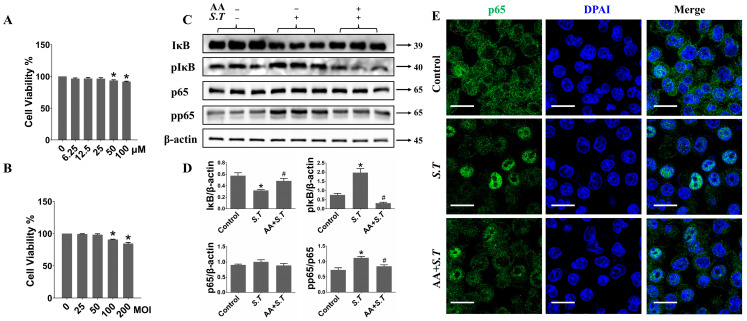 Figure 4
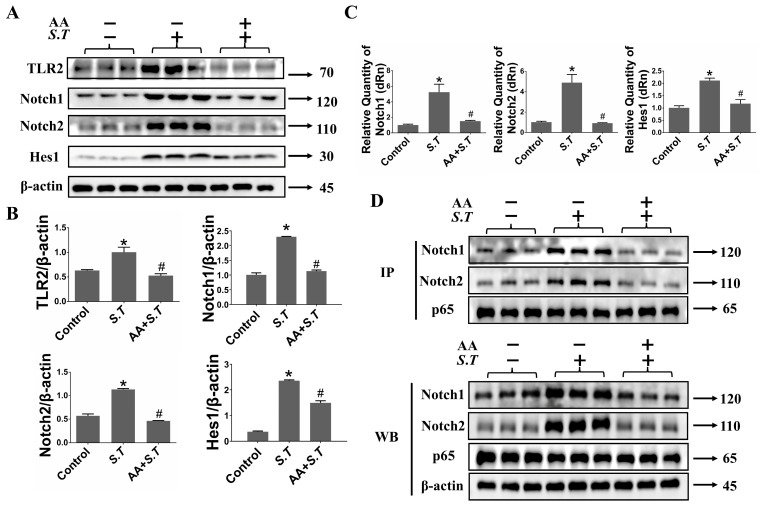 Figure 5
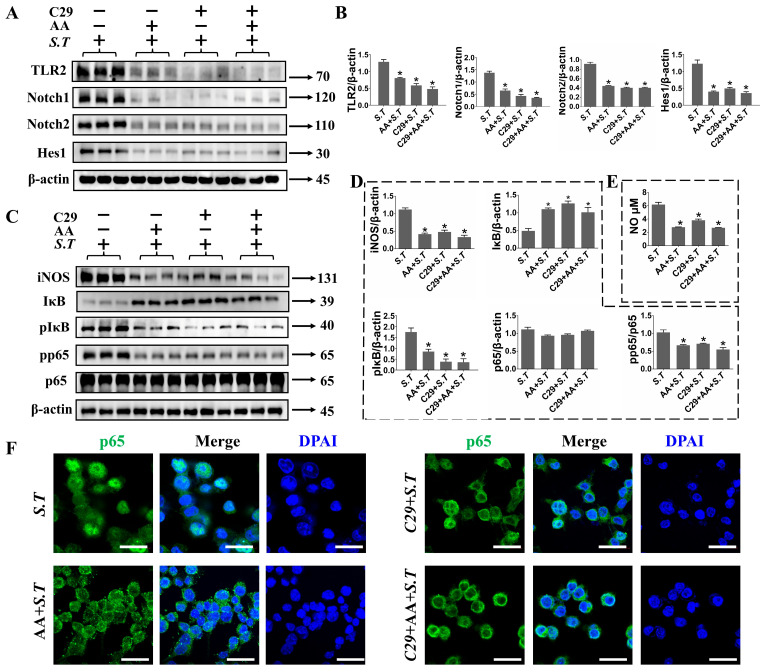 Figure 6
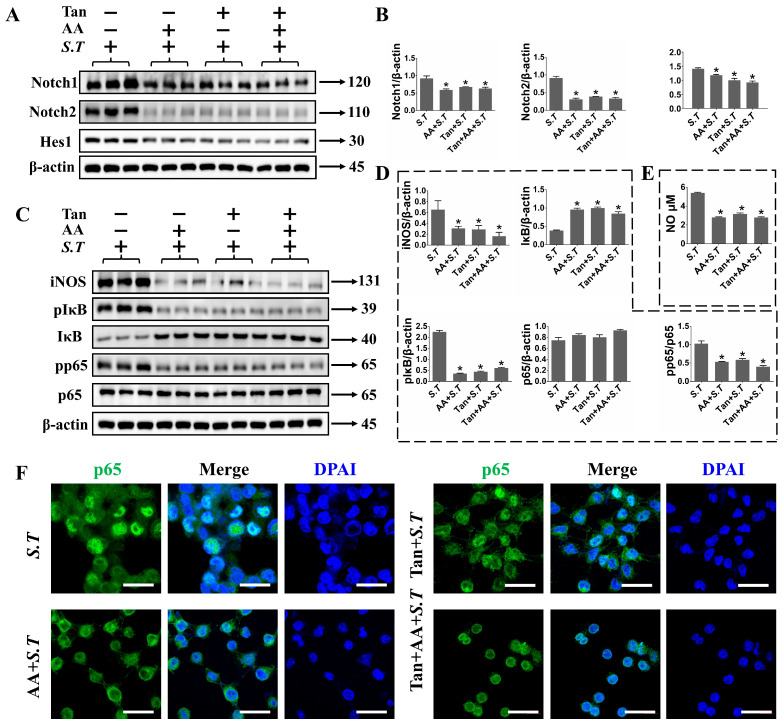 Figure 7
Peer Reviews
No public reviews on file for this paper yet. If you reviewed it on a platform where reviews are public (OpenReview, ICLR, NeurIPS, ICML), you can paste yours below so the community can read it here.
Videos
No videos yet. Explain this paper in a talk, walkthrough, or lecture? Add one.
Taxonomy
TopicsMedicinal Plants and Neuroprotection · Neuroinflammation and Neurodegeneration Mechanisms · Neurological Disease Mechanisms and Treatments