FIR/PUF60: Multifunctional Molecule Through RNA Splicing for Revealing the Novel Disease Mechanism and Effective Individualized Therapies
Kazuyuki Matsushita, Kouichi Kitamura, Nobuko Tanaka, Sohei Kobayashi, Yusuke Suenaga, Tyuji Hoshino

TL;DR
This paper explores how RNA splicing, particularly through the PUF60/FIR molecule, influences disease mechanisms and could lead to better individualized therapies.
Contribution
The paper introduces a novel splicing model of PUF60/FIR to explore RNA regulation in diseases, focusing on biomarker identification and therapeutic targets.
Findings
PUF60/FIR splicing model is linked to regulation of rRNA and mRNA in diseases.
Noncoding RNAs can be translated into functional proteins, impacting disease mechanisms.
Dominant ORFs in spliced RNA may serve as potential biomarkers for disease diagnosis.
Abstract
Disease-specific diversity in RNA transcripts stems from RNA splicing, ribosomal abnormalities, and other factors. However, the mechanisms underlying the regulation of rRNA expression in the nucleolus and mRNA expression in the cytoplasm during cancer and neuronal differentiation remain largely unknown. In this article, we review current knowledge and discuss the regulatory mechanisms of rRNA and mRNA expression in human diseases using the splicing model of PUF60 (poly(U) binding splicing factor 60)—also known as FUSE-binding protein-interacting repressor (FIR) (FUBP1-interacting repressor), RoBPI, SIAHBP1, and VRJS (Gene ID: 22827). Noncoding RNAs, much like coding RNAs, have been found to be translated into proteins with significant physiological functions. Splicing is also involved in dominant ORF RNAs implicated in the expression of both noncoding and coding RNAs. Here, we analyze…
Genes, proteins, chemicals, diseases, species, mutations and cell lines named across the full text — each resolved to its canonical identifier and authoritative record.
Click any figure to enlarge with its caption.
 Figure 1
 Figure 2
 Figure 3
 Figure 4
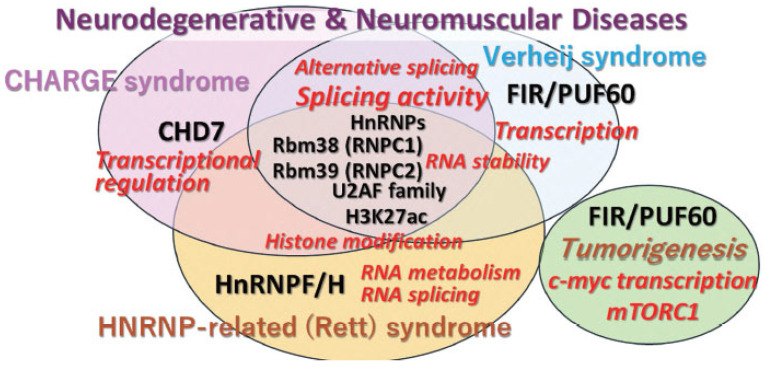 Figure 5
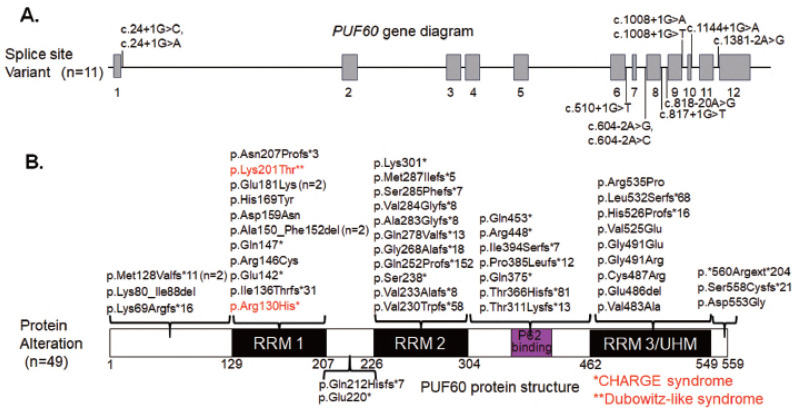 Figure 6
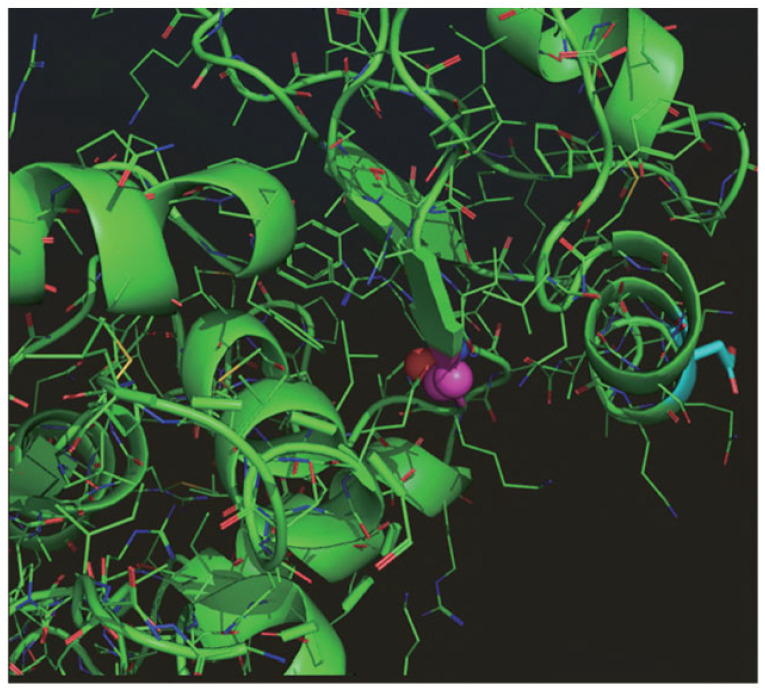 Figure 7
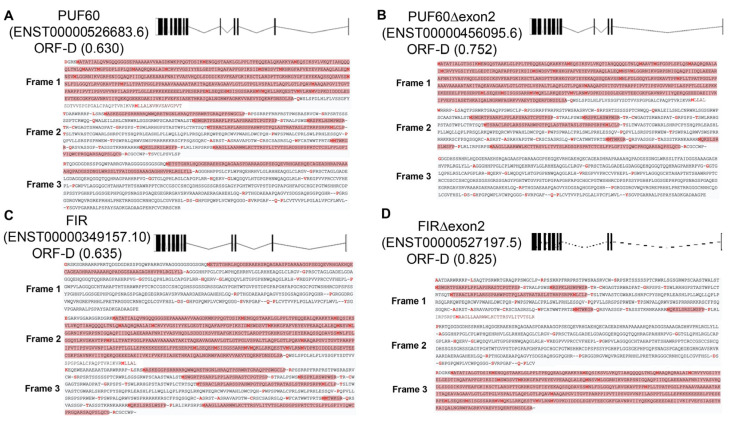 Figure 8
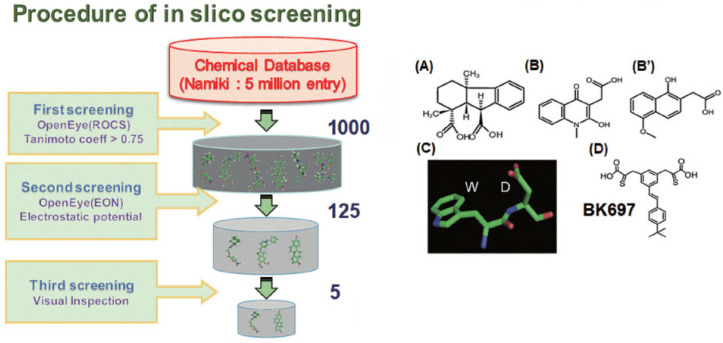 Figure 9
Peer Reviews
No public reviews on file for this paper yet. If you reviewed it on a platform where reviews are public (OpenReview, ICLR, NeurIPS, ICML), you can paste yours below so the community can read it here.
Videos
No videos yet. Explain this paper in a talk, walkthrough, or lecture? Add one.
Taxonomy
TopicsRNA Research and Splicing · RNA and protein synthesis mechanisms · RNA modifications and cancer