Ganoderma lucidum Triterpenoids Suppress Adipogenesis and Obesity via PRKCQ Activation: An Integrated In Vivo, In Vitro, and Systems Pharmacology Study
Boyi Li, Jianing Chen, Yuanyuan Sun, Jianping Gao, Minyan Hu, Juan Xu, Siying Wang, Na Feng, Haishun Xu, Zhiyan Jiang, Xueqian Wu, Ying Wang

TL;DR
This study shows that compounds from Ganoderma lucidum reduce obesity by activating PRKCQ, offering a new approach for obesity prevention and treatment.
Contribution
The study identifies PRKCQ as a novel target for GLT's anti-obesity effects through integrated experimental and computational methods.
Findings
GLT reduced body weight and lipid accumulation in mice without affecting food intake.
GLT inhibited adipogenesis and downregulated key adipogenic genes like PPARγ and C/EBPα.
PRKCQ activation was crucial for GLT's anti-adipogenic effects, as its deletion reversed these effects.
Abstract
Ganoderma lucidum triterpenoids (GLTs) exhibit potential anti-obesity activity. However, their mechanism remains unclear. In this study, triterpenoids were extracted from G. lucidum via ultrahigh-pressure extraction. Using a high-fat diet (HFD)-induced mouse model, we showed that GLT treatment (100 and 200 mg/kg) significantly reduced body weight and lipid accumulation without changing food intake. Next, we found that GLT significantly inhibited preadipocyte differentiation and adipogenesis and reduced the expression of adipogenic genes, including PPARγ, C/EBPα, FASN, and SCD-1. Moreover, network pharmacology predicted a total of 306 potential targets, among which FYN, PRKCQ, PTPRF, HRH1, and HCRTR2 were identified as the core targets via a machine learning algorithm. Interestingly, GLT upregulated the expression of PRKCQ, while the deletion of PRKCQ significantly reversed the…
Genes, proteins, chemicals, diseases, species, mutations and cell lines named across the full text — each resolved to its canonical identifier and authoritative record.
Click any figure to enlarge with its caption.
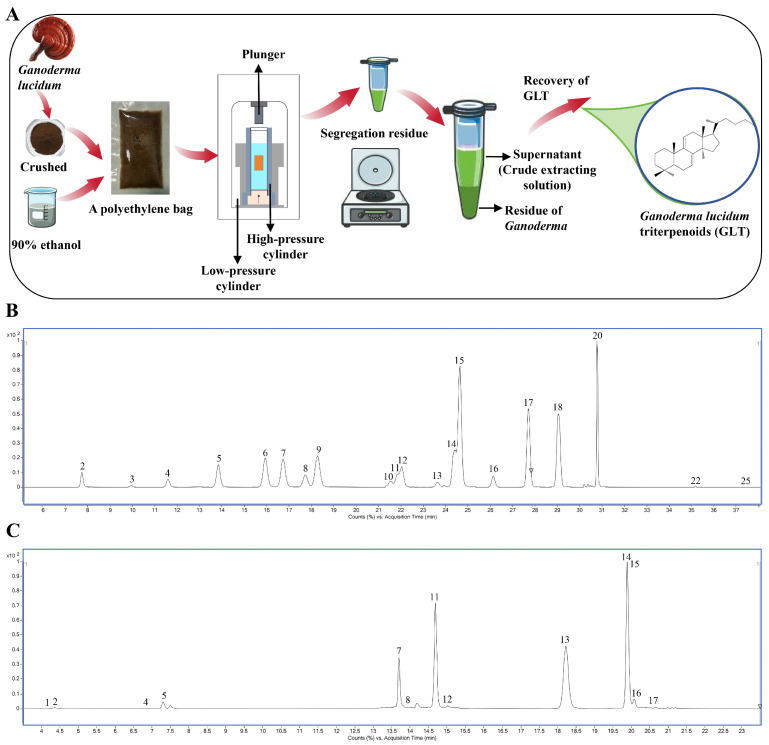 Figure 1
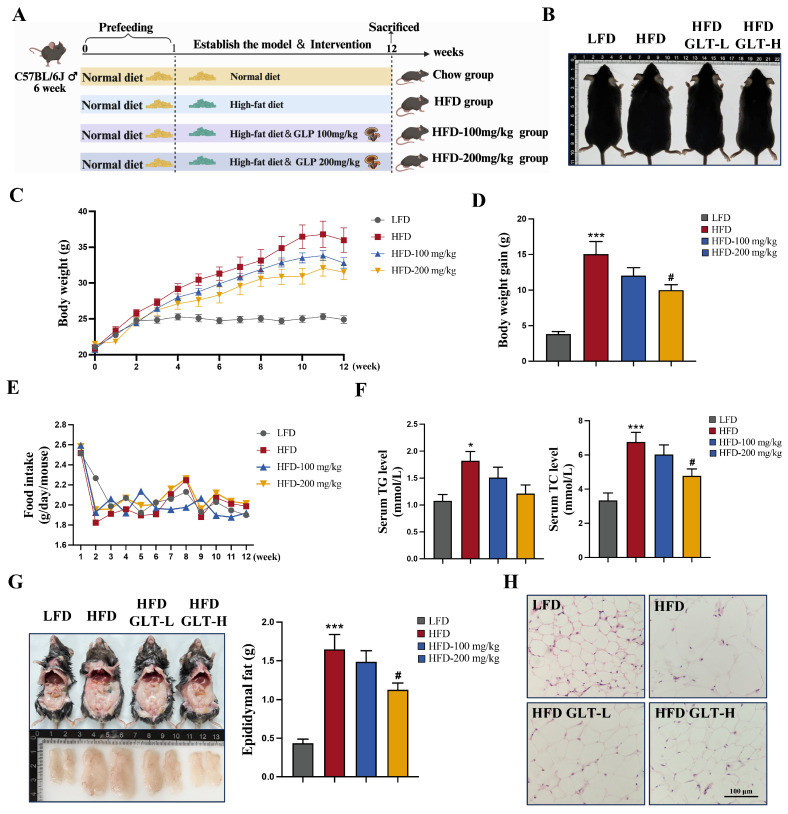 Figure 2
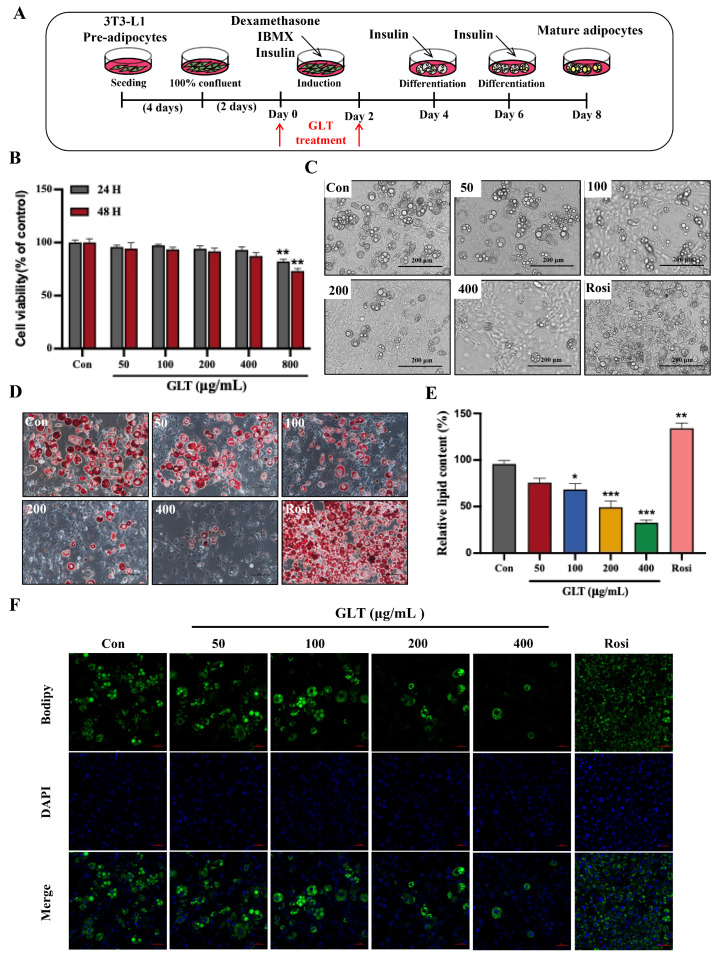 Figure 3
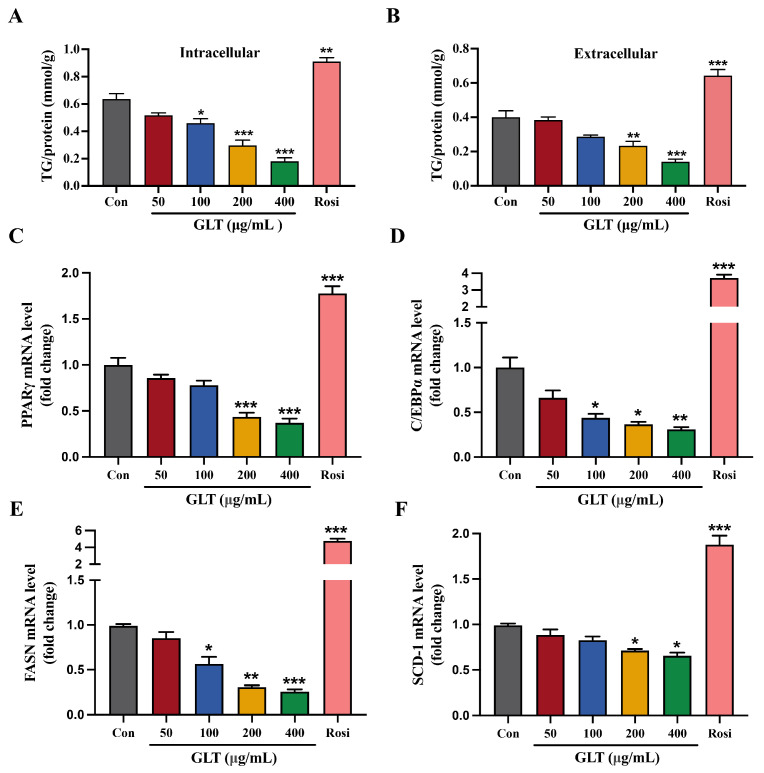 Figure 4
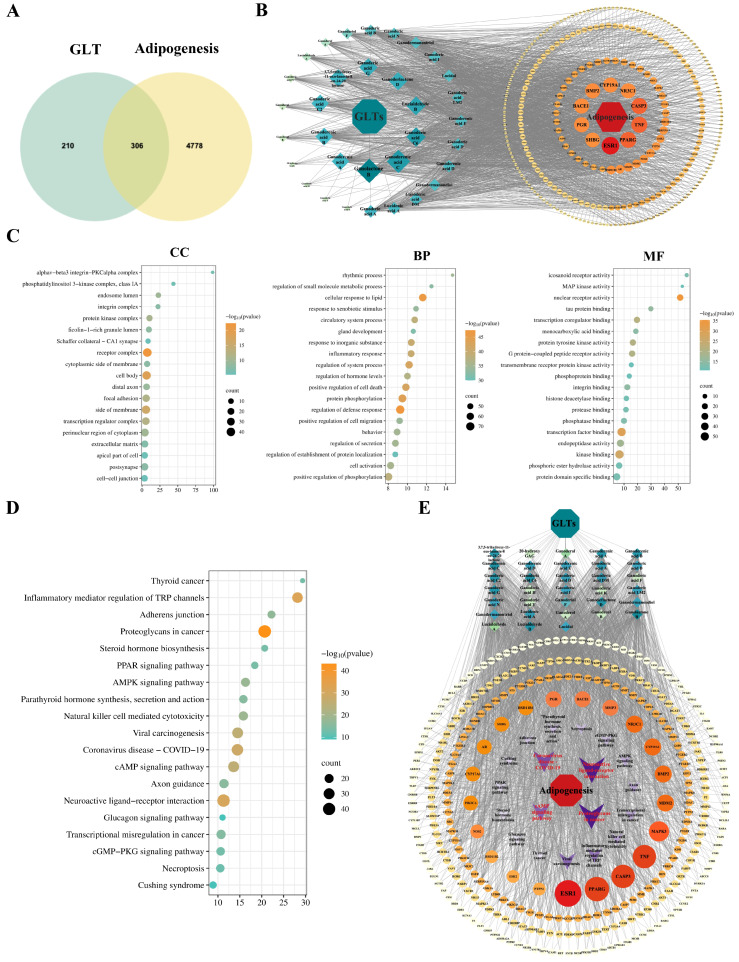 Figure 5
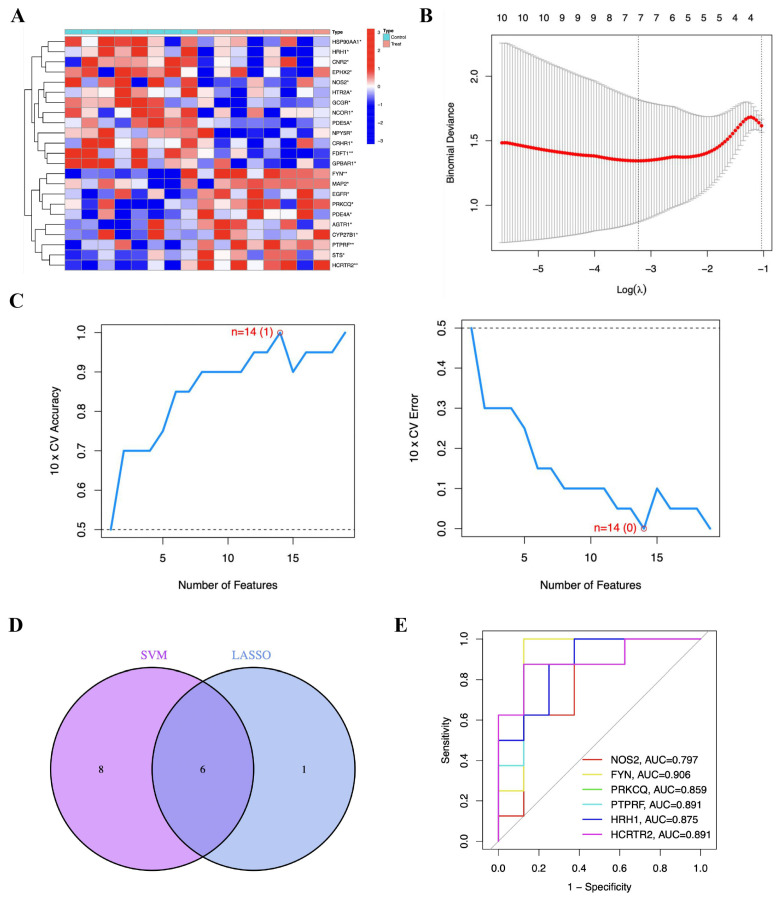 Figure 6
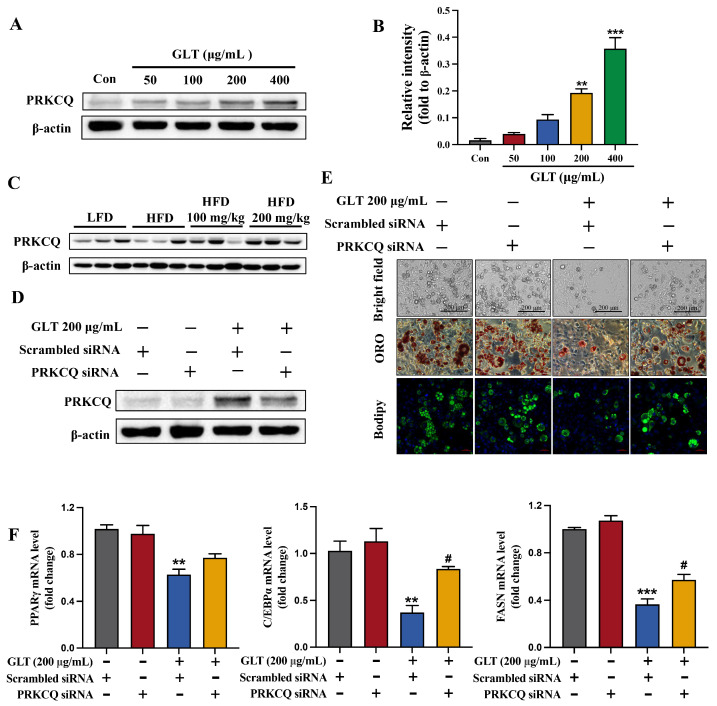 Figure 7
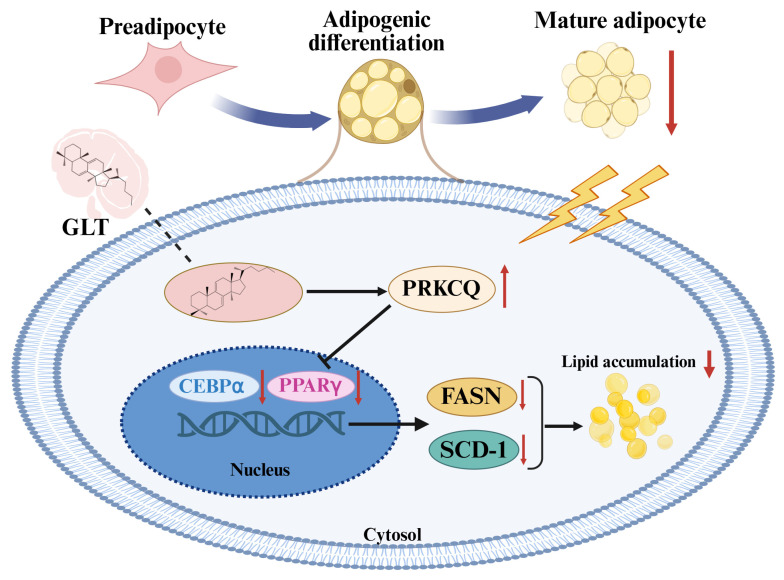 Figure 8
Peer Reviews
No public reviews on file for this paper yet. If you reviewed it on a platform where reviews are public (OpenReview, ICLR, NeurIPS, ICML), you can paste yours below so the community can read it here.
Videos
No videos yet. Explain this paper in a talk, walkthrough, or lecture? Add one.
Taxonomy
TopicsFungal Biology and Applications · Antioxidants, Aging, Portulaca oleracea · Protein Hydrolysis and Bioactive Peptides