An Integrated Cervical Stabilization Exercise and Thai Self-Massage Approach for Managing Chronic Nonspecific Neck Pain in Young Adults: A Single-Blind Randomized Controlled Trial
Vitsarut Buttagat, Warathon Mathong, Metira Kongchana, Kanittha Lowprasert, Sujittra Kluayhomthong, Pattanasin Areeudomwong

TL;DR
A self-care program combining cervical exercises and Thai self-massage reduced neck pain and disability in young adults with chronic nonspecific neck pain.
Contribution
This study introduces a novel integrative self-care approach combining cervical stabilization exercises and Thai self-massage for managing chronic neck pain.
Findings
The CSTM group showed greater reductions in pain intensity and neck disability compared to the control group.
Improvements were maintained at a two-week follow-up after the four-week intervention.
Both groups experienced significant improvements in pain and disability, but CSTM was more effective.
Abstract
Public health relevance—how does this work relate to a public health issue? Chronic nonspecific neck pain represents a growing public health burden, particularly among young adults, contributing to reduced productivity, functional limitation, and early healthcare utilization.Scalable self-care interventions are increasingly important to address musculoskeletal pain in community and home settings where access to long-term supervised care is limited. Chronic nonspecific neck pain represents a growing public health burden, particularly among young adults, contributing to reduced productivity, functional limitation, and early healthcare utilization. Scalable self-care interventions are increasingly important to address musculoskeletal pain in community and home settings where access to long-term supervised care is limited. Public health significance—why is this work of significance to…
Genes, proteins, chemicals, diseases, species, mutations and cell lines named across the full text — each resolved to its canonical identifier and authoritative record.
Click any figure to enlarge with its caption.
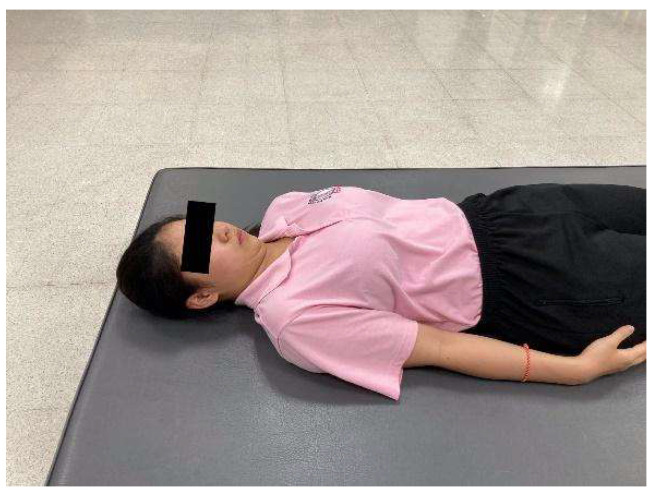 Figure 1
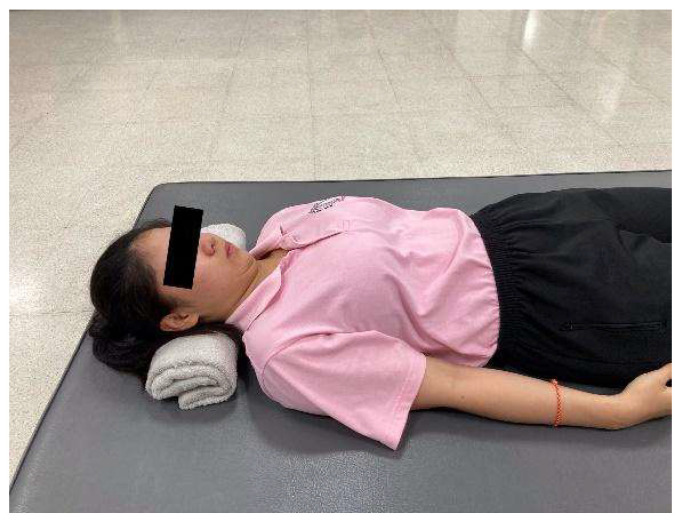 Figure 2
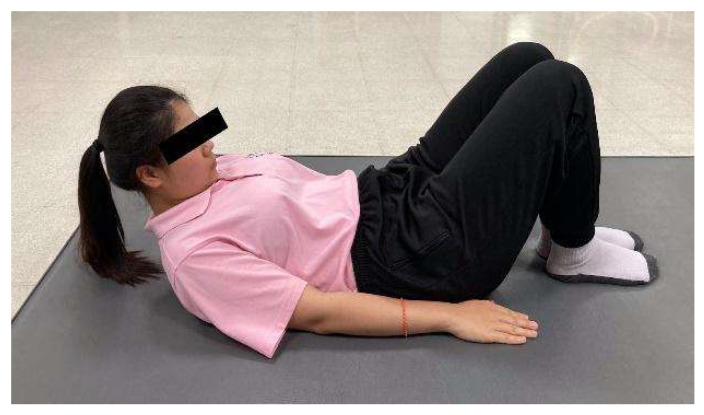 Figure 3
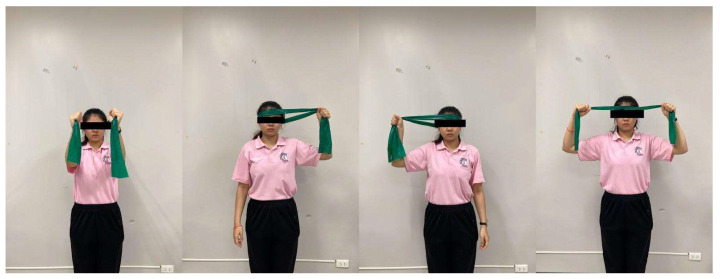 Figure 4
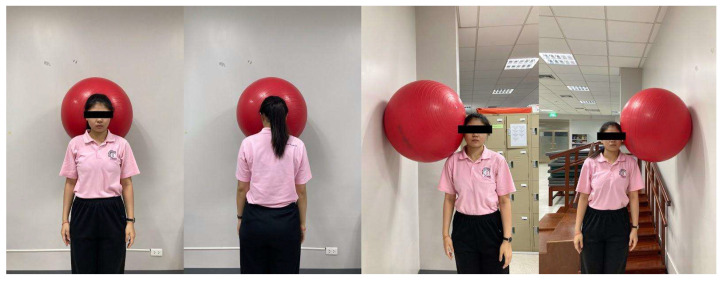 Figure 5
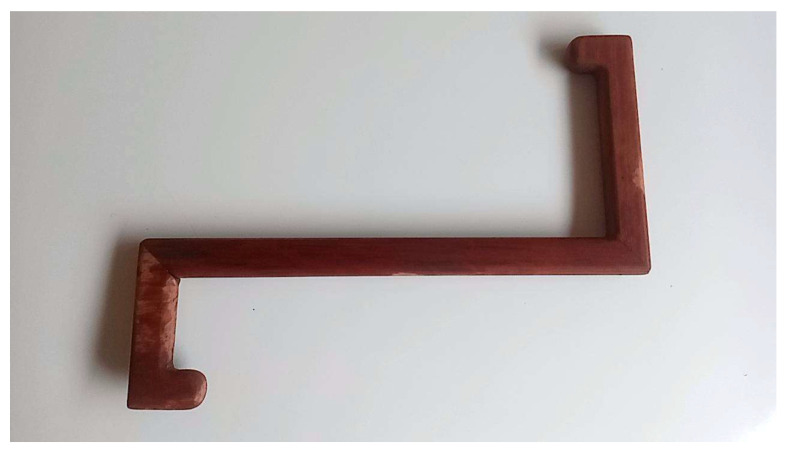 Figure 6
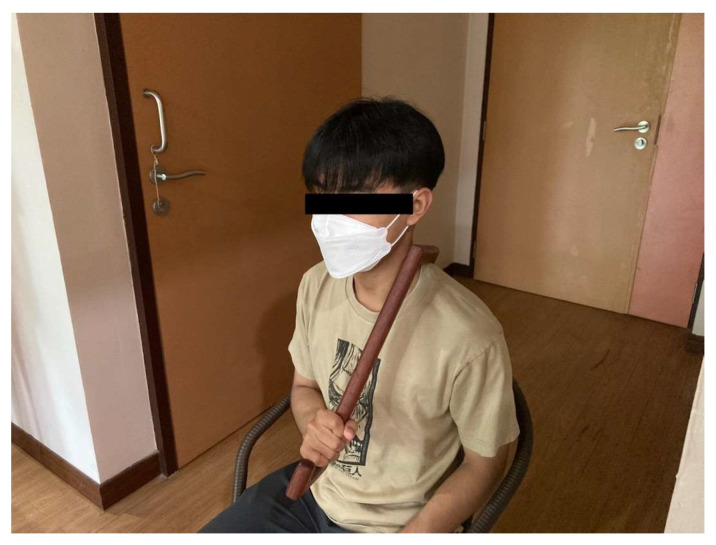 Figure 7
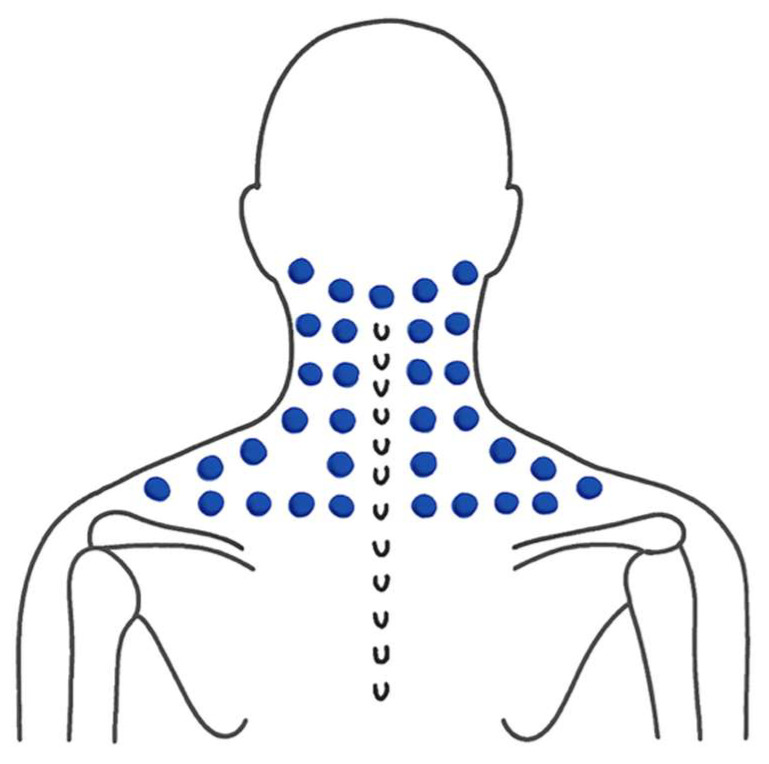 Figure 8
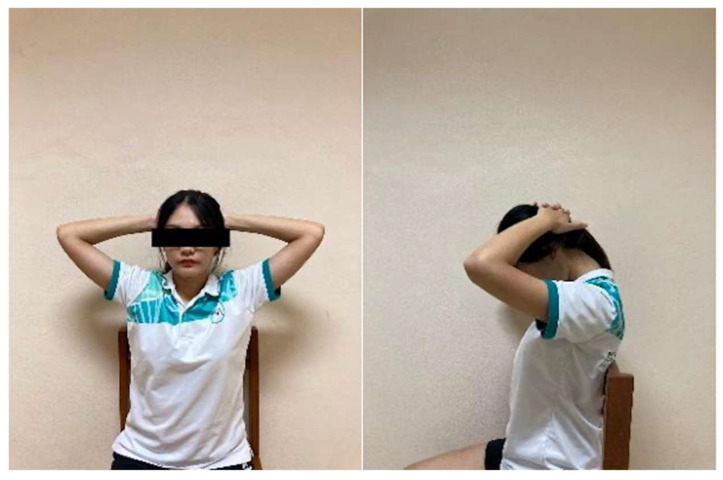 Figure 9
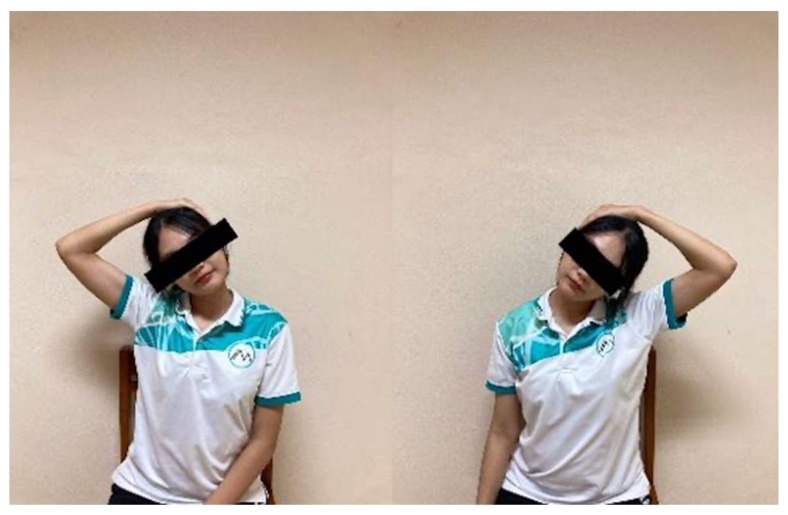 Figure 10
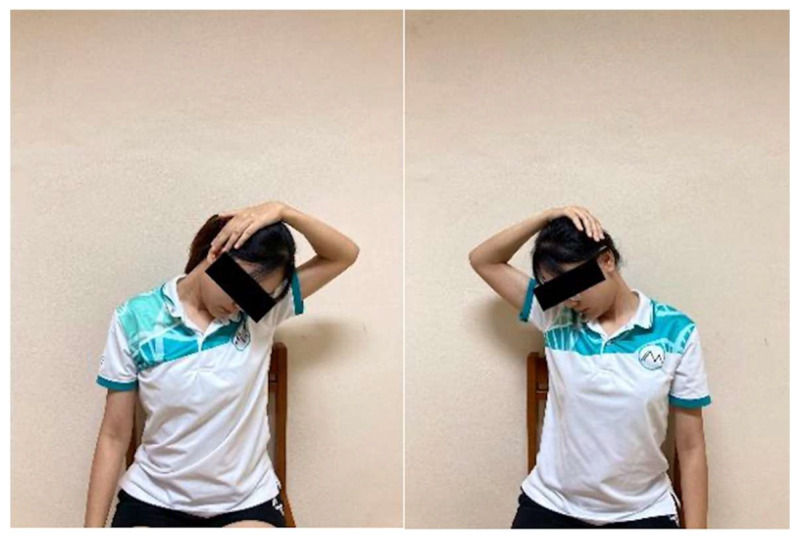 Figure 11
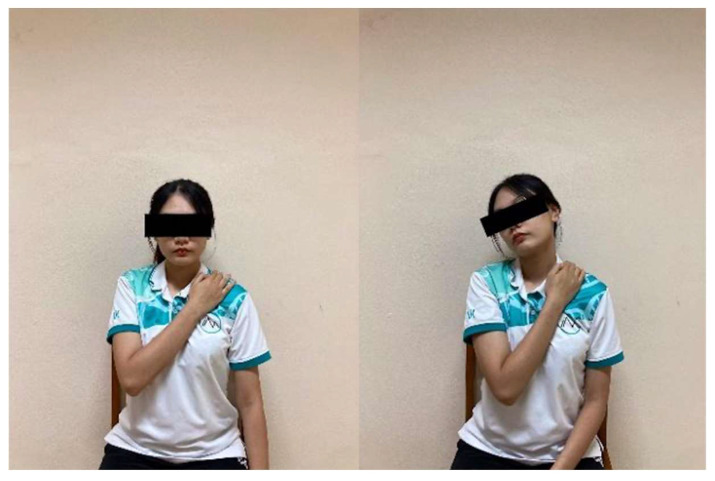 Figure 12
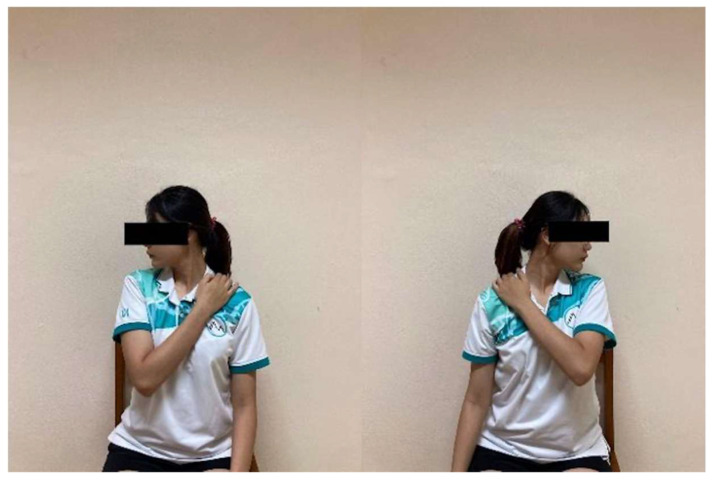 Figure 13
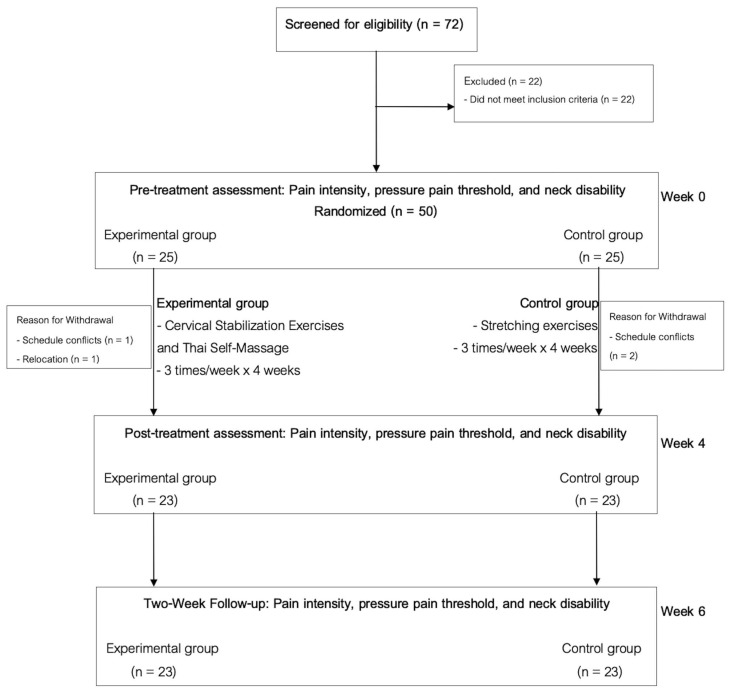 Figure 14
Peer Reviews
No public reviews on file for this paper yet. If you reviewed it on a platform where reviews are public (OpenReview, ICLR, NeurIPS, ICML), you can paste yours below so the community can read it here.
Videos
No videos yet. Explain this paper in a talk, walkthrough, or lecture? Add one.
Taxonomy
TopicsMusculoskeletal pain and rehabilitation · Myofascial pain diagnosis and treatment · Complementary and Alternative Medicine Studies