Transcatheter Arterial Embolization (TAE) of Uterine Artery with Gelatin Sponge for Cesarean Scar Pregnancy: A Current State of the Art Review
Roberto Minici, Francesco Tiralongo, Massimo Venturini, Federico Fontana, Filippo Piacentino, Melania Nicoletta, Andrea Coppola, Giuseppe Guzzardi, Francesco Giurazza, Fabio Corvino, Domenico Laganà

TL;DR
This review examines the use of gelatin sponge embolization for treating cesarean scar pregnancy, highlighting its high success rate and potential to preserve fertility.
Contribution
The paper provides a comprehensive review of gelatin sponge embolization techniques and outcomes for cesarean scar pregnancy.
Findings
Technical success rate of UAE with GS was ~99.8% across 50 studies.
Clinical success was ~94.8%, with high rates of hemostasis and fertility preservation.
Severe complications were rare (~2–4%), and menstrual recovery occurred within 1–2 months.
Abstract
Cesarean scar pregnancy (CSP) carries a high risk of severe hemorrhage and potential loss of fertility. This narrative review summarizes current evidence on uterine artery embolization (UAE) using absorbable gelatin sponge (GS), focusing on GS preparation, procedural approaches, and reported outcomes. PubMed/MEDLINE, Scopus, and Google Scholar were searched from January 2015 to 31 December 2024 for peer-reviewed studies reporting UAE with GS for CSP (GS alone or combined with intra-arterial methotrexate and/or adjunct particles). Fifty studies (N = 3139) were included. Technical success was 3133/3139 (~99.8%) and clinical success was 2975/3139 (~94.8%), with most cohorts reporting high clinical control. Severe complications were infrequently reported (typically ~2–4% in most series). Menstrual function, when assessed, generally recovered within ~1–2 months. Subsequent pregnancy outcomes…
Genes, proteins, chemicals, diseases, species, mutations and cell lines named across the full text — each resolved to its canonical identifier and authoritative record.
Click any figure to enlarge with its caption.
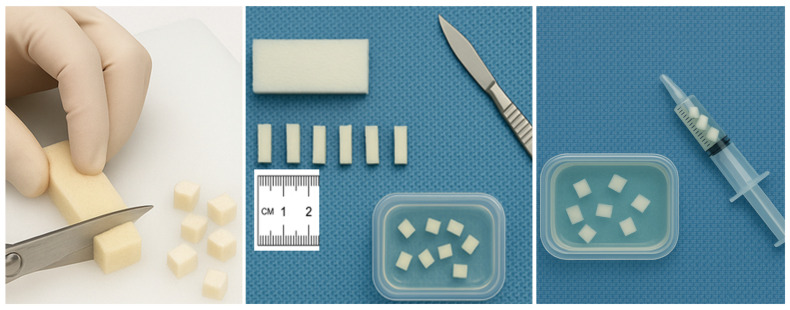 Figure 1
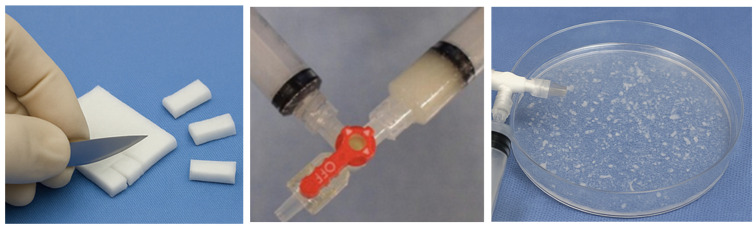 Figure 2
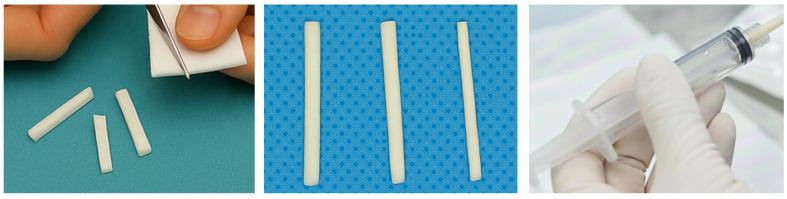 Figure 3
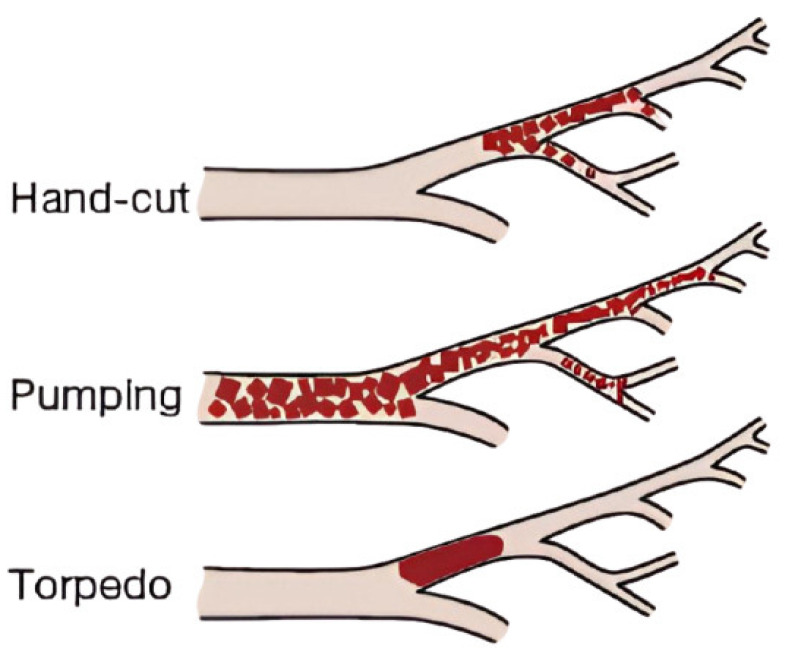 Figure 4
Peer Reviews
No public reviews on file for this paper yet. If you reviewed it on a platform where reviews are public (OpenReview, ICLR, NeurIPS, ICML), you can paste yours below so the community can read it here.
Videos
No videos yet. Explain this paper in a talk, walkthrough, or lecture? Add one.
Taxonomy
TopicsEctopic Pregnancy Diagnosis and Management · Maternal and fetal healthcare · Gestational Trophoblastic Disease Studies