Proteomic Profiling of an Exosome-Enriched Extracellular Vesicle Fraction and Structural Characterization of SMPDL3A in the Carcinogenic Liver Fluke Clonorchis sinensis
Seon-Hee Kim, Dongki Yang, Young-An Bae

TL;DR
This study explores exosomes from the liver fluke Clonorchis sinensis and identifies a protein, SMPDL3A, that may play a role in lipid metabolism and immune interactions during infection.
Contribution
The study provides structural and functional insights into Cs_SMPDL3A, a sphingomyelin phosphodiesterase in Clonorchis sinensis, suggesting its role in host–parasite lipid interactions.
Findings
Cs_SMPDL3A shares structural and catalytic features with mammalian sphingomyelin phosphodiesterases.
Cs_SMPDL3A may facilitate sphingomyelin metabolism on lipid bilayers via a transmembrane segment.
The protein could influence host immune responses or lipid availability during clonorchiasis.
Abstract
Exosomes are important mediators of host–parasite communication and contain diverse molecules that may support the survival of Clonorchis sinensis in the biliary tract. To explore their biochemical properties, exosomes isolated from excretory–secretory products of Korean C. sinensis isolates were characterized through integrated morphological, proteomic, and gene ontology analyses. The vesicles exhibited typical exosomal size ranges and marker profiles, and their protein components were enriched for cytoskeletal, metabolic, and vesicle-trafficking components relevant to epithelial signaling and immune modulation. Among these proteins, sphingomyelin phosphodiesterase acid-like 3A (SMPDL3A) was examined in detail to obtain molecular evidence suggesting its role in sphingolipid metabolism in the parasite. The C. sinensis SMPDL3A (Cs_SMPDL3A) shared the overall structure and core catalytic…
Genes, proteins, chemicals, diseases, species, mutations and cell lines named across the full text — each resolved to its canonical identifier and authoritative record.
Click any figure to enlarge with its caption.
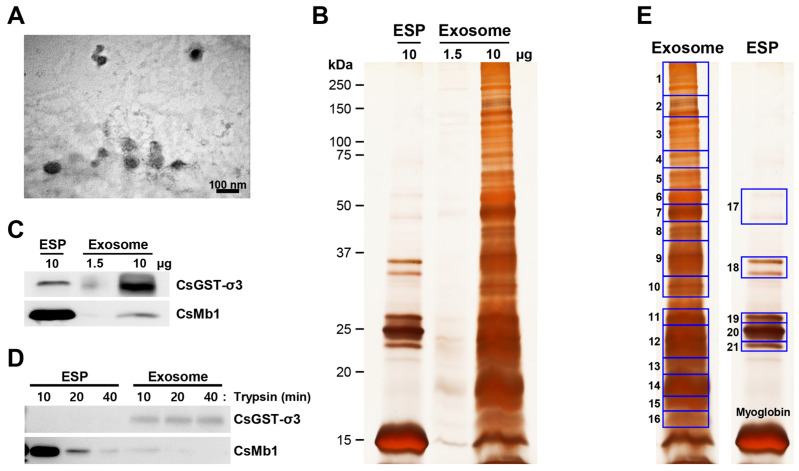 Figure 1
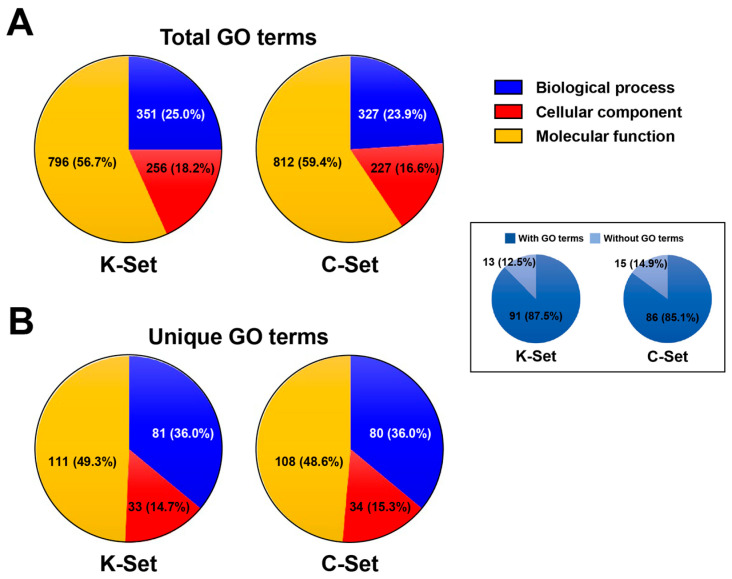 Figure 2
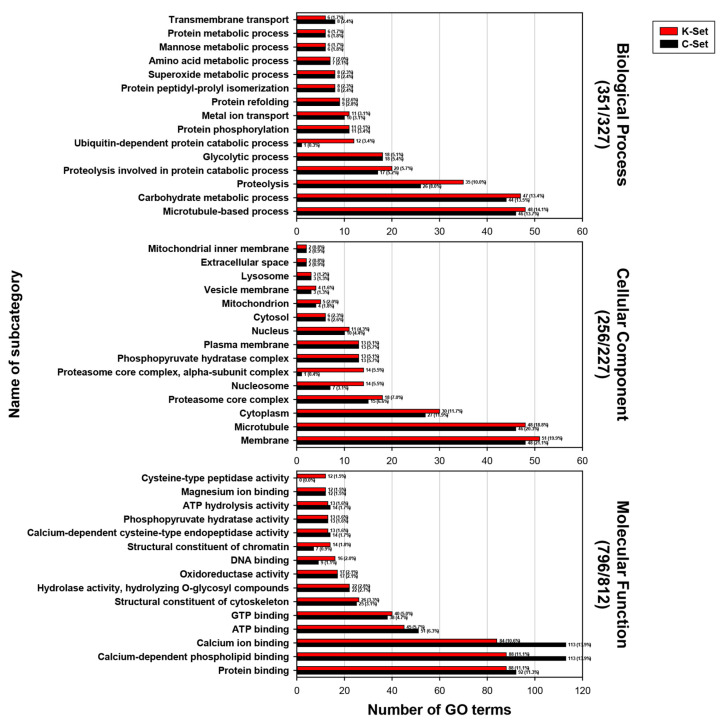 Figure 3
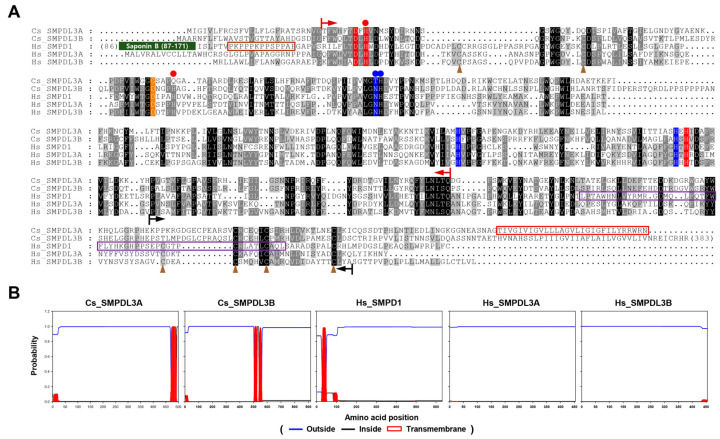 Figure 4
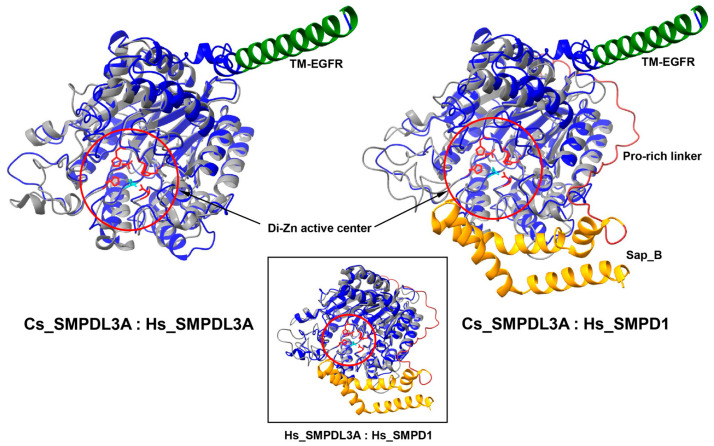 Figure 5
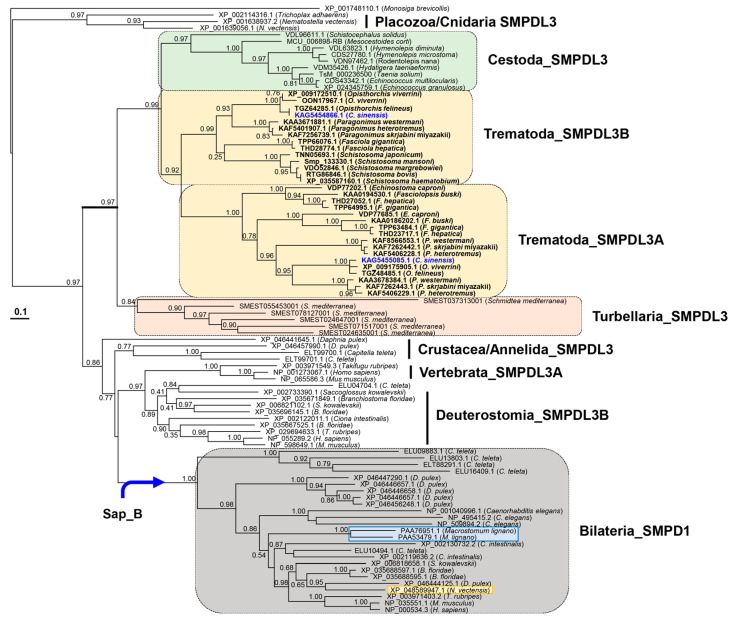 Figure 6
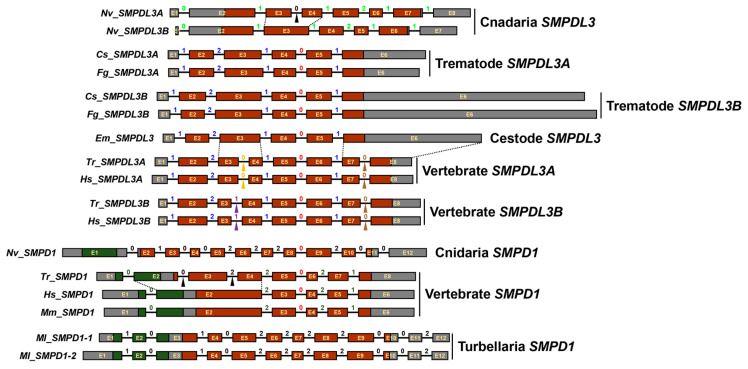 Figure 7
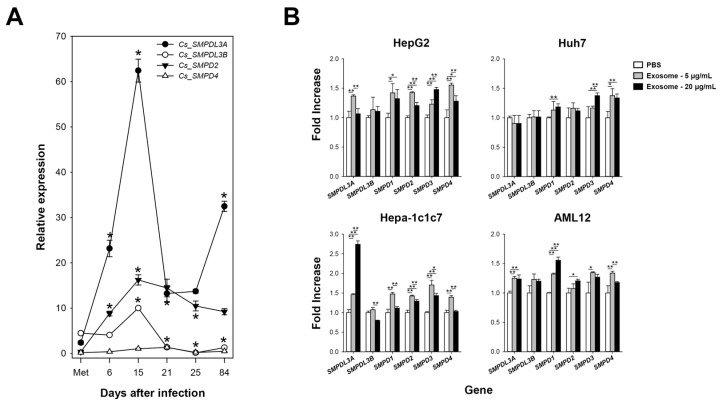 Figure 8
Peer Reviews
No public reviews on file for this paper yet. If you reviewed it on a platform where reviews are public (OpenReview, ICLR, NeurIPS, ICML), you can paste yours below so the community can read it here.
Videos
No videos yet. Explain this paper in a talk, walkthrough, or lecture? Add one.
Taxonomy
TopicsParasites and Host Interactions · Sphingolipid Metabolism and Signaling · Parasitic Diseases Research and Treatment