Integrative Machine Learning and Network Analysis of Skeletal Muscle Transcriptomes Identifies Candidate Pioglitazone-Responsive Biomarkers in Polycystic Ovary Syndrome
Ahmad Al Athamneh, Mahmoud E. Farfoura, Anas Khaleel, Tee Connie

TL;DR
This study uses machine learning and network analysis to find genes that may predict how PCOS patients respond to pioglitazone treatment.
Contribution
The study introduces an integrative approach combining machine learning and network analysis to identify novel biomarkers for pioglitazone response in PCOS.
Findings
1459 differentially expressed genes were identified, including immune and fibrotic signaling genes like IFNB1 and DNMT3A.
Machine learning models effectively distinguished PCOS from controls using a compact gene panel.
ITK, WT1, and BRD1-associated loci were highlighted as key regulatory hubs in the co-expression network.
Abstract
Background/Objectives: Polycystic ovary syndrome (PCOS) is a common endocrine–metabolic disorder in which skeletal muscle insulin resistance contributes substantially to cardiometabolic risk. Pioglitazone improves insulin sensitivity in women with PCOS, yet the underlying transcriptional changes and their potential as treatment-response biomarkers remain incompletely defined. We aimed to reanalyse skeletal muscle gene expression from pioglitazone-treated PCOS patients using modern machine learning and network approaches to identify candidate biomarkers and regulatory hubs that may support precision therapy. Methods: Public microarray data (GSE8157) from skeletal muscle of obese women with PCOS and healthy controls were reprocessed. Differentially expressed genes (DEGs) were identified and submitted to Ingenuity Pathway Analysis to infer canonical pathways, upstream regulators, and…
Genes, proteins, chemicals, diseases, species, mutations and cell lines named across the full text — each resolved to its canonical identifier and authoritative record.
Click any figure to enlarge with its caption.
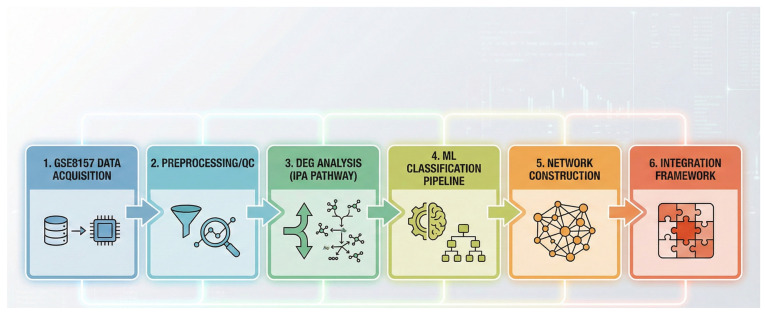 Figure 1
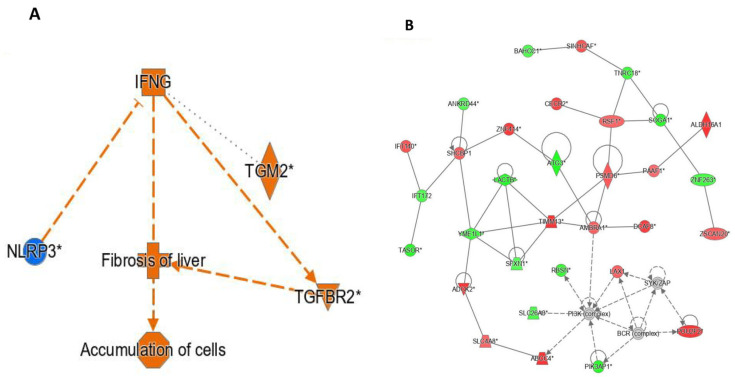 Figure 2
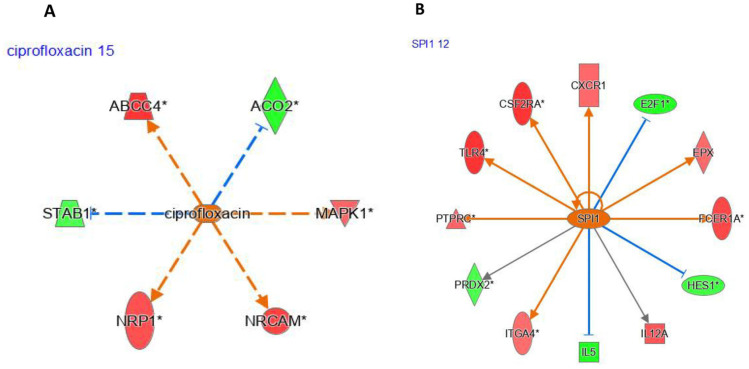 Figure 3
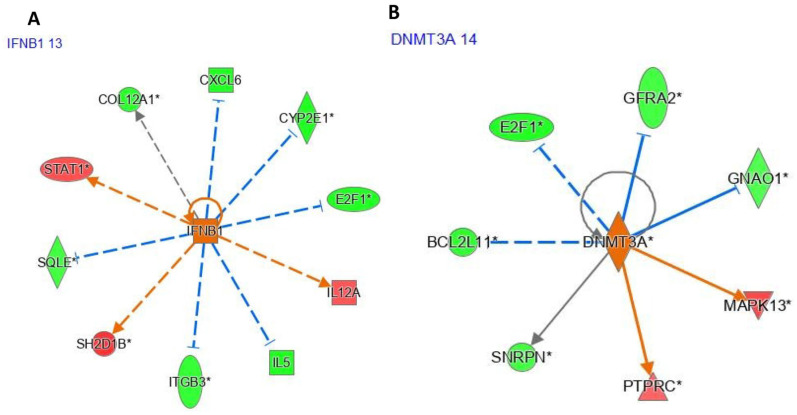 Figure 4
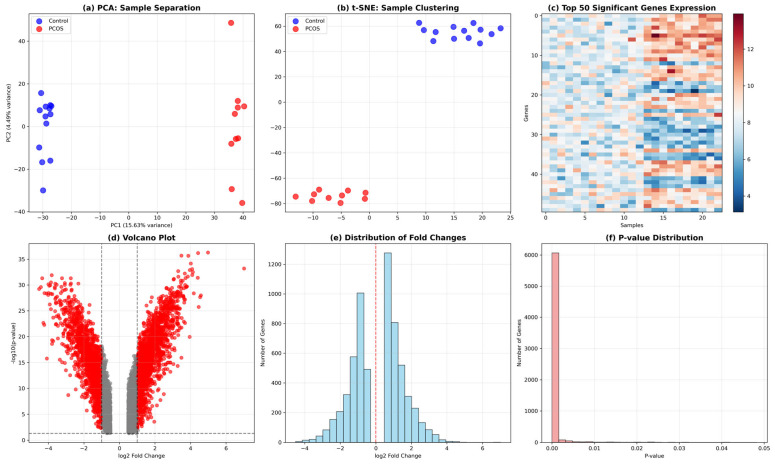 Figure 5
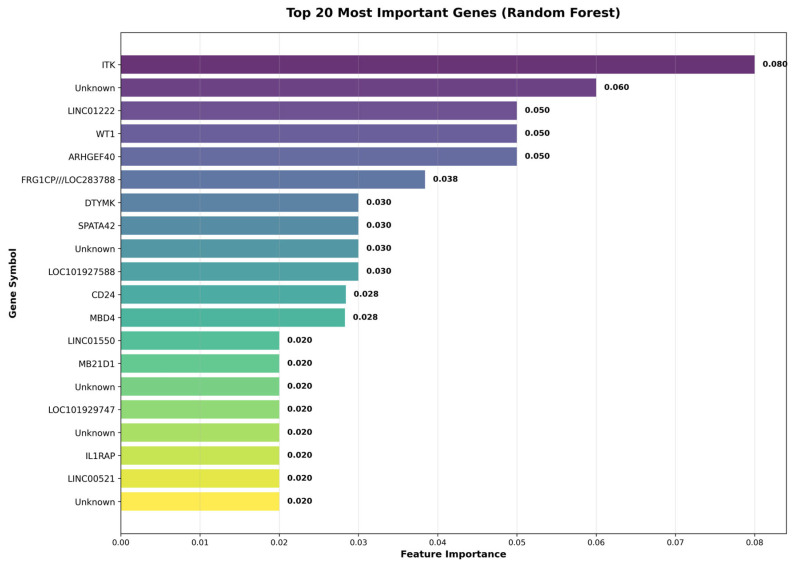 Figure 6
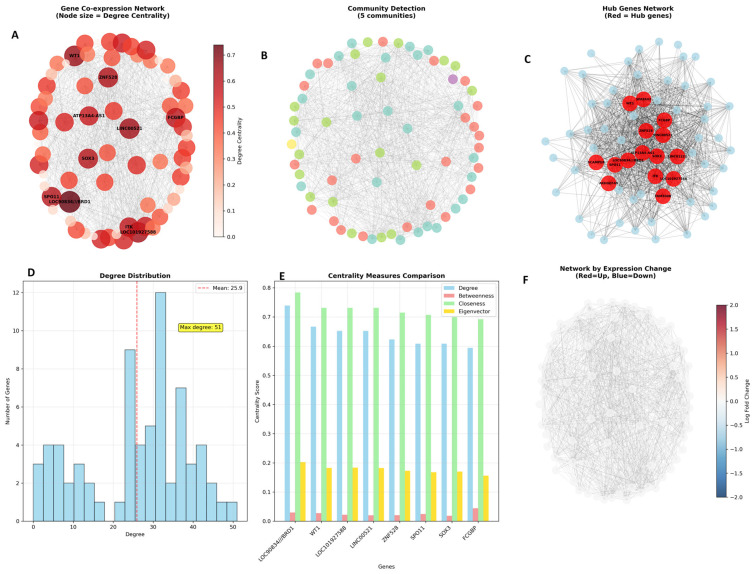 Figure 7
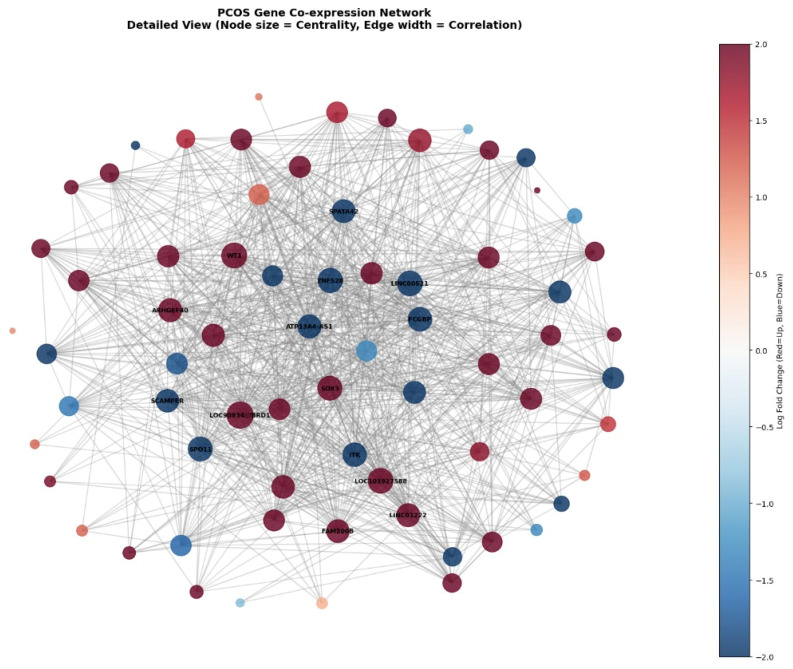 Figure 8
Peer Reviews
No public reviews on file for this paper yet. If you reviewed it on a platform where reviews are public (OpenReview, ICLR, NeurIPS, ICML), you can paste yours below so the community can read it here.
Videos
No videos yet. Explain this paper in a talk, walkthrough, or lecture? Add one.
Taxonomy
TopicsOvarian function and disorders · Bioinformatics and Genomic Networks · Sirtuins and Resveratrol in Medicine