FDA-Approved Passive Immunization Treatments Against Aβ in Alzheimer’s Disease: Where Are We Now?
Martin Higgins, Veronica Wasef, Andrea Kwakowsky

TL;DR
This paper reviews FDA-approved antibody treatments for Alzheimer's disease, focusing on how the APOE4 gene affects their safety and effectiveness.
Contribution
The paper provides an updated analysis of FDA-approved Aβ-targeting therapies and their differential outcomes based on APOE4 status.
Findings
APOE4 carriers experience higher rates of ARIA-E and ARIA-H compared to non-carriers.
FDA-approved therapies show marginal cognitive benefits in early and mild Alzheimer's disease.
Future approaches may include apoE4-targeted immunotherapies and improved drug delivery systems.
Abstract
Alzheimer’s disease (AD) is a progressive neurodegenerative disorder marked by decreased amyloid-beta (Aβ) clearance, enhanced Aβ aggregation, an increased risk of amyloid-related imaging abnormalities (ARIA), and blood–brain barrier (BBB) dysfunction. The APOE4 allele, being the leading genetic risk factor for AD, contributes strongly to these symptoms. This review covers the relationship between APOE4 status and the efficacy of FDA-approved monoclonal antibody (mAb) therapies, namely aducanumab, lecanemab, and donanemab. Across several clinical trials, APOE4 carriers exhibited higher rates of ARIA-E and ARIA-H compared to non-carriers. While the therapies did often meet biomarker endpoints (i.e., reduced amyloid), benefits were only observed in early and mild AD, and cognitive benefits were often marginal. Going forward, experimental apoE4-targeted immunotherapies may ease the burden…
Genes, proteins, chemicals, diseases, species, mutations and cell lines named across the full text — each resolved to its canonical identifier and authoritative record.
Click any figure to enlarge with its caption.
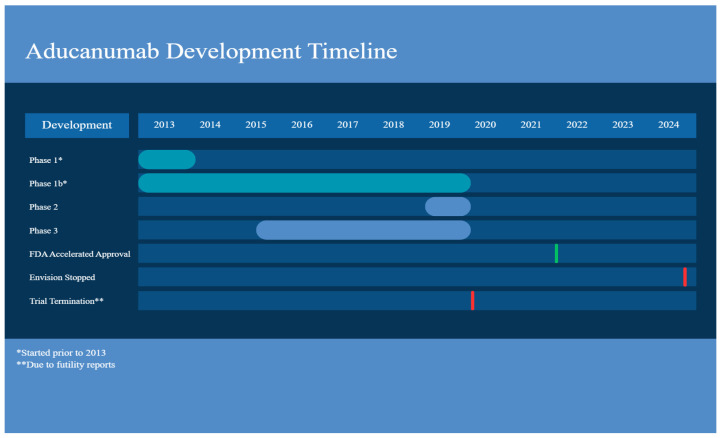 Figure 1
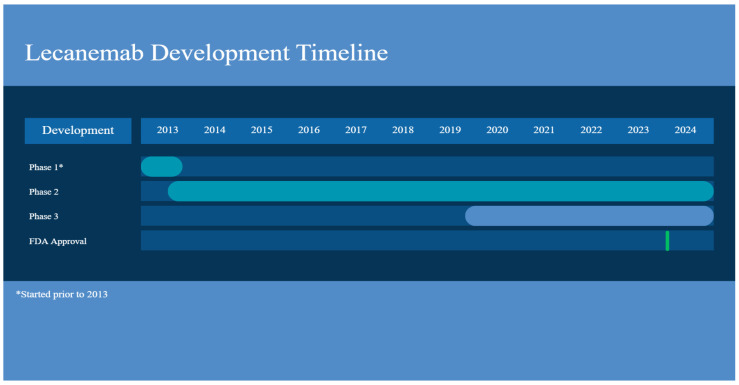 Figure 2
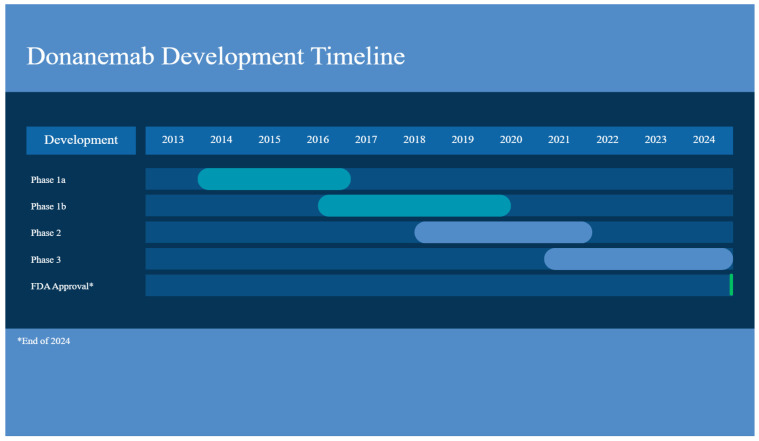 Figure 3
Peer Reviews
No public reviews on file for this paper yet. If you reviewed it on a platform where reviews are public (OpenReview, ICLR, NeurIPS, ICML), you can paste yours below so the community can read it here.
Videos
No videos yet. Explain this paper in a talk, walkthrough, or lecture? Add one.
Taxonomy
TopicsAlzheimer's disease research and treatments · Dementia and Cognitive Impairment Research · Multiple Sclerosis Research Studies