RNAi Identified the Potential Functions of Actin-like Protein in the Growth Performance of Macrobrachium nipponense
Shubo Jin, Jinyu Lin, Hongtuo Fu, Yiwei Xiong, Hui Qiao, Wenyi Zhang, Sufei Jiang

TL;DR
This study identifies an actin-like protein that regulates growth in a freshwater prawn species, offering insights for breeding faster-growing varieties.
Contribution
The study functionally characterizes an actin-like protein's role in growth and identifies growth-associated SNPs in Macrobrachium nipponense.
Findings
Knockdown of Mn-ACTL expression inhibits growth performance in Macrobrachium nipponense.
Mn-ACTL is highly expressed in muscle tissue and is evolutionarily related to orthologs in other prawn species.
Two SNPs (T and G alleles) are significantly associated with growth traits in M. nipponense.
Abstract
Macrobrachium nipponense is an important commercial freshwater prawn species in China. Since larger individuals command higher market value, there is a pressing need to identify growth-related genes and single-nucleotide polymorphisms (SNPs) to facilitate genetic improvement in this species. Previous studies have suggested a potentially regulatory role of an actin-like protein (ACTL) in the growth of M. nipponense. Therefore, the present study aimed to functionally characterize the role of ACTL in growth and identify growth-associated SNPs within this gene. The open reading frame of Mn-ACTL is 1131 bp, encoding a protein with 377 amino acids. Blastx and phylogenetic analyses indicated that Mn-ACTL shares a close evolutionary relationship with orthologs from Macrobrachium rosenbergii and Palaemon carinicauda. The highest expression level of Mn-ACTL in muscle tissue detected by qPCR…
Genes, proteins, chemicals, diseases, species, mutations and cell lines named across the full text — each resolved to its canonical identifier and authoritative record.
Click any figure to enlarge with its caption.
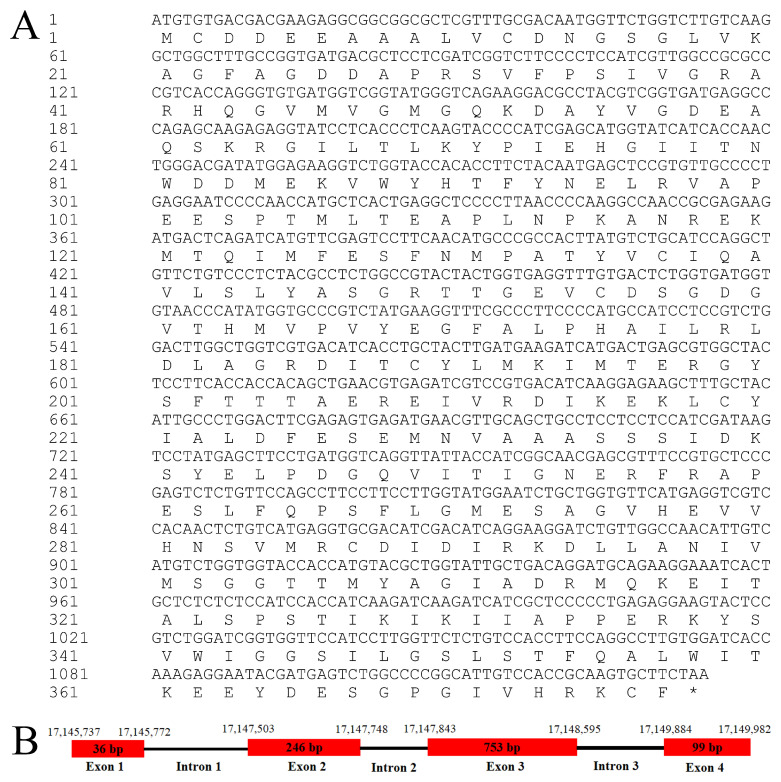 Figure 1
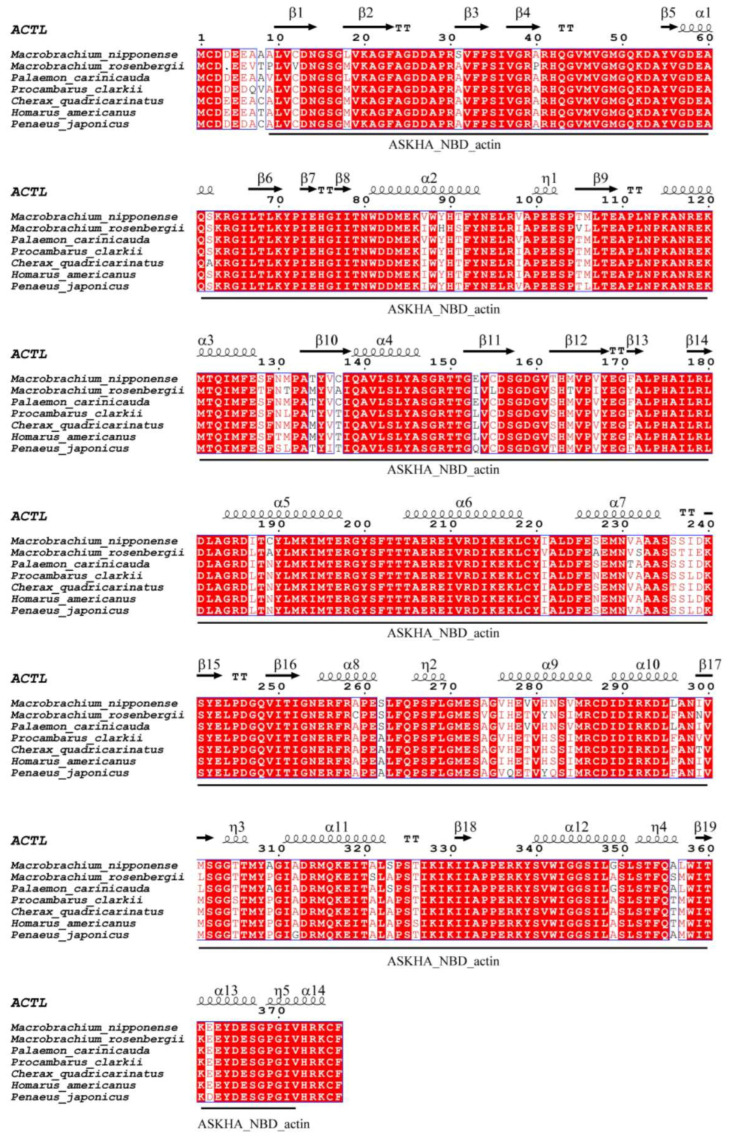 Figure 2
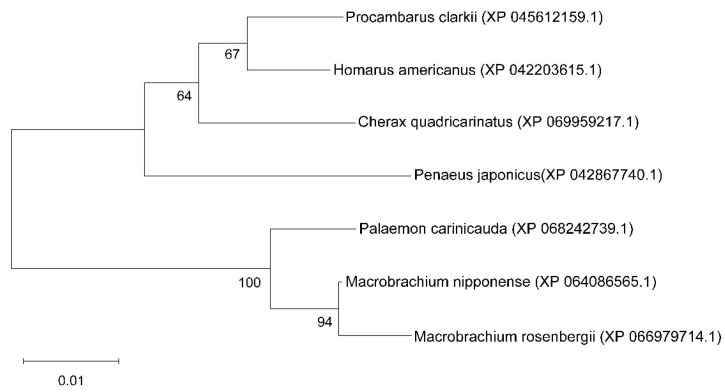 Figure 3
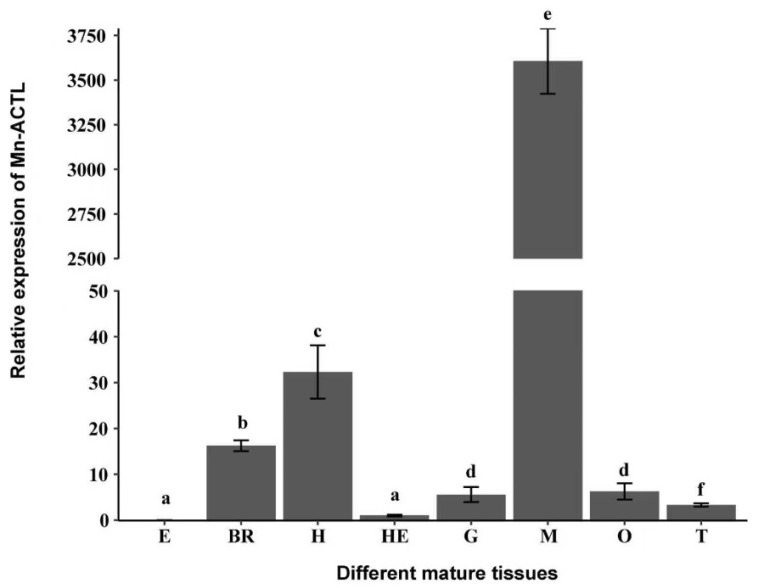 Figure 4
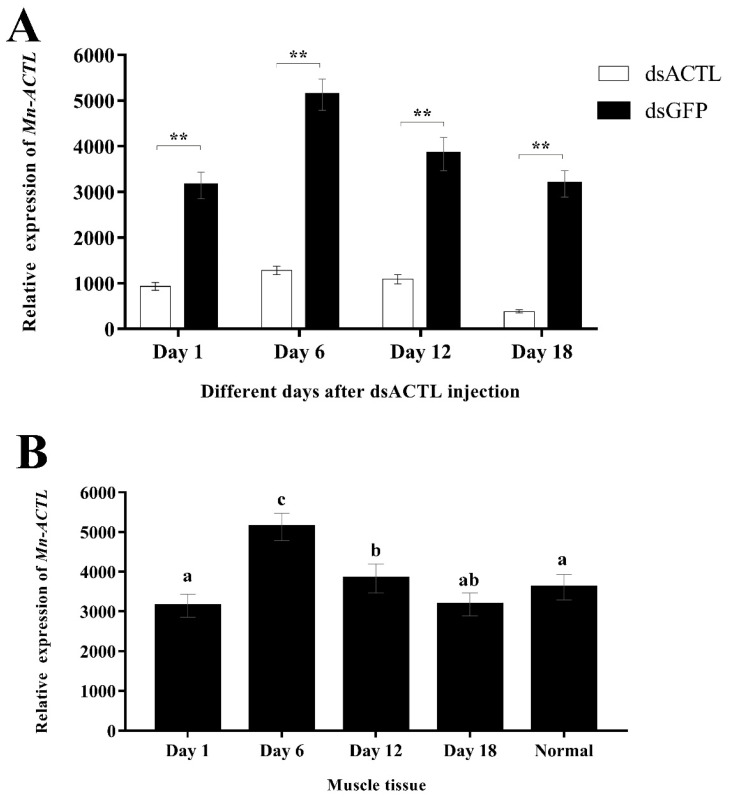 Figure 5
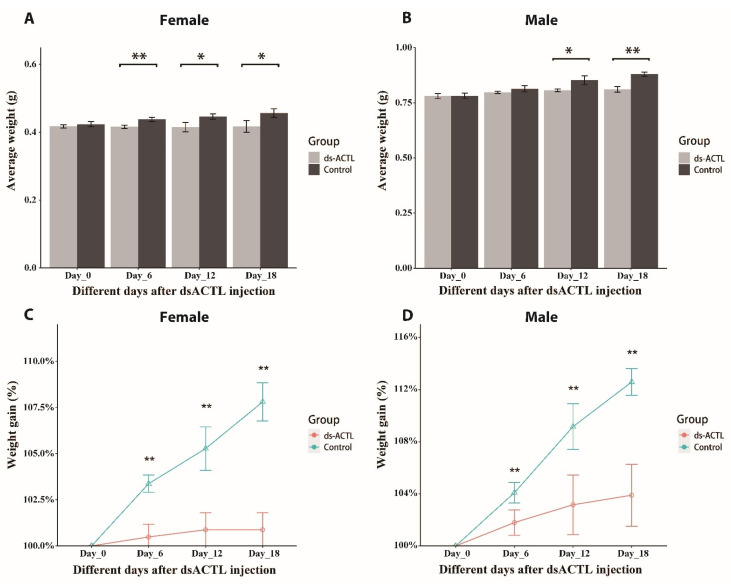 Figure 6
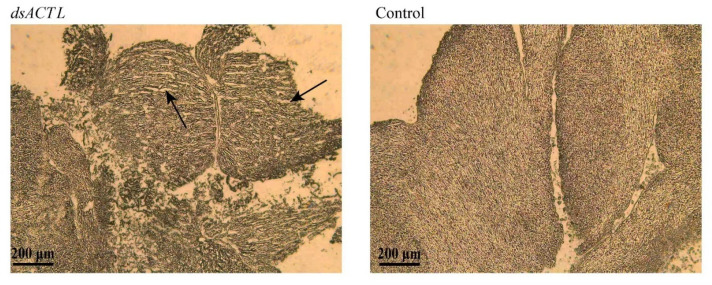 Figure 7
Peer Reviews
No public reviews on file for this paper yet. If you reviewed it on a platform where reviews are public (OpenReview, ICLR, NeurIPS, ICML), you can paste yours below so the community can read it here.
Videos
No videos yet. Explain this paper in a talk, walkthrough, or lecture? Add one.
Taxonomy
TopicsCellular Mechanics and Interactions · Cardiomyopathy and Myosin Studies · Developmental Biology and Gene Regulation