Nanosilica Gel-Stabilized Phase-Change Materials Based on Epoxy Resin and Wood’s Metal
Svetlana O. Ilyina, Irina Y. Gorbunova, Vyacheslav V. Shutov, Michael L. Kerber, Sergey O. Ilyin

TL;DR
This paper presents a new method to create stable phase-change materials using epoxy resin and Wood’s metal, overcoming challenges like coalescence and cracking.
Contribution
A novel stabilization mechanism using nanosilica gel to immobilize Wood’s metal droplets in epoxy resin is introduced.
Findings
Epoxy phase-change materials with up to 80 wt% Wood’s metal were produced, with fine droplet dispersion (2–5 µm).
The materials achieved a thermal energy storage efficiency of 120.8 J/cm³ and a Young’s modulus of up to 825 MPa.
The method prevents delamination and cracking through gelation and low-temperature curing.
Abstract
The emulsification of a molten fusible metal alloy in a liquid epoxy matrix with its subsequent curing is a novel way to create a highly concentrated phase-change material. However, numerous challenges have arisen. The high interfacial tension between the molten metal and epoxy resin and the difference in their viscosities hinder the stretching and breaking of metal droplets during stirring. Further, the high density of metal droplets and lack of suitable surfactants lead to their rapid coalescence and sedimentation in the non-cross-linked resin. Finally, the high differences in the thermal expansion coefficients of the metal alloy and cross-linked epoxy polymer may cause cracking of the resulting phase-change material. This work overcomes the above problems by using nanosilica-induced physical gelation to thicken the epoxy medium containing Wood’s metal, stabilize their interfacial…
Genes, proteins, chemicals, diseases, species, mutations and cell lines named across the full text — each resolved to its canonical identifier and authoritative record.
Click any figure to enlarge with its caption.
 Figure 1
 Figure 2
 Figure 3
 Figure 4
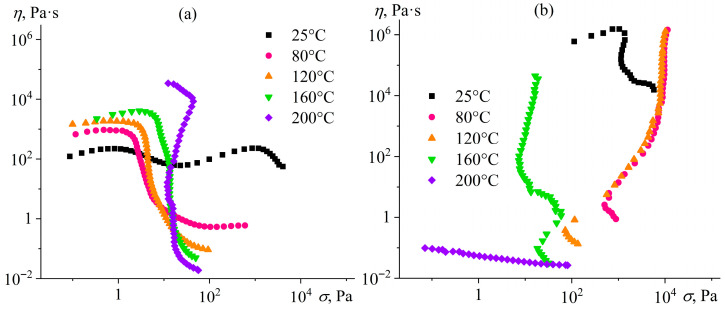 Figure 5
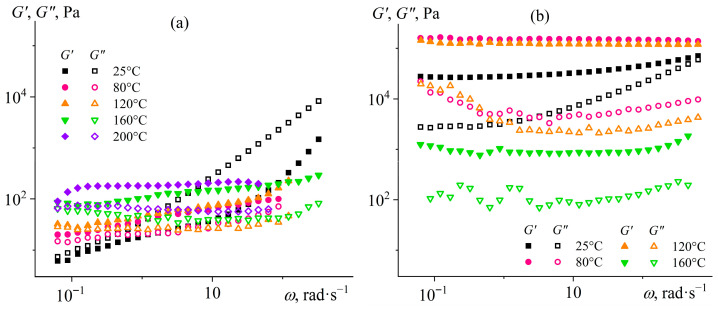 Figure 6
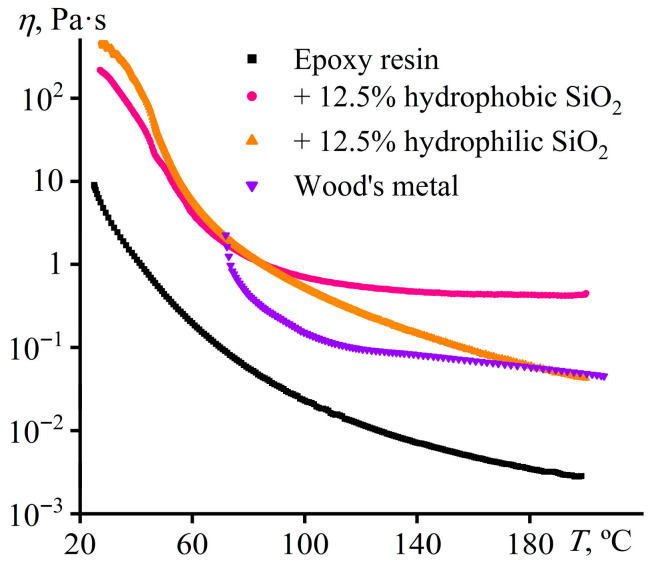 Figure 7
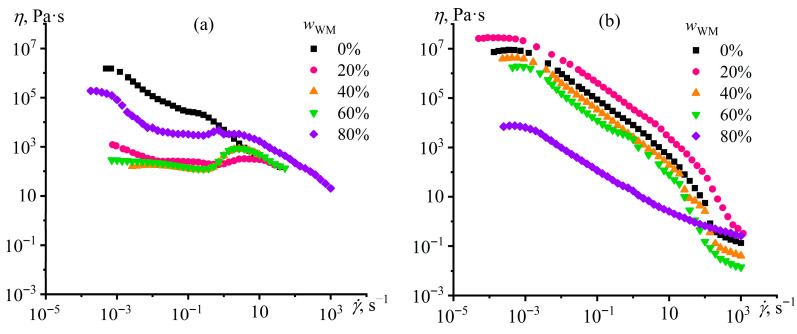 Figure 8
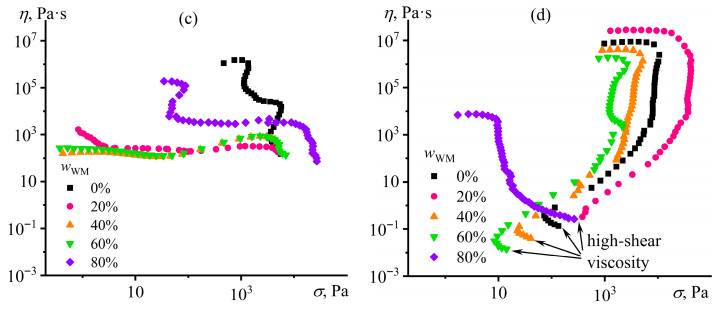 Figure 9
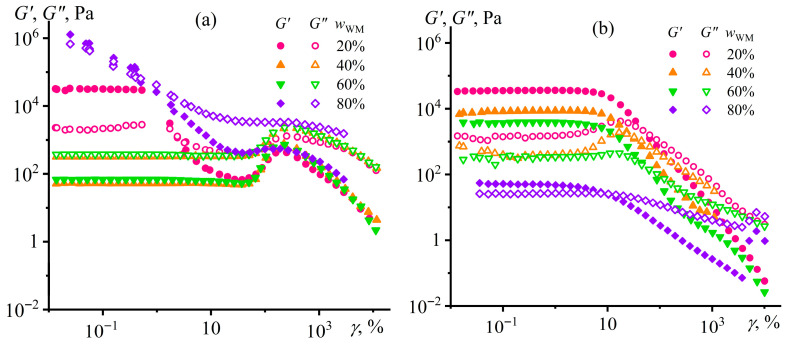 Figure 10
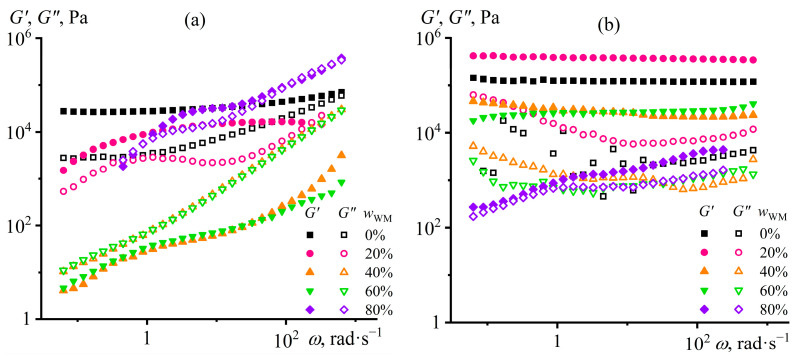 Figure 11
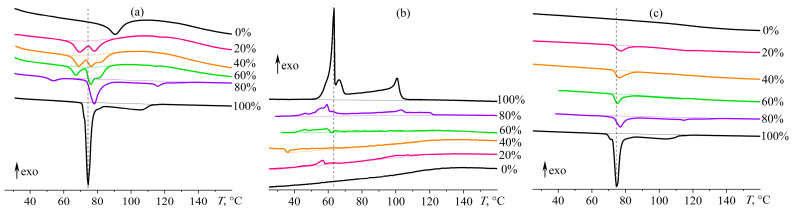 Figure 12
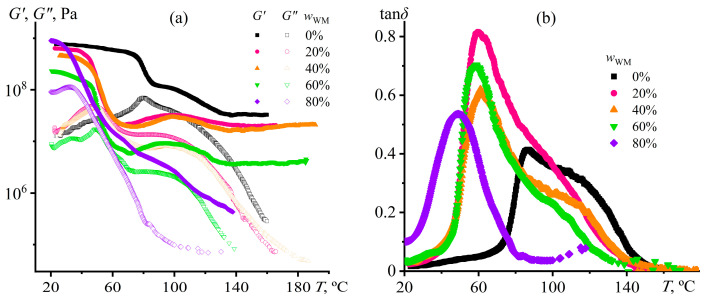 Figure 13
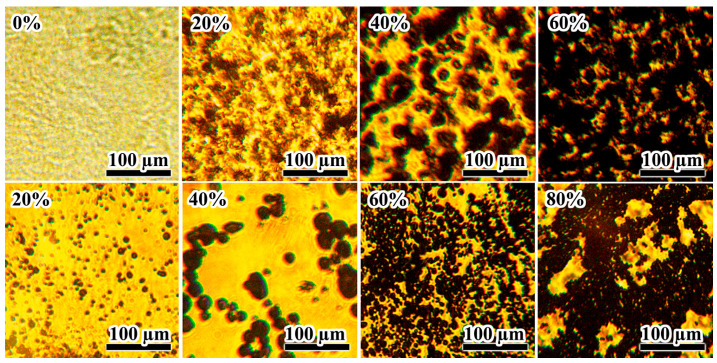 Figure 14
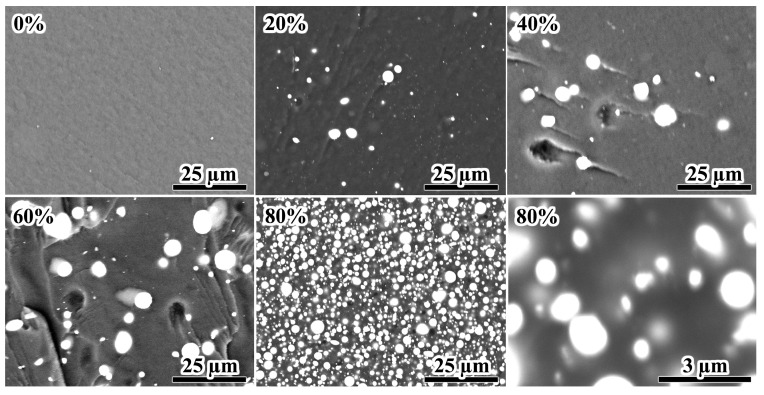 Figure 15
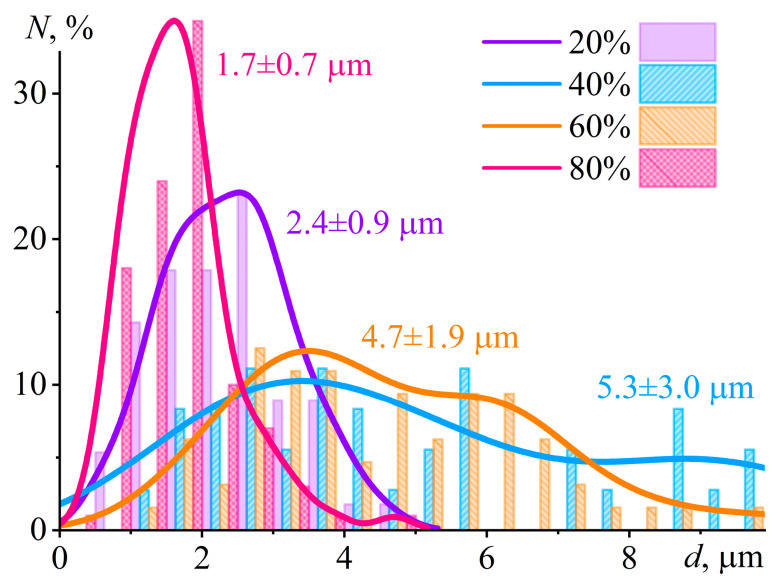 Figure 16
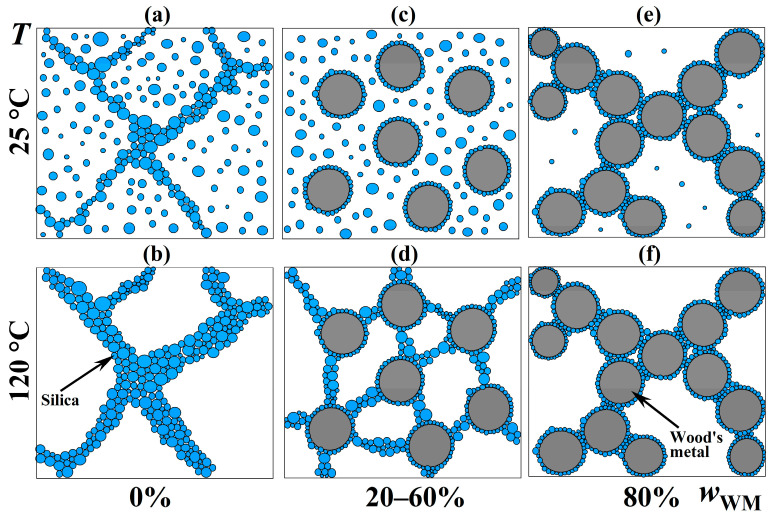 Figure 17
Peer Reviews
No public reviews on file for this paper yet. If you reviewed it on a platform where reviews are public (OpenReview, ICLR, NeurIPS, ICML), you can paste yours below so the community can read it here.
Videos
No videos yet. Explain this paper in a talk, walkthrough, or lecture? Add one.
Taxonomy
TopicsPhase Change Materials Research · Polymer composites and self-healing · Epoxy Resin Curing Processes