ACmix-Swin Deep Learning of 4-Day-Old Apis mellifera Larval Transcriptomes Reveals Early Caste-Biased Regulatory Hubs
Peixun Gong, Jinyou Li, Weixue Tian, Xiang Ding, Runlang Su, Dan Yue

TL;DR
This study uses deep learning to identify early genetic differences in honeybee larvae that influence caste and sex development.
Contribution
A novel deep learning model, ACmix-Swin, is introduced for identifying caste-biased regulatory genes in honeybee larvae.
Findings
Caste- and sex-specific divergence was observed in cuticle formation, hormone metabolism, and reproductive signaling.
ACmix-Swin outperformed baseline models in classifying larvae and identifying key regulators like Vg and LOC725841.
qPCR validation confirmed the RNA-seq results, supporting the model's accuracy.
Abstract
Background/Objectives: Early larval development is critical for caste and sex differentiation in honeybees. This study investigates molecular divergence in 4-day-old Apis mellifera larvae and introduces a customized deep learning model for hub-gene discovery. Methods: Genome-guided RNA-seq, DEGs, WGCNA, and splicing analyses were integrated. A hybrid convolution–attention model, ACmix-Swin, combined with WGAN-GP augmentation, was developed to classify larvae and prioritize caste-biased genes. Selected genes were validated by qPCR. Results: Significant caste- and sex-specific divergence was detected in cuticle formation, hormone metabolism, and reproductive signaling. ACmix-Swin achieved the highest accuracy among baseline models and consistently identified key regulators, including Vg, LOC725841, LOC412768, and LOC100576841. qPCR confirmed RNA-seq trends. Conclusions: Caste- and…
Genes, proteins, chemicals, diseases, species, mutations and cell lines named across the full text — each resolved to its canonical identifier and authoritative record.
Click any figure to enlarge with its caption.
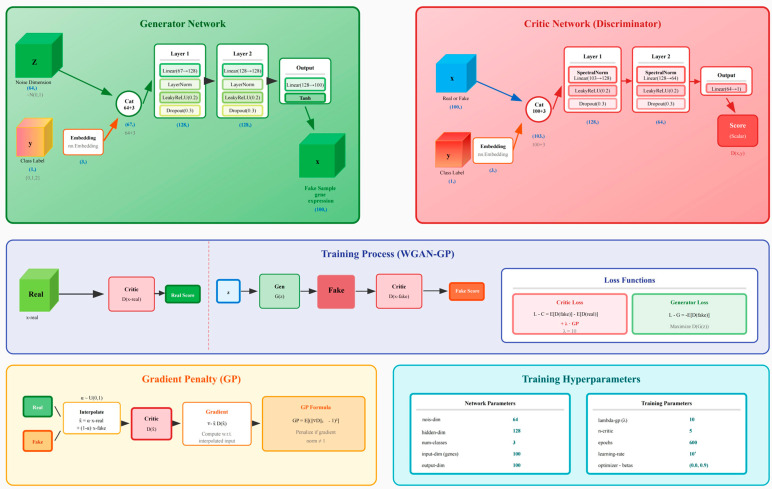 Figure 1
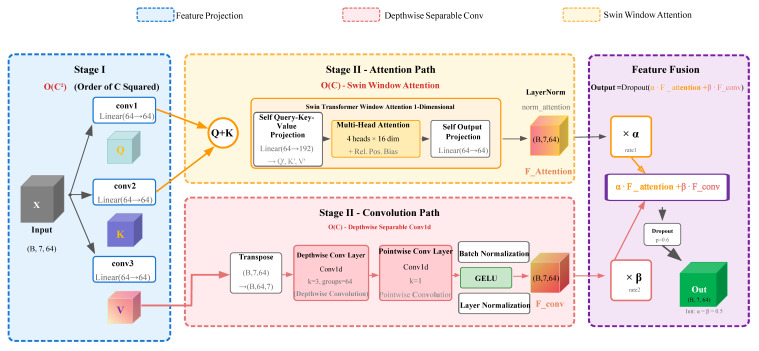 Figure 2
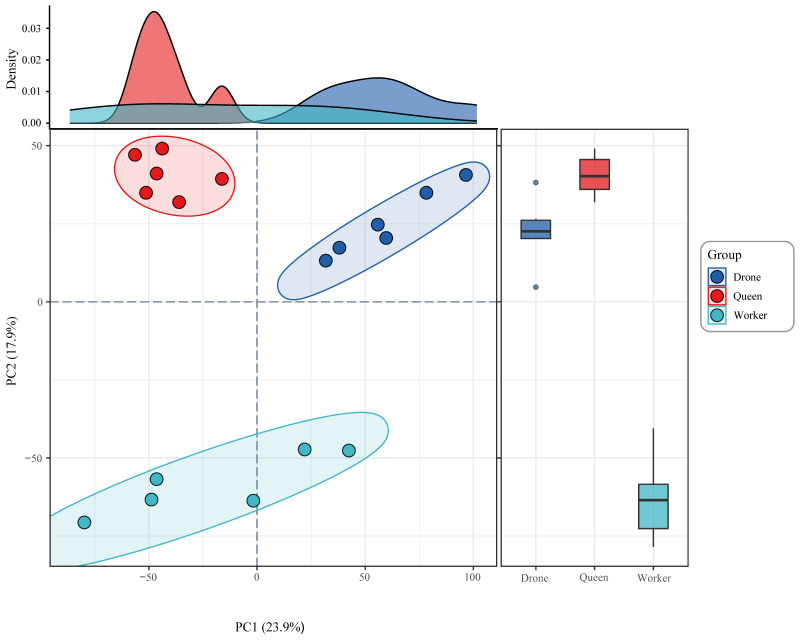 Figure 3
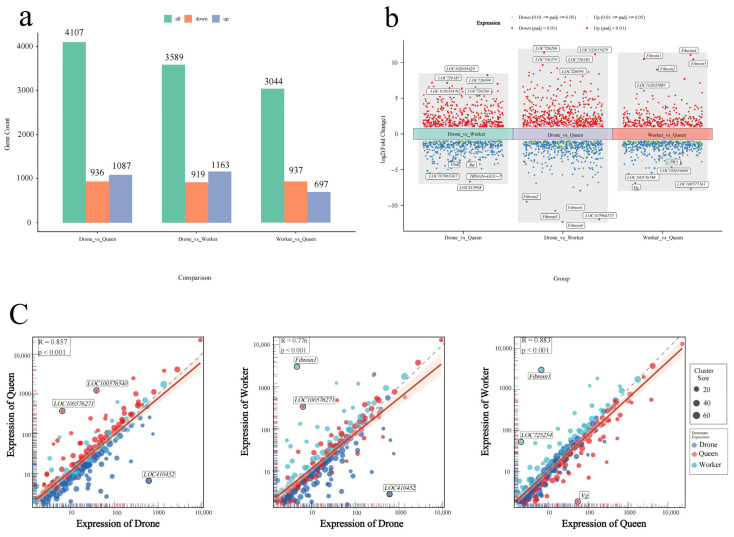 Figure 4
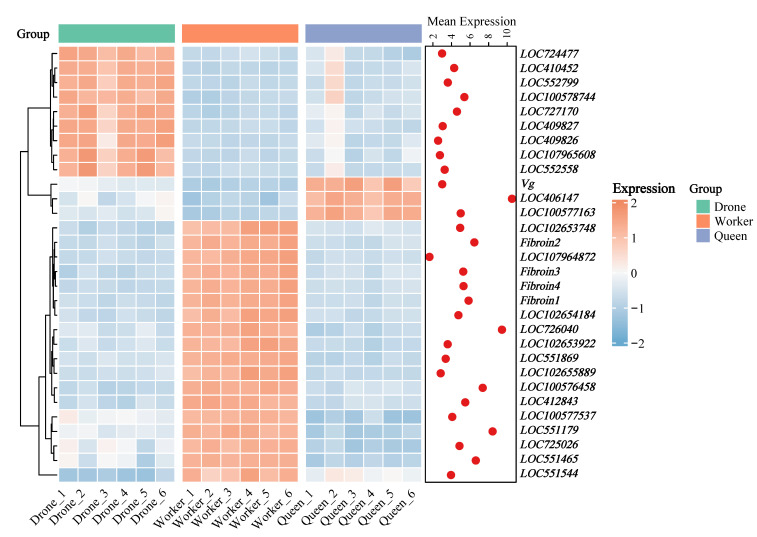 Figure 5
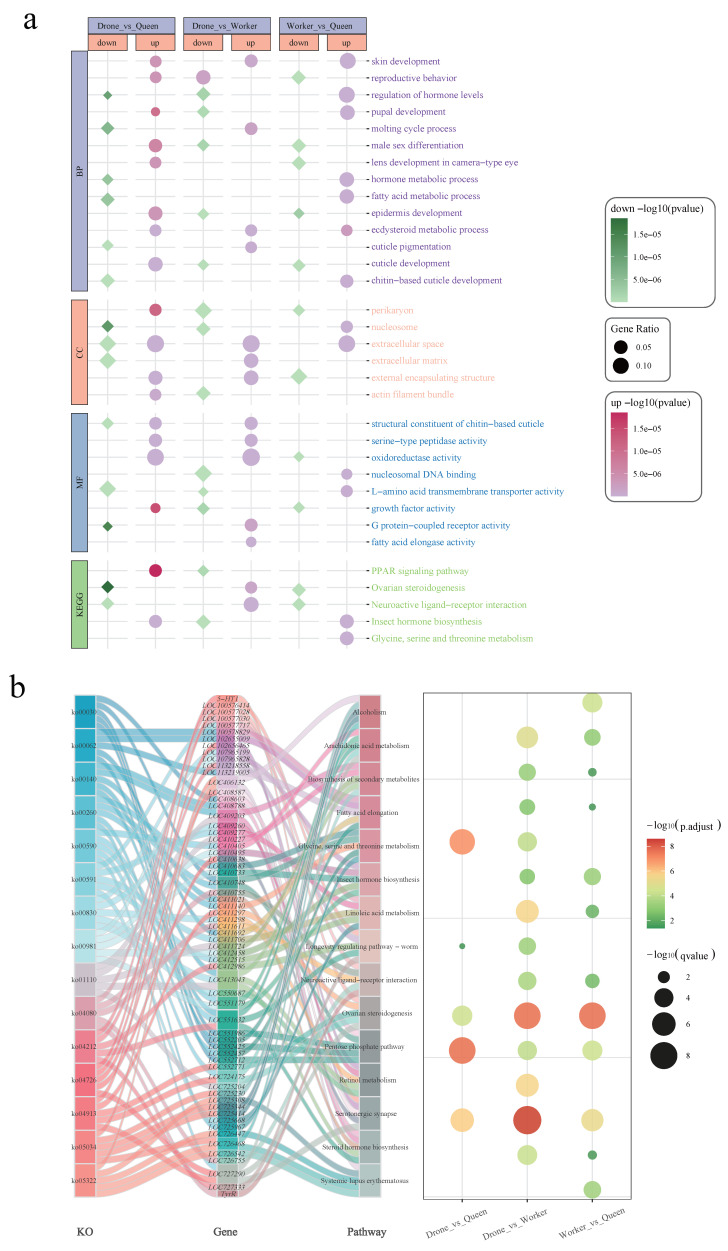 Figure 6
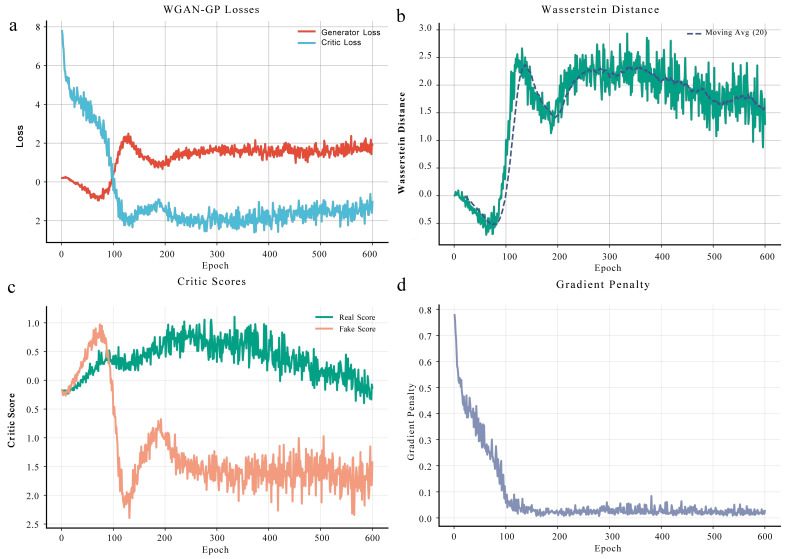 Figure 7
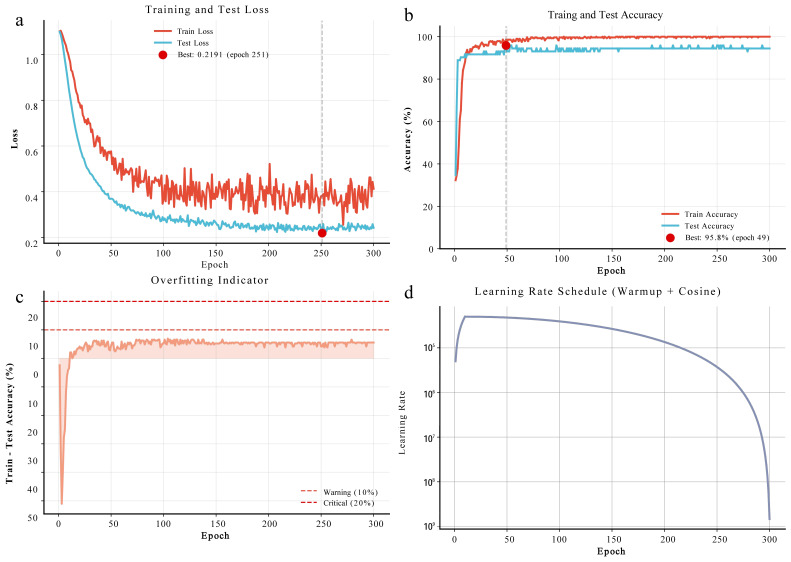 Figure 8
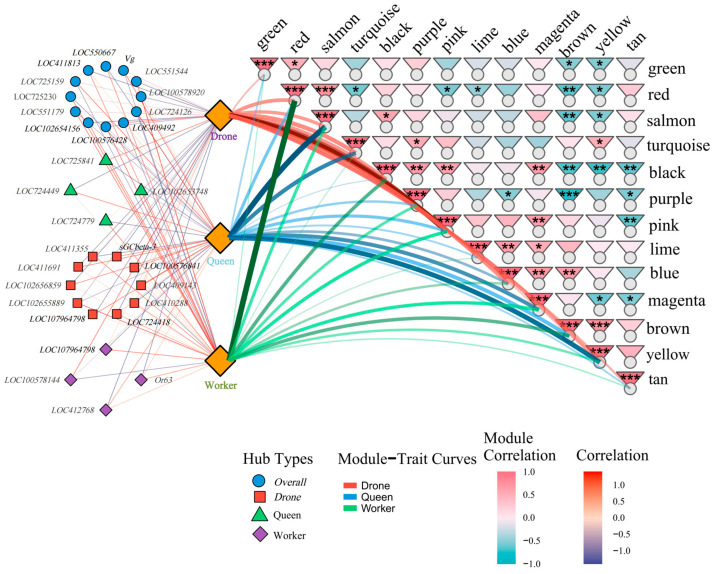 Figure 9
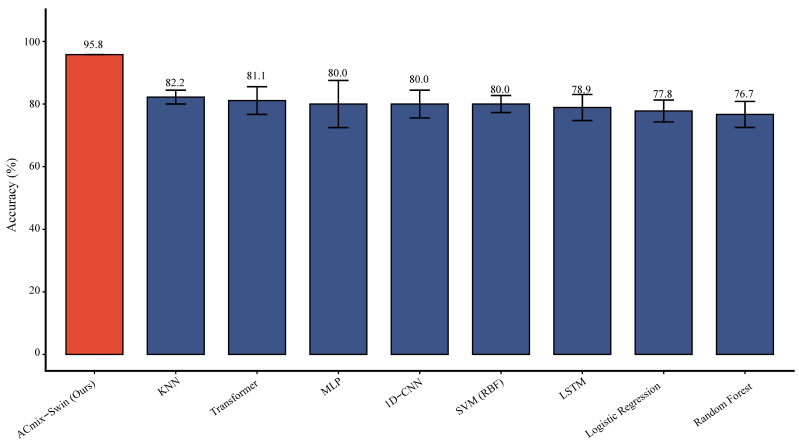 Figure 10
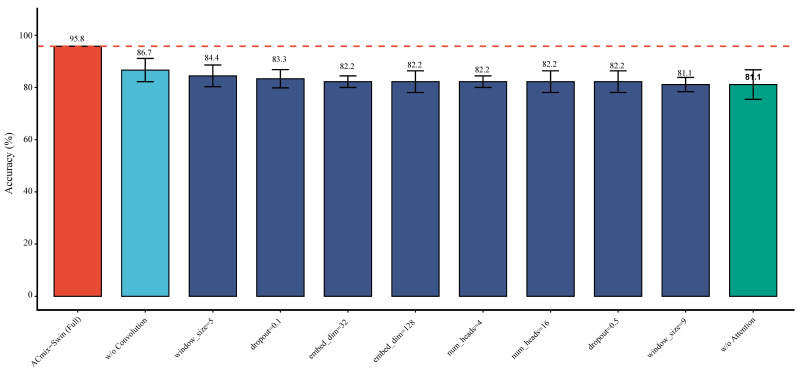 Figure 11
Peer Reviews
No public reviews on file for this paper yet. If you reviewed it on a platform where reviews are public (OpenReview, ICLR, NeurIPS, ICML), you can paste yours below so the community can read it here.
Videos
No videos yet. Explain this paper in a talk, walkthrough, or lecture? Add one.
Taxonomy
TopicsInsect and Arachnid Ecology and Behavior · Insect and Pesticide Research · Neurobiology and Insect Physiology Research