Hereditary Ataxias: From Pathogenesis and Clinical Features to Neuroimaging, Fluid, and Digital Biomarkers—A Scoping Review
Eugenio Bernardi, Óscar López-Lombardía, Gonzalo Olmedo-Saura, Javier Pagonabarraga, Jaime Kulisevsky, Jesús Pérez-Pérez

TL;DR
This review maps biomarkers for hereditary ataxias, highlighting subtype-specific signatures and the need for standardized validation to improve diagnosis and therapies.
Contribution
The study provides a comprehensive scoping review of biomarkers across multiple hereditary ataxia subtypes, emphasizing multimodal frameworks and gaps in current evidence.
Findings
MRI volumetry, DTI, and FDG-PET reveal subtype-specific neurodegeneration patterns in hereditary ataxias.
Fluid biomarkers like neurofilament light chain and frataxin are informative across multiple ataxia subtypes.
Wearable technologies and electrophysiological measures offer scalable tools for early detection and longitudinal monitoring.
Abstract
Hereditary ataxias are a heterogeneous group of disorders with overlapping clinical presentations but diverse genetic and molecular etiologies. Biomarkers are increasingly essential to improve diagnosis, refine prognosis, and accelerate the development of targeted therapies. Following PRISMA-ScR guidelines, we conducted a scoping review of PubMed and complementary sources (2010–2025) to map and describe the current landscape of genetic, imaging, fluid, electrophysiological, and digital biomarkers across the most prevalent hereditary ataxias, including SCA1, SCA2, SCA3, SCA6, SCA7, SCA17, SCA27B, dentatorubral–pallidoluysian atrophy (DRPLA), Friedreich’s ataxia (FRDA), RFC1-related ataxia (CANVAS), SPG7, and fragile X-associated tremor/ataxia syndrome (FXTAS). Eligible evidence encompassed observational cohorts, clinical trials, case series, and case reports providing primary biomarker…
Genes, proteins, chemicals, diseases, species, mutations and cell lines named across the full text — each resolved to its canonical identifier and authoritative record.
Click any figure to enlarge with its caption.
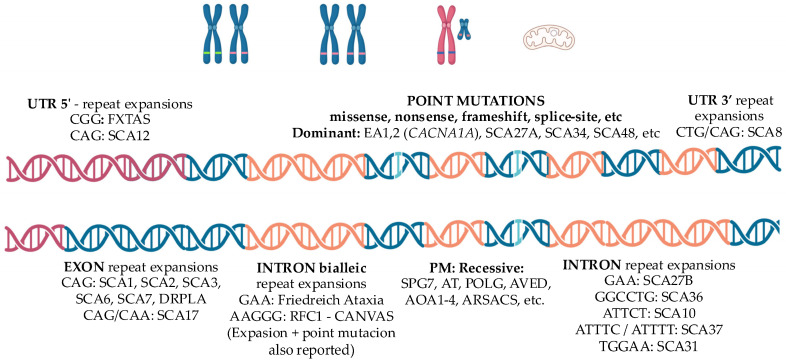 Figure 1
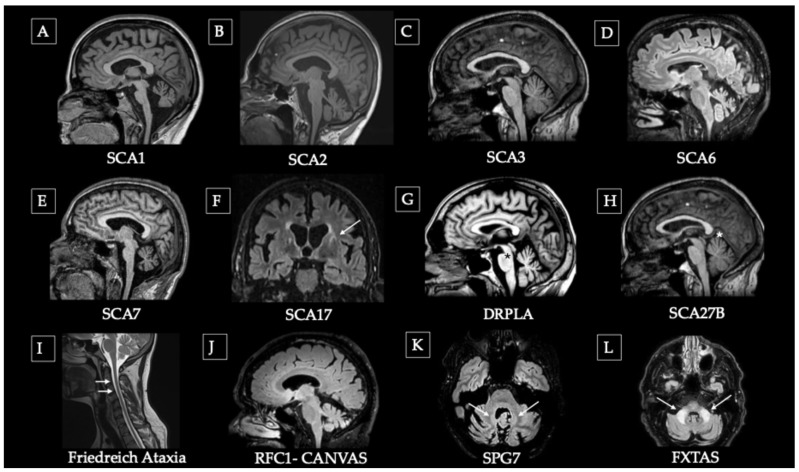 Figure 2
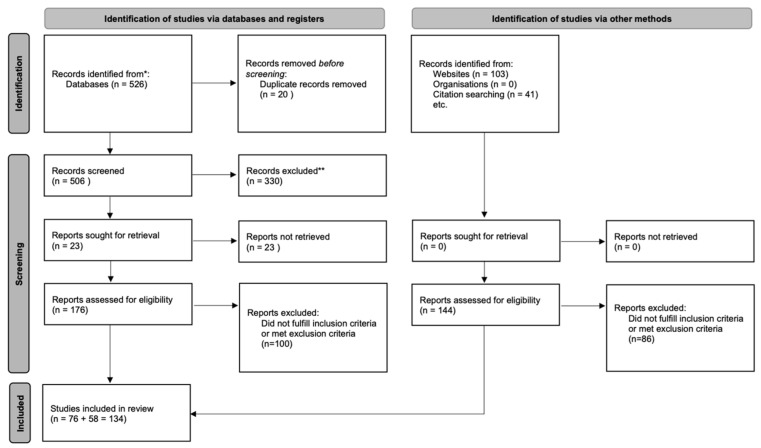 Figure 3
Peer Reviews
No public reviews on file for this paper yet. If you reviewed it on a platform where reviews are public (OpenReview, ICLR, NeurIPS, ICML), you can paste yours below so the community can read it here.
Videos
No videos yet. Explain this paper in a talk, walkthrough, or lecture? Add one.
Taxonomy
TopicsGenetic Neurodegenerative Diseases · Hereditary Neurological Disorders · Neurological disorders and treatments