Application of SNV Detection Methods for Market Control of Food Products from New Genomic Techniques
Klaudia Urszula Bernacka, Krzysztof Michalski, Marek Wojciechowski, Sławomir Sowa

TL;DR
This paper discusses the need for better SNV detection methods to monitor genetically modified food products in the EU.
Contribution
The paper highlights the limitations of current GMO detection methods in the context of new genomic techniques.
Findings
Traditional GMO detection methods may not be sufficient for NGT-derived products.
There is a need for robust SNV detection methods for food and feed safety.
New regulatory categories of NGT plants require updated surveillance approaches.
Abstract
The detection of single-nucleotide variants (SNVs) is an important challenge in modern genomics, with broad applications in medicine, diagnostics, and agricultural biotechnology. Current detection approaches include PCR-based techniques with high-affinity probes, ligase-based strategies, and sequencing approaches, each with varying degrees of sensitivity, specificity, and practicality. Despite advances in SNV analysis in the medical field, their implementation in the official control and monitoring of genetically modified organisms (GMOs) remains limited. This challenge has gained priority with the advent of new genomic techniques (NGTs), such as CRISPR-Cas nucleases, which allow precise genome editing, including subtle changes at the nucleotide level without introducing foreign DNA. Therefore, traditional methods of GMO detection targeting transgene sequences may not be sufficient to…
Click any figure to enlarge with its caption.
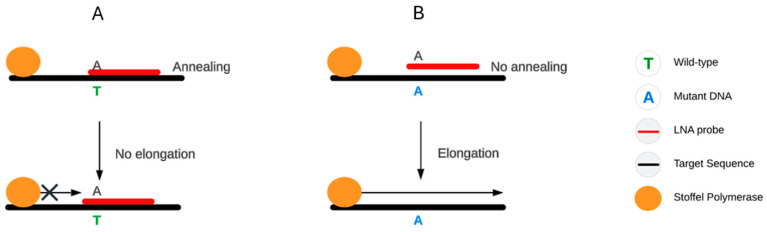 Figure 1
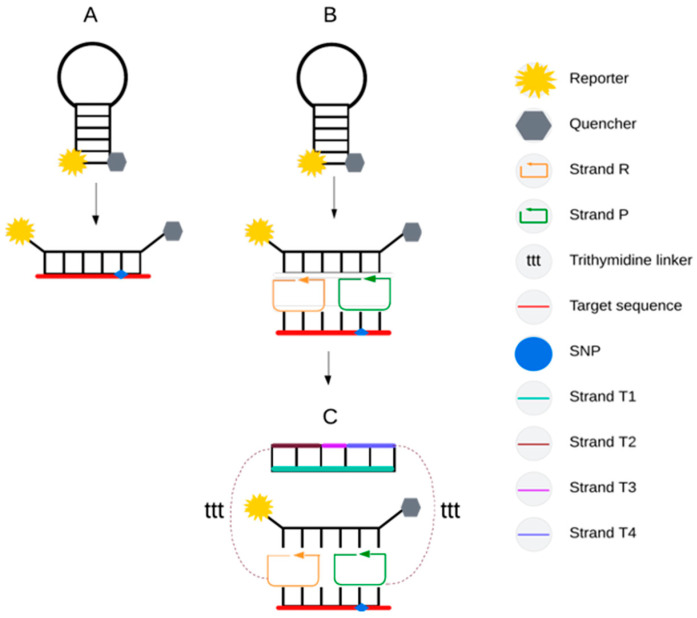 Figure 2
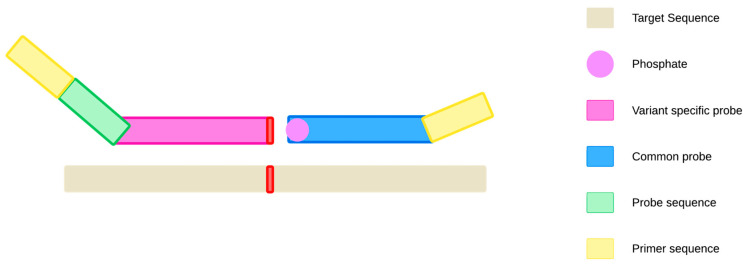 Figure 3
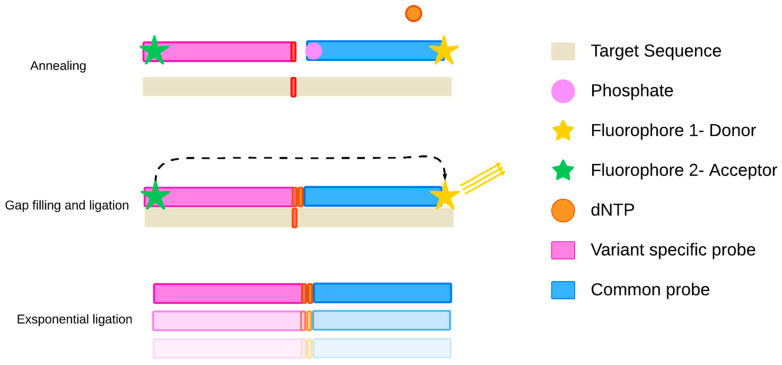 Figure 4
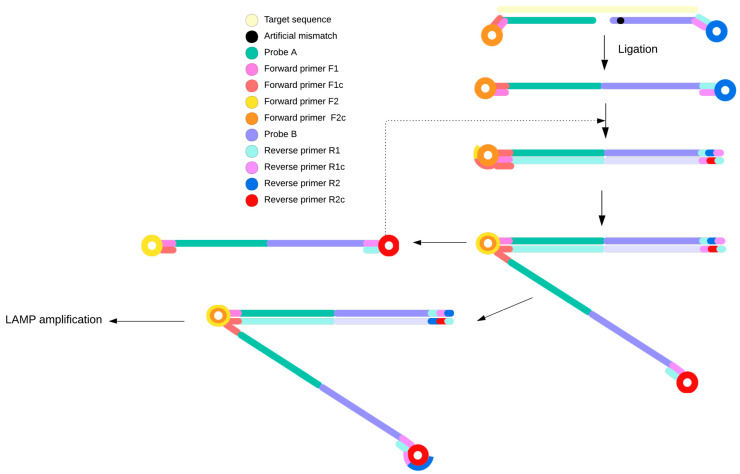 Figure 5
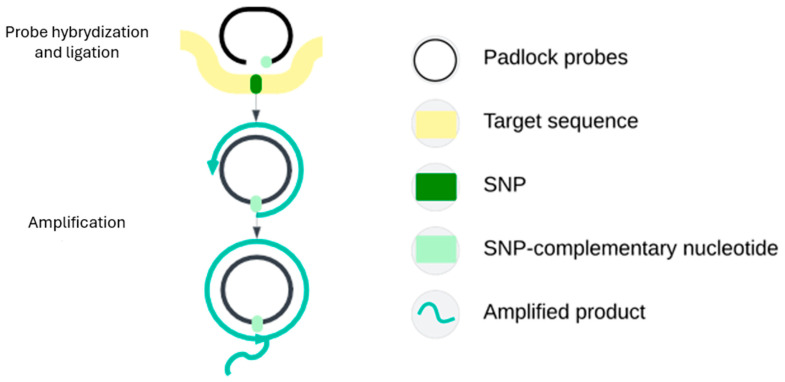 Figure 6
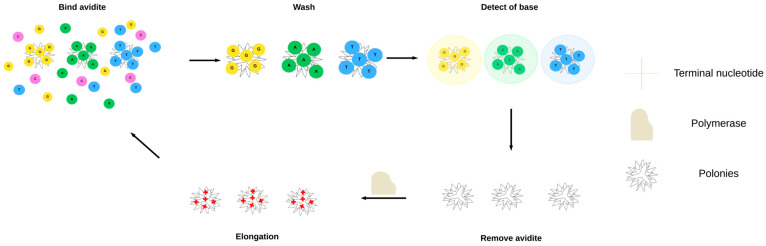 Figure 7
Peer Reviews
No public reviews on file for this paper yet. If you reviewed it on a platform where reviews are public (OpenReview, ICLR, NeurIPS, ICML), you can paste yours below so the community can read it here.
Videos
No videos yet. Explain this paper in a talk, walkthrough, or lecture? Add one.
Taxonomy
TopicsGenetically Modified Organisms Research · CRISPR and Genetic Engineering · Intellectual Property and Patents